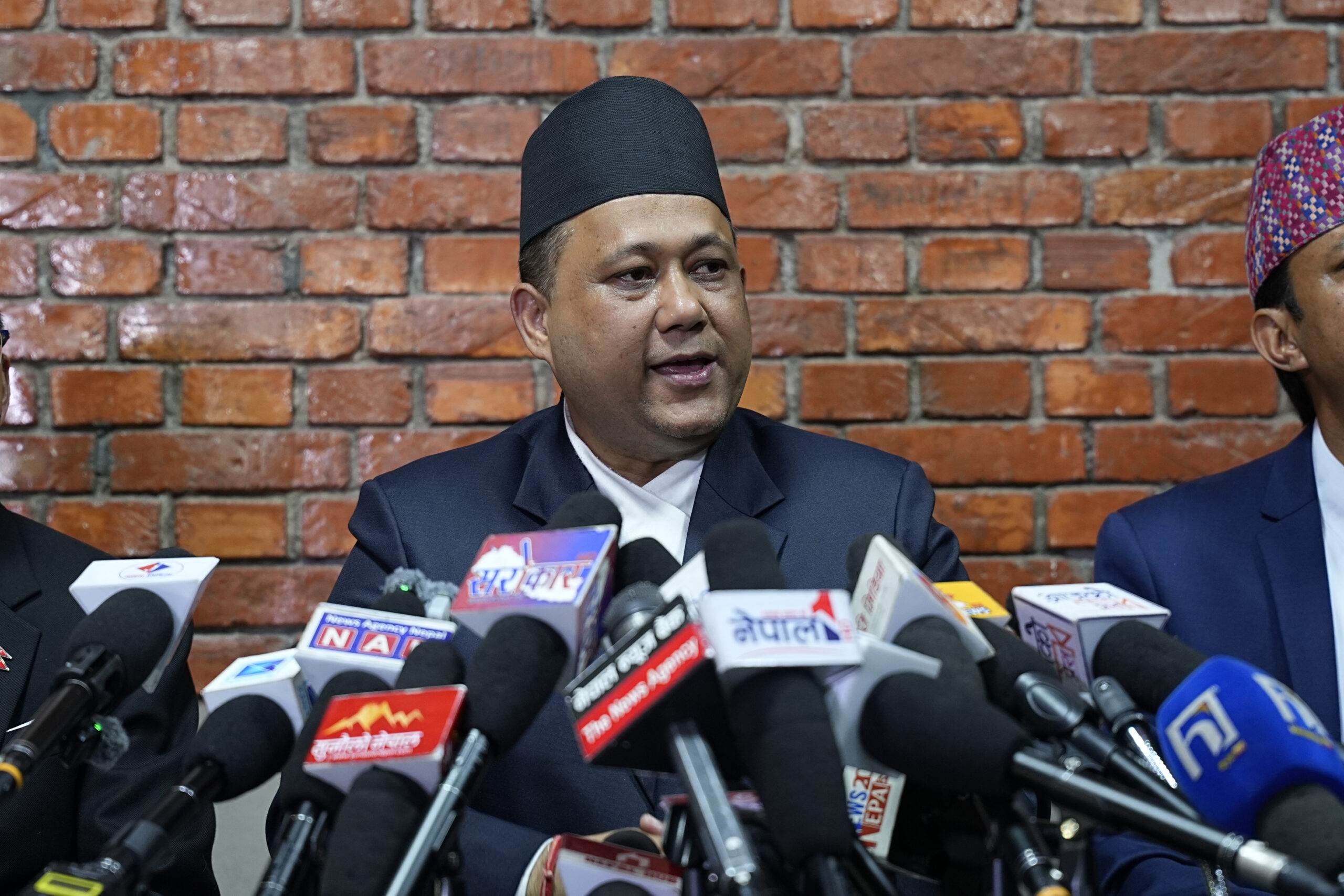
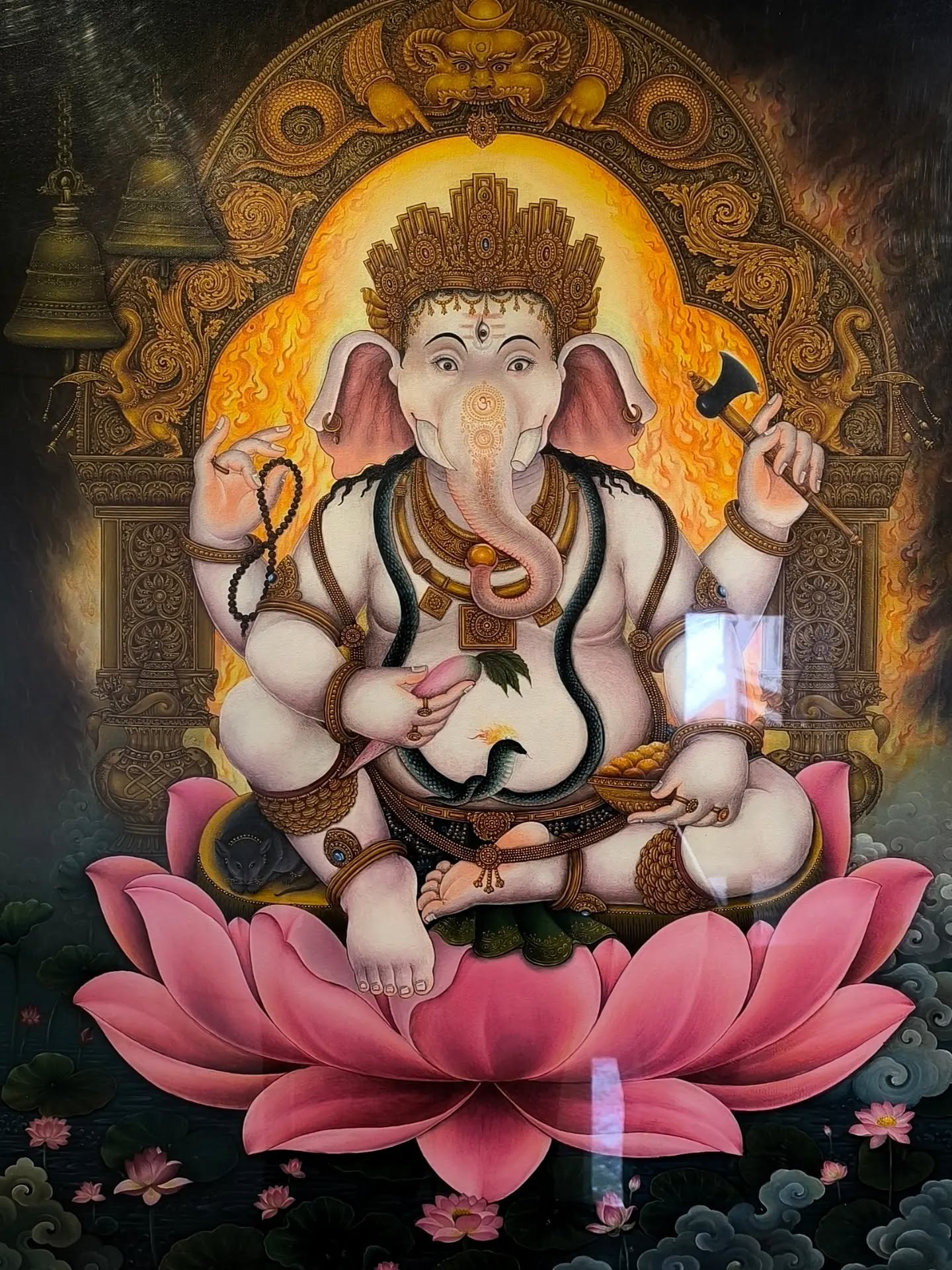
I am going to discourse two aspects of cultural diplomacy, one is the Nepali tradition of giving gift, and the other is wellness, a favorite Nepali identity marker in recent times. My critique is about how these two notables have the potential to relate us to others, to build ethos, to communicate our culture to others. A gift is a humble way of seeking warmth and friendship of the receiver for winning attention and kindness, it is like a good speaker using the device called captatio benevolentiae. Whenever I go to meet my academic friends abroad, the first thing which comes to my mind is to introduce Nepal to them about the arts of the Lichhavi or Malla periods. I photograph an image of a deity of knowledge, a Bodhisattva, or the mandala painting with a page of background note. I sometimes buy paintings if they are not very expensive. I give them books on Nepali culture, art and history, written in English. Recently I gave the YouTube link of the prize-winning film Unko Sweater with a two-page introduction to the plot, the culture it represents, and the philosophic substance the movie holds. I also made a collage of the mountainous scenes associated with the movie. I perform the act of letting the other perceive my country’s spirit by artistic, literary and philosophical textualities. A French diplomat François de Callières under the famed Louis XIV’s rule expressed once that an ambassador performs like an actor on stage. This was the spirit of the enlightenment period that Callières was expressing as the mode of international relation and diplomacy.
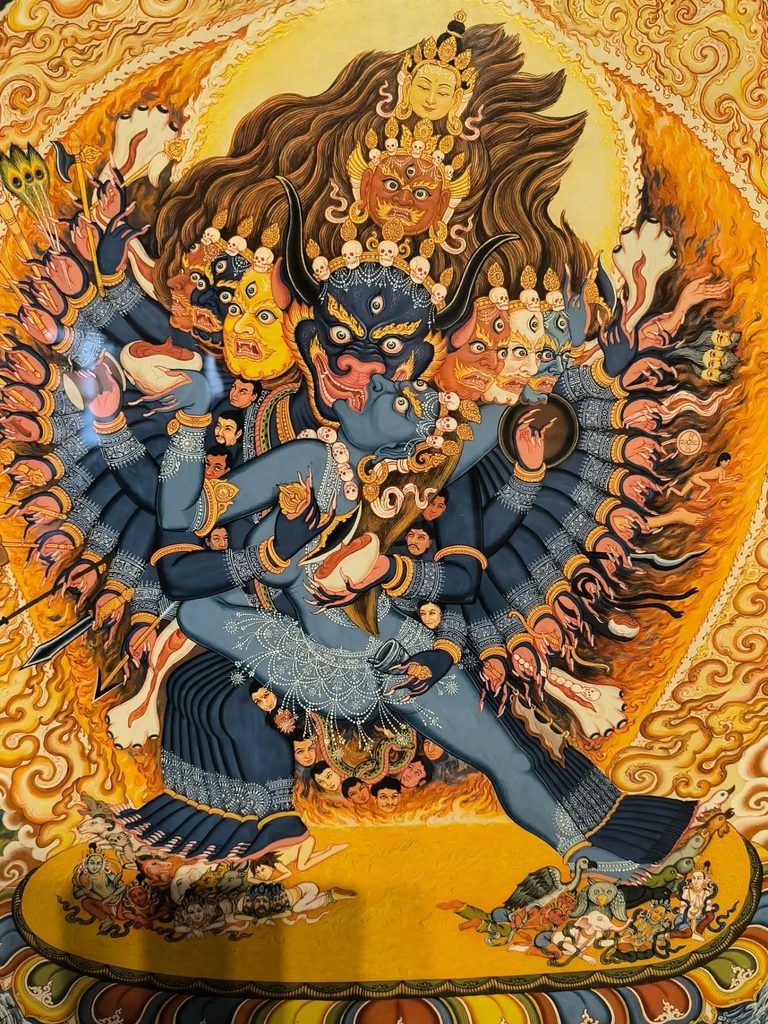
The gift of a Mithila painting or a Paubha art is not about the material you carry in a colorful wrapped paper or in an embellished box with ceremonial gestures, but it is more about how much of cultural vision you are able to communicate to the receiver of the gift. I presented a beautiful photograph of the sculpture of Durga and Ashura (demon) from our research archive. I wrote a page on what the image is about, particularly the nature of assimilating evil into godhood instead of, as we generally do, hurriedly interpreting the encounter between the deity and demon as the victory of good over evil. Similarly, I gifted a Paubha painting, which depicts the sexual union of the goddess of wisdom with the god of compassion. I attached a page in simple English, about the implication of sexuality in sacred domain. I never gifted tiny Bodhisattva images to any of my friends without writing a paragraph or two about the Mahayanist Buddhist conceptualization of its pantheon. If they find my notes inviting and ask me further, I prescribe them books and articles on the topic. I sometimes give them my documentaries on Nepali art and culture or films on Nepali culture available online.
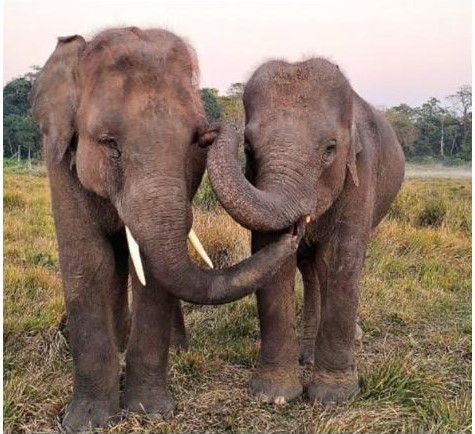
Consequently, I have realized, they do not become the passive receivers of the gifts when they read my notes, they rather want to know more. This is how they perform and I perform the academic version of diplomacy. Diplomacy is a collective communication of governmentality and cultural geist of a country. Interestingly, on my daughter’s marriage to a boy from a hilly region, while exchanging gifts, the bridegroom’s brother read out the history and tradition of the objects, the host’s emotional value of the objects to the groom’s family. The cultural nuances of the gift were narrated to the groom’s family. In 2025, Rudrakali and Khagendra Prasad, two juvenile elephants were gifted to Qatar. It was an intense emotional moment of departure. Nepali mahouts and a veterinary technician accompanied the animals for some weeks. The gifts were escorted with human help and information because they are living beings. Material gifts need similar complements as conceptual backups.
The idea of wellness or Arogya has been the major concern for Nepali cultural tourism. It is a matter of cultural diplomacy. Nepal wants to introduce herself as a hermitage of wellness. I wonder how wellness is not limited to yoga and meditation and how it travels into the spaces of nature and sacred sites. There is no fundamental classification of wellness. Its nature is multiple: the mythical simplicity, the agrarian exultation of life and living, philosophic visions reflected in the arts and literatures, Buddhist idea of walking, Hindu creativity of music. All such things in relation to cultures, art and religions of the world shape the dynamism of wellness. We do not have to claim that we are the exclusive locations of wellness, but we need to communicate that Nepali lives have the potential to mirror the microcosm of planetary vision. Nepal is not going to solve the problem of physical and cultural ailments. It is not going to transform the material into spiritual. Nepal does not claim that it is a peace zone, as the rhetoric was afloat some decades ago, but amidst conflict and suffering, amidst the velocity of developmental zeal, there are time and space which this country can provide to return to being human, not humanist but human. Humanism is too demanding a moral term of reference which has not functioned well in contemporary times.
Wellness is about slowing down too. I once told Chinese academics that only if China can take recourse to its myth and village imagination, at times, because it is too fast a developmental bullet train. I do not know whether they liked my comment or not, but they certainly repeated with critical appreciation to what I said. I was praising the geist of the country and at the same time hoping that they sit and observe the village imagination. The term imagination is metaphoric. Some countries are too slow and are almost frozen into time of the past. I am thinking about deceleration of time and space, not regressively looking back. Wellness is about how you sit and conceive yourself and your surroundings while you are the model of rapid development. Wellness is, occasionally, slowing down time.
The history of a country like Nepal carries thousands of years of its vision and philosophy, artistic mimesis, the inherent voices of the people. I would communicate this underlying essence with majestic indolence, with not merely practicing mediation but comprehending the essence of meditation amidst the corporate world of velocity. Wellness is both keeping body and spirit healthy as it is reading my culture and cultures of others. That is why I say wellness has variants.
Finally, let me give the example of Kathmandu and how it is a hermitage of wellness. It is one of the few cities where along with modern urbanism, the past is equally present. If you go to modern cities of the world, the ancient, the myth, the arts are displayed in museums and galleries. A city like Kathmandu, like Florence, has its past immanent within modernities, in the open spaces. You pace a little left and right, you find the ancient as art and history, within your walking distance. The world of art and music, habitations of yoga and philosophy, sitting elders in falchas or small pavilions, silences of the nights are reachable with ease and comfort. Kathmandu is a space of variants of wellness. This is what I would communicate to the visitors and the guests whom I meet and exchange gifts and ideas. And at the same time, I would not ethnicize our culture, as a domain of exotic sangrila but a habitation where pace of life and living is part of modernism and development.
We are in a hurry to exoticize our culture by gesturing that we are the beings of the past, rather art, philosophy, and notables like wellness are the existential markers to go along with science and technology, with AI, modern medicine, and with corporate research and developments.