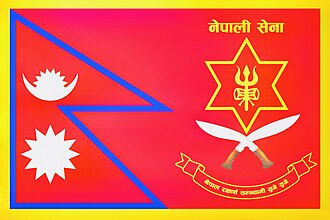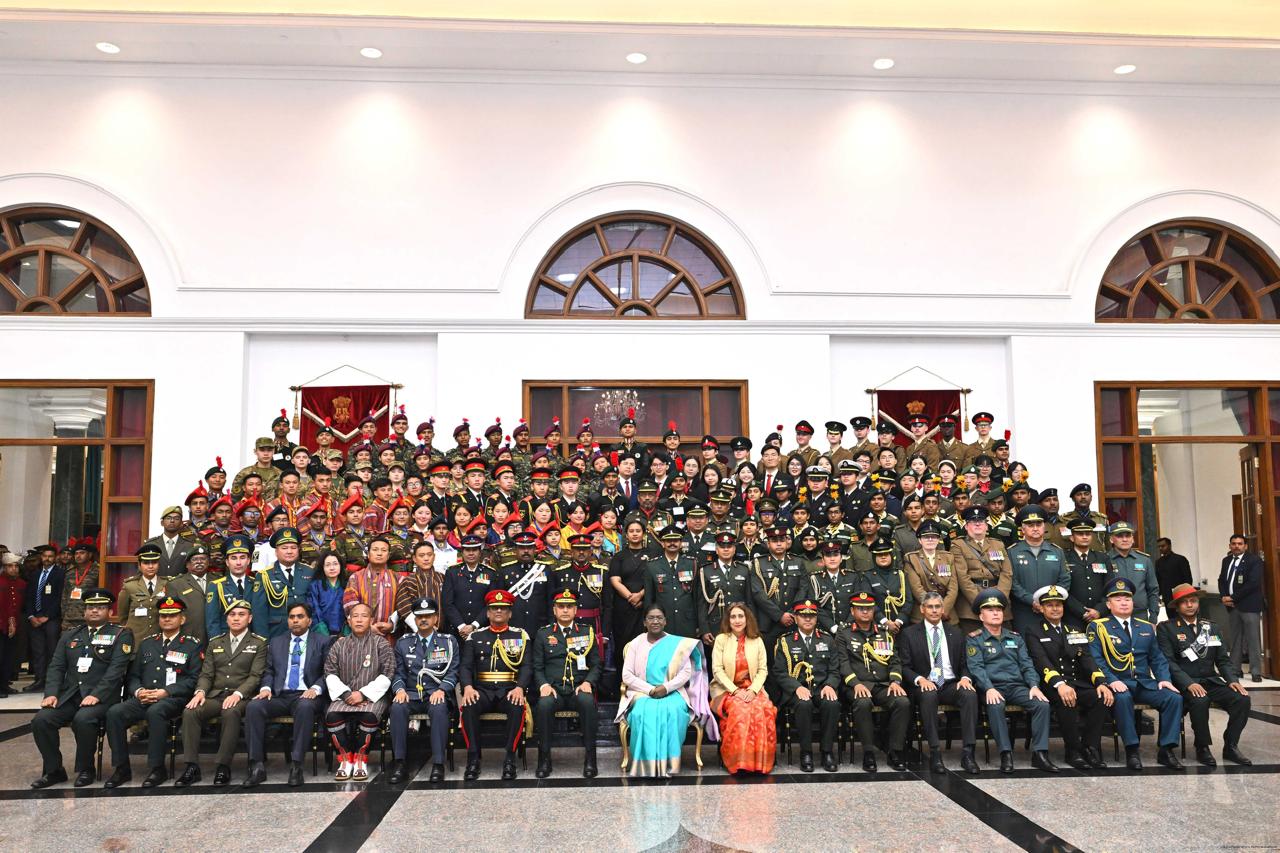
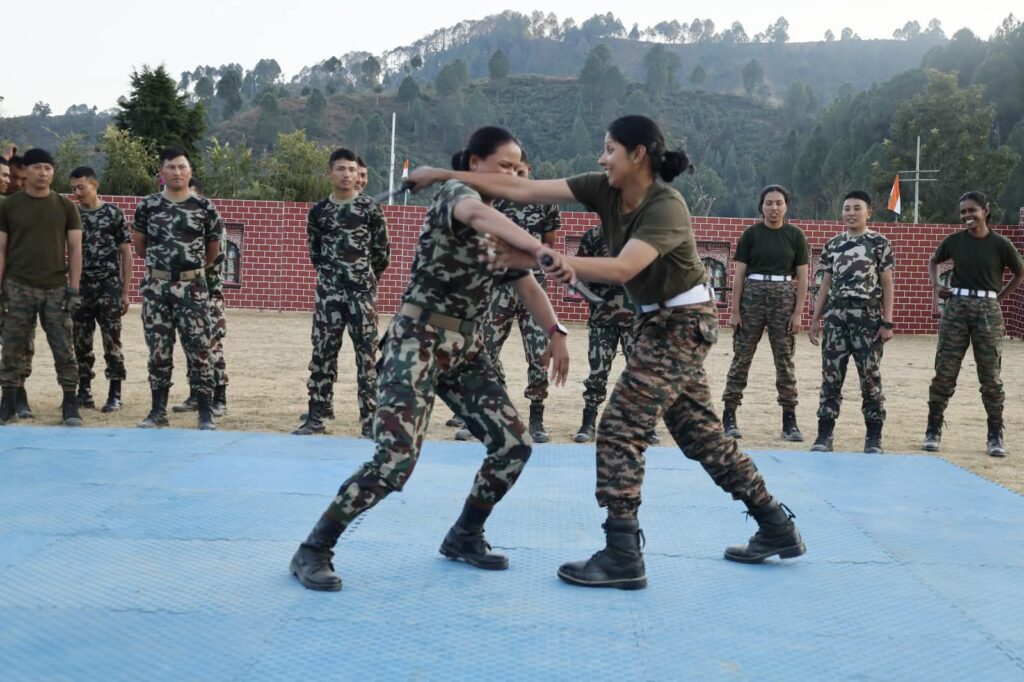
The 19th edition of the India-Nepal Joint Military Exercise Surya Kiran concluded on December 8, 2025, at Pithoragarh, following two weeks of joint training in mountainous terrain.
The exercise started on November 25. The motto of the exercise was to enhance coordination and interoperability between the Nepali and Indian armies in counter-terrorism operations, jungle warfare, and disaster management. It also reflects the close friendship between the two nations and the shared commitment to regional peace and security.
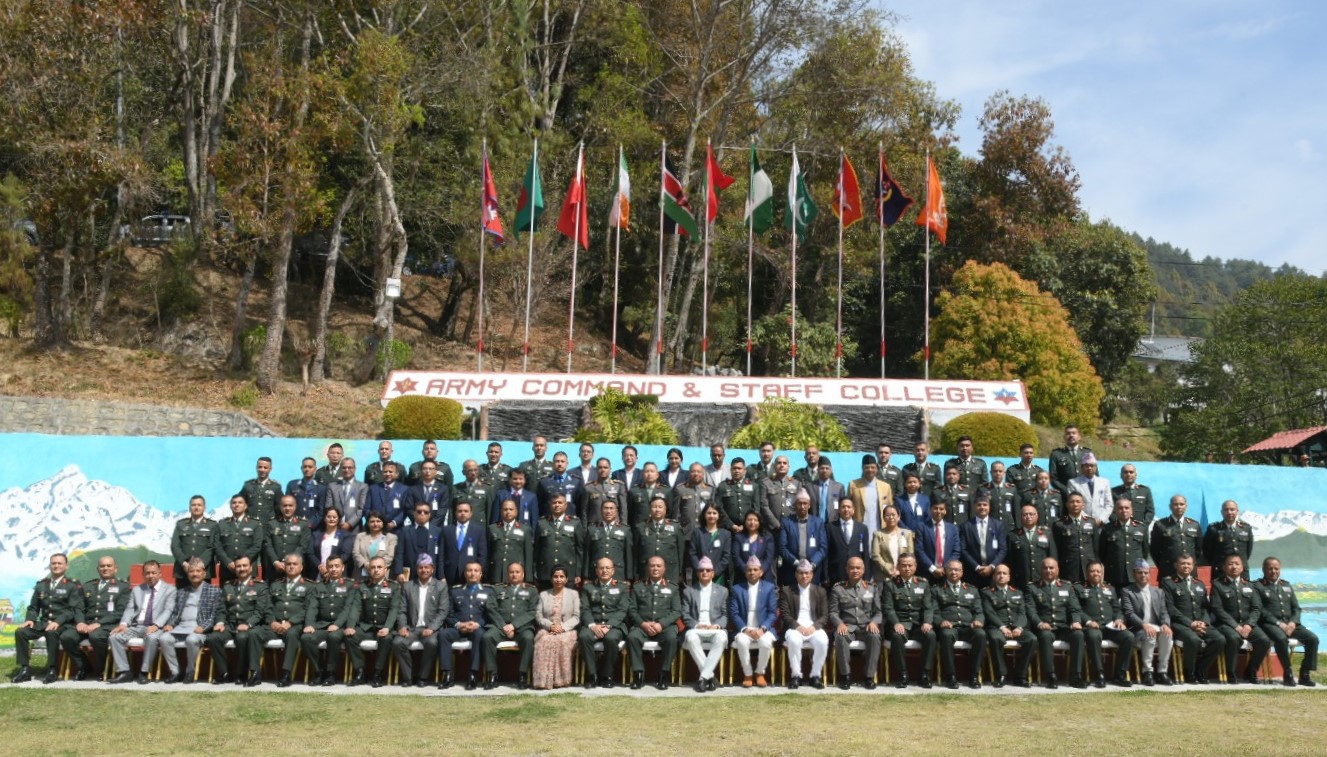
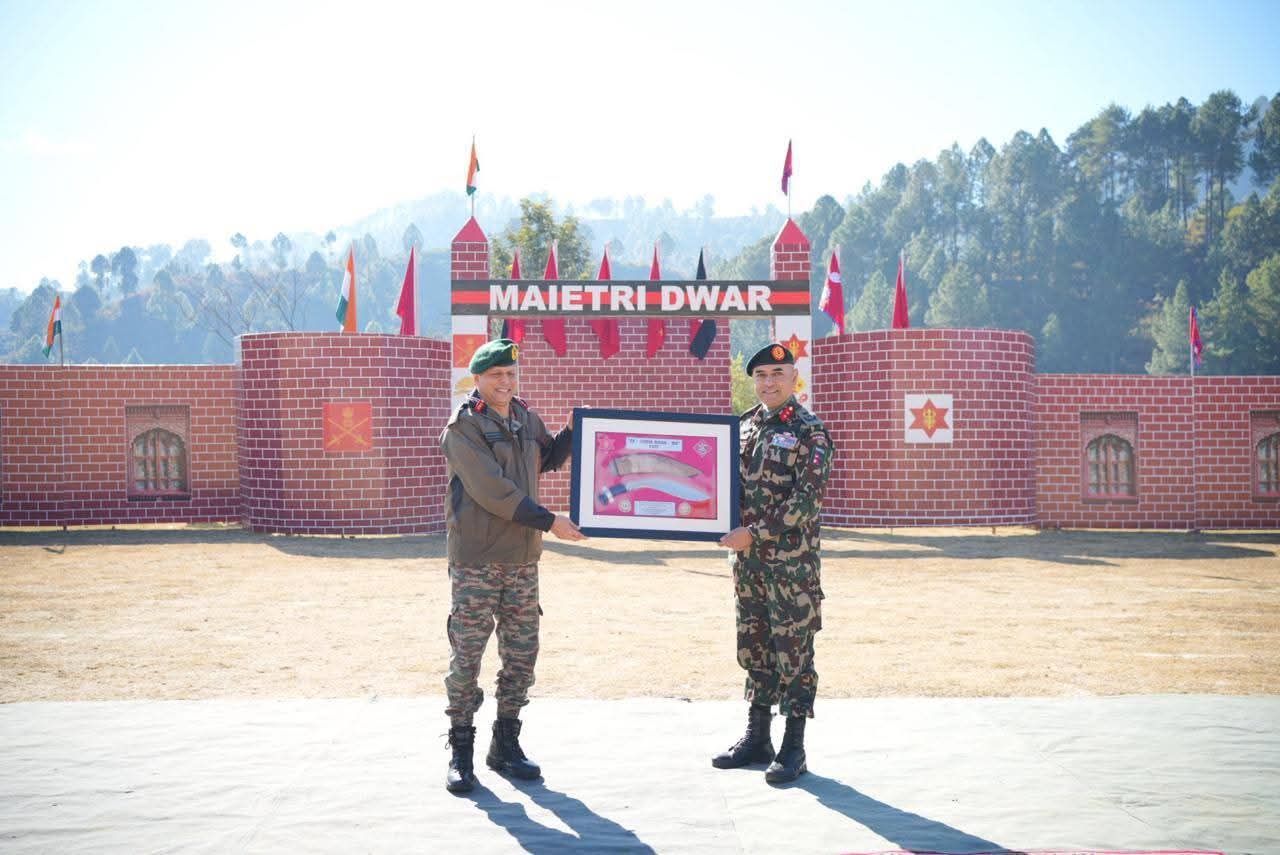
The closing ceremony of the exercise was attended by Lieutenant General Manish Luthra of the Indian Army and Major General Anup Jung Thapa of the Nepali Army. The Nepali Army has been participating in bilateral and multilateral exercises and professional competitions with the armies of friendly countries, including other nations.
Major General Binoj Basnyat (Retd.) said joint exercises and strategic partnerships are less about preparing for war and more about diplomacy, balance, and survival in a complex neighbourhood. Basnyat added, “Beyond military benefits, these exercises function as diplomatic tools, giving Nepal leverage in regional politics and reinforcing its image as a neutral, responsible actor committed to cooperation and stability.”
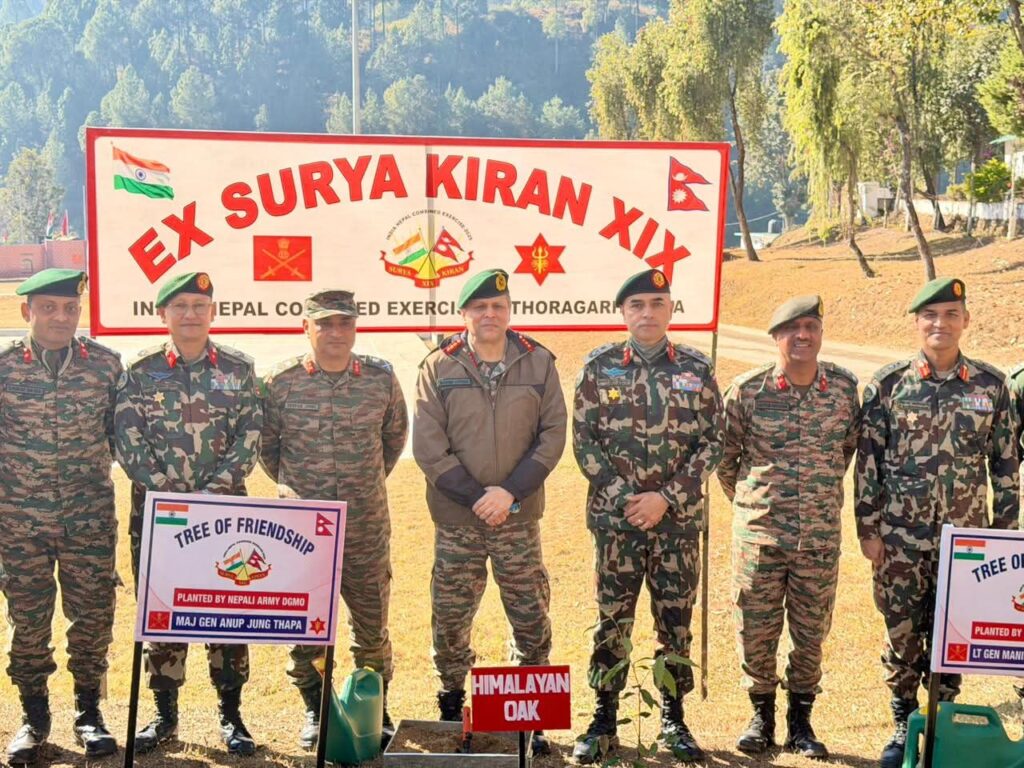
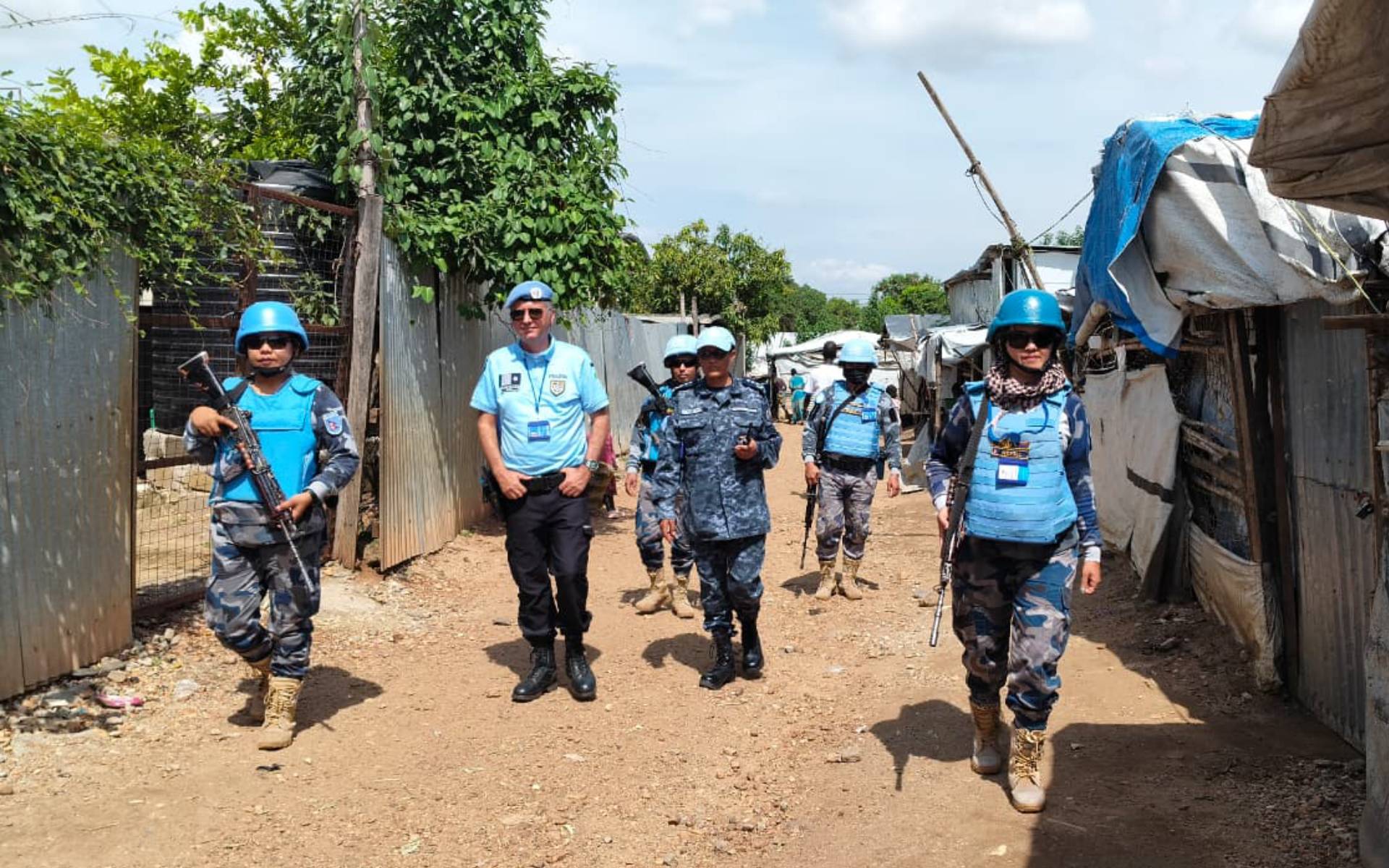
Nepali Army has been participating in joint training and exercises with the military of other countries: the United States, the United Kingdom, India, China, Bangladesh, Pakistan, Sri Lanka, Mongolia, Indonesia, and others. These engagements focus on search and rescue, disaster response, counter-terrorism, mountain climbing, and United Nations peacekeeping.
The Exercise Surya Kiran was launched in 2011 to further strengthen long-standing defence cooperation between the two militaries of Nepal-India. From that year, the countries have been continuously holding the exercise. The exercise is conducted twice a year and is hosted alternately in Nepal and India, which symbolizes mutual trust and equality.
Surya Kiran builds on the centuries-old military relationship between Nepal and India, including traditions such as Gurkha recruitment and the honorary general ranks exchanged between the two armies. Over the years, the scope of the exercise has expanded from basic military drills to include counter-terrorism operations, jungle warfare, disaster response, humanitarian assistance, and UN peacekeeping training. The exercise has become a key platform for enhancing interoperability, professional exchange, and strategic understanding, reinforcing the close and friendly relations between Nepal and India.
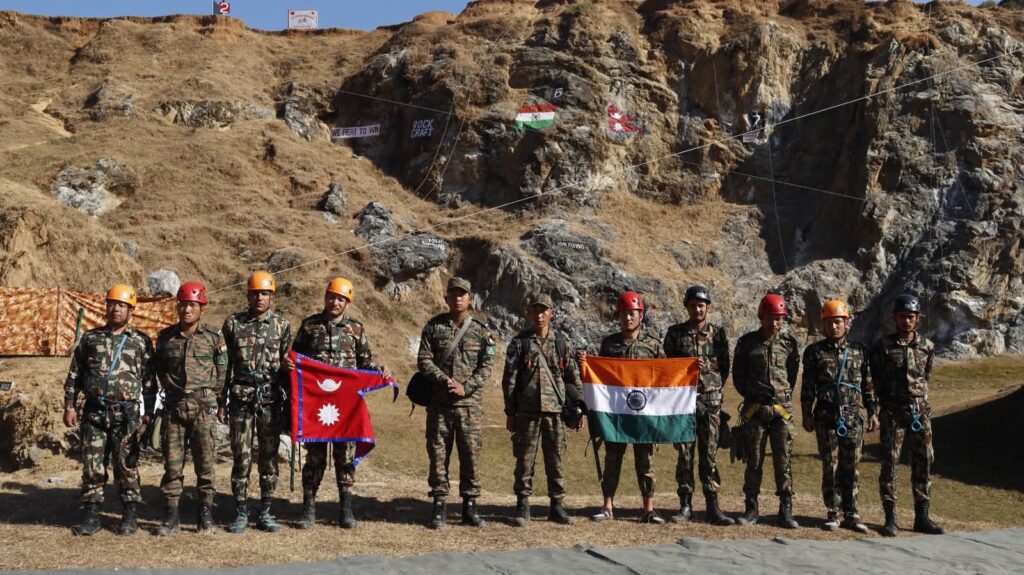
Major General Dr. Purna Bahadur Silwal (Retired), said joint military exercises are meant to enhance interoperability so that two forces can execute specific operations together. He noted that the Nepal Army conducts such drills for humanitarian disaster response and UN peace operations. He added, “It helps us understand and communicate with each other, enhance the ability to work together for a common purpose, and cooperate for peace and stability. Military-to-military cooperation also helps reinforce state-to-state relations.”
Besides India’s Exercise Surya Kiran, the Nepali Army has been doing joint drills with China’s People’s Liberation Army (PLA), the “Nepal–China Sagarmatha Friendship Joint Military Exercise”, and joint exercises with the U.S. Army, the Ex-Balance Nail.
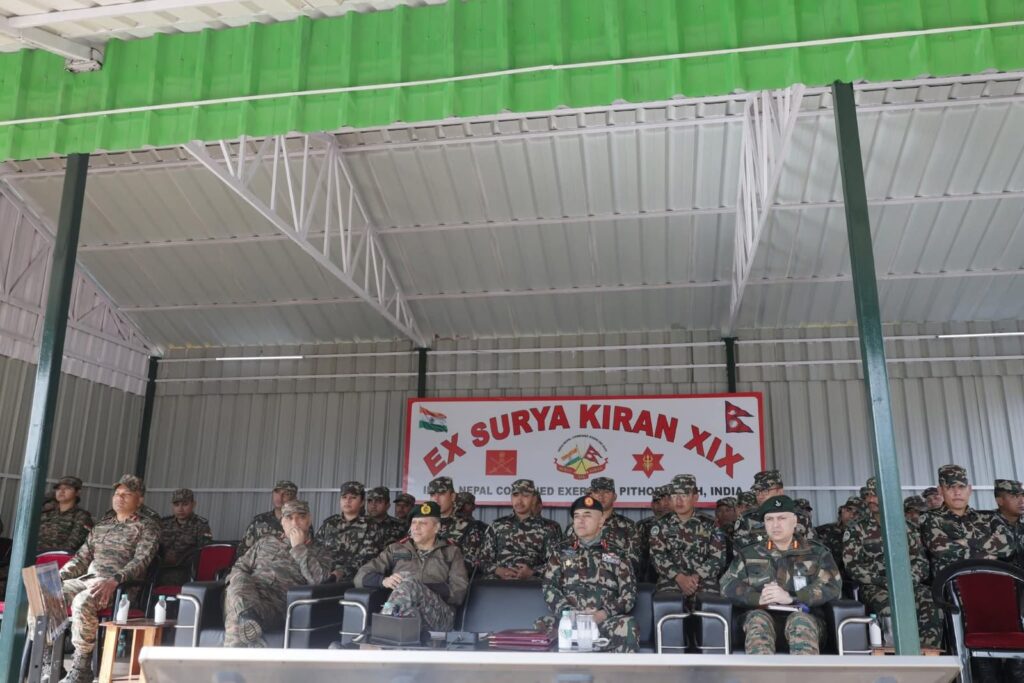
Brigadier General and Spokesperson of Nepali Army Raja Ram Basnet, said the joint exercise focused on disaster management, search and rescue, humanitarian assistance, and related activities. “The drill will not only help two armies to learn and share their experiences, but also help Nepal’s defence diplomacy,” he added.