Kathmandu: Policymakers, parliamentarians, civil society representatives, and academics from across South Asia have called for a rights-based approach to digital platform governance, marking a significant step in shaping the region’s digital future.
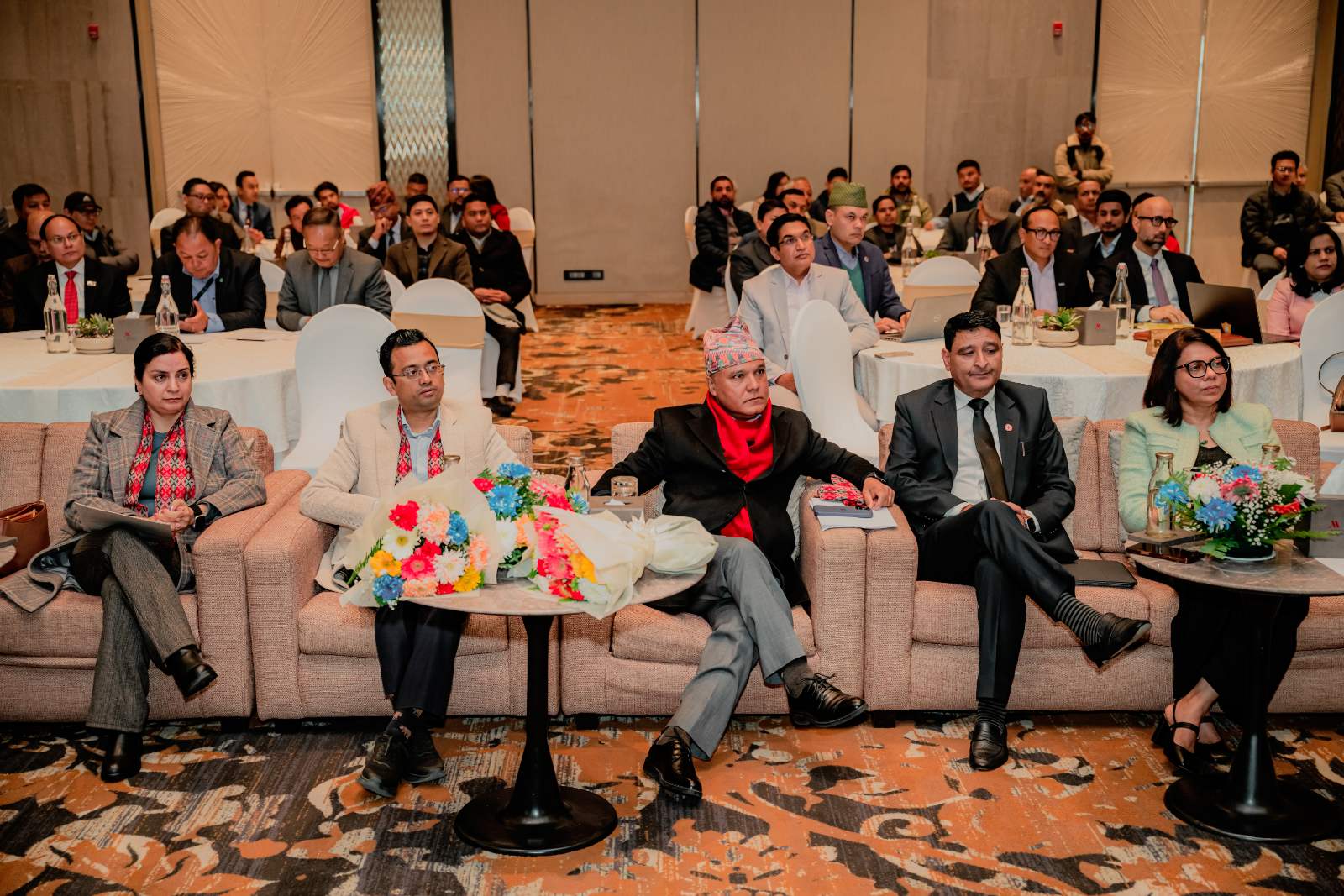
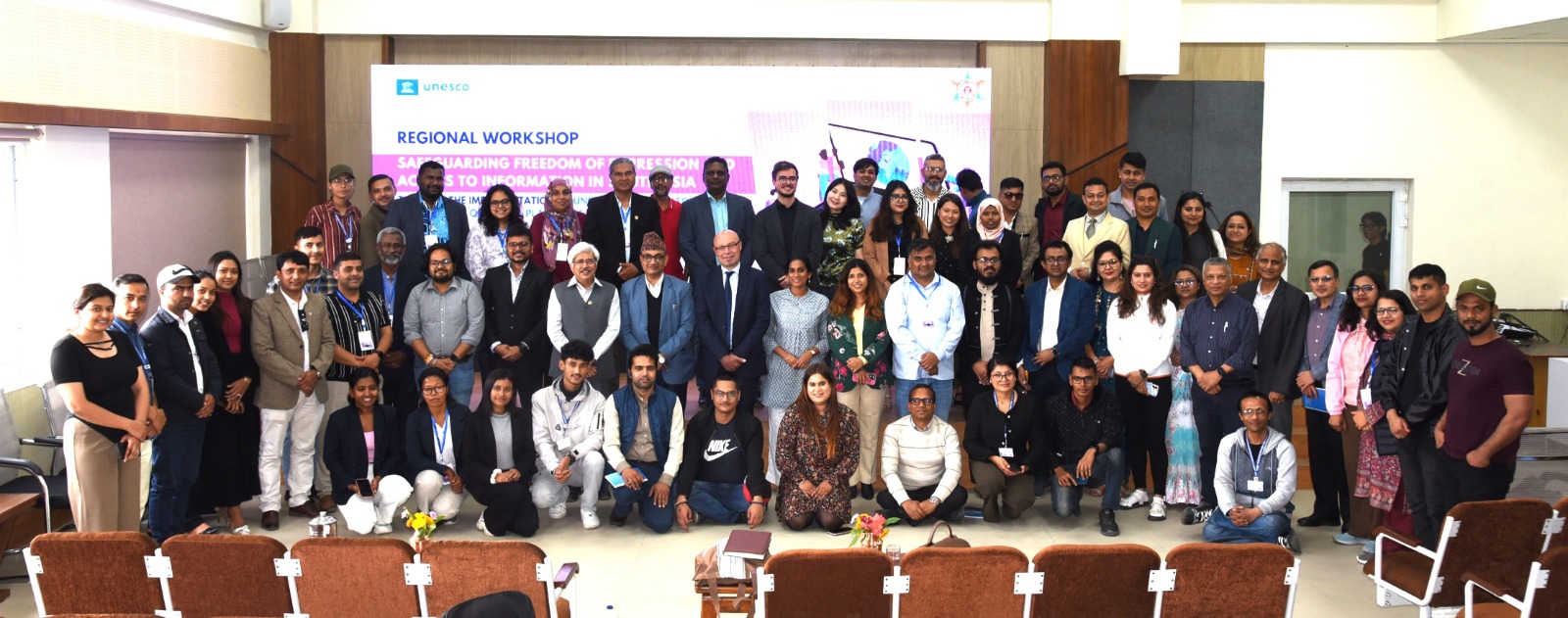
The four-day Regional Workshop on Safeguarding Freedom of Expression and Access to Information in South Asia, held at Tribhuvan University from 24–27 March 2026, concluded under the Internet for Trust (I4T) Initiative, led by UNESCO in collaboration with the university’s Central Department of Journalism and Mass Communications and supported by the European Union.
Over 90 participants from Bangladesh, India, Nepal, Sri Lanka, and the Maldives gathered to discuss strategies for implementing UNESCO’s Guidelines for the Governance of Digital Platforms. The workshop provided a platform to review national consultation findings, validate draft regional toolkits, and develop a shared vision for rights-based digital governance in the region.
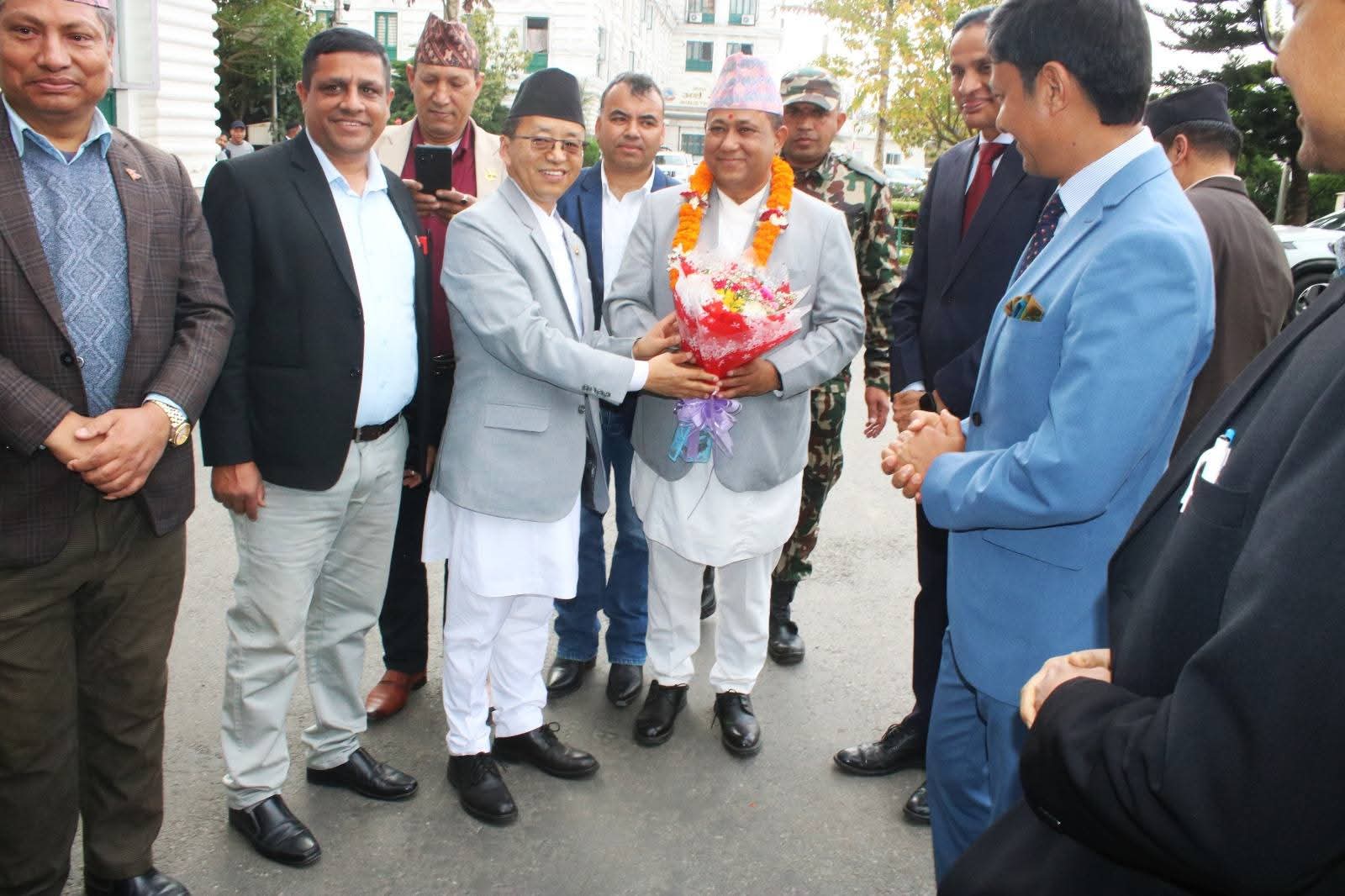
At the opening, Ma’aly Hazzaz, UNESCO Regional Advisor for South Asia, emphasized a balanced approach tailored to local contexts while upholding universal principles of freedom of expression. Nepal’s Home Minister Om Prakash Aryal highlighted the collective responsibility in safeguarding digital freedom, noting that cross-border platforms demand collaborative responses.
Veronique Lorenzo, EU Ambassador to Nepal, reaffirmed the EU’s support for the initiative, stressing that protecting freedom of expression and ensuring access to reliable information are fundamental pillars of democratic and inclusive societies.
Participants explored governance challenges, including misinformation, threats to freedom of expression, and the need for increased platform accountability and transparency. They also validated two draft regional toolkits aimed at guiding policymakers, regulators, and civil society organizations in promoting inclusive and transparent digital governance.
A highlight of the workshop was a multi-stakeholder governance simulation addressing AI-driven content amplification of misinformation. Participants collaboratively designed interventions reflecting diverse perspectives, demonstrating the importance of inclusive policymaking in digital governance.
The workshop concluded with a focus on actionable outcomes, including policy uptake, academic integration, and continued collaboration through the I4T Knowledge Network. Dr. Kundan Aryal, Head of Department at Tribhuvan University, underscored the importance of embedding these principles into journalism curricula for sustainable regional impact.
Closing the event, Jaco du Toit, UNESCO Representative to Nepal, said: “The conversations in Kathmandu contribute to a global movement for an internet that is open, safe, inclusive, and grounded in human rights. South Asia is not only participating but helping to shape this dialogue.”
UNESCO continues to provide technical expertise, capacity-building, and policy guidance to strengthen rights-based, transparent, and inclusive governance of digital platforms across South Asia.