Bagmati Province lies at the heart of Nepal’s history and national life. As the country’s political, cultural, and spiritual center, it reflects centuries of civilization while continuing to shape Nepal’s present and future in tourism and development. Spread across thirteen districts and anchored by the Kathmandu Valley, the province brings together ancient heritage, sacred landscapes, and modern infrastructure, making it one of South Asia’s most meaningful and enduring travel destinations.
Kathmandu Valley: A Civilization Shaped by Time
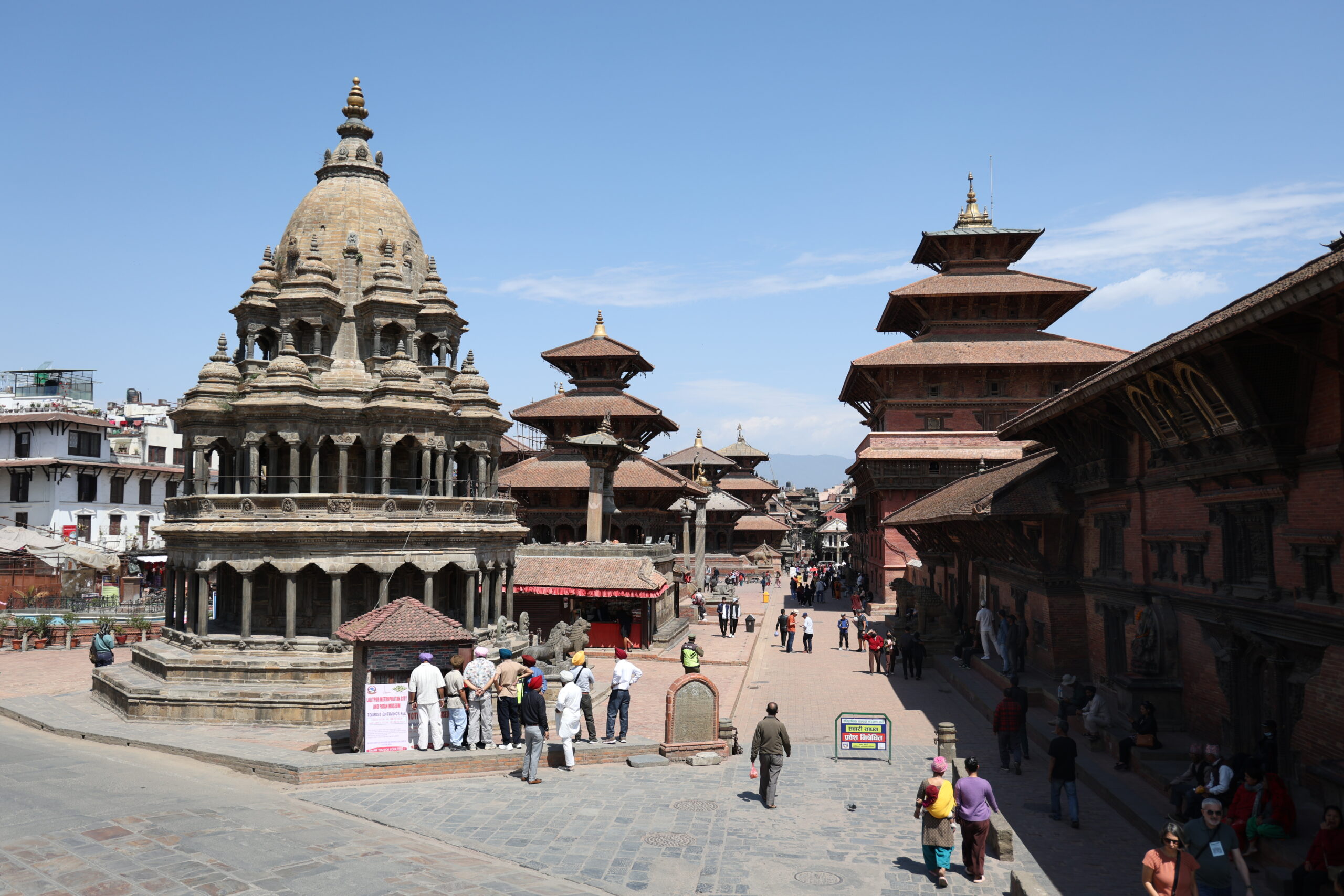
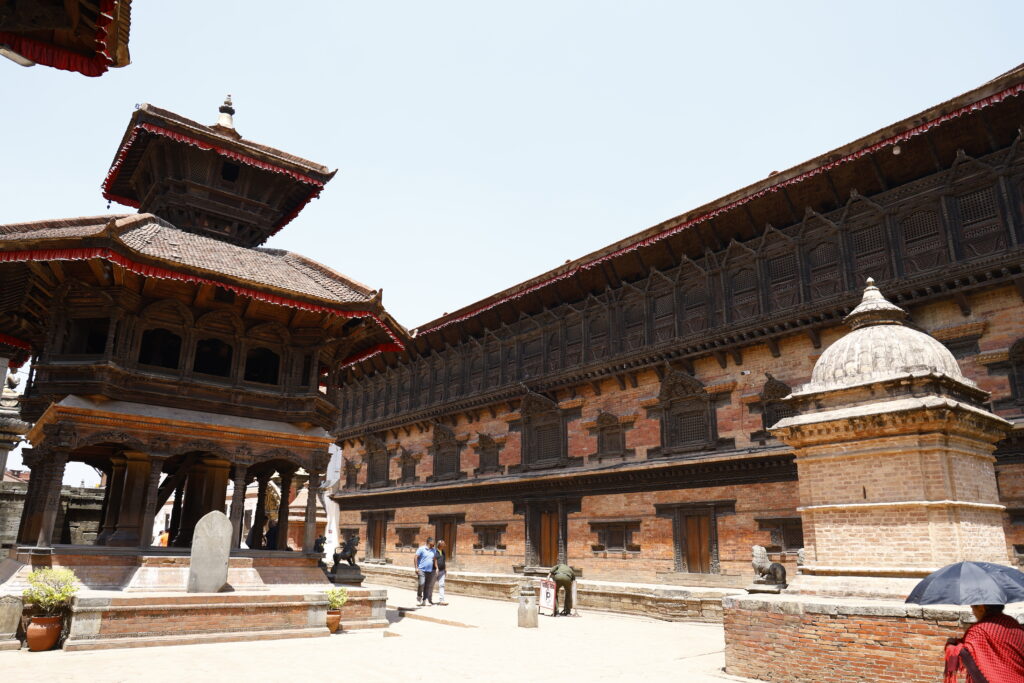
The historical background of the Kathmandu Valley defines the identity of Bagmati Province itself. The valley is among the oldest continuously inhabited urban centers in the Himalayan region, with a recorded history extending over two millennia. Flourishing under the Licchavi and later the Malla dynasties, the valley evolved into a sophisticated center of art, architecture, urban planning, and religious coexistence. This legacy is internationally recognized through its seven UNESCO World Heritage Sites, an extraordinary concentration of globally significant monuments within a compact geographic area.
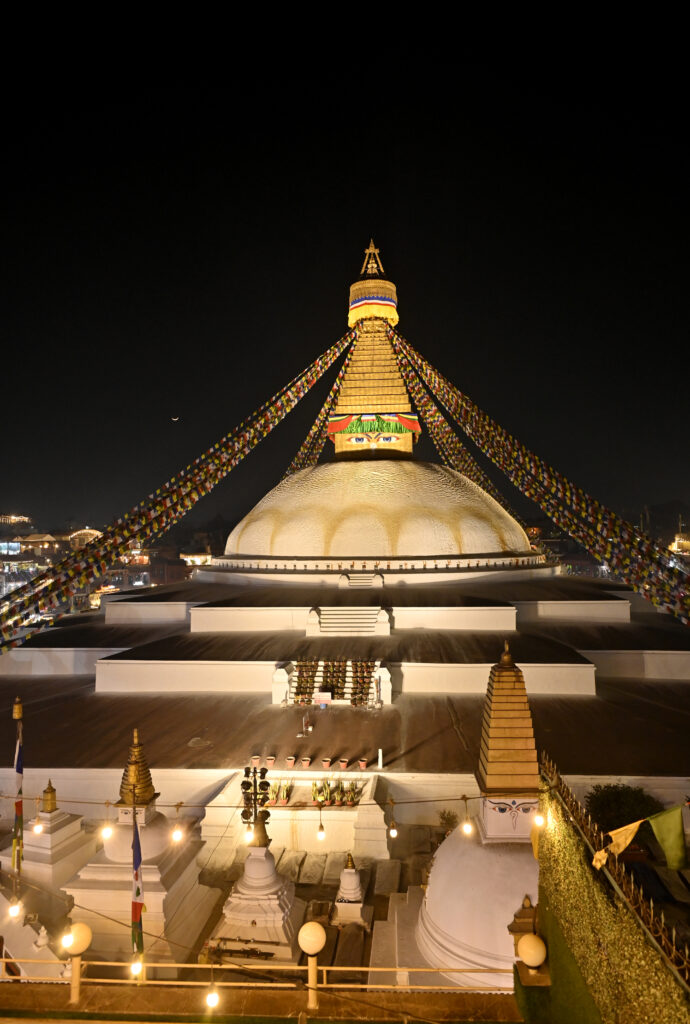
The sacred precincts of Pashupatinath and Changunarayan, the monumental stupas of Swayambhunath and Boudhanath, and the historic palace squares of Kathmandu, Patan, and Bhaktapur together reflect the Kathmandu Valley’s long tradition of spiritual harmony and artistic excellence. While Hinduism and Buddhism remain the faiths of the majority, their philosophies have grown side by side, often blending into a shared cultural rhythm that defines daily life. At the heart of Kathmandu stands the Pancha Kashmiri Takiya Masjid, commonly known as the Kashmiri Masjid, one of Nepal’s oldest mosques, originally built in the fifteenth century. Its enduring presence alongside major Hindu and Buddhist sites quietly affirms Kathmandu’s legacy of religious tolerance. Across the valley, rituals, festivals, craftsmanship, and social traditions continue as living practices rather than preserved relics, making this cultural landscape one that remains dynamic, inclusive, and deeply rooted in shared history.
Geography, Altitude, and Natural Diversity
Bagmati Province’s tourism appeal is deeply influenced by its striking geographical range. The province stretches from the low-lying river plains of Chitwan to the high Himalayan landscapes of Rasuwa and Dolakha, with altitudes ranging from roughly 100 meters above sea level to well over 7,000 meters in the northern mountain massifs. This dramatic vertical diversity allows the province to host subtropical forests, temperate hills, alpine meadows, and snow-clad peaks within a single administrative boundary.
Such variation supports a wide spectrum of tourism experiences, from jungle safaris and river adventures to high-altitude trekking and pilgrimage journeys. National parks and conservation areas, including Chitwan National Park, Langtang National Park, and Shivapuri–Nagarjun National Park, protect fragile ecosystems while offering nature-based tourism rooted in conservation values. These landscapes are not only scenic assets but ecological lifelines that sustain biodiversity and rural livelihoods.
Bridging Heritage with the World
Bagmati Province holds a strategic advantage in tourism infrastructure, serving as Nepal’s primary gateway to the international community. Tribhuvan International Airport, the country’s main international airport, handles the vast majority of international arrivals. This connectivity places Bagmati at the forefront of inbound tourism, business travel, and diplomatic engagement.
Beyond air access, the province benefits from the country’s most developed road network, linking urban centers with heritage towns, hill destinations, and protected areas. Expanding highways, improved tourism service facilities, and upgraded accommodation standards across districts such as Chitwan, Kavre, Nuwakot, and Sindhupalchok have strengthened internal mobility. At the same time, investment in hospitality education, digital tourism services, and destination management reflects a growing emphasis on professionalism and visitor experience.
Sacred Journeys, Living Cultures, and Paths to Well-Being
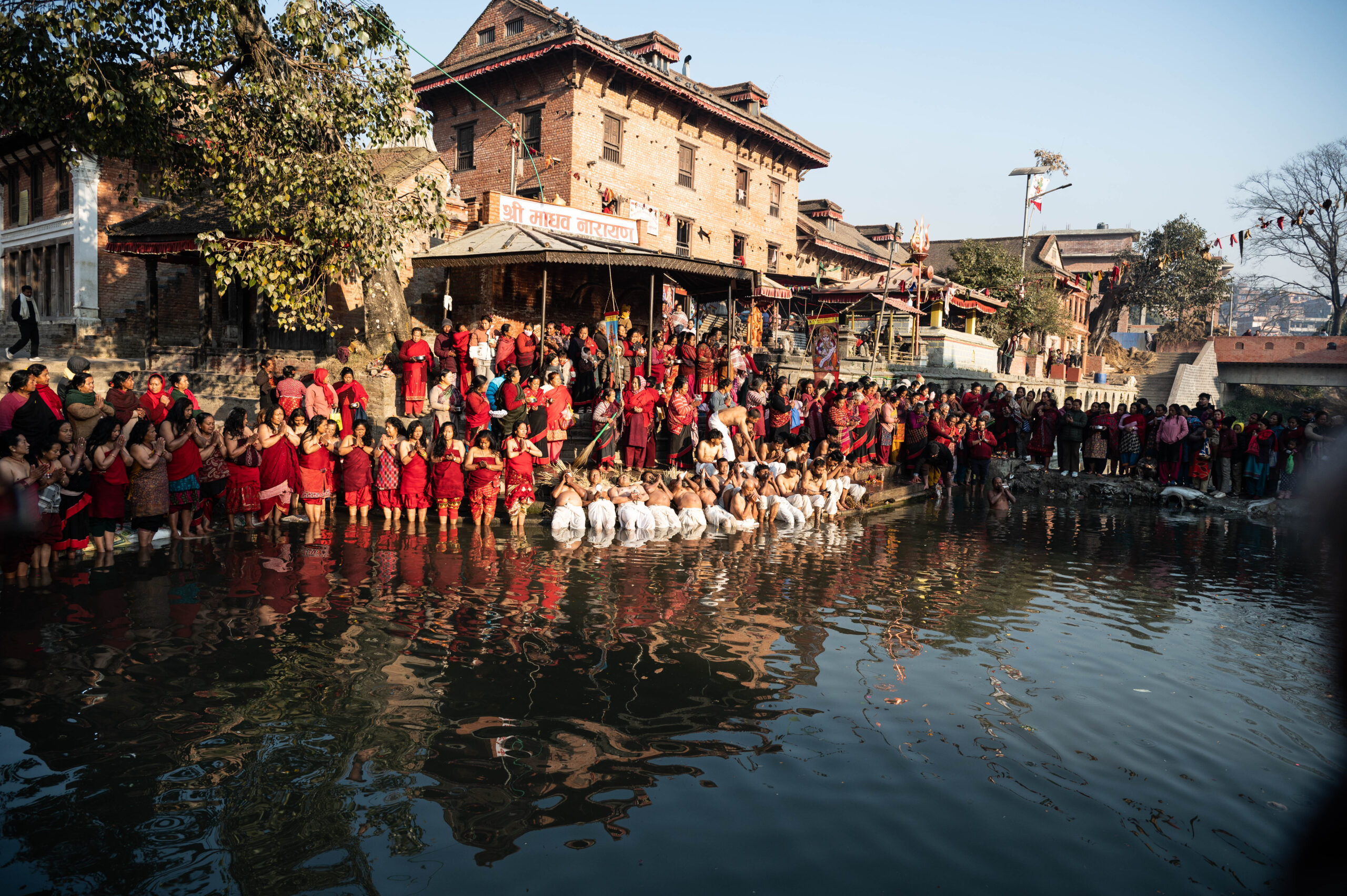
Spiritual tourism forms the philosophical foundation of Bagmati Province, shaping its identity as a land where faith, culture, and nature are deeply intertwined. The province is home to many of Nepal’s most revered Hindu and Buddhist pilgrimage sites, drawing devotees and seekers from across South Asia and beyond. Sacred places such as Pashupatinath, Dakshinkali, Budhanilkantha, Dolakha Bhimsen, Kalinchowk Bhagwati, Palanchowk Bhagwati, Devghat Dham, and Gosaikunda are not simply destinations, but living sacred landscapes where belief, ritual, and geography merge. Complementing these are Buddhist monasteries, stupas, and meditation centers spread across Kathmandu, Lalitpur, and Rasuwa, which add contemplative depth to the province’s spiritual fabric. Many pilgrimage routes naturally intersect with trekking trails and rural settlements, allowing journeys of devotion to unfold alongside encounters with nature and local life.
Beyond its sacred sites, Bagmati Province offers a richly layered cultural and natural environment that expands the meaning of tourism. Traditional towns, indigenous communities, festivals, music, cuisine, and craftsmanship together create immersive cultural experiences that extend far beyond monumental heritage. Settlements such as Bungamati, Khokana, Kirtipur, and Panauti reflect the enduring legacy of Newar civilization, while Tamang, Tharu, Gurung, and Jirel communities contribute to the province’s cultural diversity. Nature-based tourism thrives in areas like Langtang, Helambu, Daman, Jiri, and Ruby Valley, where trekking, village walks, birdwatching, and landscape exploration unfold against Himalayan horizons. Rivers such as the Trishuli and Bhote Koshi add an element of adventure through rafting and kayaking, while the province’s growing focus on wellness tourism—through meditation retreats, yoga centers, hot springs, forest therapy, and tranquil hill destinations—responds to a global search for balance and well-being. Together, these experiences position Bagmati as a destination where spiritual depth, cultural vitality, and natural serenity converge in a harmonious and enduring tourism landscape.
Preserving destination and Leading the Nation
Bagmati Province’s tourism journey is increasingly guided by a clear commitment to sustainability and responsibility, recognizing that long-term value lies not only in attracting visitors but in protecting the foundations that make the province distinctive. Heritage conservation, environmental protection, waste management, community participation, and climate resilience are now integral to tourism planning, reflecting a broader understanding that economic growth must not come at the cost of cultural integrity or ecological balance. Community-based tourism in rural districts, conservation-linked initiatives in protected areas, and growing awareness of responsible travel practices signal a gradual yet meaningful shift toward stewardship. In a landscape where sacred rivers, ancient monuments, and fragile mountain ecosystems exist side by side, sustainability is not a choice but a necessity. More than a destination, Bagmati Province is a living narrative of Nepal itself where the stone temples of the Kathmandu Valley, the quiet trails of Langtang, and the spiritual calm of its pilgrimage sites together offer experiences that engage the mind, body, and spirit. With its UNESCO recognized heritage, strategic infrastructure, and diverse landscapes, Bagmati Province stands at the heart of Nepal’s identity, poised to lead the nation toward a tourism future that is inclusive, sustainable, and deeply rooted in culture, spirit, and enduring pride.