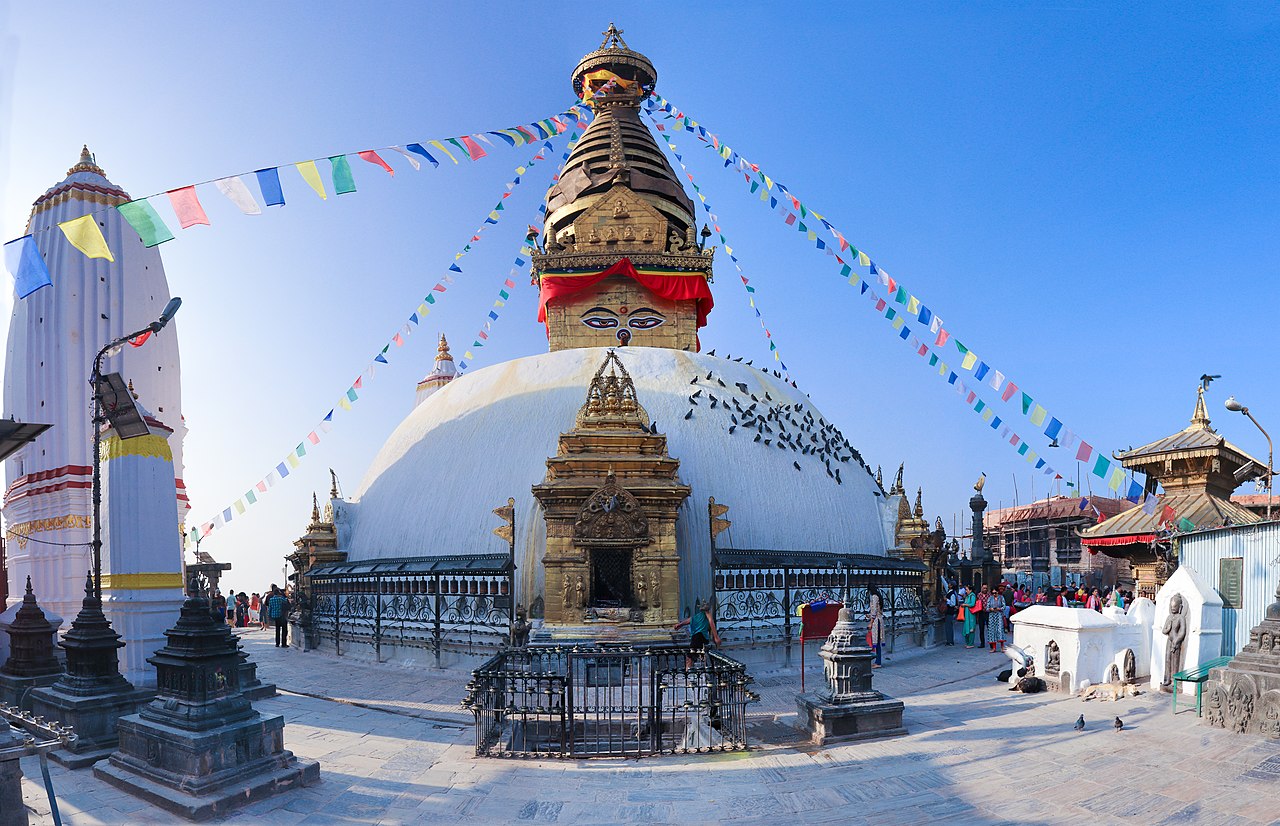
Nepal, a small country with many Himalayan shrines, Pashupatinath, Muktinath, Lumbini, and Janakpur, is a crossroads of geography and religion. It attracts pilgrims, spiritual seekers, and cultural tourists from all over South Asia and the world. Visitor numbers have significantly increased after the end of global pandemic and tourism has emerged as one of the key sources of foreign income and local livelihoods. Recent government and industry reports document rising arrivals and expanding pilgrimage-driven growth in local areas, indicating an opportunity to reconsider the management, diversification, and integration of religious tourism with culture and community development.
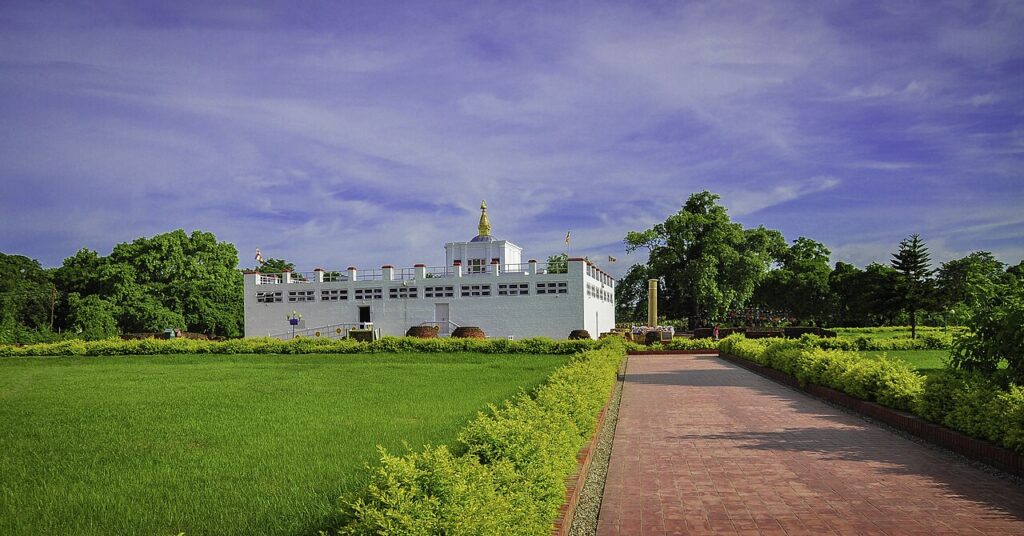
In Nepal, religious tourism is an expression of national identity rather than a business. Sites like Lumbini, the birthplace of the Buddha, acknowledged and protected by UNESCO, are spiritual hotspots with material and symbolic significance for Nepal. The Lumbini region’s international conservation and development partnerships serve as an example of how tourism and heritage preservation may work together to enhance cultural narratives and increase visitor services and educational opportunities. With the right resources, this attentive stewardship improves Nepal’s cultural stature and gains the goodwill of diplomats and tourists.
Economic potentials
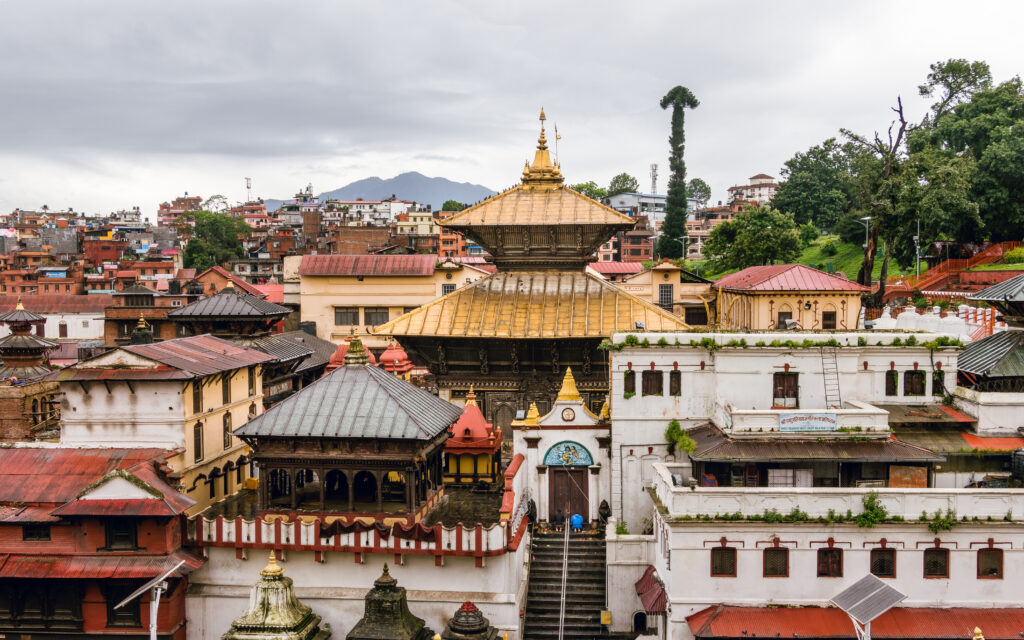
Measurable economic benefits are produced by religious tourism: pilgrimage circuits are surrounded by lodging, transportation, guide services, handicrafts, food sellers, and small businesses. Research on Pashupatinath and the surrounding markets demonstrates that, although the advantages are frequently concentrated and inequitable, heritage sites give local vendors and service providers jobs and chances for informal income. Tourism, supported by pilgrimage and heritage travel, contributes significantly to foreign exchange revenues and household incomes in host communities. Deliberate policies that provide equal access to markets, inclusive value chains, and small business training priorities are necessary to realize the full economic potential.
Changing patterns
The trends in tourism are changing. Short spiritual journeys and domestic pilgrimages have grown in popularity, while remote Himalayan shrines like Mustang’s Muktinath have become rapidly expanding pilgrimage destinations due to better air and road connectivity. Mustang and the surrounding valleys have seen a sharp rise in visitors, which can be attributed to both better access and clever marketing of sacred settings as a blend of adventure and culture. Communities that were formerly isolated can benefit economically from this trend, but it also raises questions about carrying capacity, environmental pressures, and cultural commodification.
Challenges and opportunities
The main difficulty is striking a balance between conservation and more visitors. Wear and tear, problems with waste management and sanitation, and the possibility that commodification will erode traditional practices are all problems that heritage sites must deal with. Coherent management is frequently hampered by institutional fragmentation, which occurs between municipal governments, religious trusts, tourism ministries, and cultural ministries. Growth can result in degradation rather than shared prosperity if there are no standardized interpretive materials, trained local guides, and legal frameworks protecting sacred areas. To maintain Pashupatinath’s sanctity and economic potential, academic evaluations stress the necessity of community-inclusive governance, interpretive planning, and stakeholder collaboration.
The future of religious tourism lies in integrated models that approach the industry as a whole: site management that prioritizes conservation, benefit-sharing for the community, a variety of visitor services (such as pilgrimage packages that include cultural workshops and homestays), and investments in environmentally conscious infrastructure. Heritage paths, multifaith celebrations, pilgrim wellness initiatives, and digital storytelling are examples of niche products that can increase visitor spending and lengthen stays while fostering greater cross-cultural interaction. The preservation of sacred precincts and the development of the capacity of micro-entrepreneurs in their vicinity can be supported by international collaborations, UNESCO guidelines, and focused public-private investments.
Nepal can benefit from a unique triple dividend from religious tourism: economic growth, spiritual hospitality, and cultural validation. Stakeholders must embrace integrated policies that prioritize conservation, fair benefit distribution, and meticulous infrastructure development to harvest it responsibly. Nepal can turn pilgrimage routes into resilient cultural and economic corridors if politicians, religious guardians, local businesspeople, and foreign partners share a vision that respects sanctity while facilitating sustainable livelihoods. It will take time, money, and humility to get there, but the payoff will be a future where sacred sites flourish as living traditions and catalysts for inclusive development.