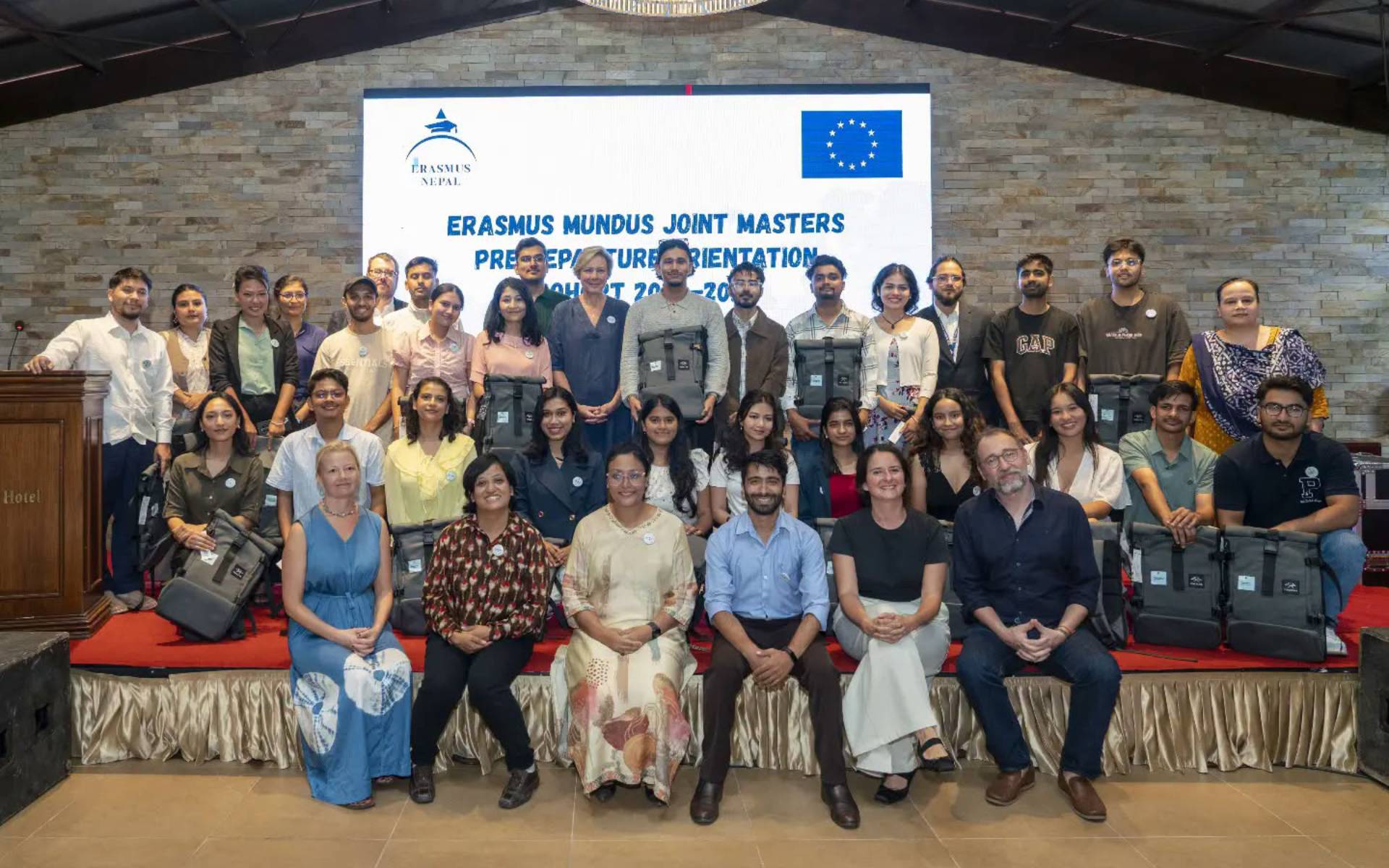
Kathmandu: The Delegation of the European Union (EU) to Nepal marked International Youth Day 2026 with full-day activities bringing together students, Erasmus scholars and alumni, entrepreneurs, civil society organizations, innovators, private-sector partners, and youth leaders. The programme connected three events, the Erasmus Mundus Pre-Departure Orientation, EU Youth Fest 2026 and EU Youth Alumni Day, highlighting opportunities for young people in digital skills, innovation, and entrepreneurship.
H.E. Veronique Lorenzo, Ambassador of the EU to Nepal, delivered her welcome remarks during the opening ceremony where she congratulated everyone on celebrating the International Youth Day 2026. She expressed gratitude to everyone who attended the fest and encouraged everyone to explore and enjoy the different activities that were presented during the fest.
The opening ceremony was followed by a keynote speech by the founders of Incessant Rain Studios, Kiran Bhakta Joshi and Deepa Chipalu Joshi. They gave a brief introduction of their organization and further discussed Nepal’s role and potential in breaking into animated films.They also introduced and gave a sneak peek to their upcoming animated film ‘Lost in Mandala’.
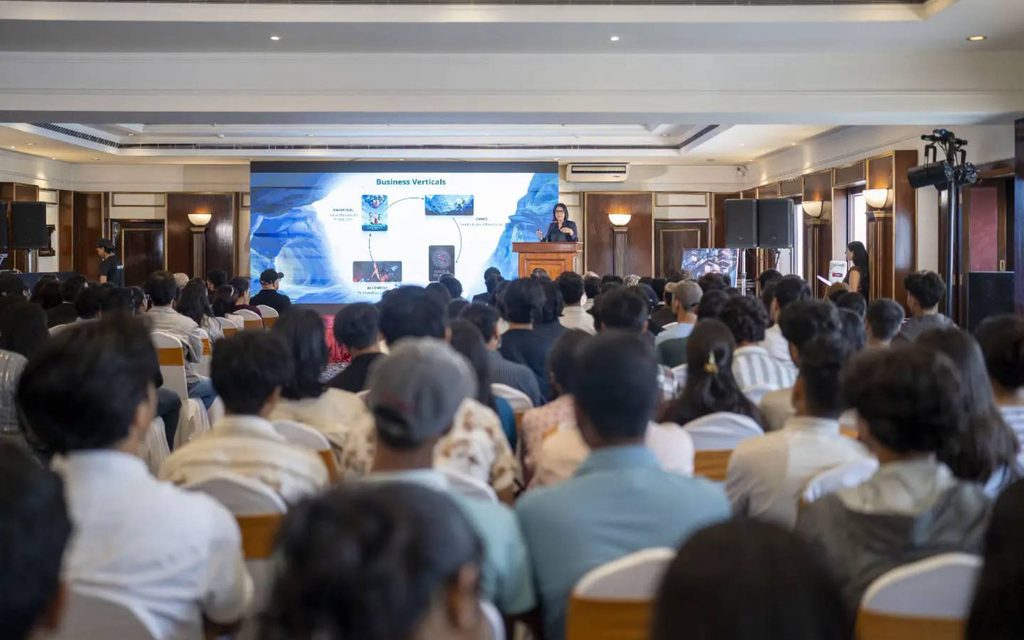
‘Lost in Mandala’ is a fantasy adventure following a 12-year-old girl and her friends who become trapped in a mysterious alternate dimension. Joshi explained that the film is almost like ‘Alice in Wonderland’ mixed with Nepal’s spiritual traditions, mythology, and landscapes of the Himalayas. ‘Lost in Mandala’ is billed as Nepal’s first animated feature film created for the global market. It is set to reach audiences in Nepal and selected international regions through a distribution partnership with Apple Entertainment Pvt. Ltd.
At the Youth Fest, the EU Delegation also marked the launch of two new grants worth a combined EUR 1.91 million: Creating Opportunities for Youth in Digital Economy (CODE) and Unleashing Digital Acceleration and Ambition of Nepali Youth (UDAAN). The implementing partners are Swisscontact, Restless Development and Robotics Association of Nepal (for the CODE project) and Youth Innovation Lab, Women in Animation, Heifer Project Nepal and the Nepal Applied Mathematics and Informatics Institute for Research (NAAMII) for UDAAN. The initiatives will engage young people across all seven provinces, with a focus on digital skills, employability, entrepreneurship and innovation, particularly for young women, rural communities, and vulnerable and marginalised groups.
“One of Nepal’s greatest resources is its youth. Young people are dynamic, energetic, and full of potential. But this potential must be matched by investment in skills, opportunity, and employment,” said Ambassador Lorenzo. “That is what the new EU initiatives are about. They aim to help bridge the digital divide and ensure that the benefits of technology reach those who have too often been left behind.”
The first expert-led session entitled ‘Use of AI, Ethics, and Bias’ was facilitated by Labbi Karmacharya, Technical Architect at Equitech Futures and Lecturer at Islington College, and Deepson Shrestha, Associate Engineering Manager at Maitri Services. The session explored where AI already sits in everyday life, how people are using it, and where it should not be used at all. It went into great depth regarding the advantages as well as the disadvantages of using AI and how it can be used more ethically. It looked at the biases in AI-generated outputs and at the questions of ethics and governance that follow.
The second expert-led session, ‘Flash Hackathon,’ was facilitated by Swastika KC and Manyata Pokharel from the Youth Innovation Lab and Drabid Subedi from NAAMII. The hackathon was a guided session in which the facilitators introduced the participants to the use of AI for web application development. Participants were then given a problem statement for which they used AI chat tools to create their own web application.
‘Introduction to Animation,’ the third expert-led session facilitated by Achellis Thapa Magar, offered a short introduction to 3D animation. Participants received a brief overview of the production pipeline and 3D workflow behind an animated film. The facilitator introduced core concepts of storytelling and concept development, encouraging the participants to sketch out their own ideas in a short interactive exercise.
The session was important for the participants who are interested in animation but don’t know where to start as it was beginner-friendly and allowed the participants to generate new ideas that they can bring into the animation industry.
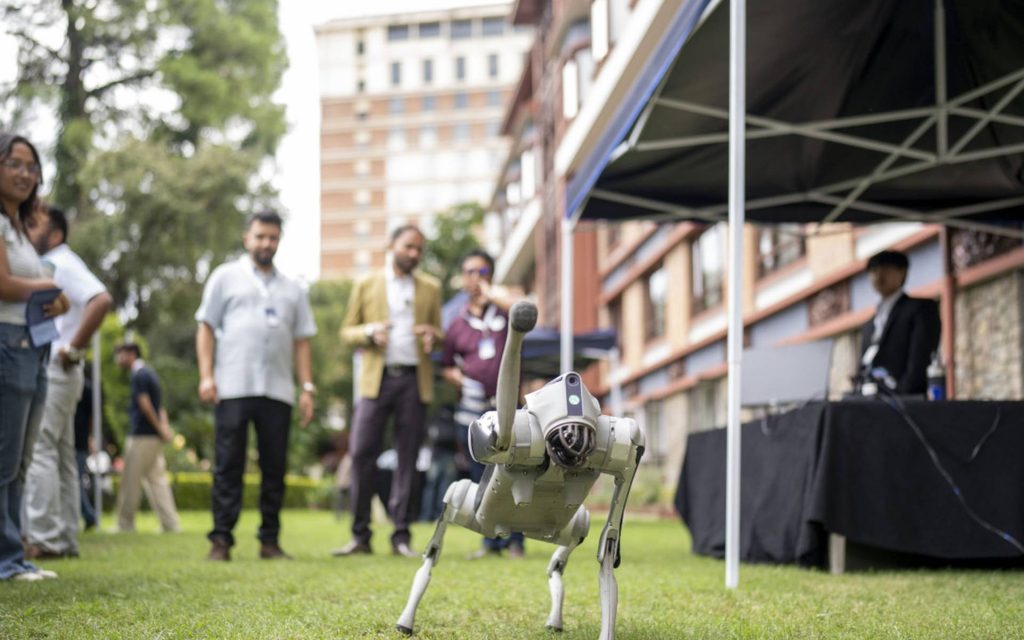
The Youth Fest also included an Innovation Expo which showcased information, products, and innovations from EU partner organizations, including Youth Innovation Lab, Swisscontact, Women in Animation, NAAMII, Restless Development, and the Robotics Association of Nepal.
Participants were invited to explore the exhibition booths, observe demonstrations, interact with team members, and take part in a range of engaging activities. The booths showcased various products and interactive innovations that engaged multiple participants throughout the fest. The Innovation Expo allowed participants to also explore various engaging activities alongside the expert-led sessions.
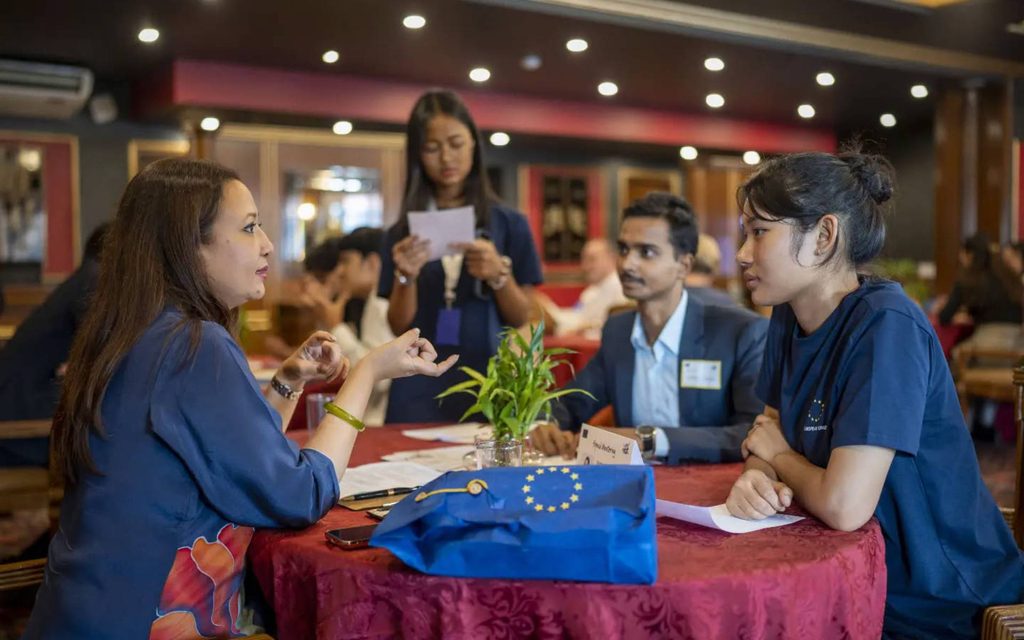
Two rounds of speed mentoring, one hour each, took place during the event. The speed mentoring session brought together 23 mentors with university students and recent graduates, providing mentees with opportunities to connect with experienced professionals working in entrepreneurship, innovation, technology, leadership, education, and social impact.
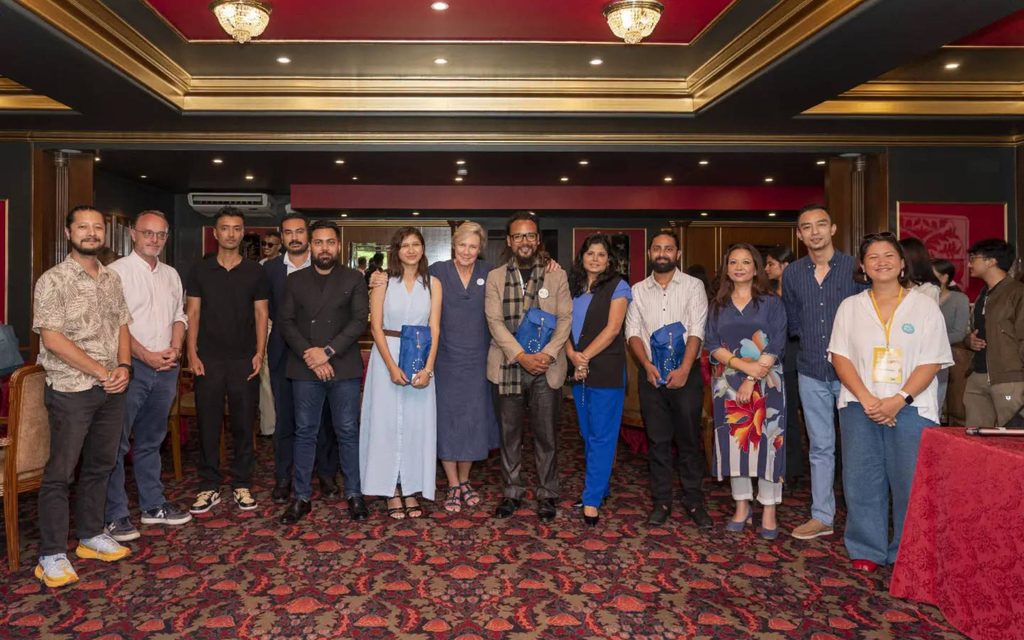
Designed to facilitate short, focused conversations, it offered participants the opportunity to gain insights, seek advice, expand their professional networks, and build connections that can continue beyond the event. The mentoring sessions consisted of four rotations, allowing participants to interact with different mentors and leave with valuable advice and insights relevant to their respective career paths.
Expert-led sessions were followed by an information session on “Applying for Erasmus+ Programme,” conducted by Erasmus Nepal. The session provided an overview of the Erasmus+ programme and the study and mobility opportunities available to Nepali students. It also offered a ‘step-by-step’ process on finding a suitable program for one’s academic field and applying for the Erasmus Mundus programmes. Participants were briefed about the application process, key application timelines, eligibility requirements, required documents, and practical tips for preparing a strong application.
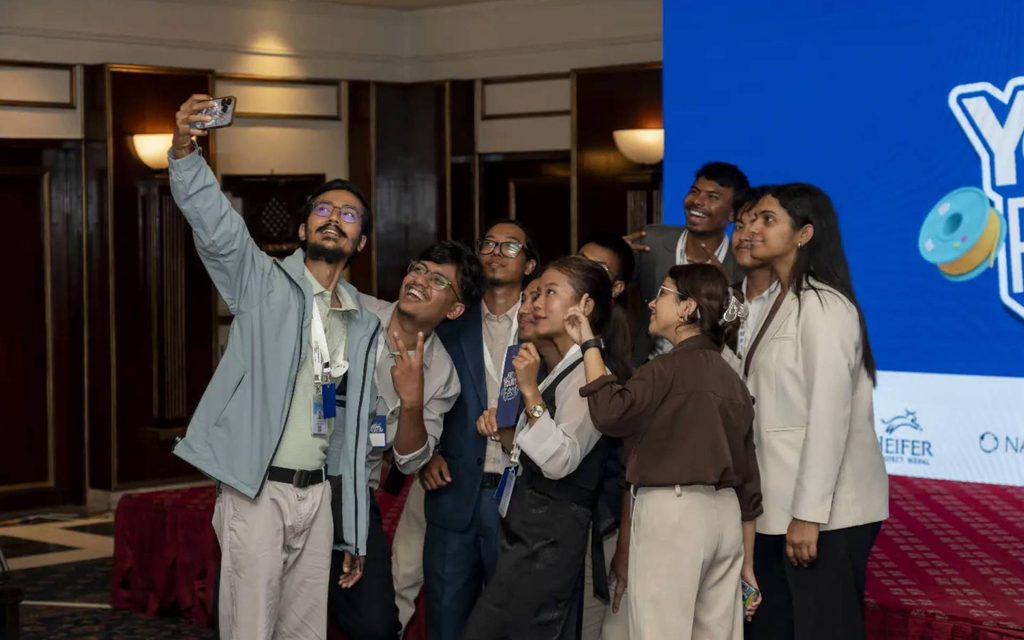
More than 1,500 young people attended the EU Youth Fest 2026, where they received guidance and mentorship from seasoned professionals and had the opportunity to learn about emerging industries such as animation, robotics and artificial intelligence, alongside hands-on experiences including 3D modelling and printing, drone simulations and AI-powered games.
Alongside the Youth Fest, the EU marked EU Youth Alumni Day, bringing together EU Youth Alumni, youth organisations and partners to showcase youth-led initiatives across the EU’s areas of action, including circular economy, green growth, quality education, climate action and youth participation. The gathering offered alumni a platform to share success stories and discuss future cooperation.