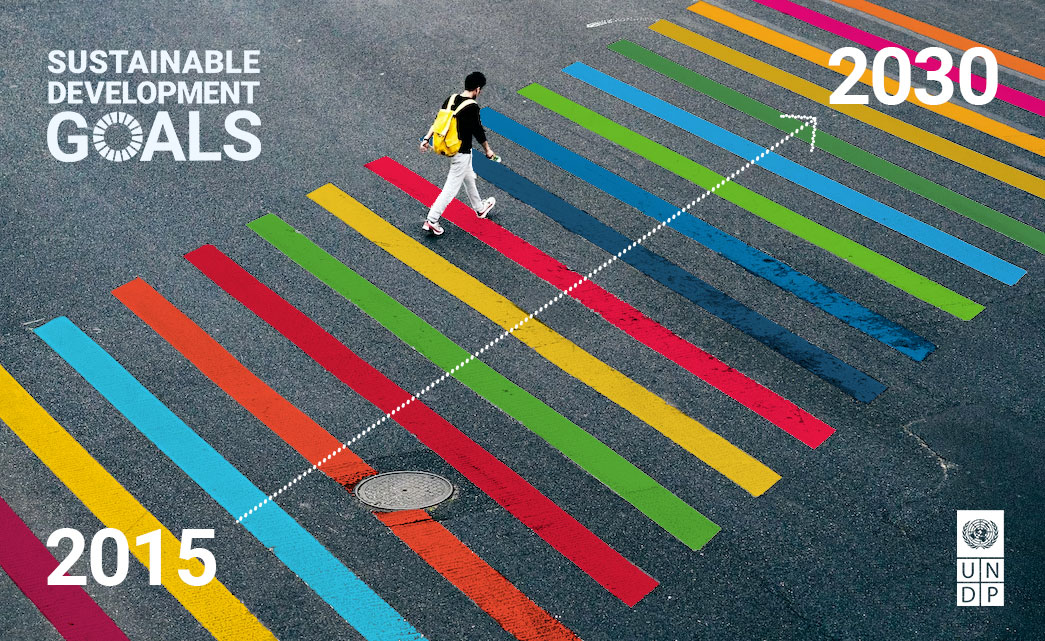
Poverty is a multidimensional condition in which individuals or households lack sufficient income, resources, and capabilities to meet basic needs such as food, clean water, shelter, healthcare, education for survival and opportunities to live with dignity. Recognizing this broader reality, the United Nations World Summit for Social Development defined poverty as a denial of choices and opportunities and a violation of human dignity (UN, 1995). This understanding later shaped the Sustainable Development Goals (SDGs), adopted in 2015, where SDG 1: No Poverty was placed at the top of the global agenda, committing countries to end poverty in all its forms by 2030 (UN, 2015).
Globally, significant progress in poverty reduction was achieved between the 1990s and the late 2010s, largely due to economic growth and expanded social protection in developing countries. However recent global crises—including the COVID-19 pandemic, climate change, geopolitical conflicts, and economic instability—have reversed or slowed this progress. According to the World Bank and the United Nations Statistics Division, around 808 million people worldwide still live in extreme poverty, defined as surviving on less than USD 2.15 per day , making the achievement of SDG 1 increasingly challenging (World Bank, 2023).
South Asia has experienced notable reductions over the past few decades. Economic growth, improved access to education and healthcare, and expanded social safety nets have contributed to this progress. By 2024, the regional poverty headcount ratio at USD 3.00 per day had declined to approximately 3.8 percent (World Bank, 2024).
Nepal’s poverty reduction story reflects both remarkable success and persistent challenges. Extreme poverty in Nepal fell dramatically from over 55 percent in the mid-1990s to less than 0.4 percent by 2022, placing Nepal among the fastest poverty-reducing low-income countries (World Bank, 2022). This progress has been driven by expanded access to basic services, infrastructure development, social protection programs, and most notably, remittances from foreign employment, which have become a crucial source of household income.
However, when poverty is measured beyond income alone, the situation becomes more complex. Approximately 20 percent of Nepal’s population still lives below the national poverty line, indicating that a significant portion of citizens continue to struggle with basic needs such as nutrition, housing, healthcare, and education (National Planning Commission, 2022). Nepal’s Multidimensional Poverty Index (MPI) shows improvement, declining from 30.1 percent in 2014 to 17.4 percent in 2019, reflecting gains in health, education, sanitation, and living standards (UNDP, 2020). Even so, millions of Nepalis continue to face overlapping disadvantages that make escaping poverty difficult and insecure.
Poverty in Nepal is also deeply unequal. Rural areas experience significantly higher poverty rates than urban centers, and remote provinces such as Karnali and Sudurpaschim remain particularly vulnerable. Socially marginalized groups—including women, Dalits, indigenous nationalities, and landless households—are disproportionately affected due to long-standing structural inequalities in access to education, land ownership, financial services, and decent employment opportunities (CBS, 2021). These disparities highlight the need for inclusive and targeted policies to truly achieve SDG 1.
One critical yet often overlooked driver of persistent poverty in Nepal is political instability. Frequent changes in government, fragile coalitions, and inconsistent policy priorities have weakened institutions and disrupted long-term development planning. Political instability has delayed infrastructure projects, discouraged private investment, and undermined effective service delivery, all of which directly affect job creation and poverty reduction. Without stable governance and consistent implementation of development policies, poverty reduction gains remain fragile.
Nepal’s economic structure also reinforces vulnerability. Limited domestic employment opportunities push a large share of the workforce to seek jobs abroad. While remittances have helped reduce income poverty, heavy dependence on foreign labor migration has not led to sustainable economic transformation. Agriculture, which employs a large portion of the population, remains characterized by low productivity due to traditional farming methods, fragmented landholdings, inadequate irrigation, and weak market connections. In addition, Nepal’s high exposure to climate change, natural disasters, and economic shocks places many households at constant risk of falling back into poverty.
Achieving SDG 1: No Poverty in Nepal therefore requires more than short-term poverty alleviation. Political stability and good governance must be treated as foundational priorities. Stable leadership enables long-term policy continuity, effective implementation of poverty reduction programs, and efficient use of public resources. Strengthening institutions, improving transparency, and enhancing coordination among federal, provincial, and local governments can significantly improve development outcomes.
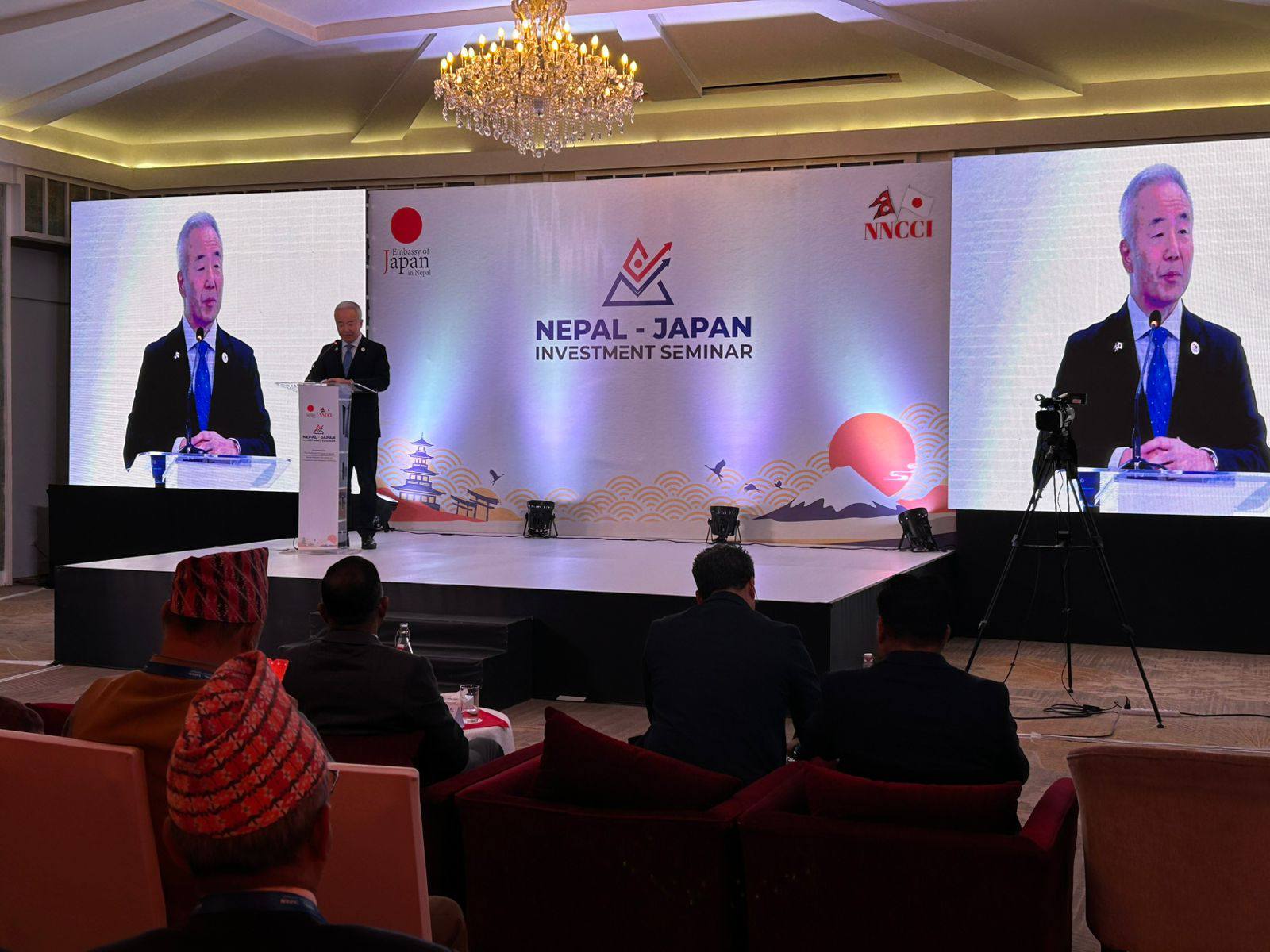
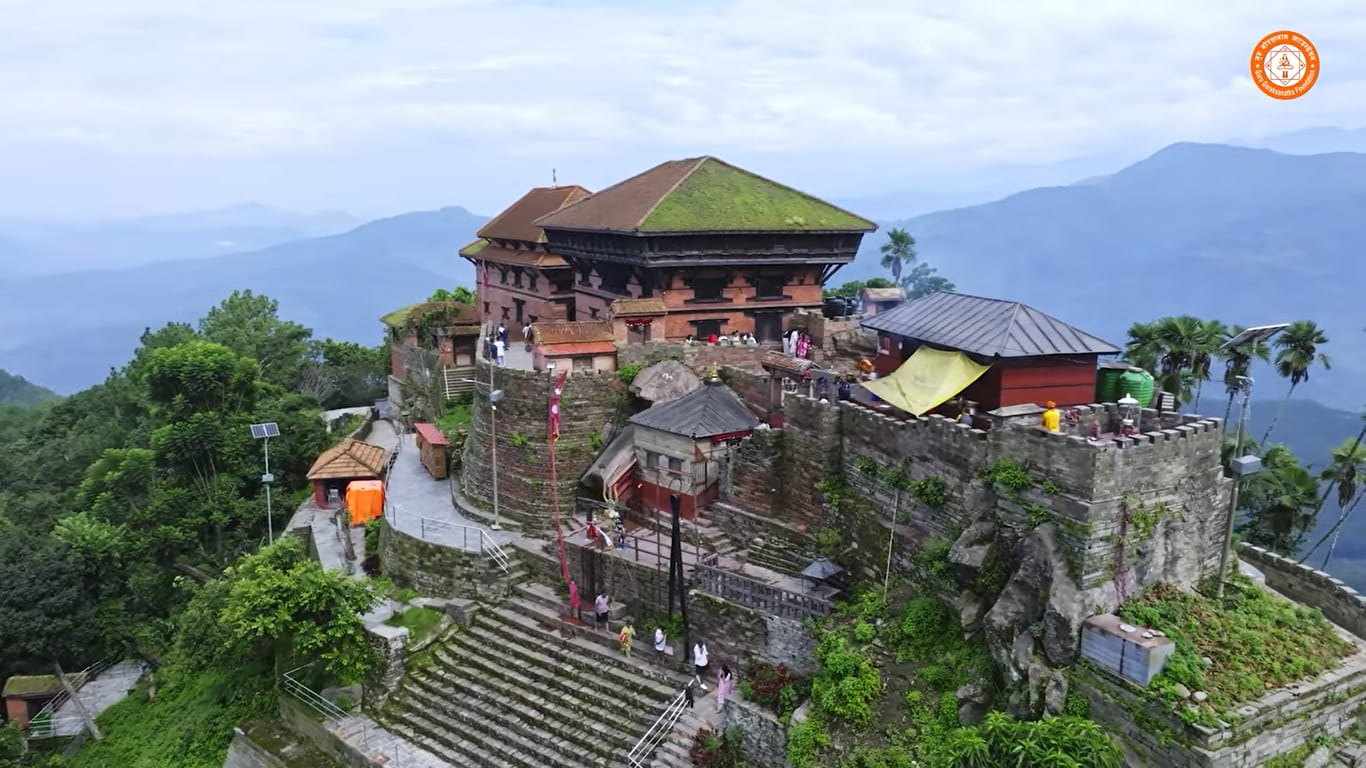
At the sectoral level, agriculture, tourism, and hydropower offer strong potential for inclusive growth. Modernizing agriculture through irrigation, technology, extension services, agro-processing, and improved market access can raise rural incomes. Nepal’s rich natural and cultural heritage provides opportunities for sustainable and community-based tourism, particularly in remote regions. Likewise, harnessing Nepal’s vast hydropower potential can support industrial growth, energy security, and employment generation.
Investment in human capital remains equally vital. Improving education quality, expanding technical and vocational training, strengthening healthcare systems, and enhancing social protection will ensure that economic growth benefits all segments of society. Encouraging productive use of remittances and promoting climate-resilient development strategies will further support sustainable poverty reduction.
Nepal can make remarkable progress in reducing poverty and advancing toward SDG 1, however multidimensional poverty, inequality, and vulnerability still remain critical challenges. Without political stability, development efforts risk remaining fragmented and unsustainable. A stable political environment, combined with inclusive economic growth, social protection, and effective governance, is essential for building a poverty-free and dignified Nepal by 2030.