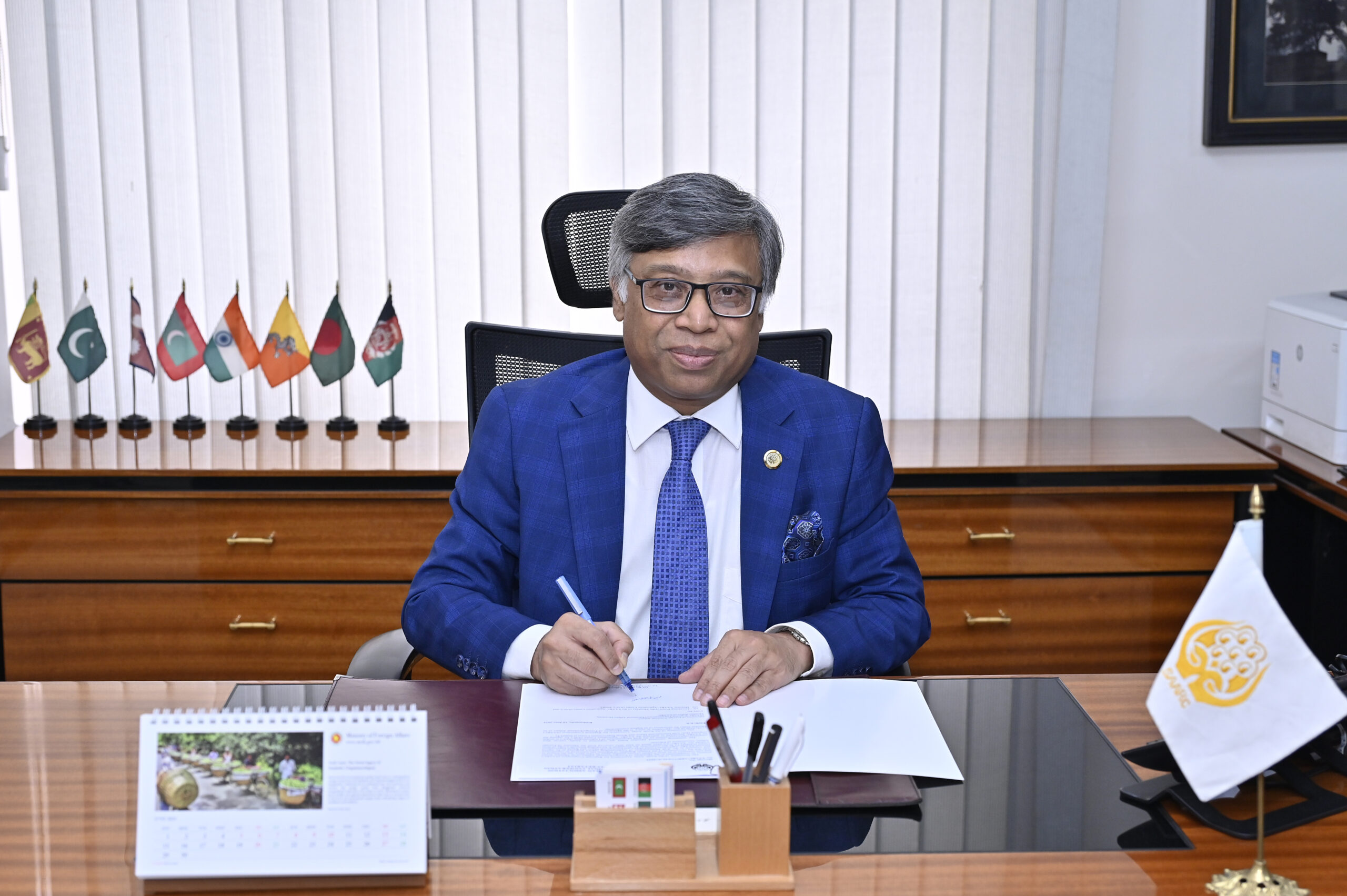
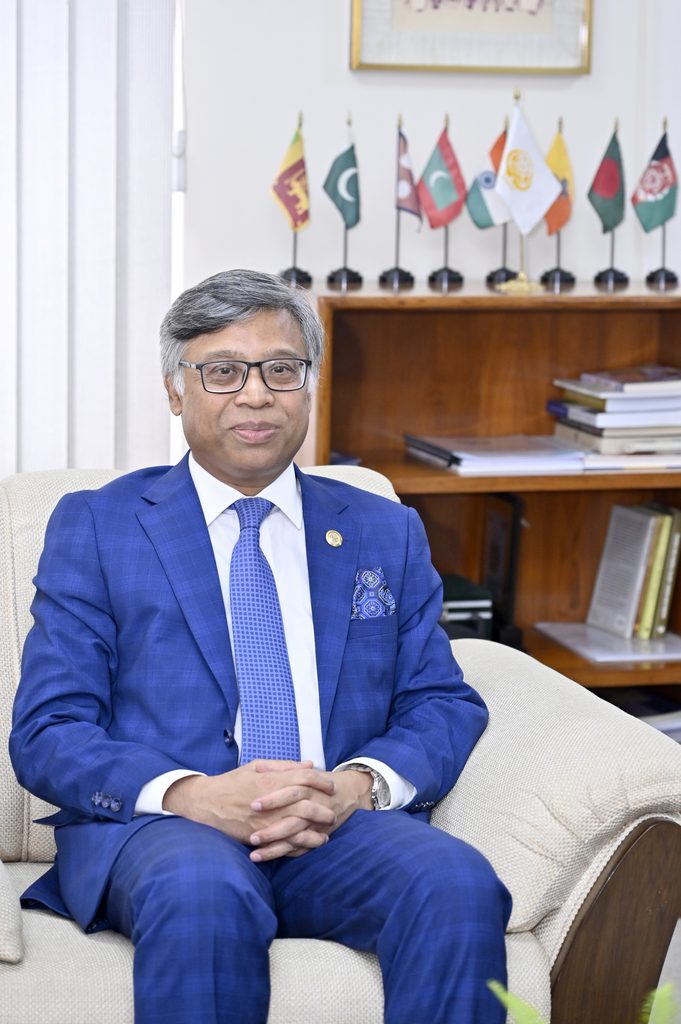
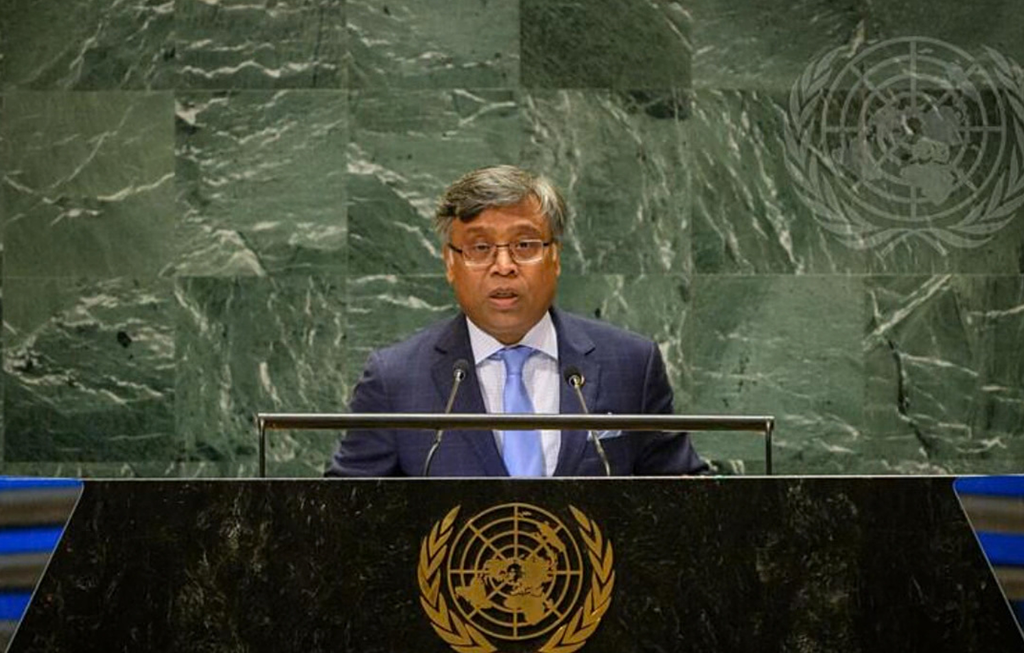
The South Asian Association for Regional Cooperation (SAARC), comprising eight Member States—Afghanistan, Bangladesh, Bhutan, India, Maldives, Nepal, Pakistan, and Sri Lanka—with its Secretariat headquartered in Kathmandu, remains an important regional organization for Nepal and the wider South Asian region. However, questions about SAARC’s relevance have grown as the regional grouping has not convened a summit since 2014. In this context, how can SAARC revitalize itself as a vibrant organization? What are its major achievements? And what potential does it hold for South Asia and its Member States? In an exclusive conversation with The Diplomat Nepal, H.E. Md. Golam Sarwar, Secretary General of SAARC, shares his perspectives on the organization’s relevance, potential, and future in the region.
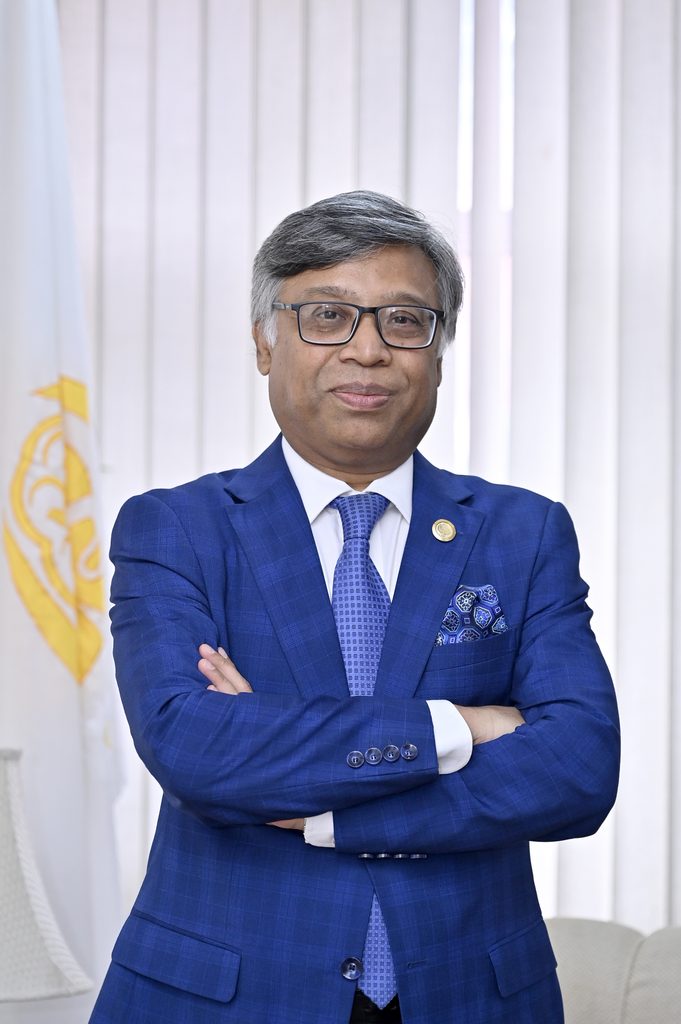
To begin with, how would you assess the current state of SAARC and its relevance in today’s evolving regional and global landscape?
Established on December 8, 1985, the South Asian Association for Regional Cooperation (SAARC) was founded on an enduring premise: to elevate the lives of South Asian citizens through economic growth, social progress, and regional solidarity. Assessing SAARC fairly requires looking beyond temporary political standstills and evaluating its four-decade journey in full context. While the pace of integration has not always matched public ambition, the foundational framework built over these years remains vital.
Today, SAARC’s relevance is heightened by two driving realities:
First, regional cooperation is no longer a diplomatic preference but a strategic imperative. Home to nearly one-quarter of humanity, South Asia boasts one of the world’s youngest populations, dynamic digital economies, and massive untapped potential in trade, energy, and innovation. Concurrently, pressing challenges—from climate vulnerability and food insecurity to pandemic risks—demand solutions no single nation can deliver in isolation. Equally important, the SAARC Social Charter has provided a common regional framework for addressing poverty alleviation, education, health, gender equality, youth empowerment, and the welfare of vulnerable communities, underscoring that regional integration must be people-centered as well as economically driven.
Second, the blueprint for deep integration already exists. Rather than needing to build from scratch, South Asia possesses a fully established institutional architecture across every major sector:
The South Asian Preferential Trading Arrangement (SAPTA) laid the foundation for regional trade liberalization, eventually evolving into the South Asian Free Trade Area (SAFTA). Together with the SAARC Framework Agreement for Energy Cooperation and the SAARC Development Fund (SDF), these initiatives have created important frameworks for trade, connectivity, energy cooperation, and regional development. Networks such as SAARC FINANCE continue to connect central banks and finance ministries in promoting policy dialogue and financial cooperation across the region.
Key regional bodies—including the South Asian University (SAU), SAARC Energy Centre (SEC), SAARC Agriculture Centre (SAC), Food Bank, and Disaster Management Centre (SDMC)—address core human, developmental, and environmental needs through practical regional collaboration.
Apex bodies such as the SAARC Chamber of Commerce and Industry (SCCI), SAARCLAW, and professional organizations, including SAFA and SAFE, have strengthened people-to-people and institutional linkages among business leaders, legal professionals, and financial experts across South Asia.
Thus, the core challenge facing South Asia is not an absence of mechanisms, but the need to revitalize political commitment, streamline policy execution, and allocate the resources necessary to fully unlock these platforms. As geopolitical dynamics shift and global growth pivots toward Asia, South Asia’s two billion people represent an unprecedented engine for prosperity. SAARC remains the region’s premier vehicle for dialogue, trust-building, and collective action—and its most transformative chapter may still lie ahead.
SAARC has completed four decades since its establishment in 1985. In your view, what are its most significant achievements in advancing regional cooperation and solidarity?
SAARC’s defining legacy over the past four decades goes beyond formal treaties: it has kept the idea of South Asian regionalism alive. It remains the only inclusive forum where eight diverse nations come together around a shared vision of peace, development, and shared prosperity. Regional organizations should not be evaluated solely by political summits, but by the institutions they create, the cooperation they sustain, and the trust they gradually build over time.
Among SAARC’s most significant achievements, five stand out:
One, the South Asian University (SAU) stands as one of SAARC’s most visionary initiatives. By bringing together students and scholars from across the region, it promotes academic excellence while fostering cross-border understanding, lifelong professional networks, and a generation of future regional leaders.
Two, SAARC established the South Asian Preferential Trading Arrangement (SAPTA) as the region’s first structured trade liberalization framework, creating the basis for preferential market access among member states. Building on this foundation, the South Asian Free Trade Area (SAFTA) significantly expanded regional trade cooperation and laid the institutional groundwork for deeper economic integration.
Three, the adoption of the SAARC Social Charter represented a landmark commitment to human development by placing poverty alleviation, education, healthcare, gender equality, youth development, and social inclusion at the center of the regional agenda. It affirmed that the success of regional cooperation should ultimately be measured by improvements in the lives and well-being of South Asia’s people.
Four, through the SAARC Development Fund (SDF) and specialized regional centres, SAARC has translated policy commitments into practical cooperation. These institutions have supported cross-border initiatives in public health, sustainable agriculture, disaster management, energy cooperation, and social development, generating tangible benefits across the region.
And five, key agreements—including SAFTA, the SAARC Regional Convention on Suppression of Terrorism, the Food Bank, and the Visa Exemption Scheme—have established important legal and institutional frameworks for enhancing trade, strengthening regional security cooperation, improving disaster response, and facilitating greater mobility among designated categories of citizens.
Ultimately, SAARC’s greatest achievement has been laying the institutional, legal, and normative foundations for an integrated South Asia. Through initiatives such as the SAARC Social Charter, SAPTA, SAFTA, the South Asian University, and the SAARC Development Fund, it has demonstrated that regional cooperation extends beyond diplomacy to encompass economic integration, social development, and people-to-people connectivity. As South Asia navigates the opportunities and challenges of the twenty-first century, these enduring institutions and frameworks will remain indispensable for building trust, resilience, and shared prosperity.
Despite shared history and geography, South Asia remains one of the least economically integrated regions in the world. What practical and realistic steps can SAARC Member States take to strengthen trade, connectivity, and regional value chains?
South Asia presents one of the world’s greatest economic paradoxes. Our countries share borders, rivers, cultures, and centuries of interconnected history, yet intra-regional trade accounts for barely five percent of total trade—far below the levels seen in ASEAN and the European Union. This represents not merely a lost economic opportunity but a missed opportunity for regional prosperity.
Unlocking South Asia’s enormous potential requires political vision, practical reforms, and sustained regional cooperation.
First, rebuild political confidence. The immediate priority should be convening the long-overdue 19th SAARC Summit. Regular engagement among leaders is indispensable for rebuilding trust and generating momentum. Informal retreats alongside formal meetings can also encourage candid dialogue and help foster the personal confidence that often underpins successful regional cooperation.
Second, insulate economic cooperation from political differences. Areas such as trade facilitation, energy connectivity, transport, and humanitarian cooperation should continue to advance regardless of broader political challenges. Regional development should not become a casualty of political fluctuations.
Third, modernize trade and connectivity. While tariffs have declined under SAFTA, non-tariff barriers remain a major obstacle. Member States should introduce fully digital customs procedures, single-window border systems, harmonized standards through the South Asian Regional Standards Organization (SARSO), paperless trade, and faster cross-border logistics. Reducing delays at borders would significantly lower business costs and enhance regional competitiveness.
Fourth, build regional value chains. Rather than competing in isolation, South Asian economies should capitalize on their complementary strengths. Integrated production networks in textiles, pharmaceuticals, agriculture, information technology, renewable energy, and manufacturing can generate employment, attract investment, and increase the region’s global competitiveness.
Fifth, accelerate regional energy integration and digital connectivity. A South Asian regional electricity market—drawing on Nepal and Bhutan’s hydropower alongside the region’s growing solar and wind resources—could strengthen energy security while supporting sustainable industrialization. Likewise, interoperable digital payment systems and digital trade platforms would greatly facilitate commerce, tourism, and entrepreneurship.
Economic integration is no longer simply an economic objective. It is a strategic imperative. In an increasingly uncertain global economy, closer regional cooperation offers South Asia the best pathway to resilience, competitiveness, and inclusive growth.
If South Asia can transform its borders from barriers into bridges, the region has every opportunity to emerge as one of the world’s most dynamic centres of trade, innovation, and shared prosperity.
Political differences have often affected the continuity of SAARC processes. How do you believe regional cooperation can be sustained and strengthened in such a complex geopolitical environment?
Political differences are an undeniable reality in every region, and South Asia is no exception. Recognizing this from the outset, the founding leaders of SAARC wisely incorporated an important safeguard into the SAARC Charter. Article X explicitly excludes bilateral and contentious issues from the Association’s deliberations, enabling Member States to cooperate on areas of common interest despite political differences.
This principle remains as relevant today as it was four decades ago.
To sustain and strengthen regional cooperation in today’s complex geopolitical environment, I believe several practical approaches are essential.
First, reinforce the functionalist approach to regional cooperation. Member States should continue to prioritize areas where cooperation delivers direct benefits to their people—such as climate resilience, disaster management, public health, food security, poverty reduction, energy cooperation, and scientific collaboration. Progress in these sectors should not be held hostage to political disagreements.
Second, empower SAARC’s technical institutions. Specialized bodies and regional centres, including the SAARC Agriculture Centre, Energy Centre, Cultural Centre, TB & HIV AIDS Centre, the South Asian University, and other technical institutions, provide neutral platforms where experts can work together to address shared challenges. Strengthening these institutions helps maintain the momentum of cooperation even during periods of political difficulty.
Third, deepen economic interdependence. Experience around the world demonstrates that countries with stronger economic ties are more likely to sustain dialogue and cooperation. Modernizing SAFTA, reducing non-tariff barriers, improving transport connectivity, and expanding regional value chains would create shared economic interests that reinforce political stability.
Fourth, invest in people-to-people diplomacy. Academic exchanges, cultural cooperation, tourism, youth engagement, media interaction, and business networks create trust that extends beyond governments. These relationships preserve goodwill, strengthen regional identity, and help maintain continuity even when official political engagement slows.
Ultimately, regional cooperation is built on pragmatism as much as politics. By focusing on shared interests, strengthening institutions, and expanding economic and human connectivity, SAARC can continue to move forward while remaining faithful to its founding principles.
The vision of a South Asian Economic Union remains a long-term aspiration. Every practical step that enhances trust, connectivity, and economic cooperation today brings the region closer to that shared future.
In a world increasingly shaped by competing geopolitical and economic blocs, how can SAARC position itself as a relevant and effective regional platform?
The international landscape is becoming increasingly fragmented, marked by geopolitical competition, economic uncertainty, technological rivalry, and growing pressure on multilateral institutions. In such an environment, regional cooperation is no longer optional—it has become a strategic necessity.
For South Asia, this presents not only challenges but also significant opportunities.
SAARC can enhance its relevance by evolving into a more pragmatic, action-oriented platform that delivers tangible benefits to the people of the region. Its effectiveness should be measured not by political rhetoric, but by practical outcomes.
First, we need to preserve the spirit of the SAARC Charter by separating development cooperation from political disputes. Member States should intensify collaboration in areas where interests clearly converge, including climate action, disaster risk reduction, public health, food security, digital connectivity, and cross-border energy cooperation. These are shared challenges that require shared solutions.
Second, we need to embrace greater flexibility in regional cooperation. While consensus remains important, willing Member States should be encouraged to move forward with mutually beneficial initiatives in trade, connectivity, technology, and infrastructure, allowing successful models to expand over time.
Third, we need to make the private sector, academia, and innovation ecosystems central partners in regional integration. Businesses, universities, research institutions, startups, and young entrepreneurs are powerful drivers of economic transformation. Strengthening regional trade, digital payments, innovation partnerships, and academic collaboration will create a stronger foundation for sustainable cooperation.
SAARC should also work in complementarity with other regional initiatives such as BIMSTEC, IORA, and ASEAN. These platforms need not compete; rather, they can reinforce one another and broaden South Asia’s engagement with the wider Indo-Pacific and global economy.
Ultimately, SAARC’s future will not depend on resolving every political difference overnight. It will depend on demonstrating its practical value by improving connectivity, strengthening resilience, expanding economic opportunities, and addressing the common challenges faced by nearly two billion people.
A revitalized SAARC can become not only South Asia’s principal platform for regional cooperation but also a credible and respected voice in an increasingly multipolar world.
Climate change, food insecurity, and disaster risks continue to disproportionately affect South Asia. How can Member States deepen collective action to address these shared vulnerabilities?
Climate change, food insecurity, and disaster risks are among the defining challenges of our time, and South Asia stands on the frontline of each of them. These threats transcend national borders, making regional cooperation not simply desirable but indispensable.
Fortunately, SAARC has already established a solid foundation for collective action.
The SAARC Agreement on Rapid Response to Natural Disasters provides a regional framework for timely humanitarian assistance, while the Thimphu Statement on Climate Change has guided regional cooperation on climate resilience for more than a decade. Likewise, the SAARC Food Bank and SAARC Seed Bank serve as an important mechanism to strengthen food security and support Member States during emergencies.
The challenge today is not the absence of regional frameworks—it is ensuring their full and effective implementation.
Member States can deepen cooperation by focusing on practical, results-oriented initiatives. These include strengthening regional early warning systems, improving disaster preparedness and emergency response, promoting climate-resilient agriculture, enhancing water resource management, expanding the exchange of technology and expertise, and investing in research and innovation that benefits the entire region.
Equally important is strengthening institutional cooperation. Regular policy dialogue, measurable regional action plans, and closer collaboration with development partners, international organizations, and the private sector can significantly enhance South Asia’s collective capacity to respond to climate and disaster-related challenges.
Technical cooperation should continue irrespective of political differences. Climate change does not recognize borders, nor do floods, cyclones, earthquakes, pandemics, or food crises. Protecting the lives and livelihoods of nearly two billion people must remain a common regional priority.
South Asia also has an opportunity to speak with a stronger, more unified voice in global climate negotiations. Although the region contributes only a small share of global greenhouse gas emissions, it bears a disproportionate burden of climate impacts. A coordinated regional position would strengthen South Asia’s ability to advocate for climate justice, mobilize greater climate finance, facilitate technology transfer, and secure enhanced support for adaptation and capacity building.
Ultimately, resilience is built through cooperation. By fully implementing existing agreements, strengthening regional institutions, investing in preparedness, and presenting a united voice on the global stage, SAARC Member States can transform shared vulnerabilities into opportunities for sustainable development, regional solidarity, and a more secure future.
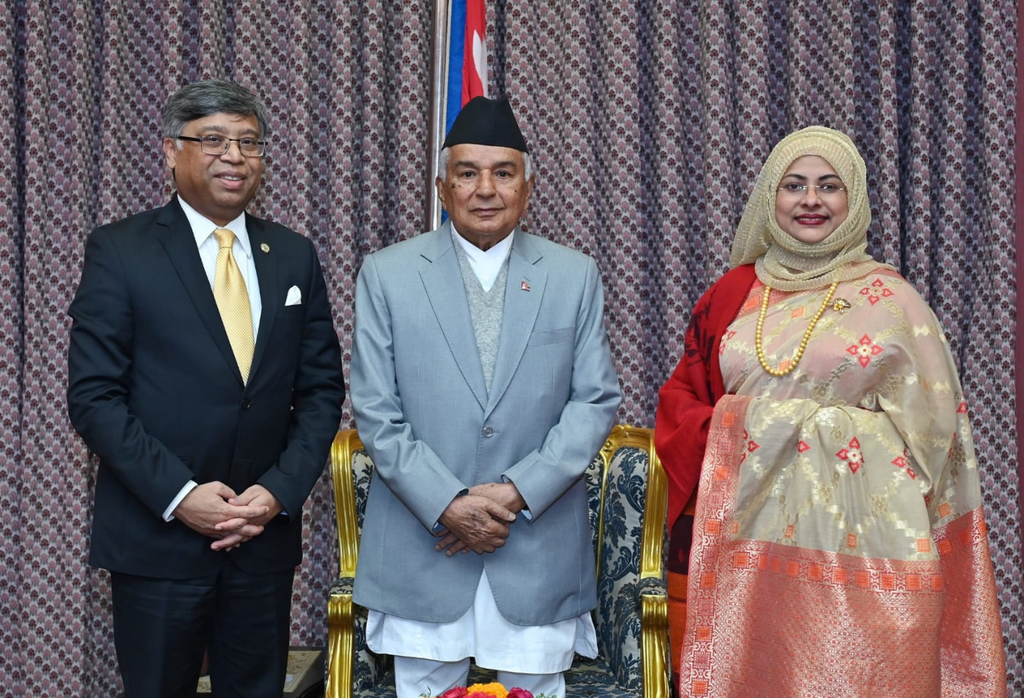
South Asia is home to rich civilizational, cultural, and historical linkages. How important is cultural and people-to-people diplomacy in rebuilding trust and strengthening regional cohesion?
South Asia’s greatest strength lies not only in its geography but in its shared civilizational heritage. Across our region, centuries of common history have woven together languages, literature, philosophies, faiths, arts, music, cuisine, and family traditions. These enduring cultural bonds transcend political boundaries and provide a powerful foundation for regional understanding and cooperation.
Cultural and people-to-people diplomacy is therefore not a peripheral aspect of regional integration—it is one of its strongest pillars. While governments formulate policies, it is people who build lasting trust. Exchanges in education, culture, tourism, academia, sports, media, and youth programmes foster mutual understanding, dispel stereotypes, and create relationships that outlast political cycles.
An equally valuable asset is the South Asian diaspora, comprising an estimated 40-50 million people across the world. Through their achievements in business, science, technology, medicine, education, and public service, they have become influential ambassadors of South Asia. Their contributions through investment, entrepreneurship, remittances, innovation, and knowledge transfer already make a substantial contribution to the region’s development.
SAARC can further harness this tremendous resource by promoting stronger regional collaboration in professional networking, research partnerships, investment facilitation, innovation, labour mobility, and skills development. Such cooperation would not only strengthen economic ties but also deepen South Asia’s global presence.
The Association has already laid important foundations. At the Eighteenth SAARC Summit, our leaders reaffirmed their commitment to promoting the safe, orderly, and responsible management of labour migration to safeguard the welfare of South Asian migrant workers. Building on this commitment, SAARC can further strengthen cooperation to protect migrant workers’ rights while leveraging the immense potential of the South Asian diaspora.
Ultimately, regional integration is sustained not only by agreements among governments but by trust among people. The stronger our cultural exchanges, educational partnerships, and human connections become, the stronger our shared South Asian identity will be—and with it, the prospects for a more peaceful, cohesive, and prosperous region.
Digital transformation is reshaping governance, trade, and diplomacy globally. Do you see scope for SAARC to advance cooperation in areas such as digital governance, artificial intelligence, cybersecurity, and digital trade?
Absolutely. Digital transformation presents one of the greatest opportunities for advancing regional cooperation under SAARC. With nearly one-quarter of the world’s population, one of the world’s youngest workforces, rapidly expanding digital economies, and a vibrant innovation ecosystem, South Asia has the potential to emerge as a global leader in the digital age.
Importantly, digital cooperation is also among the least politically contentious areas of regional collaboration, making it an ideal platform for building confidence while delivering tangible benefits to our people.
SAARC already possesses an institutional foundation through its Working Group on Information and Communication Technology. Building on this platform, Member States can significantly expand cooperation in several strategic areas.
Sharing best practices in e-governance, digital identity, public service delivery, and digital inclusion can help governments become more efficient, transparent, and citizen-centric.
SAARC can encourage joint AI research, university partnerships, innovation networks, and common principles for the ethical and responsible use of AI. Collaborative research can help address shared challenges in healthcare, agriculture, education, disaster management, climate resilience, and multilingual digital services.
The region should promote startup collaboration, cross-border innovation hubs, technology incubators, and research partnerships. Greater cooperation in semiconductors, critical minerals, advanced manufacturing, and digital infrastructure would strengthen regional technology value chains and improve South Asia’s long-term competitiveness.
As cyber threats increasingly transcend national borders, closer collaboration in cyber incident response, information sharing, digital forensics, cybercrime prevention, and capacity building has become essential for strengthening regional digital resilience. Equally pressing is the growing challenge of disinformation and misinformation disseminated through social media and digital platforms, which can undermine public trust, exacerbate social tensions, influence democratic processes, and strain interstate relations. Given the cross-border nature of these threats, South Asian countries would benefit from greater regional cooperation in combating online disinformation through timely information sharing, coordinated fact-checking mechanisms, digital literacy initiatives, capacity building, and the exchange of best practices, while respecting freedom of expression and national legal frameworks. Such collective efforts would contribute to a more secure, resilient, and trustworthy digital ecosystem across the region.
Finally, harmonizing e-commerce regulations, promoting interoperable digital payment systems, expanding paperless trade, facilitating secure cross-border data flows, and improving digital connectivity would significantly reduce business costs, strengthen regional value chains, and create new opportunities—particularly for startups and micro small and medium enterprises (MSMEs).
While differences in digital infrastructure and regulatory frameworks remain, these should be viewed as opportunities for collaboration rather than obstacles. Through knowledge-sharing, technical assistance, pilot initiatives, and partnerships among governments, academia, the private sector, and development partners, South Asia can narrow the digital divide while accelerating innovation.
Digital cooperation is ultimately about more than technology—it is about expanding opportunity. By working together in artificial intelligence, digital governance, cybersecurity, digital trade, semiconductors, and other frontier technologies, SAARC can help South Asia leapfrog traditional development barriers and emerge as a dynamic knowledge-driven region in the global economy.
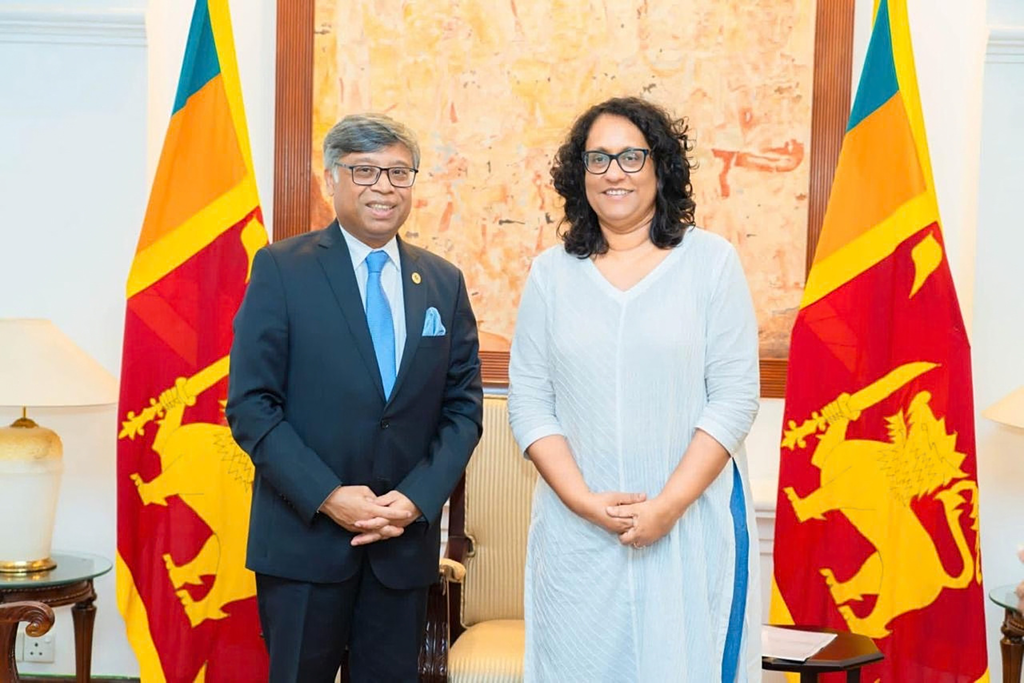
Tourism appears to remain a highly underutilized sector for regional integration in South Asia. Do you envision the possibility of a South Asian tourism circuit or coordinated regional tourism initiatives in the future?
Absolutely. I firmly believe South Asia has all the ingredients to become one of the world’s most attractive regional tourism destinations. Few regions can match South Asia’s extraordinary diversity. From the majestic Himalayas and pristine beaches to ancient civilizations, vibrant cities, sacred pilgrimage sites, rich biodiversity, and diverse cultures, the region offers an unparalleled range of experiences. Our shared heritage—reflected in centuries-old temples, monasteries, mosques, forts, palaces, archaeological treasures, and living traditions—makes South Asia uniquely positioned to attract visitors from across the globe.
Recognizing this enormous potential, SAARC identified tourism as a priority area of regional cooperation as early as its Second Summit in 1986. The Cox’s Bazar SAARC Action Plan on Tourism (2006) further advanced the vision of promoting South Asia as a single, integrated destination, supported by greater private-sector participation and coordinated regional initiatives.
The vision, therefore, already exists. Our challenge is to transform it into reality.
This will require practical measures such as easier travel, simplified visa procedures, improved air and land connectivity, modern tourism infrastructure, seamless digital travel services, and stronger collaboration among national tourism authorities and the private sector. Joint regional branding, multi-country travel packages, common tourism promotion, and integrated Buddhist, Hindu, Islamic, and eco-tourism circuits could significantly enhance South Asia’s global appeal.
Regional tourism is about far more than economic growth. It promotes cultural understanding, strengthens people-to-people connections, creates employment, supports local communities, and builds mutual trust among neighbouring countries.
I remain optimistic that, with stronger political commitment and practical cooperation, the vision of a South Asian tourism circuit can gradually become a reality. A more connected South Asia will not only attract more visitors but also bring our peoples closer together, reinforcing regional integration and contributing to shared prosperity.
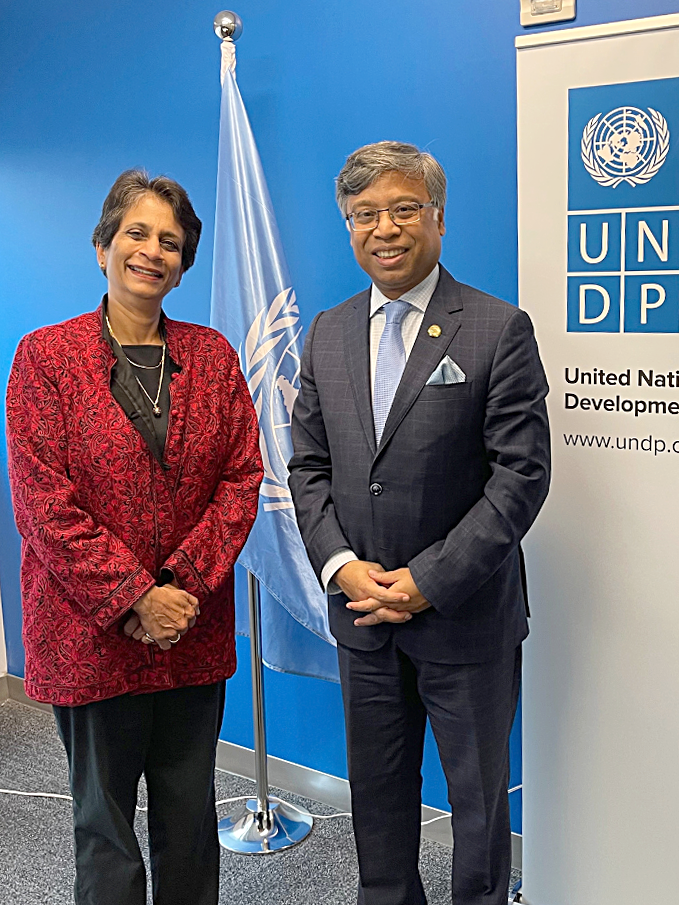
Academic and research institutions, such as the South Asian University, play a unique role in shaping regional understanding. How can such platforms contribute more effectively to nurturing a shared South Asian identity among youth?
As Secretary-General of SAARC, I consider the establishment of the South Asian University (SAU) one of SAARC’s most visionary and enduring achievements. Conceived at the 13th SAARC Summit in Dhaka in 2005 and operationalised in 2010, SAU was created not merely as a centre of academic excellence, but as an investment in South Asia’s shared future.
Its greatest strength lies beyond classrooms and research laboratories. Every day, students from across South Asia study, live, and grow together, building friendships that transcend borders, challenging inherited stereotypes, and discovering how much they have in common. These human connections are the strongest foundation for lasting regional understanding.
As the University continues to evolve, it can further deepen its regional impact by expanding collaborative research on common challenges such as climate change, public health, food security, artificial intelligence, energy, and sustainable development. Greater student and faculty exchanges, joint innovation programmes, regional policy dialogues, cultural festivals, and youth leadership initiatives would further strengthen a sense of shared purpose among the next generation.
South Asia’s greatest resource is not only its natural wealth or demographic strength—it is its young people. If we inspire them to think beyond national boundaries while respecting the diversity of our region, they will become the architects of a more peaceful, innovative, and prosperous South Asia.
Ultimately, regional integration is not built by governments alone. It is sustained by people. Institutions like the South Asian University are nurturing a generation for whom regional cooperation is not merely an aspiration, but a lived experience. That may well become SAARC’s most enduring legacy.
Could you highlight some of the lesser-known but impactful initiatives undertaken by SAARC that deserve greater public recognition?
SAARC is often viewed through the lens of high-level politics, yet its most meaningful achievements frequently occur away from the headlines. Beyond summit diplomacy, the Association has quietly built an extensive network of institutions, programmes, and partnerships that continue to improve the lives of millions across South Asia.
One of SAARC’s greatest accomplishments has been institution-building. The SAARC Development Fund (SDF) has financed numerous regional projects in health, education, livelihoods, social development, and infrastructure. The South Asian University has become a unique platform for nurturing regional understanding among young scholars, while the SAARC Food Bank strengthens collective preparedness during food emergencies. Equally significant is the SAARC Visa Exemption Scheme, which, for more than three decades, has facilitated the movement of academics, business leaders, journalists, professionals, and public officials, strengthening regional dialogue and cooperation.
Another important, though less visible, achievement is SAARC’s extensive technical cooperation. Through the Programming Committee, Specialized Bodies, and Regional Centres, experts from Member States meet regularly to exchange knowledge, develop common strategies, and implement collaborative programmes in agriculture, public health, trade, energy, climate change, disaster risk reduction, education, culture, and environmental sustainability. These initiatives quietly strengthen regional capacity in areas that directly affect people’s daily lives.
The SAARC Internship Programme is another initiative that deserves wider recognition. Every year, talented students and young researchers from across South Asia gain firsthand experience of regional cooperation at the SAARC Secretariat. Beyond professional exposure, the programme helps cultivate a new generation that appreciates the value of dialogue, partnership, and regional integration.
SAARC has also built productive partnerships with organizations such as UNICEF, UNESCO, the Asian Development Bank (ADB), the World Health Organization (WHO), United Nations Economic and Social Commission for Asia and the Pacific (UNESCAP) and others. Through these collaborations, it has advanced regional action on nutrition, maternal and child health, trade facilitation, disaster preparedness, climate resilience, air pollution, and many other emerging challenges.
These initiatives may rarely attract front-page attention, but they reflect the true strength of regional cooperation. SAARC is not simply a forum for dialogue. It is a platform for action, institution-building, knowledge-sharing, and partnership. Its greatest successes are often measured not by dramatic political events, but by the quiet and sustained efforts that improve lives and strengthen resilience across nearly two billion people in South Asia.
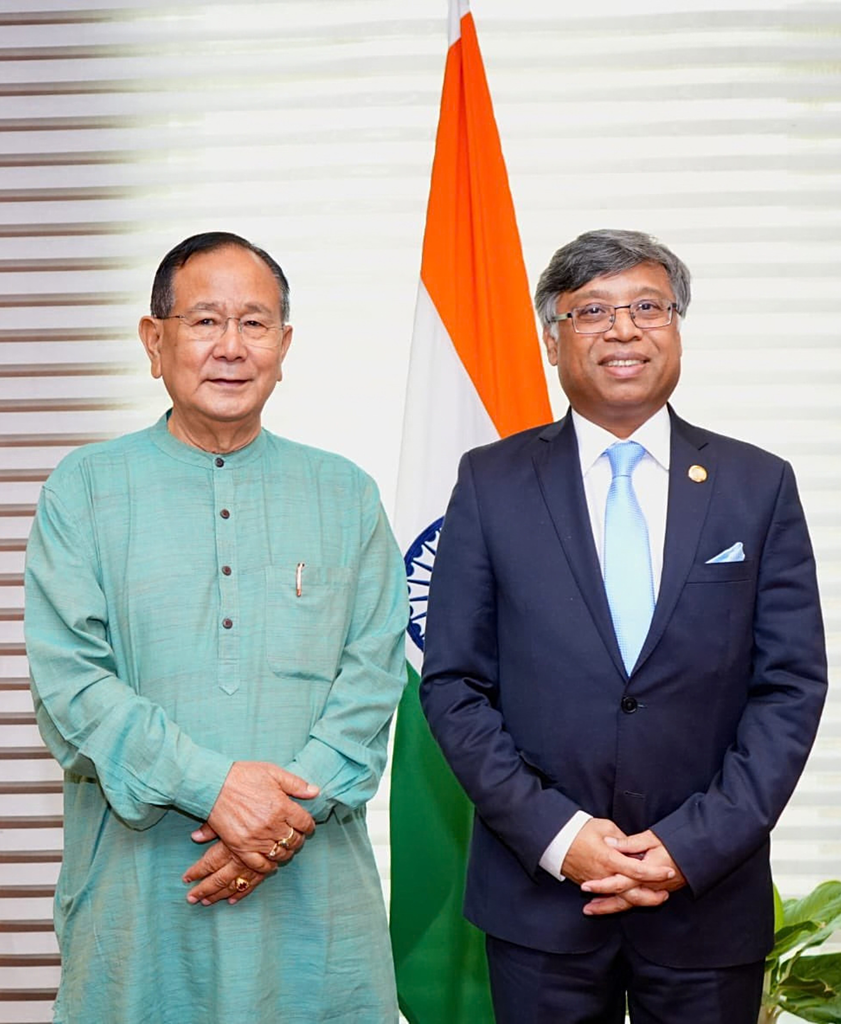
Your Excellency, you have engaged with many countries across South Asia. How would you describe your experience with Nepal, particularly in terms of its natural beauty, hospitality, and soft power potential in regional diplomacy?
My wife, Taslima, and I were delighted to return to Nepal in October 2023, nearly two decades after my previous visit, when I assumed office as the fifteenth Secretary-General of SAARC. In many ways, returning to Nepal felt like coming home. We continue to cherish the wonderful memories of our earlier stay in Kathmandu between 2000 and 2002, when I had the privilege of serving as Counsellor at the Embassy of Bangladesh.
Over the years, it has been deeply gratifying to witness Nepal’s remarkable progress while seeing it preserve the unique qualities that make the country so special. Nepal has embraced development without losing its cultural authenticity, natural beauty, and spiritual heritage.
What continues to impress us most, however, is the warmth of its people. The kindness, humility, resilience, and genuine hospitality of the Nepali people leave a lasting impression on everyone who visits. These qualities are among Nepal’s greatest national assets and embody the values that have earned the country admiration around the world.
Nepal also possesses exceptional soft power. As the birthplace of Lord Buddha, a meeting point of Hindu and Buddhist civilizations, and a country renowned for its cultural diversity, peaceful traditions, and distinguished contribution to United Nations peacekeeping, Nepal enjoys a unique moral standing in the international community. Coupled with its strategic location between South and East Asia, these strengths position Nepal as a natural bridge for dialogue, mutual understanding, and regional cooperation.
I firmly believe Nepal’s greatest influence lies not only in its geography, but in the character of its people, the richness of its civilization, and its enduring commitment to peace, tolerance, and harmony. These are invaluable assets that can continue to strengthen Nepal’s role as a respected voice for regional cooperation and friendship in South Asia.
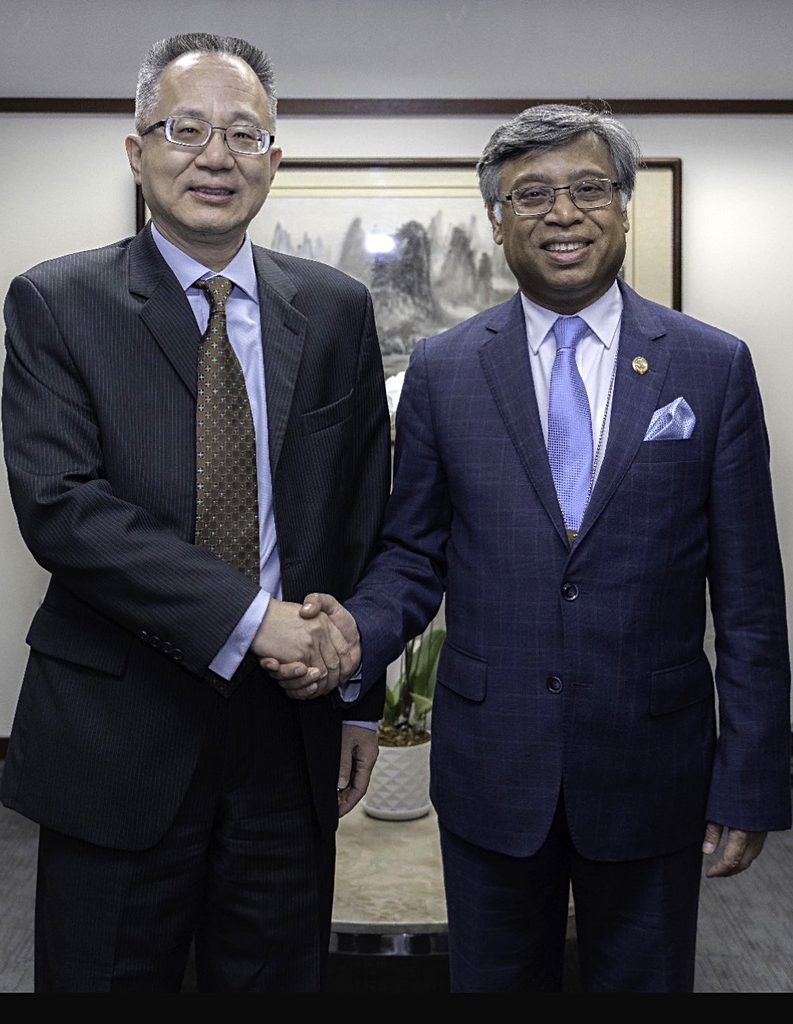
Finally, as Secretary-General, what message would you like to convey to the people of South Asia about the future of regional cooperation and shared prosperity?
My message to the people of South Asia is one of hope, confidence, and shared purpose.
South Asia is far more than a geographical region. It is one of the world’s oldest and richest civilizations. Home to nearly one-quarter of humanity, our region is blessed with extraordinary cultural diversity, abundant natural resources, immense entrepreneurial talent, and one of the youngest populations on earth. Few regions possess such enormous potential to shape the future of the global economy and human development.
Our founding leaders understood a timeless truth: in an increasingly interconnected world, no nation can achieve lasting peace, sustainable development, or shared prosperity in isolation. These aspirations can only be realized through trust, dialogue, partnership, and a collective commitment to the common good.
Today, South Asia stands at a defining moment in its history. We can either allow our immense opportunities to remain unrealized, or we can embrace a future built on cooperation, connectivity, innovation, and shared progress. From the majestic Himalayas to the vast Indian Ocean, ours is a region uniquely positioned to become one of the world’s leading centres of economic growth, technological innovation, and cultural influence.
SAARC has already laid the institutional foundations for that future through initiatives such as SAPTA, SAFTA, the SAARC Social Charter, the SAARC Development Fund, and the South Asian University. What we need now is renewed political will, greater mutual trust, and the confidence to transform these institutions into engines of regional prosperity.
Our greatest strength lies not only in our numbers, but also in our shared geography, intertwined histories, and enduring cultural bonds. These are assets that no political differences can erase. They remind us that our destinies are interconnected and that our prosperity is best achieved together.
The story of SAARC is one of resilience, relevance, and immense untapped potential. As South Asia’s premier regional organization, it remains our most important platform for dialogue, cooperation, and collective action. There is no substitute for regional cooperation. Indeed, the only meaningful alternative to SAARC is a stronger, more dynamic, and more effective SAARC.
Let us therefore move forward with confidence and a renewed sense of common purpose. Let us choose cooperation over confrontation, dialogue over distrust, and partnership over division. If we have the vision to work together and the courage to act together, South Asia can emerge not only as a region of peace and shared prosperity, but also as a global force for stability, innovation, and human progress.
The future of nearly two billion people is far too important to be constrained by the challenges of today. Together, we can build the South Asia our founding leaders envisioned—a region united by trust, strengthened by cooperation, and inspired by a shared commitment to a better future.