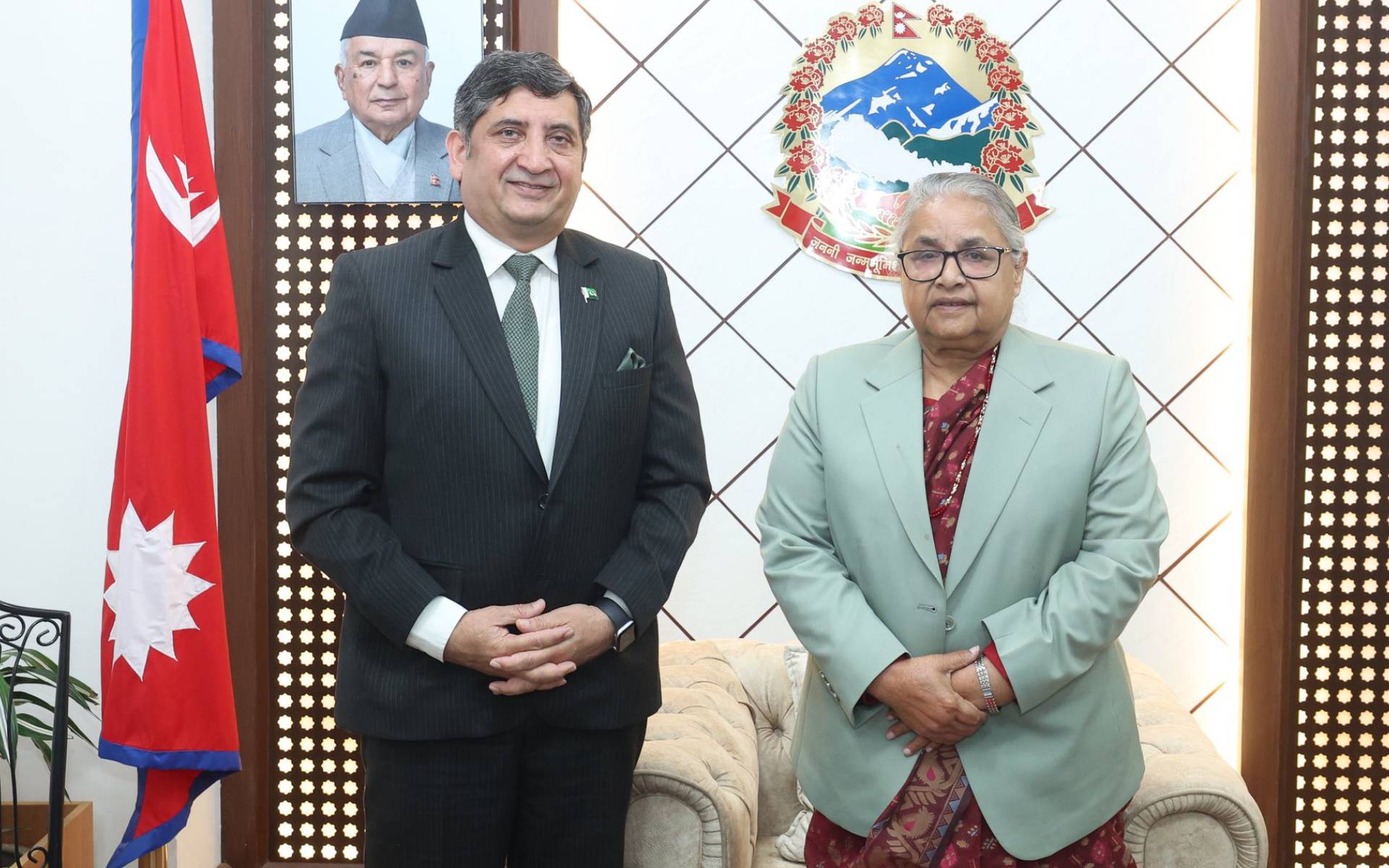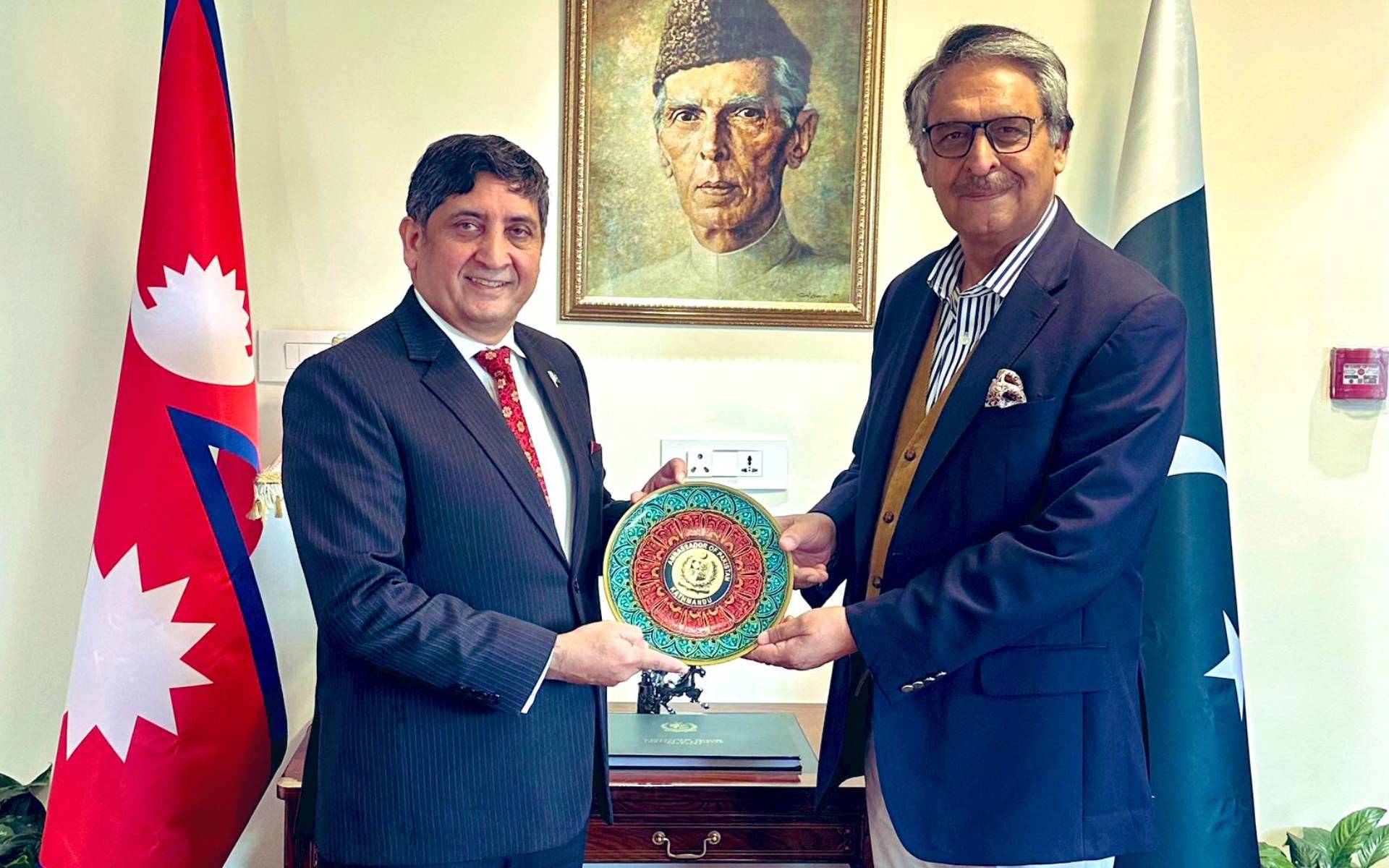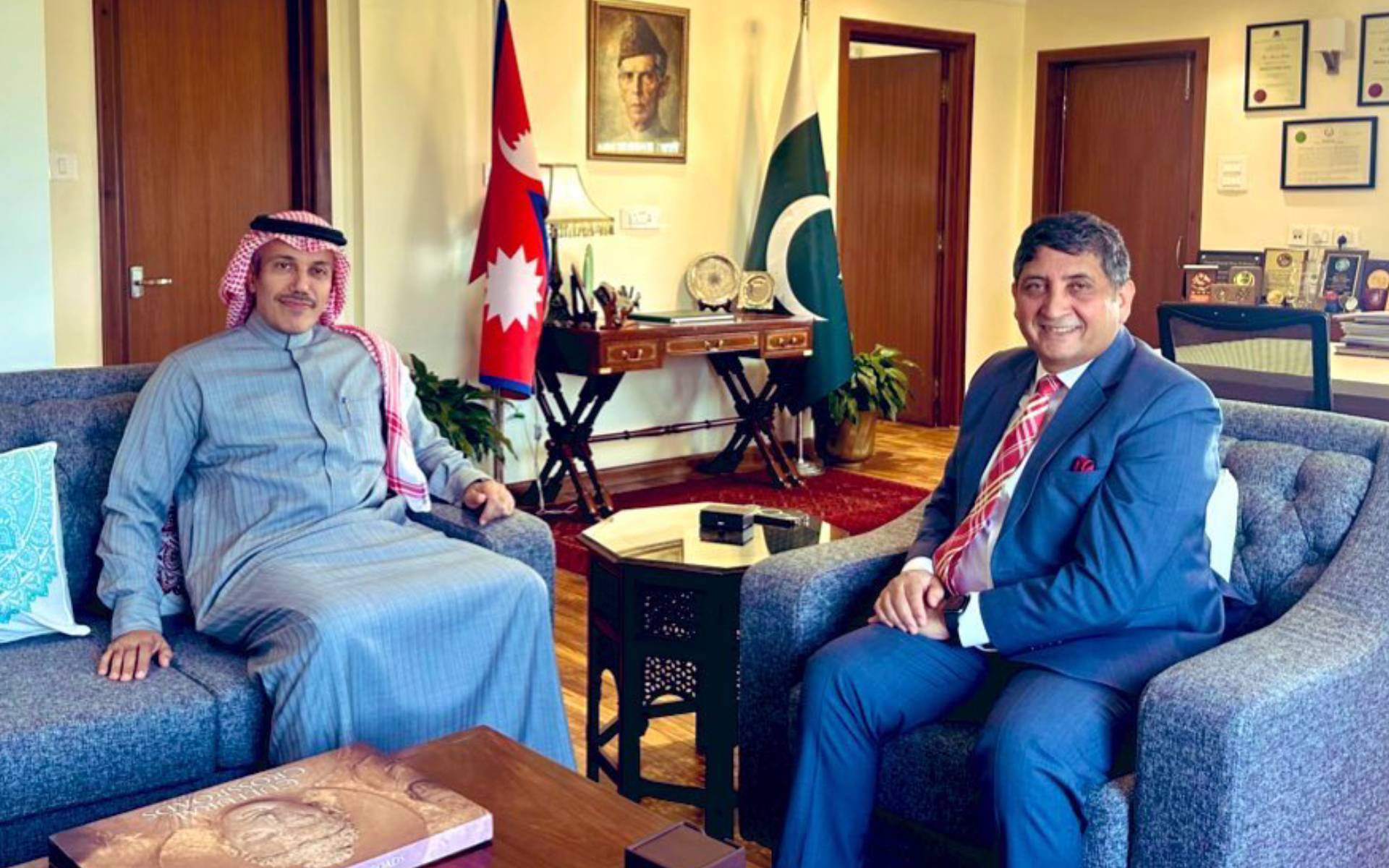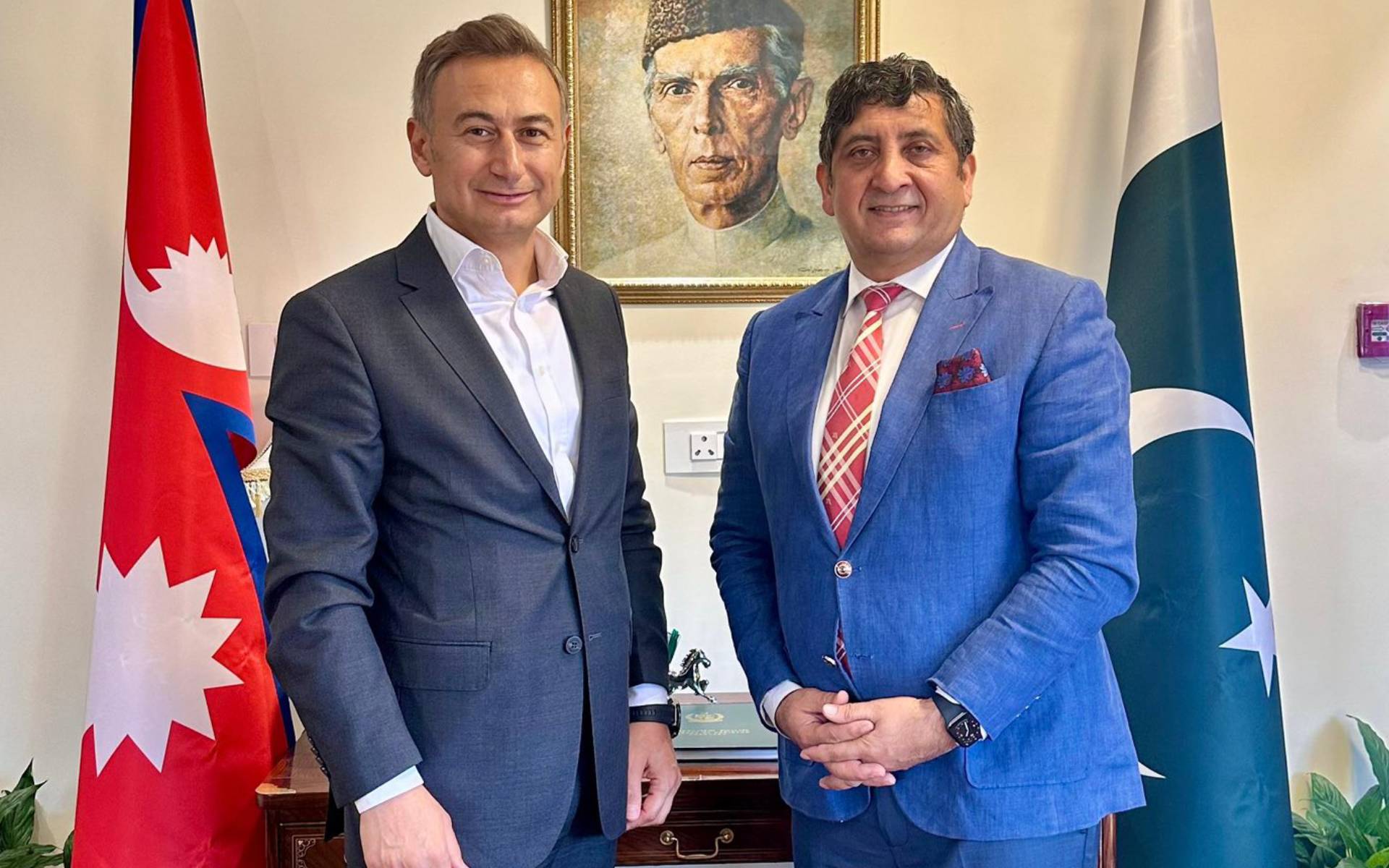
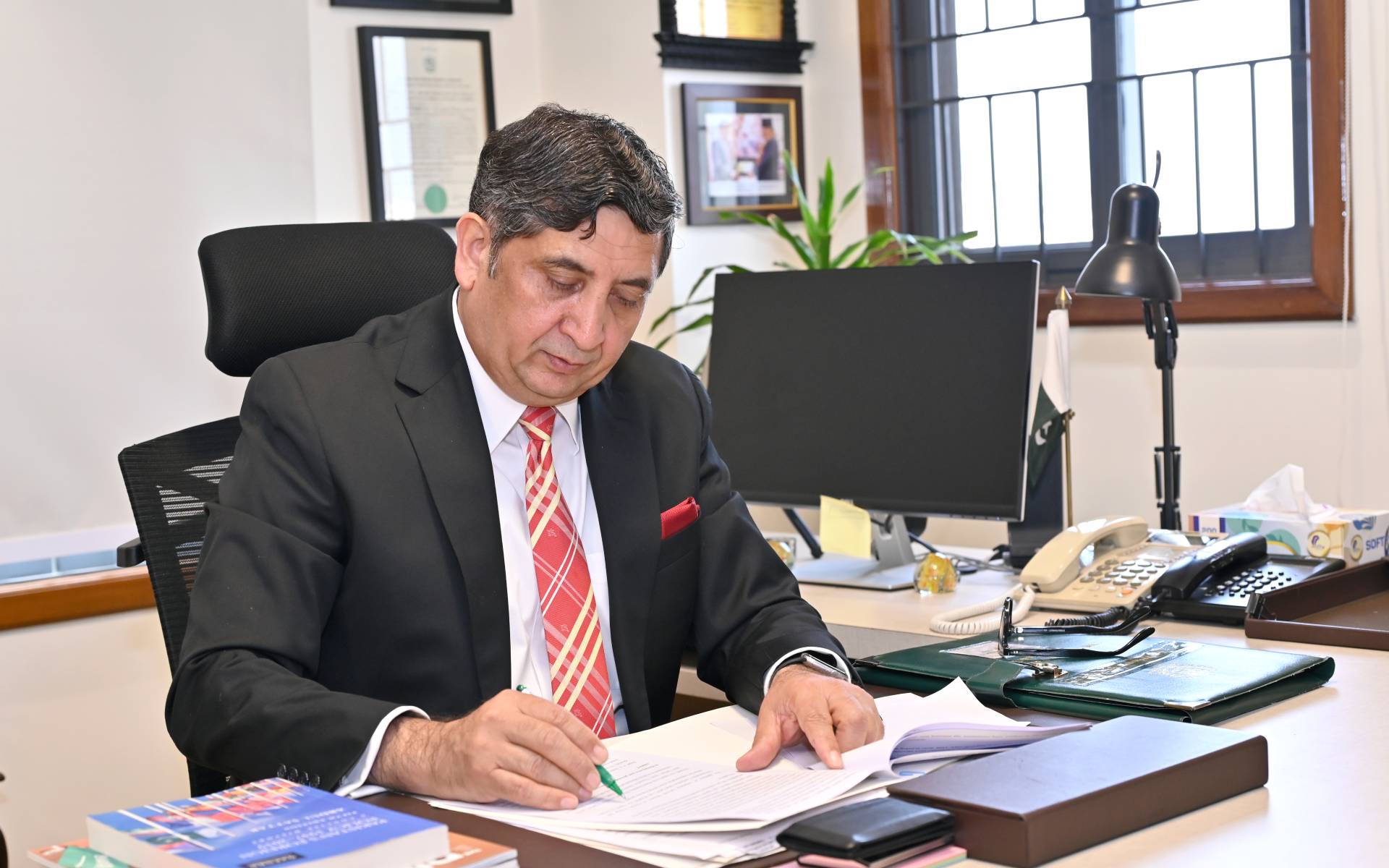
Since establishing diplomatic relations, Nepal and Pakistan have been close friends. The two countries have also worked closely in regional and multilateral forums. To contribute to the healthy and vibrant relations between the two countries, H.E. Abrar H. Hashmi, Ambassador of Pakistan to Nepal, came to Kathmandu in early 2023. In these three years, Ambassador Hashmi has played a pivotal role in enhancing relations between the two South Asian countries. Ambassador Hashmi is one of the active ambassadors in Nepal. The Diplomat Nepal sat with Ambassador Hashmi to discuss Nepal-Pakistan relations, his experience in Nepal, and other issues.
1. Nepal and Pakistan have shared relations for more than five decades. How do you view the growing relationship between the two countries?
Although diplomatic relations between Pakistan and Nepal were formally established in 1960, this relationship is far older and deeply rooted in history. From the sages and monks who traversed the Himalayan ranges thousands of years ago to the shared civilizational and cultural moorings, our cordial relations rest on a long reservoir of goodwill. The two countries have no outstanding issues and enjoy warm, friendly, and cordial relations, which continue to grow stronger with each passing year. Our relationship is built on mutual respect, trust, and understanding.
We (Pakistan) cherish our good relationship with Nepal.
The relationship is multifaceted, including cooperation in technical, economic, commercial, educational, cultural, defence, and climate change areas, as well as in SAARC and multilateral institutions. We will continue to support Nepal’s march toward socioeconomic development and prosperity. Our contemporary relations, aided by advances in communication and other means of connectivity, allow us to forge even deeper ties. My priority is to further tap into the unrealized potential to deepen and diversify our bilateral relations so that they truly mirror the cordial and friendly relations between our two countries and people. The natural extension is to tap into IT enabled services, e-commerce, tourism, and environmental services.
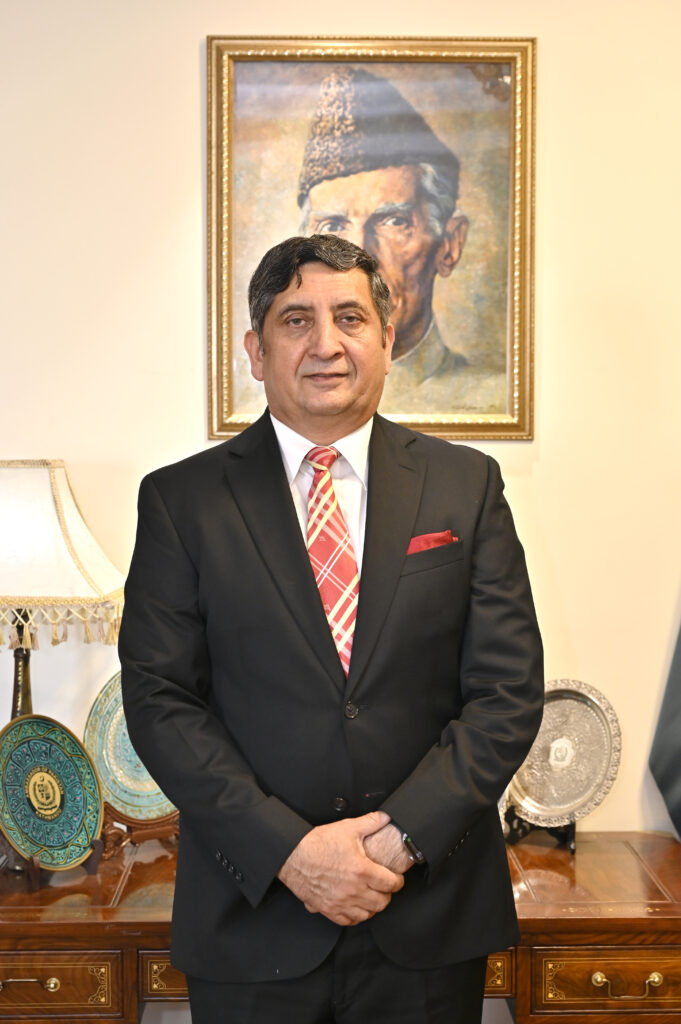
2. You arrived in Nepal in early 2023 as an ambassador. After spending more than two years here, how would you describe your experience?
My experience in Nepal has been highly rewarding both professionally and personally. Relations have steadily improved, including with civil society. Nepali people are very welcoming. From politicians, journalists, academics, and business leaders to ordinary citizens, I have found an atmosphere of openness and friendship that truly reflects the strength of people-to-people ties between our two countries. Nepal is a country of immense natural beauty, cultural richness, and historical depth, sharing many similarities with Pakistan. The weather in Kathmandu is another big advantage for expatriates.
3. You are one of the most active ambassadors in Nepal. What is your main goal to achieve?
My foremost priority is to further tap into the unrealized potential of Pakistan-Nepal relations and deepen and diversify our bilateral engagement. Expanding cooperation in Information and Communication Technology, IT enabled services, education, trade in services, tourism, climate resilience, and people-to-people exchanges. In this regard, I geared up public diplomacy through engagement with civil society, women’s groups, youth, rural municipalities, environmentalists, and farmers. Alongside traditional areas of strength such as health, education, businesses, and defense, I aim to strengthen existing bilateral mechanisms and allow our relations to truly mirror the cordiality, trust, and historical closeness that already exist between our two people.
Pakistan wishes to further strengthen its relations with Nepal, especially through parliamentary exchanges, as well as in youth, sports, culture, art, and cuisine. Pakistan will continue to support Nepal’s quest for economic growth, development, and prosperity.
4. How do you see high-level engagement between the two countries?
High-level engagement between Pakistan and Nepal has been a regular and constructive feature of their relations. Since the establishment of diplomatic missions in each other’s capitals in 1963, numerous visits have been made by heads of state, heads of government, ministers, parliamentarians, and other senior officials. These exchanges, both bilaterally and in the context of SAARC as well as the UN, have contributed significantly to mutual understanding and continue to provide strength and direction to our bilateral relations.
After King Mahendra visited Pakistan in 1961, President Ayub Khan paid a return visit in 1963, during which both sides decided to open resident missions in Kathmandu and Islamabad. Then, the late King Birendra, former Crown Prince Dipendra, Prime Ministers Nagendra Prasad Rijal, Surya Bahdur Thapa, Marich Man Singh, Girja Prasad Koirala, and Sher Bahadur Deuba visited Pakistan.
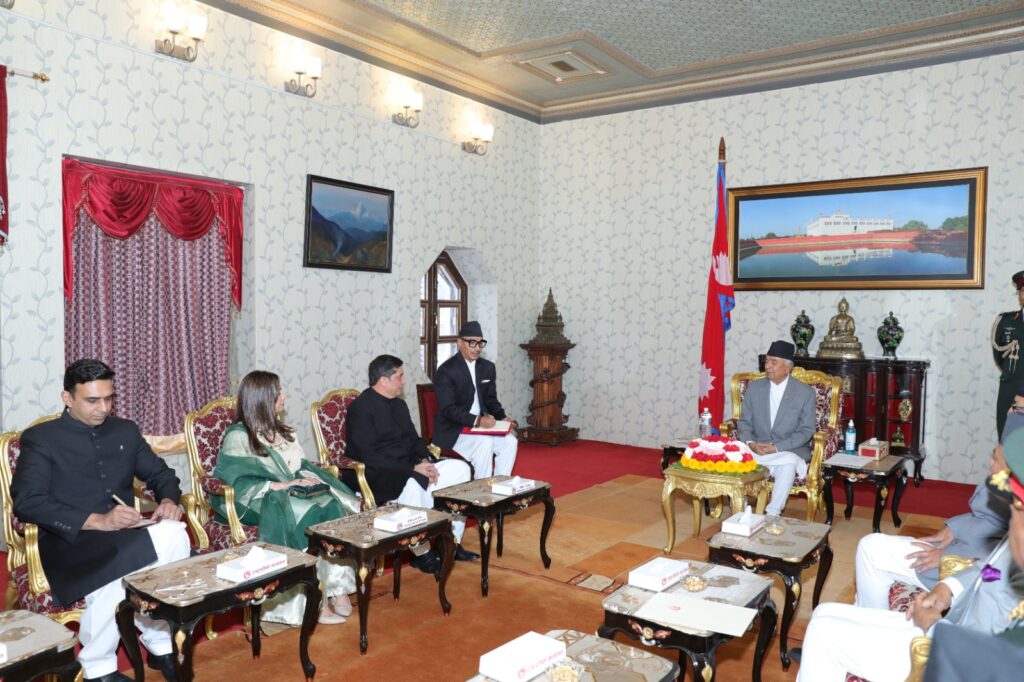
From Pakistan, after President Ayub Khan’s maiden visit of 1963, Prime Ministers Muhammad Khan Junejo, Mohtarma Benazir Bhutto Shaheed in 1994, President Pervez Musharraf in 2002, Prime Ministers Shaukat Aziz in 2004, Syed Yusuf Raza Gillani in 2010, Nawaz Sharif in 2014, and Shahid Khaqan Abbasi in 2018 visited Kathmandu. Prime Minister Muhammad Shehbaz Sharif met President Ramchandra Paudel in 2024 on the sidelines of COP29 in Baku, where they discussed climate cooperation and strengthening bilateral ties between Pakistan and Nepal.
In addition, there have been several ministerial and senior official-level visits between the two countries. The exchanges among the political and parliamentary leadership are also a constant feature.
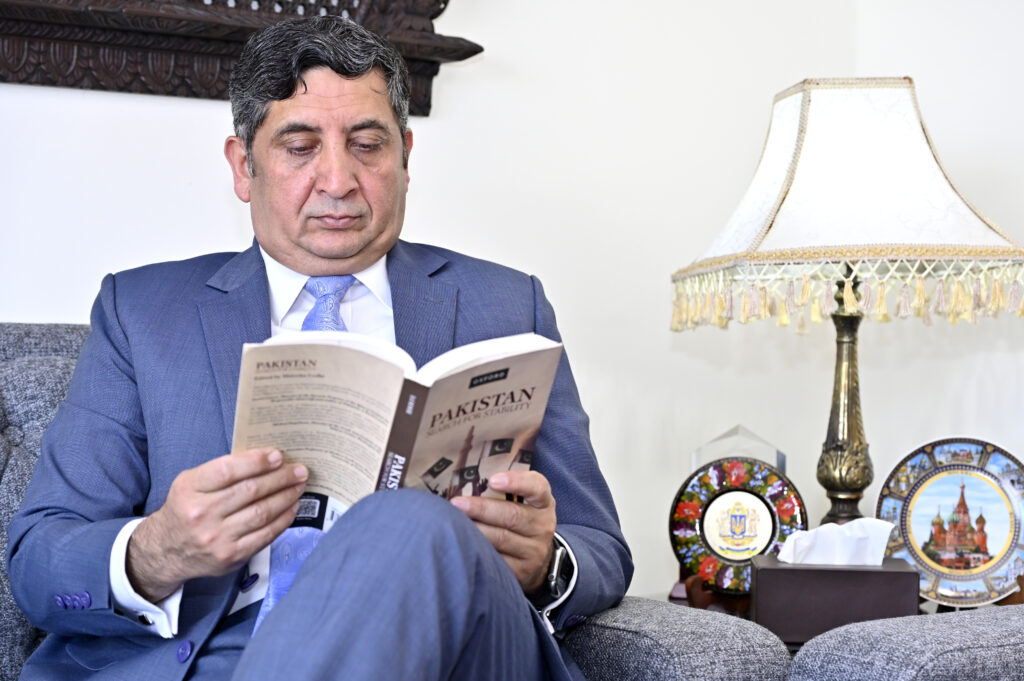
5. What are Pakistan’s current priorities regarding Nepal?
Pakistan attaches great importance to its relationship with Nepal and considers Nepal a valued partner in South Asia. Our current priorities include strengthening cooperation in IT enabled services, education, health, art, defense, banking, trade, climate change, agriculture, and renewable energy. We are also focused on enhancing people-to-people contacts through parliamentary and cultural exchanges, digital connectivity, and climate resilience.
The missing direct airlink is a challenge, and we are working on reviving it between Kathmandu and Karachi and Lahore and Islamabad. Pakistan remains committed to supporting Nepal’s socioeconomic development and prosperity. Pakistan attaches great importance to exchanges between businesses, academia, journalists, sports, and the youth. Cultural relations are much older and deeper, given our splendid heritage of Buddhism (and other religions) and the high mountain peaks, making us natural partners in the tourism sector.
6. Nepal and Pakistan have always stood by each other during difficult times. What makes our relationship so close?
The closeness of our relationship stems from deep historical linkages, shared cultural affinities, and enduring civilizational bonds. These ties extend far beyond formal diplomacy. Pakistan has extended humanitarian support to Nepal during times of hardship, including the 2015 earthquake, reflecting genuine friendship and solidarity. Likewise, Nepal has been forthcoming in providing aid to Pakistan, including during the 2022 flood. Mutual trust, goodwill, and understanding have consistently defined our relationship and continue to bind our people together.
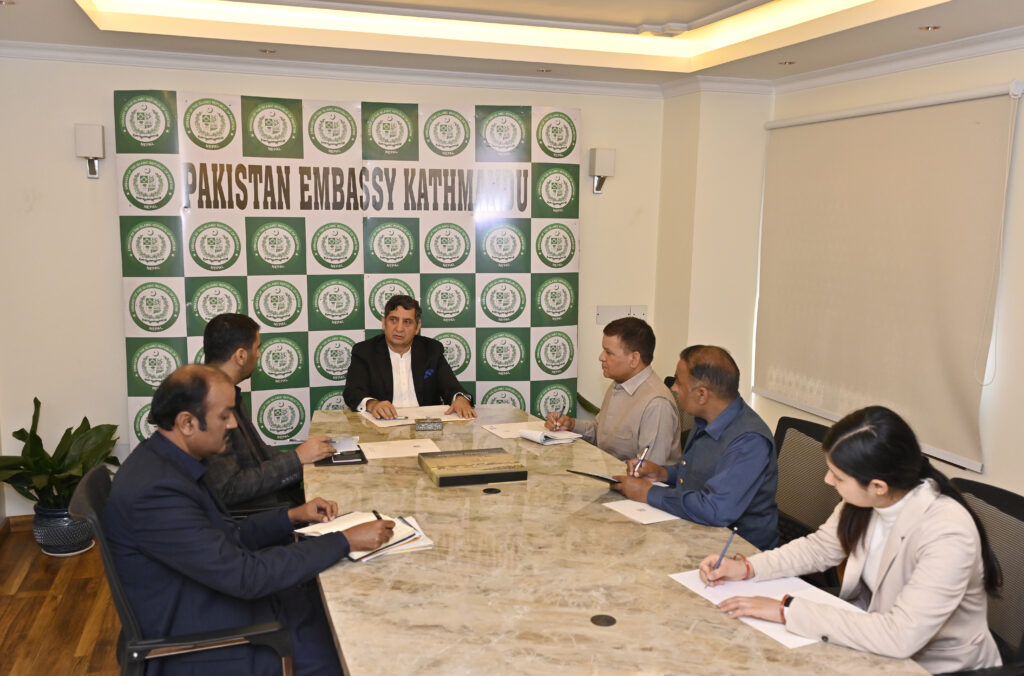
7. Both Nepal and Pakistan are suffering from climate change. What can we do together to address this problem going forward?
Nepal and Pakistan are both located in the Himalaya (Karakoram-Hindukush) region, which is undergoing a profound transformation due to climate change. Glacier melt, flash floods, Glacial Lake Outburst Flood, land degradation, and extreme weather events pose shared challenges for both countries.
These risks demand coordinated regional approaches to disaster risk reduction, climate resilience, and preparedness. By strengthening bilateral cooperation, sharing best practices, enhancing early warning systems, and promoting regional dialogue, both countries can work together to protect ecosystems and livelihoods. Nepal’s hosting of the timely and successful inaugural Sagarmatha Sambaad in Kathmandu in May last year is highly appreciated.
Since my arrival, we have added climate change and disaster management to the bilateral menu. The then Chief Executive of Nepal’s National Disaster Risk Reduction and Management Authority visited Pakistan to participate in a conference. He also visited the National Disaster Management Authority and met its chairperson and other officials at the National Emergencies Operations Center in Islamabad.
In addition, we hosted three delegations last year for training on emergency preparedness, post-flood reconstruction in Sindh, and rescue and emergency services (Rescue 1122 in Punjab). We also proposed an MoU to formalize cooperation in disaster management between the two countries.
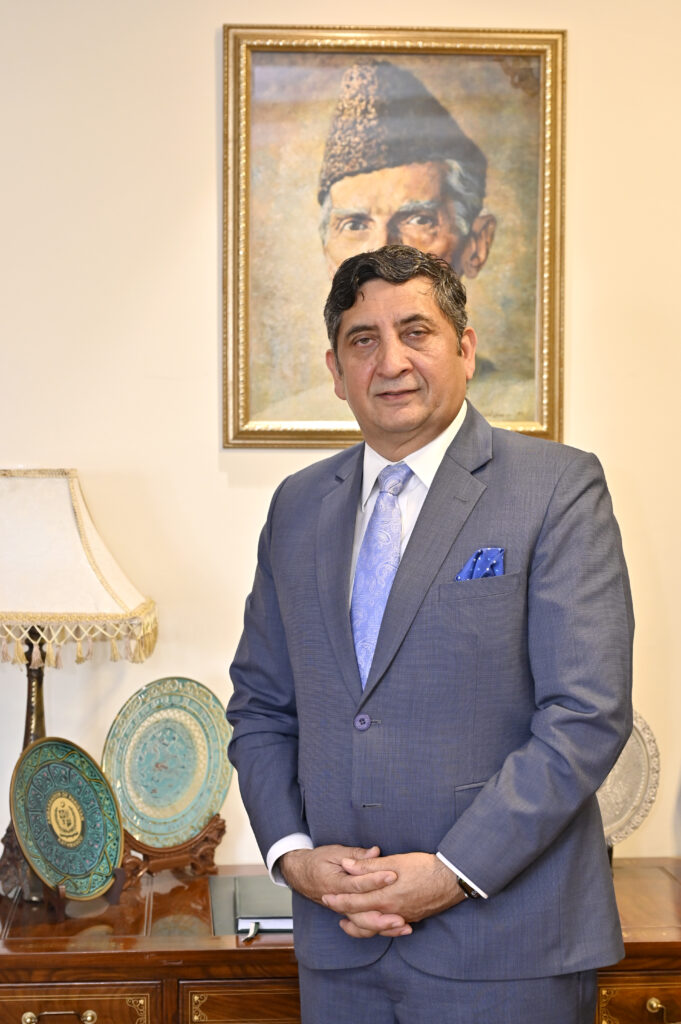
8. Moving on to your personal experience in Nepal, how would you describe it?
I love the attitude of the Nepali people. Their warmth, sincerity, goodwill, and resilience are remarkable. From politicians, journalists, academics, business leaders, and ordinary citizens, I have found an atmosphere of openness and friendship that truly reflects the strength of people-to-people ties between our two countries. These experiences have left a lasting impression on me. The weather in Kathmandu is another big plus for me, which is similar to my hometown of Abbottabad.
In addition, we have been able to see some of Nepal’s splendid natural beauty, spiritual depth, cultural diversity, and colorful events. Its towering mountains, serene valleys, ancient heritage sites, and deep-rooted traditions create a unique tapestry of culture and history.
9. You have worked, collaborated, and interacted with many Nepali people. How would you describe this?
The people of Nepal are warm, gracious, and sincere. Their hospitality, warmth, humility, and cultural richness leave a deep impression. I have consistently experienced openness, cooperation, and goodwill in my interactions, which naturally strengthen people-to-people relations and reinforce the friendly bond between our two countries. Their love for nature, simplicity, and attachment to culture and traditions fascinates me. Nepalis are hardworking, humble, quick learners, and highly hospitable. Nepal’s journey of democratic transition and commitment to inclusive governance is admirable, and its resilience in the face of challenges is inspiring. With little effort on infrastructure and skill development, their love for the land can turn this country into a hub for tourism, prosperity, and spirituality.
10. Do you enjoy Nepali cuisine? Which dish do you like the most and why?
Nepali cuisine is closely connected to nature and cannot be ignored. My wife and I have enjoyed traditional meals across the country, from Thakali Thali to fusion food, which have provided opportunities to interact with other cultures. Pakistani and Nepali cuisines have a lot in common and could further strengthen our cultural bonds. Culinary exchanges are often an understated bridge between cultures and peoples. Last month (February 5-8, 2026), the Pakistan Food Festival at Aloft Kathmandu showcased Pakistan’s rich culinary traditions and diverse flavors. The festival offered guests an opportunity to experience authentic Pakistani cuisine and attracted great interest from the Nepalese.
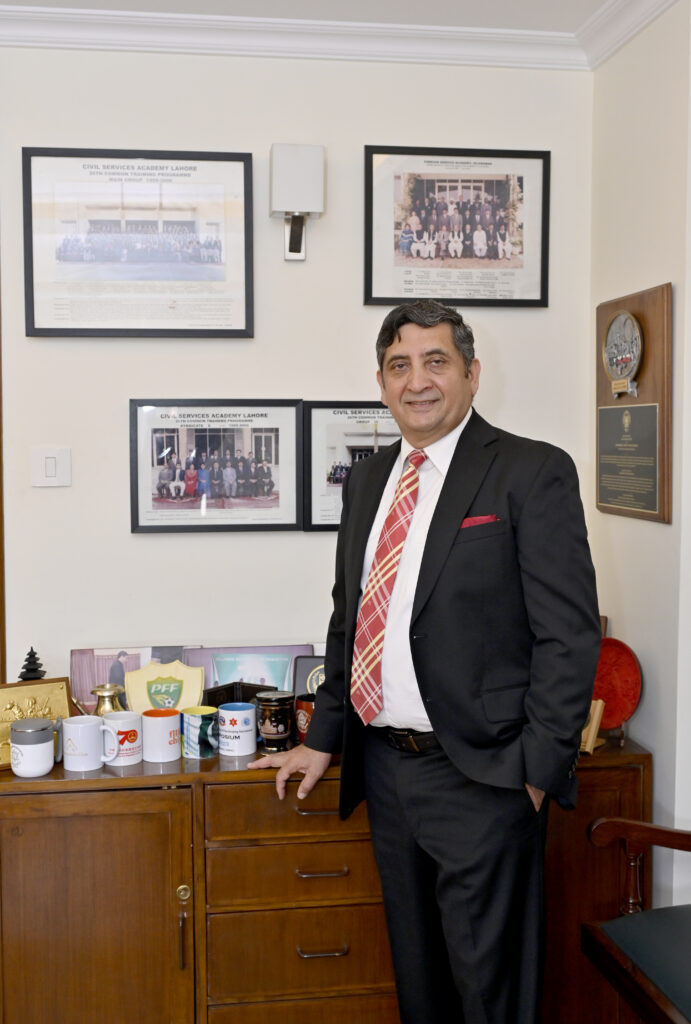
11. How many places have you visited in Nepal? Can you share your favourite destination and explain why?
Nepal’s most well-kept treasures are its natural beauty and cultural endowment. My visit to Lumbini was of special importance as it is the birthplace of Siddhartha Gautama, the Buddha, and has connections to Pakistan. It reflects the profound civilizational linkages between Nepal and Pakistan and highlights our shared Buddhist heritage, which continues to connect our peoples across centuries.
After all, I have seen the marvelous Gandhara Civilization close to my home in Hazara, Taxila, and Takhtbai. My multiple visits to Chitwan and Bardiya National Park were highlights for nature conservation and wildlife, especially the rhinos of Nepal. I also visited Pokhara and Ilam, and drove along the BP Highway, the inner Terai, and the Trishuli river. My plans include visiting the Mount Everest Base Camp, Rara lake and Upper Mustang.
The peaks fascinate me. Pakistan and Nepal share the unique honor of having 13 peaks above 8000 meters, with eight in Nepal and five in Pakistan. Despite sharing the highest mountain peaks and Buddhist and other religious sites, existing tourist exchanges between Pakistan and Nepal are well below their potential. There is a huge potential that we must explore. Pakistan has numerous sites of interest for our Buddhist and Hindu brothers.
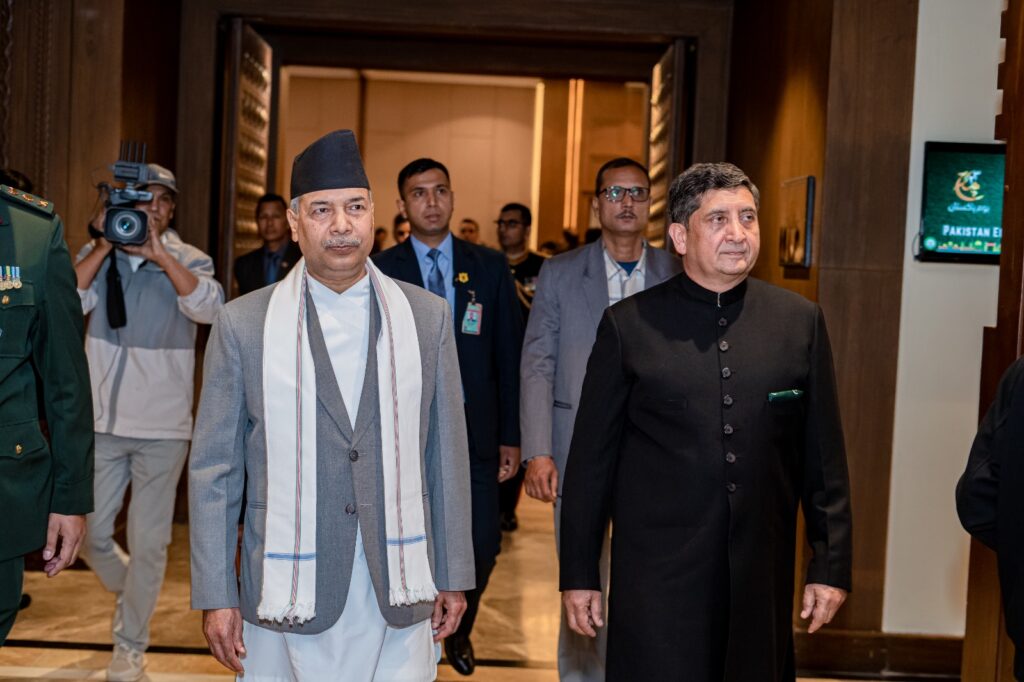
12. How would you describe Nepal from an artistic and cultural perspective?
Nepal possesses a rich heritage and vibrant artistic and cultural landscapes. From music, literature, and film to heritage preservation and religious traditions, Nepal’s cultural expressions are deeply rooted and diverse. I often enjoy visits to Patan, Bhaktapur, and Kathmandu Durbar Squares, Boudha, and we will cherish the memories.
The art exhibitions in galleries across greater Kathmandu are exquisite, and we have collected a few pieces from them. The festivals are colorful and full of spirit. A significant takeaway is that Kathmandu is now the main venue for the exposition of South Asian cultures. Many celebrated artists gather here to share their work and experiences.
The Regional and Nepal International Film Festivals are also great events where Pakistani films participate.
Cultural exchanges between Pakistan and Nepal, focusing on contemporary art, music, literature, and heritage, contribute to the rich traditions and creative exploration of both countries. I worked assiduously to promote exchanges so that they were not only shared and celebrated but also led to mutual learning.
The Pakistan/Urdu Chair at Tribhuvan University has played a vital role in strengthening mutual understanding and friendship. Recently, Ms. Bidhata KC, a renowned visual artist from Nepal, visited Pakistan to participate in a prestigious Artist Residency Program. We supported performances in Kathmandu by famous Pakistani singer Atif Aslam in 2024, Ghazal Maestro Ghulam Ali in 2025, and a poetry symposium titled “Aalmi Mushaira: Urdu, Shaairi Ki Zubaan” in Kathmandu in collaboration with the Sahitya Academy, Nepal.
13. Finally, can you share with us what Pakistan can learn from Nepal?
We can learn valuable lessons from Nepal’s experience in natural conservation, sustainable tourism, and community-based development. Nepal’s leadership in mountain dialogue, the devolution of development, and cultural preservation offer important insights. Nepal’s neutrality makes it a place where South Asians can freely interact, share their experiences, and celebrate them.
While the mainstreaming of marginalized groups is a work in progress, youth and women have taken the front seat, setting a good precedent for the region and beyond. By learning from each other’s experiences, the two countries can further strengthen regional cooperation and shared prosperity. I hope that the region enjoys peace, tranquility, and progress. The young populations of both Pakistan and Nepal may enjoy the fruits of continued prosperity and achieve new heights as high as Mount Everest and K2.