
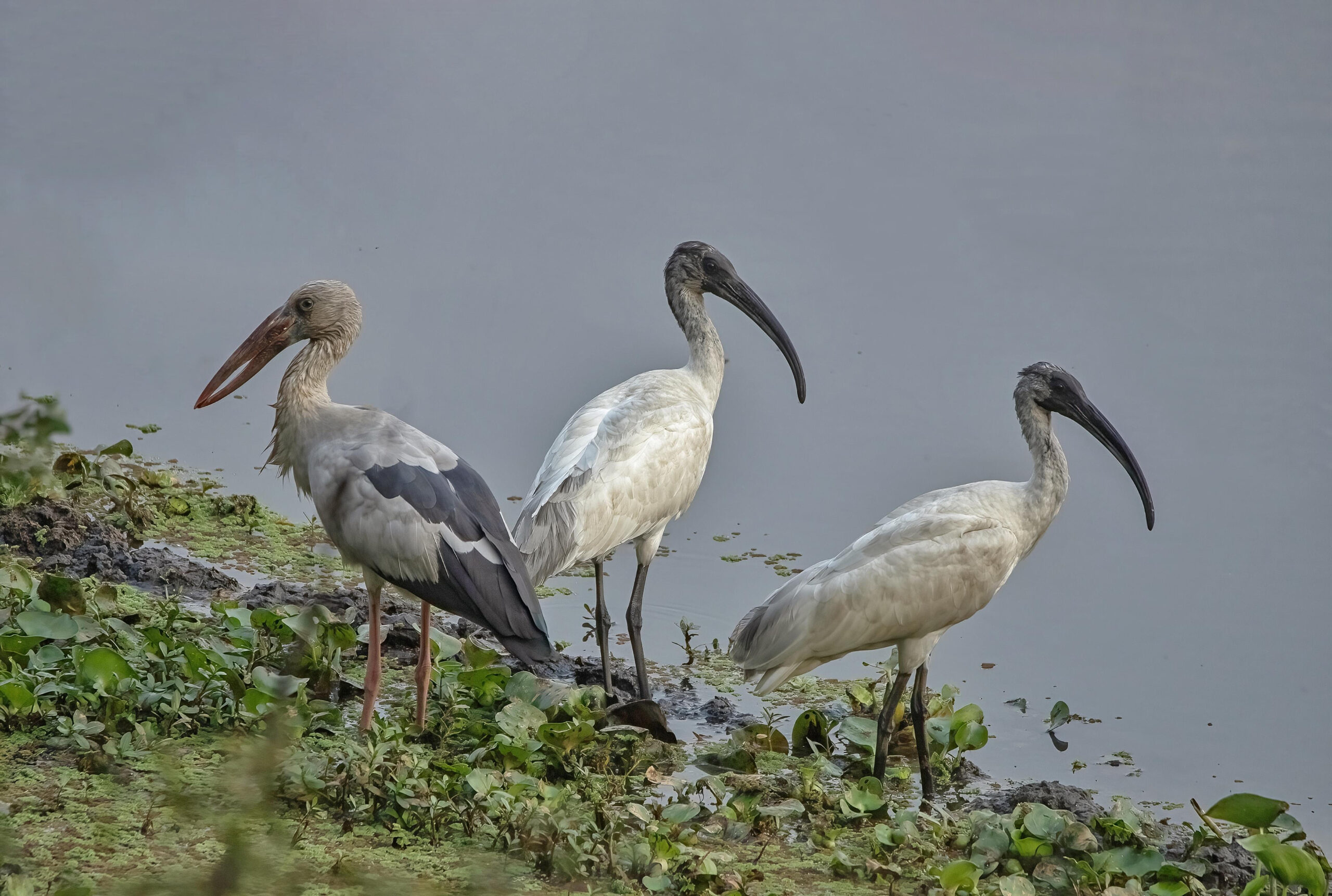
Kathmandu: The population of aquatic birds in Nepal has been declining in recent years, according to the latest nationwide water bird census.
The census, conducted over 15 days beginning on the first Saturday of January, recorded 90,688 water birds of 89 species across the country. In comparison, 96,565 water birds of 94 species were recorded in 2025, while earlier counts had exceeded 100,000 birds.
Nepal has been participating in the Asian Waterbird Census since 1987, which began in India in collaboration with Wetlands International. Each winter, migratory birds from cold regions such as Russia, Siberia, northern China, and Mongolia arrive in Nepal in search of food and favorable weather before continuing their migration to parts of India and returning via routes through Pakistan and Afghanistan.
The census aims to monitor migratory and water bird populations during the non-breeding season, assess the condition of wetlands, raise awareness of their importance, and encourage public participation in conservation and management efforts.
This year’s census was led by the Department of National Parks and Wildlife Conservation, with coordination from the Nepal Ornithologists’ Association. According to the Association’s Executive Director Laxman Prasad Paudel, surveys were carried out in 18 major wetlands and several smaller sites.
A total of 411 volunteer enumerators, including government officials, ornithologists, nature lovers, and citizen scientists, took part in the census. The findings were released on February 2, marking World Wetlands Day.
Experts attribute the decline to wetland encroachment, reduced food availability, increased human activity, infrastructure development, invasive species in lakes, and excessive use of chemical fertilizers and pesticides in agriculture. These factors may also be causing migratory birds to shorten their stay in Nepal.
Key survey areas included Koshi Tappu Wildlife Reserve, Chitwan, Banke, Bardiya, Shuklaphanta, Rara National Park and Rara Lake, Ghodaghodi Lake, Bishajari Lake, Jagadishpur Reservoir, wetlands in Dhanusha, the Kamala River, Hetauda, Kathmandu Valley, Pokhara Valley, and the Lumbini area.
Department Information Officer Haribhadra Acharya said that human encroachment on rivers, lakes, ponds, and wetlands, along with increased pesticide use, has significantly reduced food sources for aquatic wildlife.
(RSS)