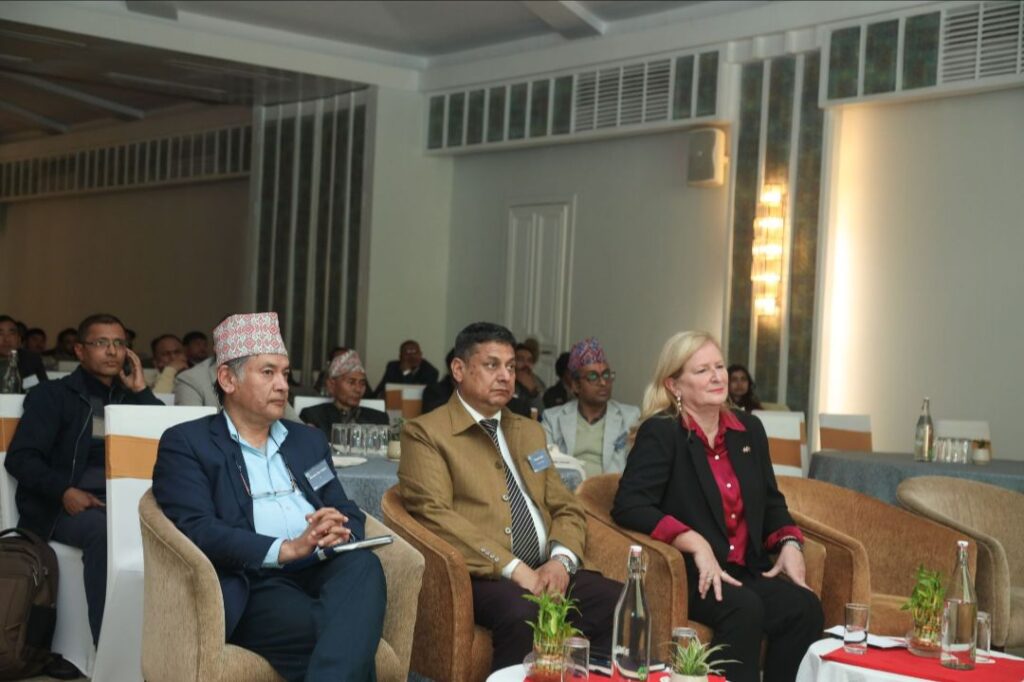
Kathmandu: Blue Water Intelligence (BWI) convened key water, energy, and research stakeholders in Kathmandu on Thursday to mark the launch of machine learning–enabled river flow forecasting services in Nepal.
The event was organized as part of the Nepal–France Green Road Map and marked a milestone in the rollout of basin-wide hydrological services across the country. The initiative aims to strengthen water and energy security while enhancing climate resilience amid growing climate change impacts.
The forecasting and early warning services are being delivered under the HydroNepal Project, launched in February 2025 with support from the French Ministry of Economy, Finance, Industrial and Digital Sovereignty. The project is funded by FASEP, with the Nepal Electricity Authority (NEA) serving as the project partner and beneficiary, reflecting strong bilateral cooperation between Nepal and France.
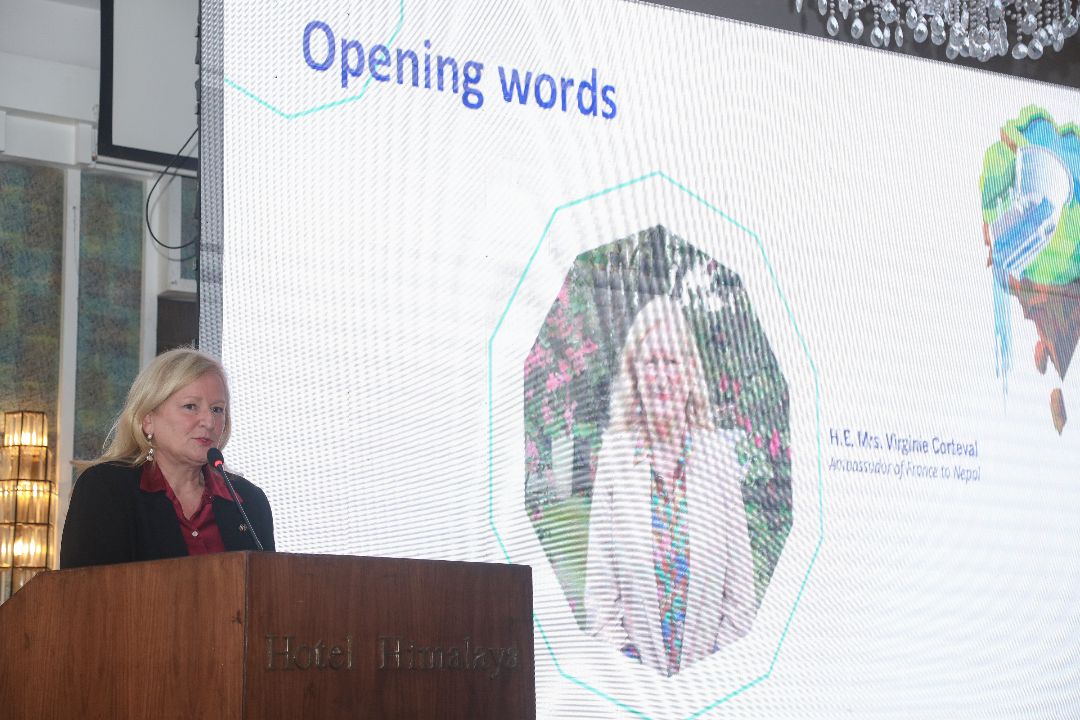
The program brought together senior representatives from government institutions, academia, development partners, and the private sector. Speakers included French Ambassador to Nepal Virginie Corteval, NEA Managing Director Hitendra Dev Shakya, Tribhuvan University Vice-Chancellor Prof. Deepak Aryal, and senior experts from Blue Water Intelligence and Tribhuvan University.
Following the successful development phase, river flow forecasting and early warning systems are now operational in the Upper Karnali, Marsyangdi, Trishuli, and Dudhkoshi basins. BWI also announced that its services are open for private-sector engagement in Nepal, particularly in hydropower planning and river basin management.
Addressing the event, Ambassador Corteval said the initiative reflects French expertise in hydrological modeling tailored to Nepal’s dynamic river systems, contributing to economic growth and disaster preparedness. BWI Hydrologist Dr. Anil Khanal highlighted the role of international cooperation and digital innovation in strengthening Nepal’s water and energy resilience, adding that the company is ready to scale its services beyond the initial four basins.
The program concluded with a panel discussion on water, energy, and climate resilience, where participants explored how basin intelligence technology can support evidence-based decision-making to address Nepal’s pressing water-related challenges.