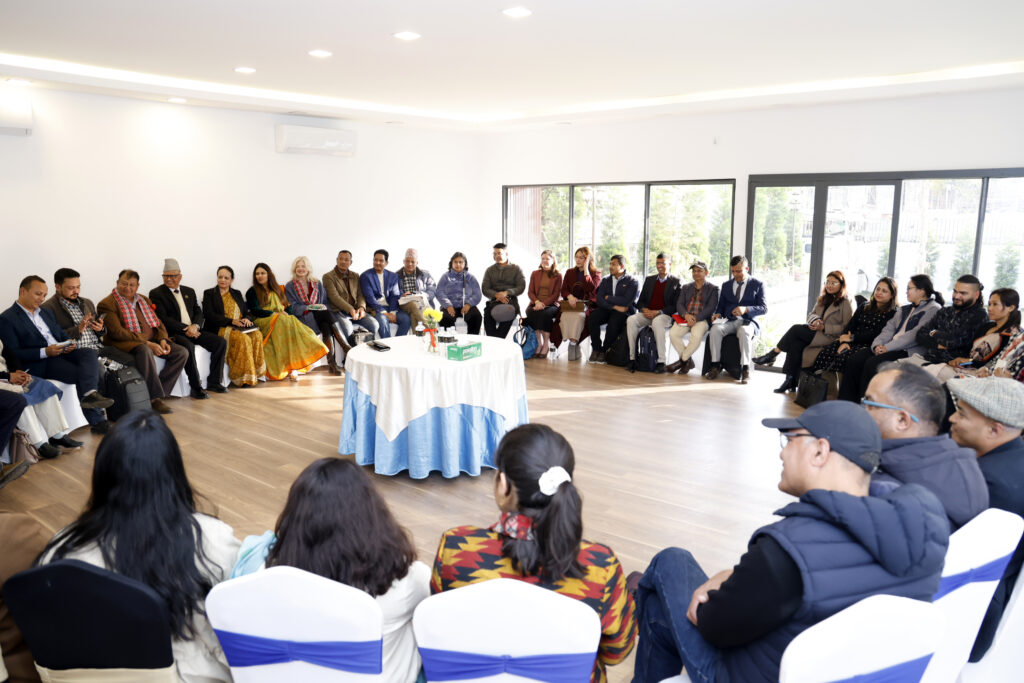
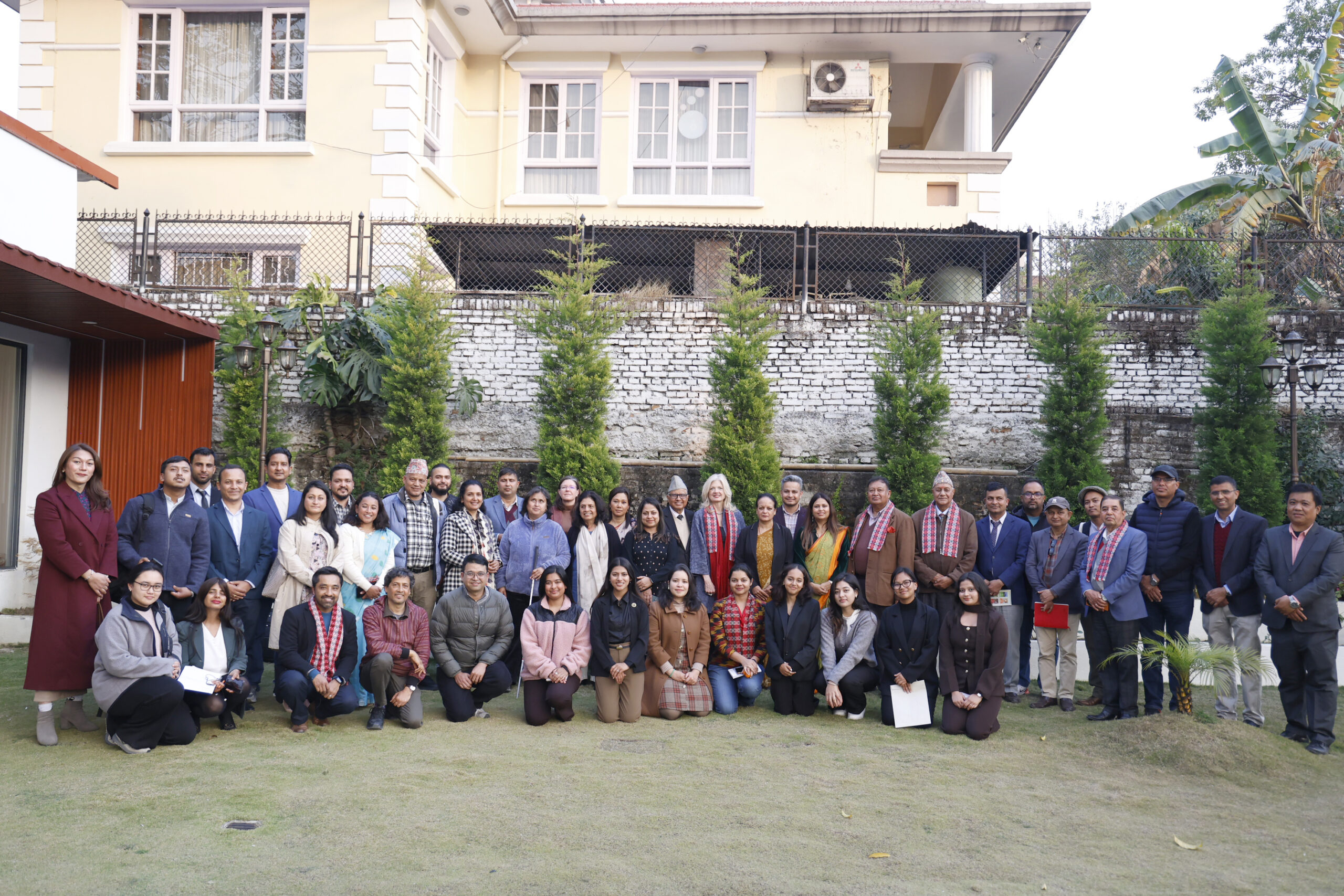
Kathmandu: The International Relations and Global Diplomacy Dialogue (IRGDD), in collaboration with the Nepal Center for Philanthropy and Development (NCPD), organized an interaction programme titled “Shared Leadership, Shared Future: Reimagining Public, Private and Philanthropic Partnerships.” The programme underscored the growing importance of philanthropy and multi-stakeholder collaboration in addressing Nepal’s development challenges and calls for ‘stronger public–private–philanthropic partnerships in Nepal.’
Addressing the program, Radhika Aryal, Secretary at the Ministry of Women, Children and Senior Citizens, said Nepal’s graduation from Least Developed Country (LDC) status presents both opportunities and responsibilities. “There is a need for cooperation in developing practical policies that benefit vulnerable groups such as women, children and senior citizens,” she said.
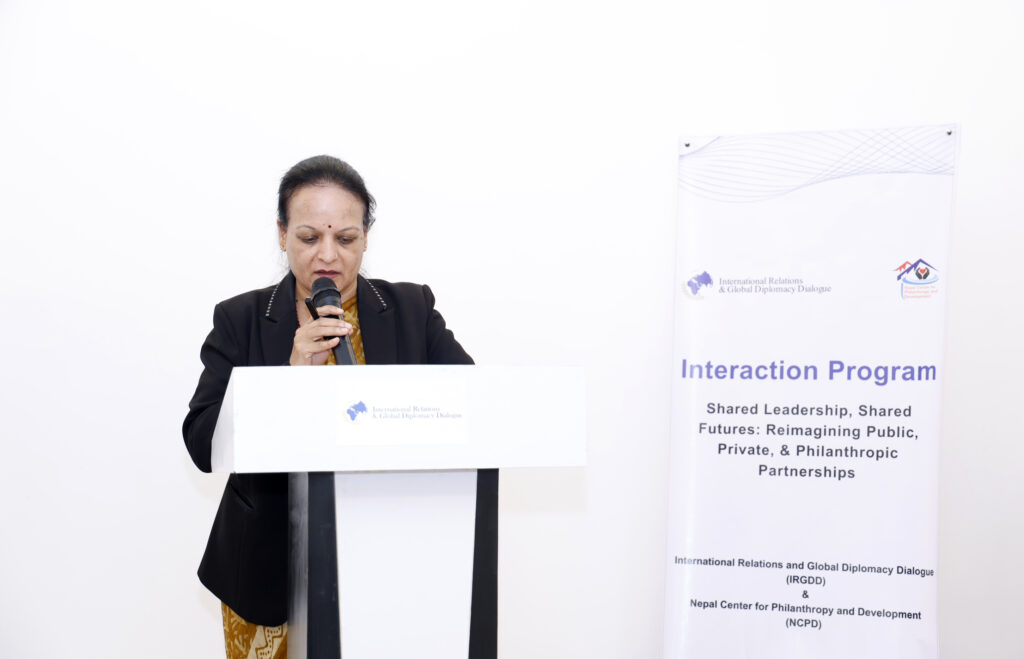
President of IRGDD, Amb. Dr. Sarmila Parajuli Dhakal, reflected on Nepal’s long-standing culture of philanthropy, describing it as a way of life deeply rooted in tradition. “Our grandmothers used to set aside a small portion of food in remembrance of the earth, the sky and the forces of nature that sustain us. This was not just a ritual, but an expression of gratitude before consumption, a reminder that what we possess is never ours alone,” she added.
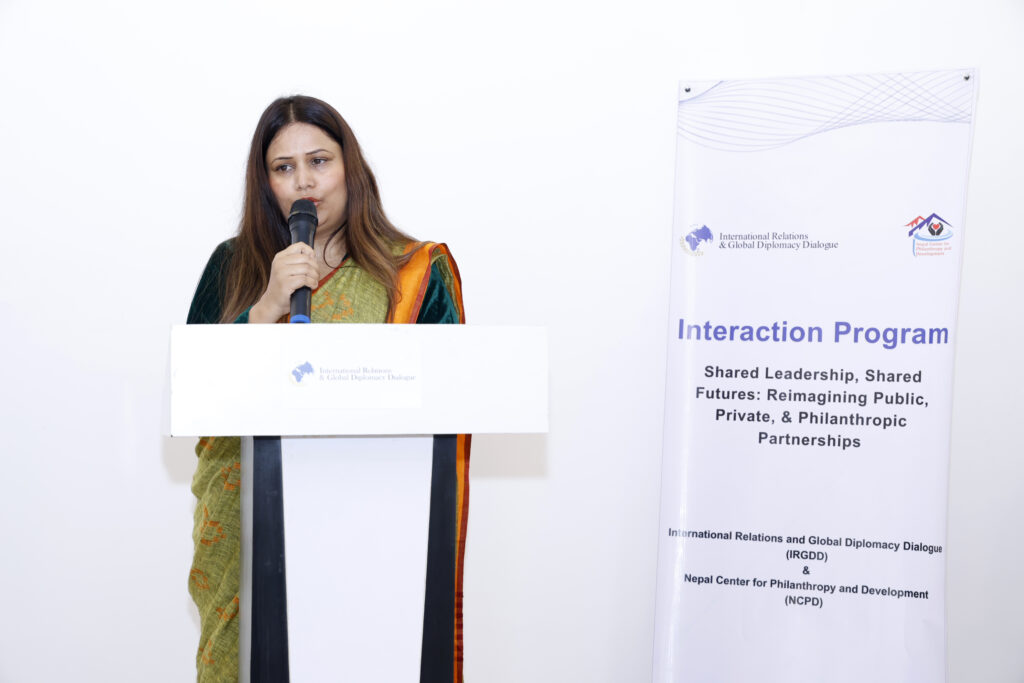
Moreover, Meghan Nalbo, Country Representative of The Asia Foundation in Nepal, said that Nepal is at a critical juncture. “The stakes are high at this moment in history. However, multi-stakeholder dialogues like this create much-needed space for discussion and collaborative problem-solving,” she said.
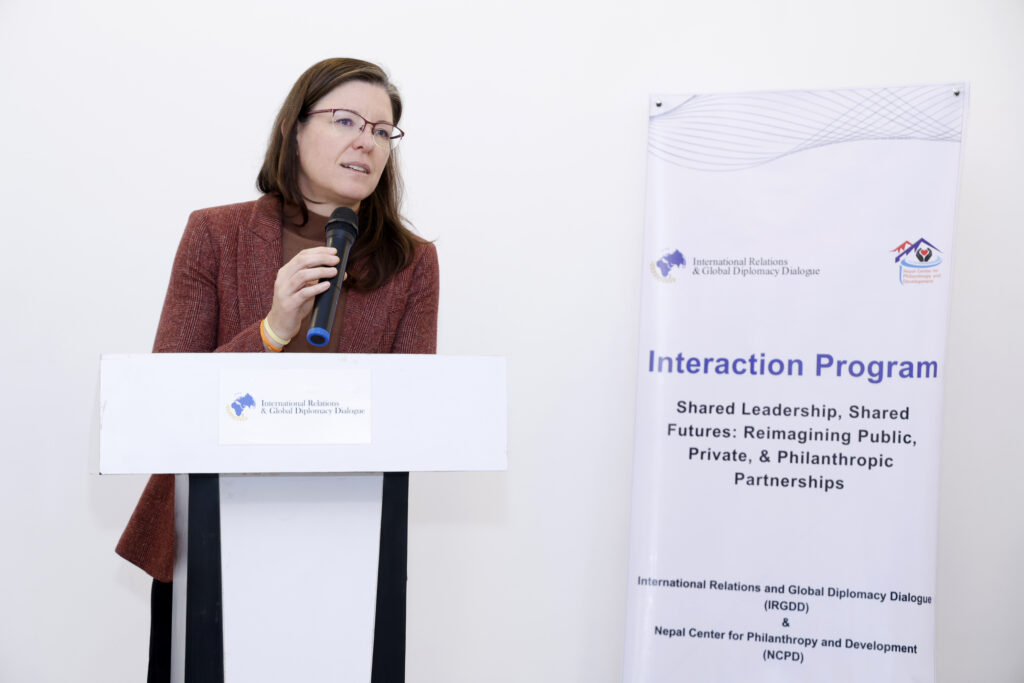
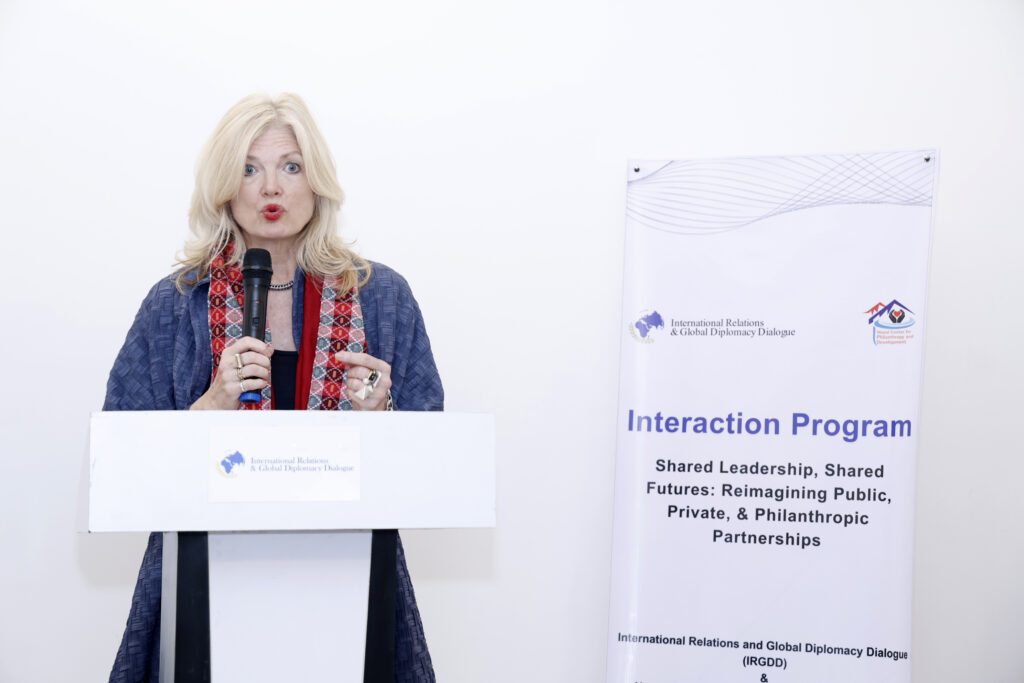
Echoing the sense of urgency, Camille Massey, President and CEO of Synergos, a global organisation that pioneered the use of bridging leadership, building trust and collaboration to solve complex problems, highlighted the multiple global challenges confronting societies today, from climate change to conflict. “While the challenges are many, what matters is how we respond to them. Deep listening and collaboration are essential if we are to build a better world together,” she said.
Furthermore, Chandi Raj Dhakal, Chairperson of the SAARC Chamber of Commerce (Nepal Chapter), described philanthropy as an expression of love and responsibility towards society. “Philanthropy is not only about money. It can also be about giving time and effort to those in need. Public–private partnerships can strengthen these efforts and make them more effective,” he said.
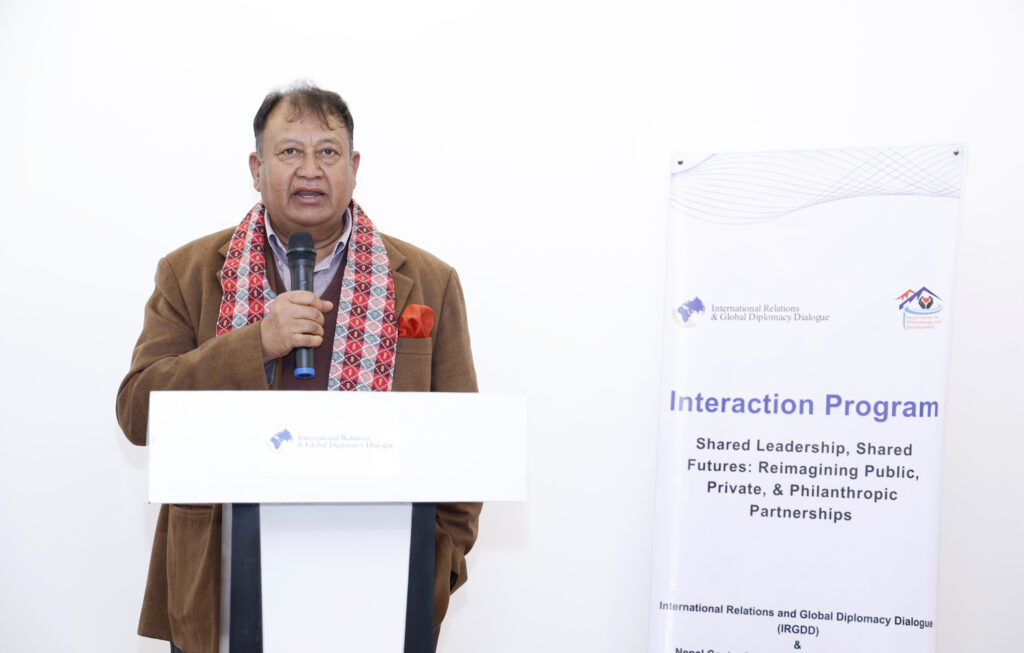
Discussion was held at the office of IRGDD, an independent, non-partisan, and not-for-profit sharing think tank based in Kathmandu, Nepal, dedicated to advancing research, dialogue, and training in the fields of international relations and diplomacy, on face-to-face round sitting discussion.
At the end, the CEO of NCPD, Rewati Raman Dhakal, summarized the program and thanked the guests and the participants. More than 30 participants from NGOs and INGOs also emphasized that philanthropy is not only about giving, but about earning trust and respect. They noted that many NGOs and INGOs in Nepal face sustainability challenges due to declining public trust. Speakers called for improved foreign aid policies and urged the government to ease bureaucratic hurdles to encourage greater investment and engagement from international partners.
These kinds of programme organized by the IRGDD will create a bridge to interact with different stakeholders, say participants. They added that this kind of program will also create a goodwill platform from dialogue to delivery.