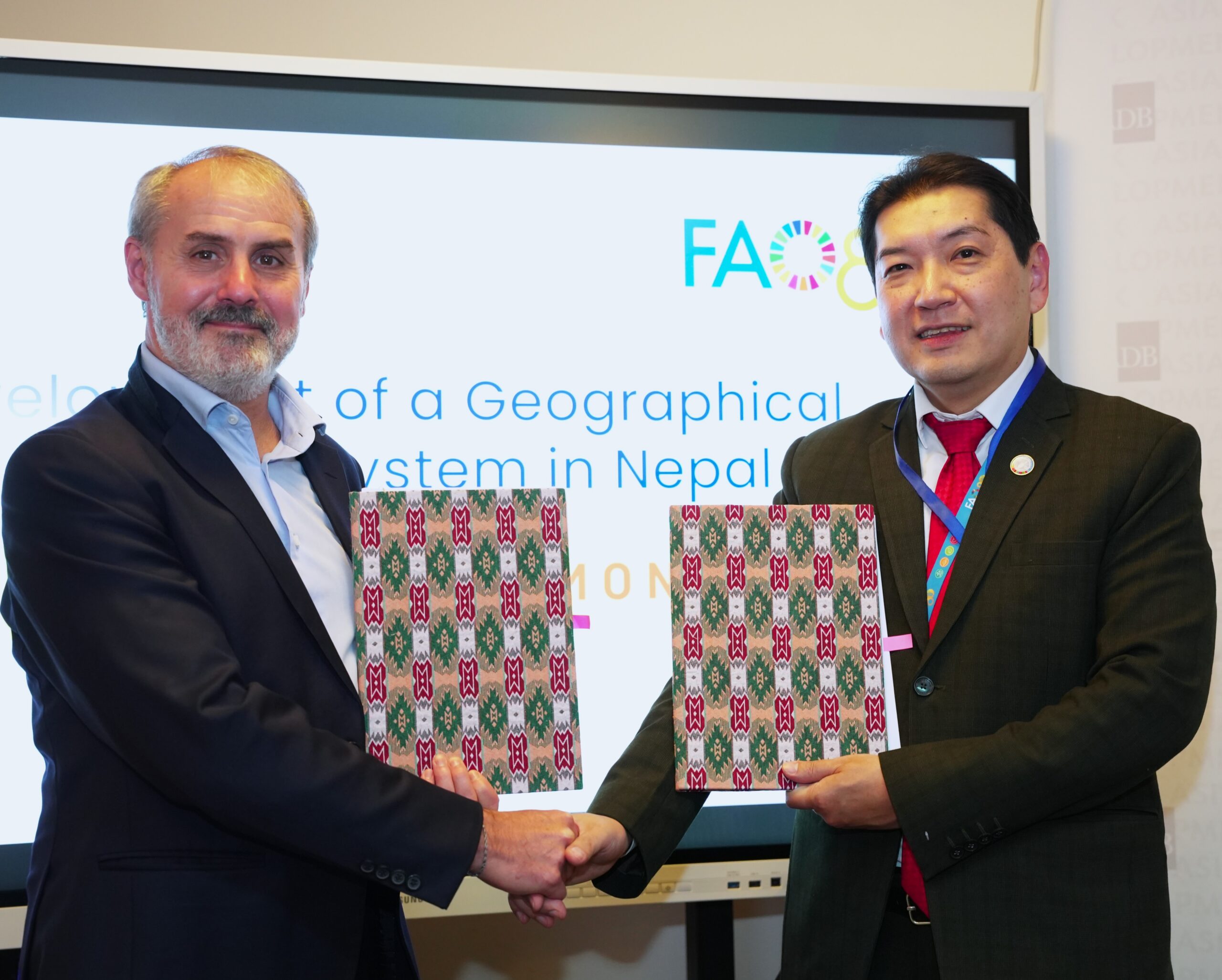
Kathmandu: Nepal has taken a major stride in securing global recognition for its unique agricultural heritage, as the Food and Agriculture Organization of the United Nations (FAO) and the Asian Development Bank (ADB) signed a landmark agreement to support the government of Nepal in developing and promoting Geographical Indications (GI) across the country.
According to the press statement, this partnership marks a turning point for Nepalese indigenous and high-value agri-food heritage-rich products, offering stronger identity, protection, and new economic opportunities for the farming communities in the rural areas of Nepal.
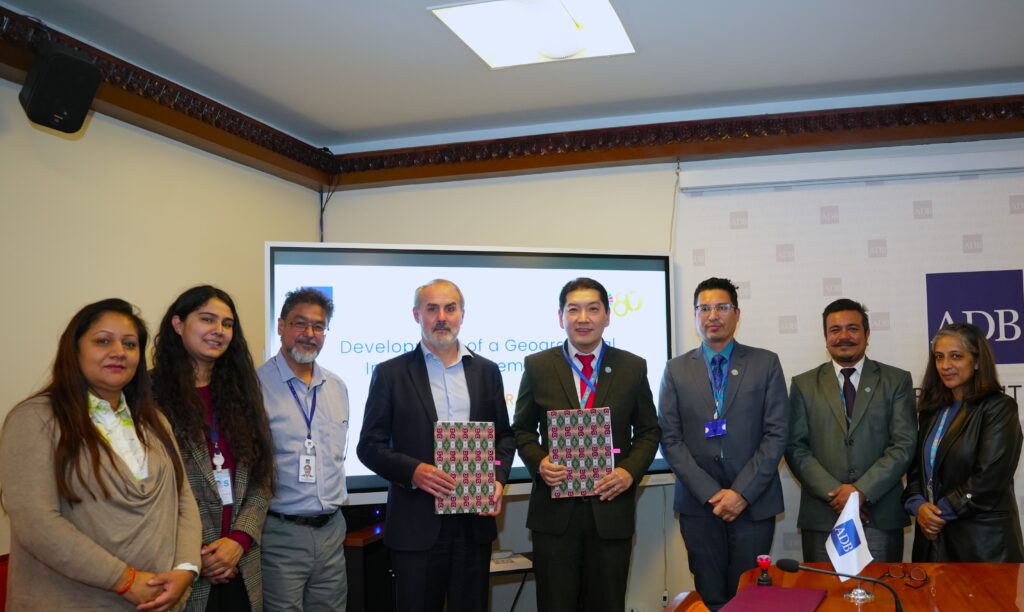
Signed during an official ceremony at Kathmandu, attended by senior government officials, the agreement ensures its full commitment by FAO and ADB in assisting Nepal in establishing a robust national GI system. Through this joint initiative in collaboration with the government authorities, Nepal will identify and register products whose qualities are deeply rooted in their geographic origin, traditional knowledge, and long-standing cultural heritage. Officials stated that this timely move will enable smallholder farmers to earn a premium from products already celebrated for their distinct taste, terroir, and cultural significance.
Geographical Indications (GI), widely appreciated across Europe and increasingly embraced in Asia, offer a formal mechanism to protect products that stem from specific places and traditional knowledge systems. Beyond the legal safeguarding, GIs enhance traceability, food safety, and biodiversity conservation through collective efforts and redirect economic value addition back to rural areas. By keeping the benefits of value captured within the rural communities, GIs promote a resilient, inclusive, and fair value chain across the region.
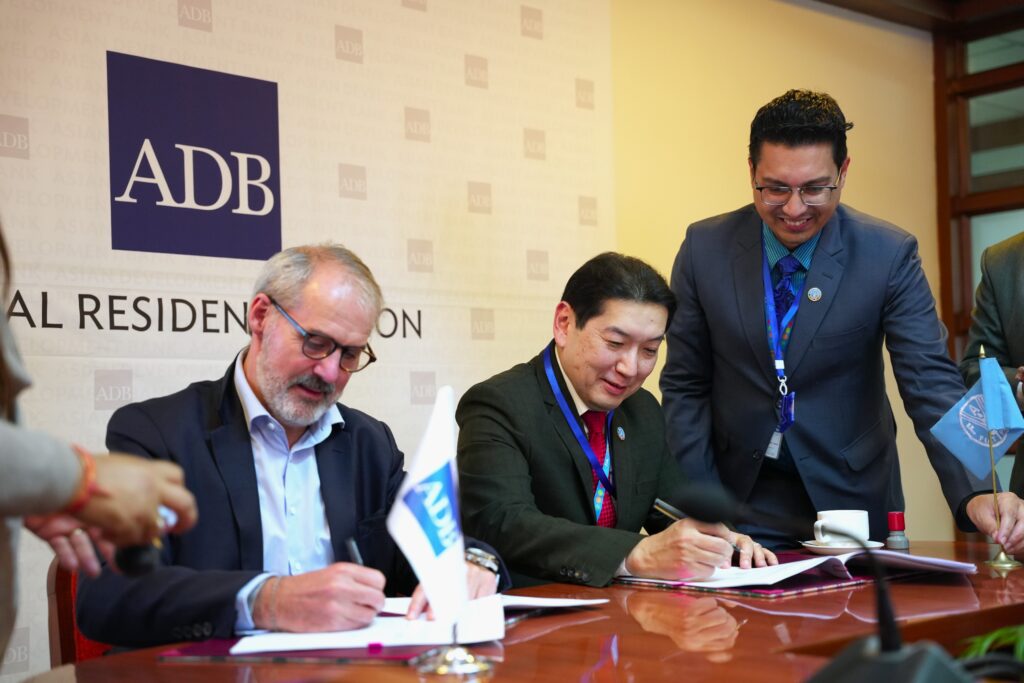
Ken Shimizu, FAO Representative for Bhutan and Nepal, highlighted the transformative potential of the joint initiative. He noted that FAO’s partnership with ADB will help smallholder farmers and producer associations convert generations of traditional agricultural wisdom into measurable economic gains. “Recognition and protection of the geographical identity of Nepal’s agricultural products, such as large cardamom from the east, Jumla apples, Illam tea, and Himalayan native species, can be a favorable driver for rural economic prosperity and livelihood generation. These products and the GI mechanism not only reflect Nepal’s geographical agroecological identity but also equally the cultural ties with the territory. Ken was also thankful for the government of Nepal’s efforts in formalizing the GIs system in Nepal and expressed full technical support of FAO to the government.
Arnaud Cauchois, ADB Country Director for Nepal, echoed this vision during the signing. He underlined that investing in mechanisms like GIs aligns with ADB’s core efforts to strengthen the rural value chain and promote inclusive economic opportunities through enterprise creation. “Geographical Indications create pathways for value addition, niche market creation, and stronger rural livelihoods,” he stated. “We look forward to working with FAO and national partners so Nepal’s unique products receive the recognition they deserve, both at home and abroad.”
Under the agreed framework, FAO and ADB will involve a systematic, country-wide mapping exercise. An expert team will collaborate with federal, provincial, and national partners to map potential products across Nepal’s diverse regions. Selected products from the assessment will undergo rigorous evaluation to confirm their unique link to origin and traditional practices, followed by the development of quality standards, branding, and digital traceability systems. For equitable income generation and value chain, producer associations, many led by women in remote areas, will receive training in quality control, governance, and market access. The program will also support digital traceability, packaging and branding, and pilot market-linkage initiatives to connect producers with premium domestic and international buyers. By combining FAO’s technical expertise with ADB’s development investment, the partnership is well poised to leverage traditional strengths into sustainable economic achievements.