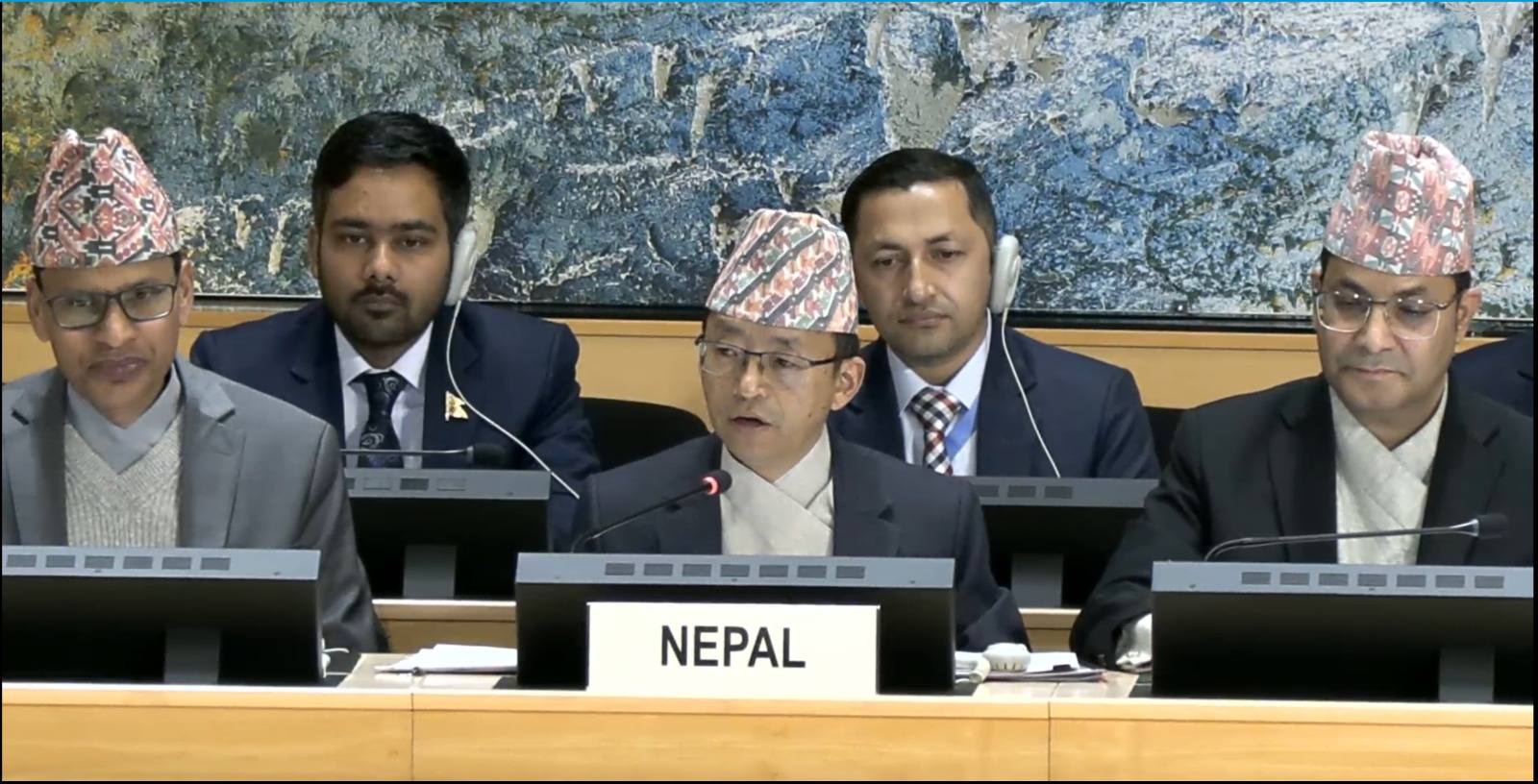
Kathmandu: Nepal has reaffirmed its strong commitment to the protection and promotion of human rights while presenting its national report to the 51st Session of the Human Rights Council Working Group on Universal Periodic Review (UPR) in Geneva on January 21.
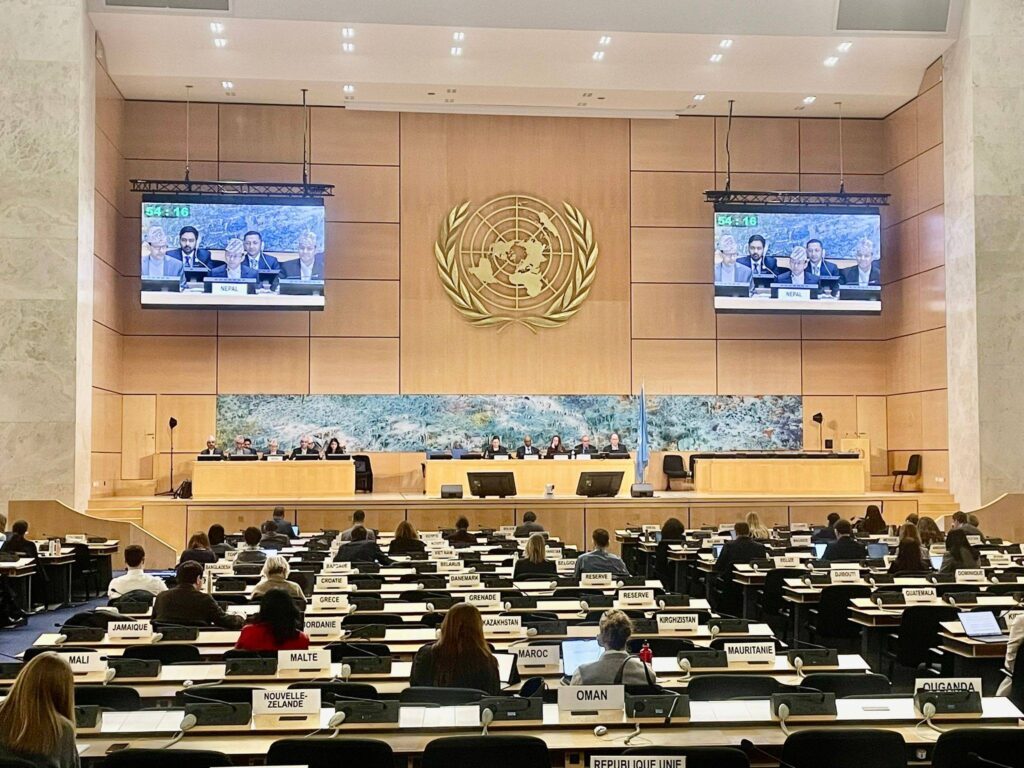
Presenting the report, Foreign Secretary Amrit Bahadur Rai, Leader of the Nepali Delegation, said Nepal attaches high importance to the UPR as an inclusive, cooperative and non-selective mechanism that goes beyond a reporting exercise and serves as a constructive platform for dialogue, learning and improvement.
Addressing the Council, Foreign Secretary Rai stated Nepal’s notable progress since the last review in 2021, particularly in implementing international human rights instruments, strengthening democratic institutions and advancing civil, political, economic, social and cultural rights within the framework of the Constitution. He underscored that the Constitution guarantees equality before the law, access to justice and specific protections for women, children, persons with disabilities, senior citizens, indigenous peoples, Madhesi, Dalit and other marginalized communities.
The Foreign Secretary informed the Council that Nepal accepted 196 out of 233 recommendations received during the third UPR cycle and that most of them have been substantially implemented. A dedicated monitoring mechanism under the Office of the Prime Minister and Council of Ministers continues to oversee implementation, alongside the 5th National Human Rights Action Plan and the UPR Implementation Action Plan. Preparations for the 6th National Human Rights Action Plan are already underway.
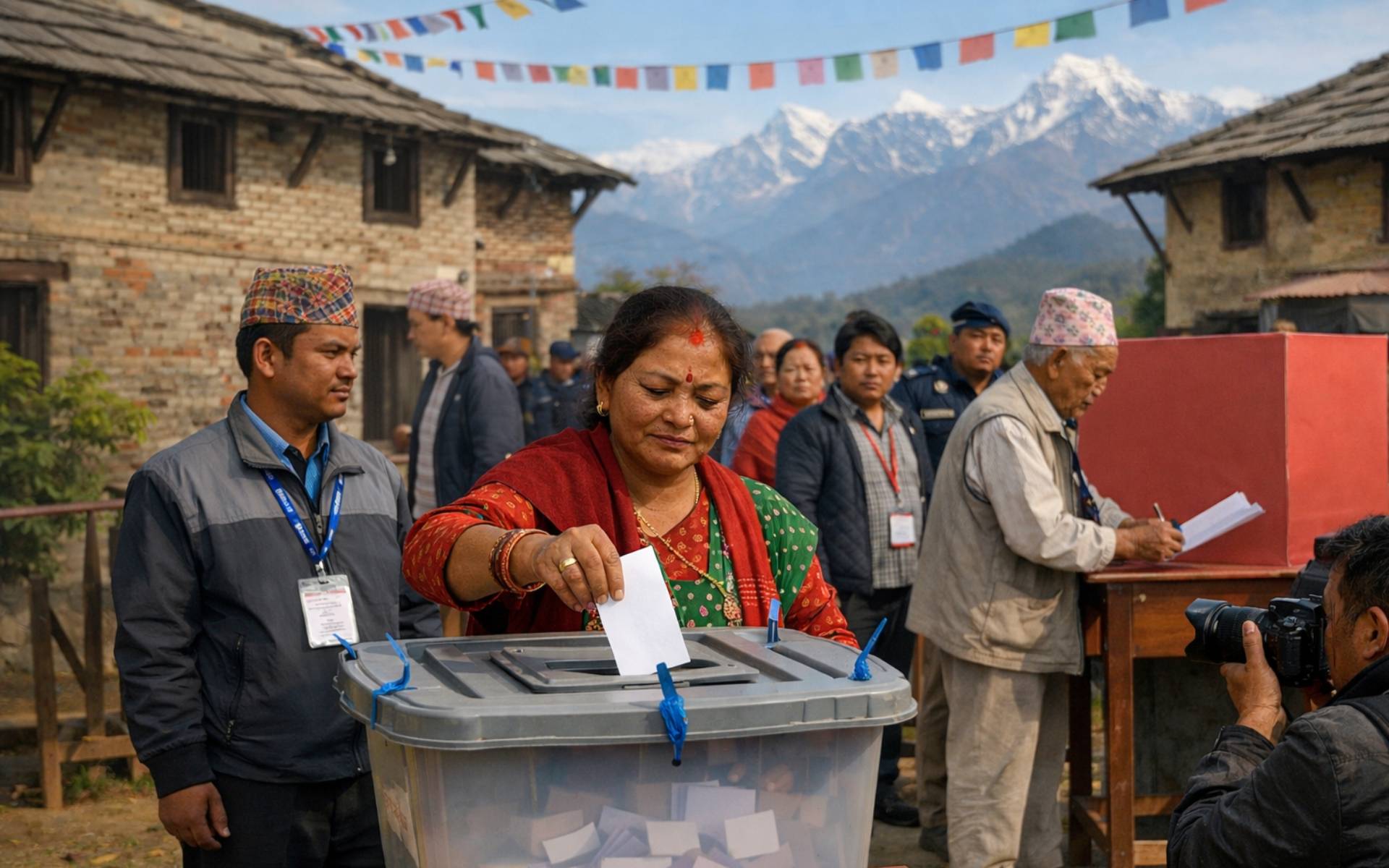
Rai also briefed the Council on Nepal’s recent political developments, including the Gen-Z-led movement of September 2025 that called for accountable, responsive and transparent governance. He said the movement resulted in the formation of an interim government under Prime Minister Rt. Hon. Mrs. Sushila Karki, the first woman to hold the office, and the scheduling of fresh elections for March 5, 2026. An independent inquiry commission has been established to investigate alleged human rights violations during the movement, he added.
Highlighting institutional safeguards, the Foreign Secretary Rai said Nepal’s National Human Rights Commission, accredited with “A” status under the Paris Principles, along with six other independent constitutional commissions, plays a vital role in protecting human rights. He emphasized the role of an independent judiciary and landmark Supreme Court rulings in expanding Nepal’s human rights jurisprudence.
On sectoral progress, Foreign Secretary Rai detailed Nepal’s achievements in women’s rights, including legal reforms, expanded political participation through constitutional quotas, One-Stop Crisis Management Centers in all districts, safe shelters, a gender-based violence elimination fund and an increased gender-responsive budget. He also highlighted advances in social security, employment, health, education, food security and housing for marginalized communities.
The Foreign Secretary Rai stressed Nepal’s human rights-based approach to development, its progress on the Sustainable Development Goals, and its strong stance on climate action, including the commitment to achieve net-zero emissions by 2045 and the hosting of the Sagarmatha Sambaad (Mt. Everest Dialogue) in 2025.
Foreign Secretary Rai also outlined significant steps in transitional justice, including amendments to the Truth and Reconciliation Commission Act that criminalize gross human rights violations and remove provisions for exemption from prosecution. He noted the reconstitution of transitional justice commissions and ongoing efforts to ensure truth, justice and reparations for conflict-era victims.
Acknowledging remaining challenges, Foreign Secretary Rai said limited resources and institutional capacity continue to constrain implementation and emphasized the importance of international cooperation and support. He reaffirmed the government’s commitment to good governance, anti-corruption and accountability.
In closing, Foreign Secretary Rai announced Nepal’s candidature for membership of the Human Rights Council for the 2027–2029 term, seeking the support of member states, and reiterated Nepal’s readiness to engage in an open and constructive dialogue during the review process.