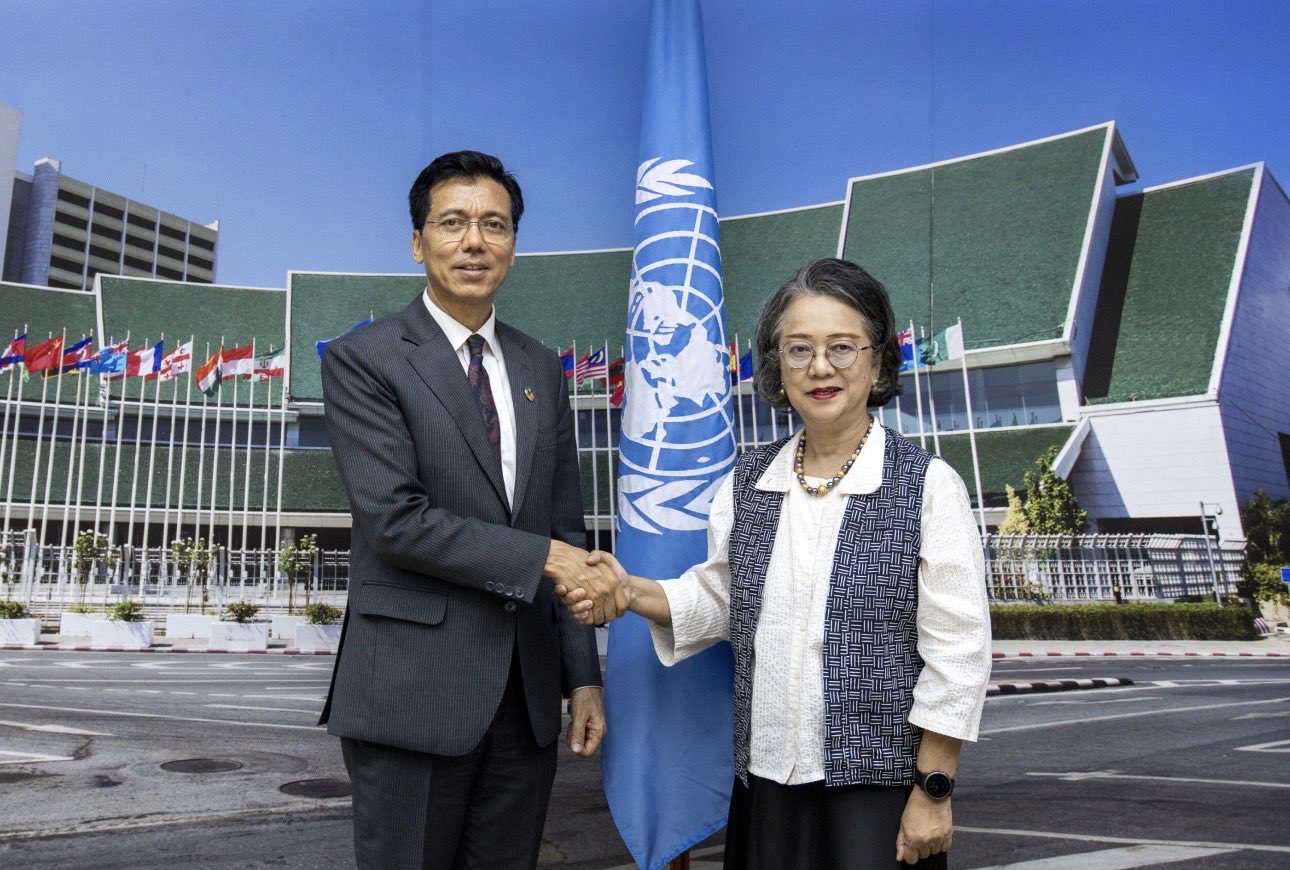
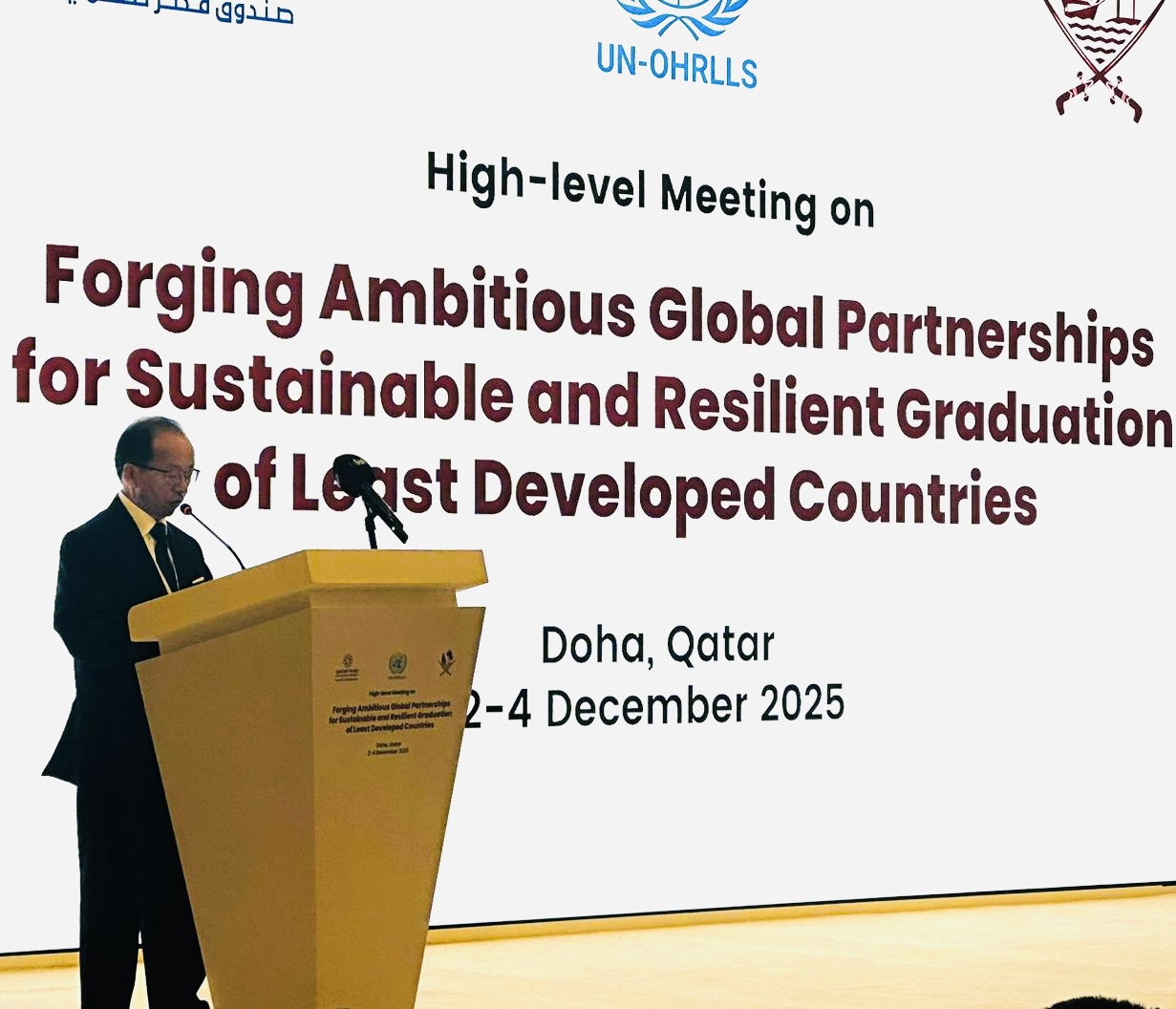
Kathmandu: Foreign Secretary Amrit Bahadur Rai delivered his opening remarks at the High-level Meeting on “Forging Ambitious Global Partnerships for Sustainable and Resilient Graduation of Least Developed Countries” on December 2 in Doha, Qatar.
Speaking as the Chair of the Global Coordination Bureau of the group of LDCs, Foreign Secretary Rai underscored the persistent challenges facing the LDCs, including deep-rooted structural impediments, limited access to international markets, widening digital divides, resources constraints and increasing climate related impacts.
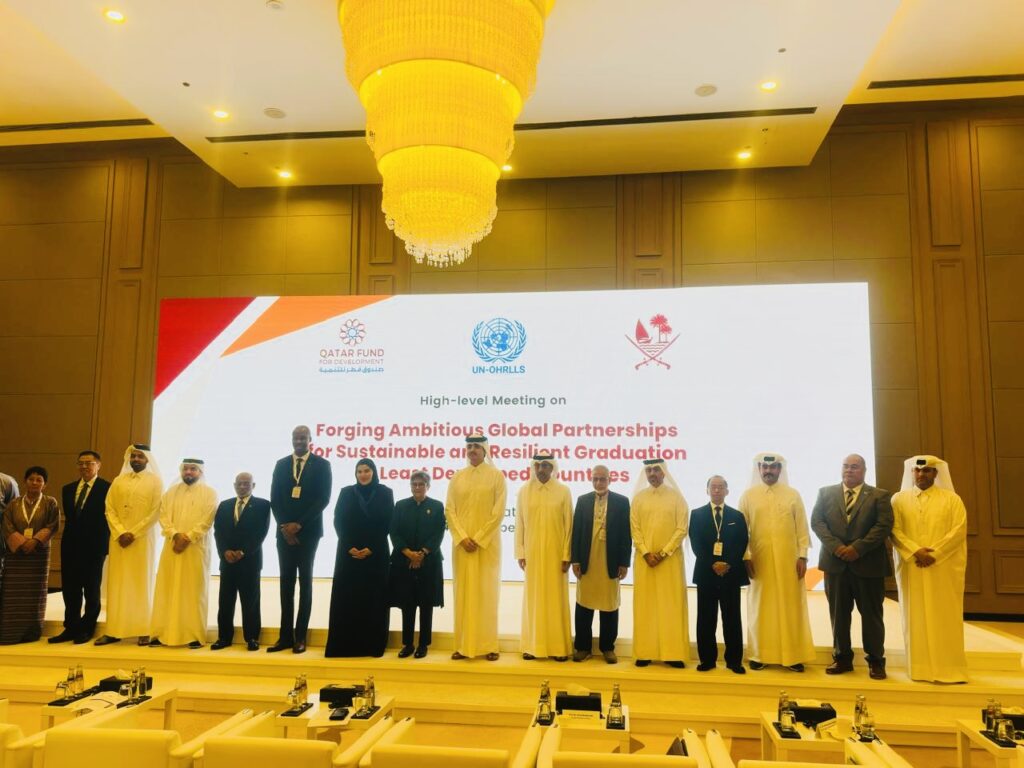
He called for robust global solidarity and ambitious partnership for smooth, sustained, and irreversible graduation of the LDCs. According to the Embassy of Nepal, Doha, the Foreign Secretary also addressed at the session entitled “High-level Ministerial Dialogue on strategic pathways for navigating sustainable graduation amid challenging global development landscape and unlocking new opportunities”.
Foreign Secretary Rai highlighted the key areas – agriculture, hydropower, tourism, manufacturing, ICT and human capital that hold immense potential for Nepal’s economic transformation despite the challenging global development landscape and expressed Nepal’s keen interest to working closely with development partners, the United Nations systems, and the international community for sustained graduation.
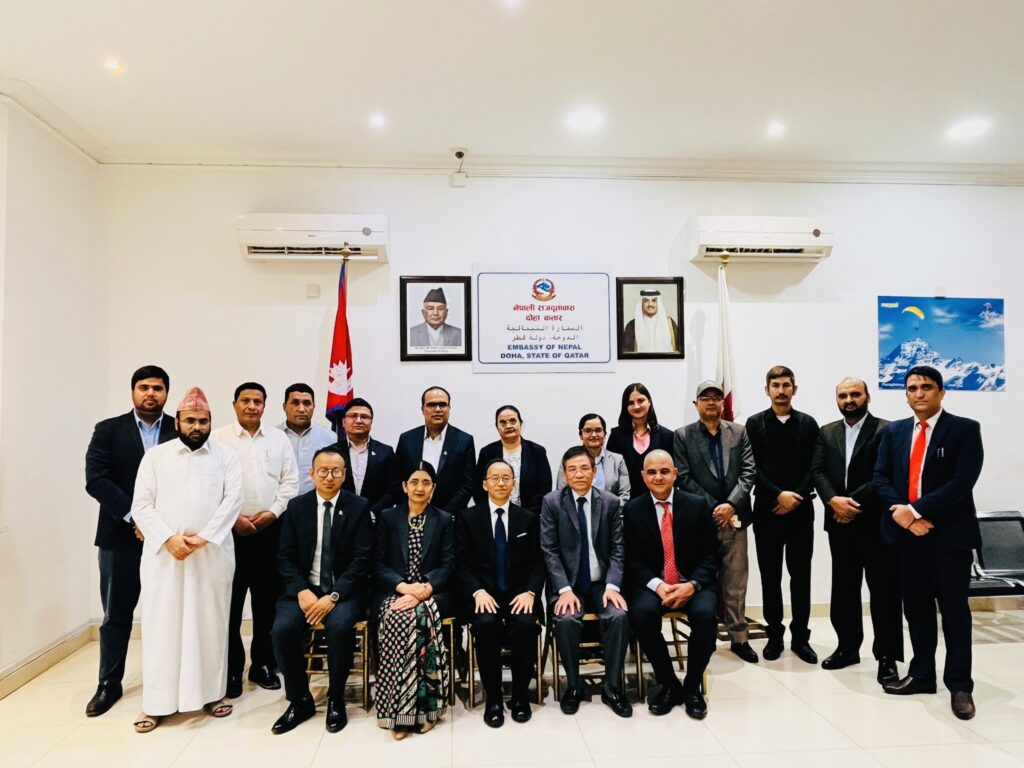
Moreover, Foreign Secretary Rai made an inspection visit to the Embassy of Nepal in Doha. He instructed the Embassy officials to protect and promote Nepal’s national interest as well as make every possible effort to deliver best possible services to Nepali migrant workers living in Qatar. Foreign Secretary Rai is in his three- days visit to Doha in connection with participating in High-level Meeting jointly organized by Government of the State of Qatar and the UN- Office of the High Representative for the Least Developed Countries, Landlocked Developing Countries and Small Island States (UN-OHRLLS).