Bangkok: Inter-Parliamentary Speakers’ Conference (ISC) Secretary General Ek Nath Dhakal has called on parliaments across Asia and the Pacific to translate commitments to children’s rights and well-being into transparent and accountable national budgets amid declining development assistance and growing climate-related challenges.
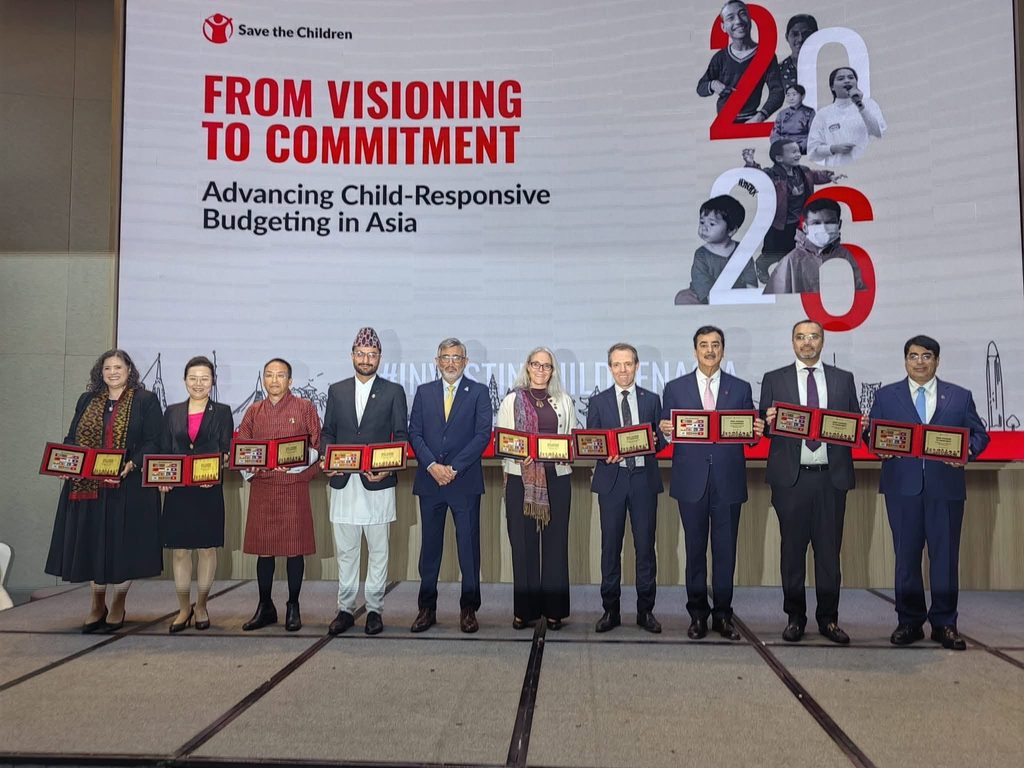
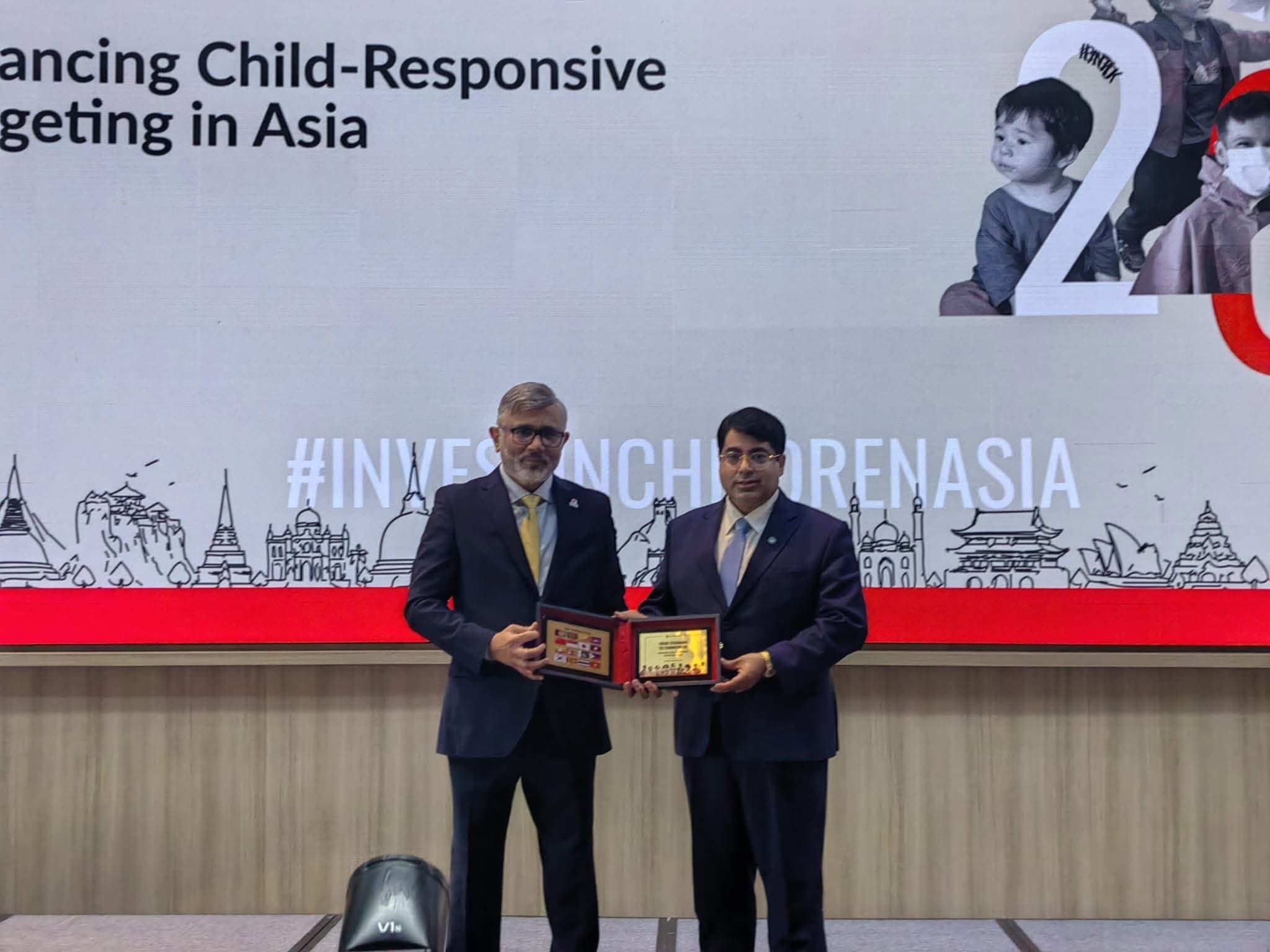
Addressing the Save the Children International regional dialogue, “From Visioning to Commitment: Advancing Child-Responsive Budgeting in Asia,” on Thursday, November 19, Dhakal said legislative decisions have a direct impact on education, healthcare and social services for the region’s more than one billion children.
He commended Save the Children Asia Regional Director Arshad Malik for convening the forum and acknowledged ISC Founding Chair and Chairman of Pakistan’s Senate Syed Yusuf Raza Gilani for promoting parliamentary leadership in child-centred governance.
Dhakal noted that official development assistance (ODA) declined by 23.1 percent in real terms in 2025, citing preliminary data from the Organisation for Economic Co-operation and Development (OECD), even as climate-induced emergencies and multiple crises continue to disrupt education, nutrition and child protection services.
He urged legislatures to exercise their constitutional responsibilities in budget appropriation, oversight and public accountability to safeguard essential social services. He also stressed the need to recognise mental health as an integral part of children’s right to health through dedicated funding for school counselling and community-based psychosocial support programmes.
Highlighting child-responsive budgeting initiatives in the region, Dhakal referred to Pakistan’s Parliamentary Caucus on Child Rights’ scrutiny of the federal budget, Nepal’s efforts on child-responsive budget coding across government levels, and public child-budget reporting practices in Bangladesh.
He said effective resource allocation should be guided by disaggregated data, institutional follow-up mechanisms and meaningful participation of young people in policymaking processes.
Dhakal also reiterated the ISC’s commitment to strengthening regional cooperation on child welfare, saying the organisation, which brings together more than 60 parliaments worldwide, stands ready to facilitate peer learning and establish a formal partnership with Save the Children to advance child-focused priorities across Asia.