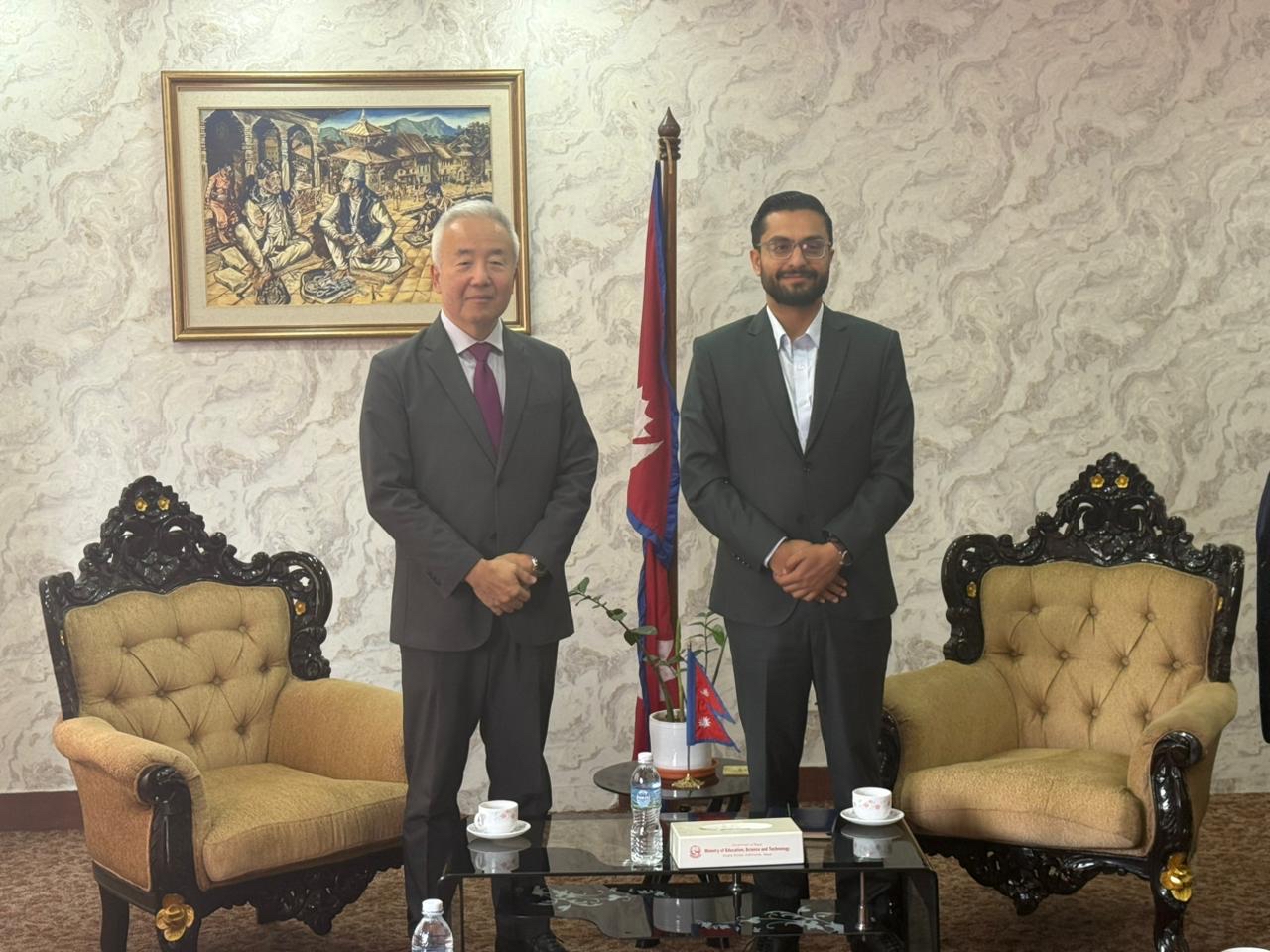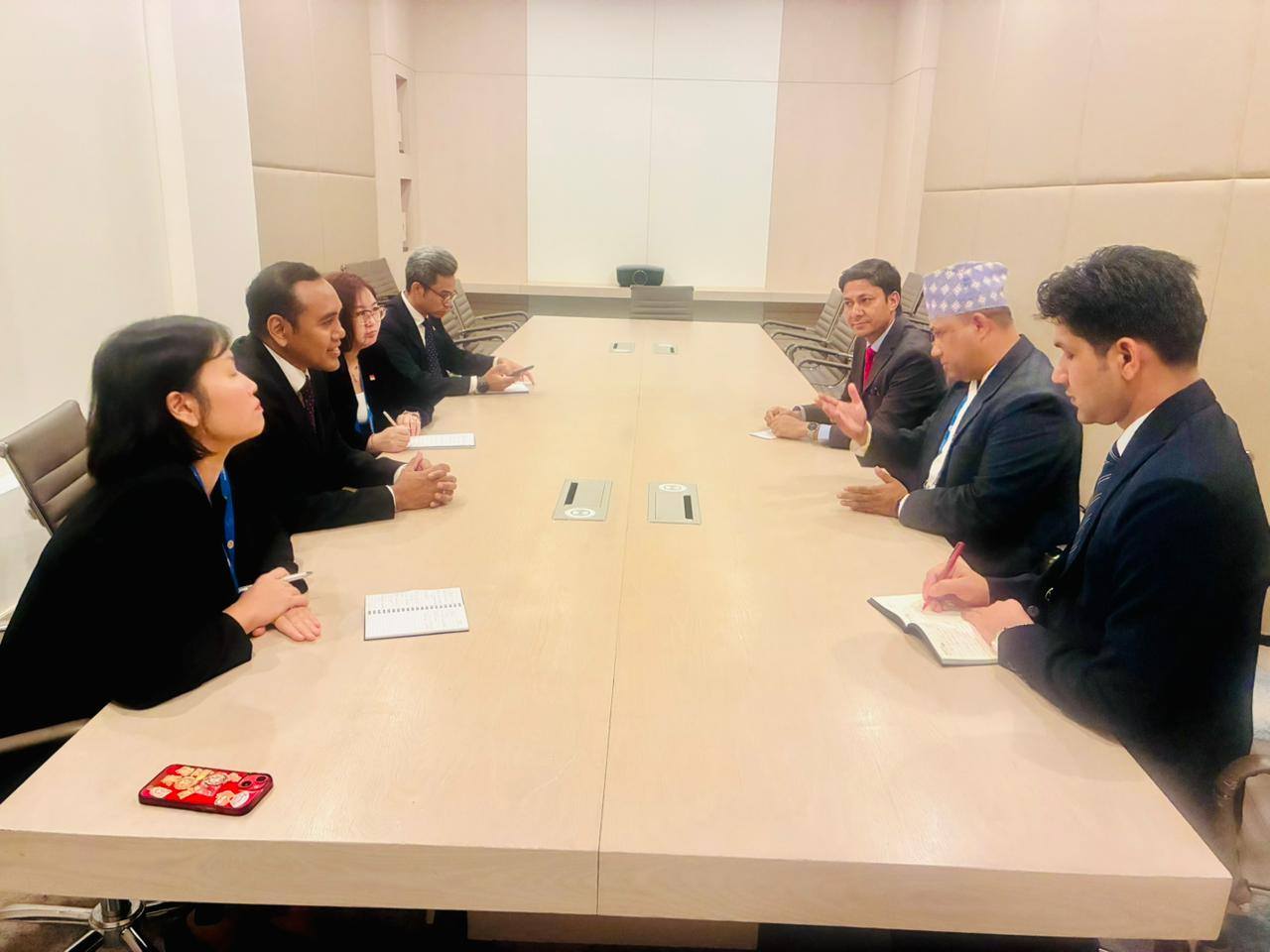
Kathmandu: The Embassy of the Republic of Korea in Nepal organised the 2026 Korean Language Promotion Day at Bishwa Bhasa Campus, Kathmandu, on January 22, 2026. Korean Ambassador to Nepal Tae-young Park attended the programme and encouraged key stakeholders, including Hangeul School and the King Sejong Institute, to further promote Korean language education in Nepal.
Ambassador Park highlighted that the Embassy has been organising various programmes to promote cultural and language exchanges between Nepal and Korea. He expressed confidence that mutual cooperation would further strengthen close ties and elevate bilateral relations.
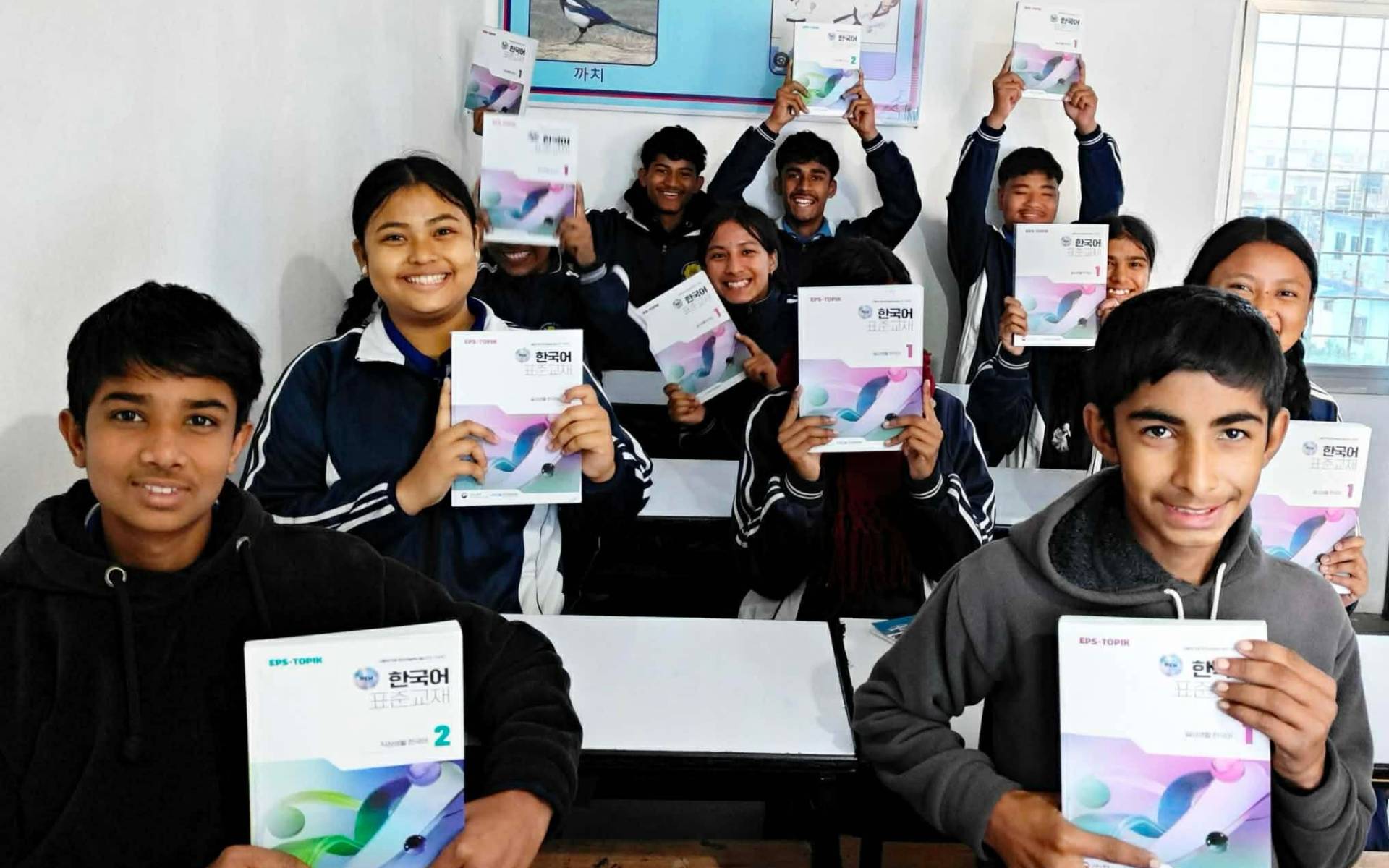
The Korean Embassy has been working closely with the EPS Center, Tribhuvan University, and higher secondary schools across Nepal to support Korean language education. In response to growing interest, the Embassy has provided Korean language textbooks to education centres offering Korean language courses.
The Embassy conducts annual surveys to assess the demand for Korean language textbooks. In 2026, it is distributing 600 Korean books donated by a local government in Korea to relevant institutions. In January 2026, the EPS Center also donated 100 Korean textbooks to a high school in Lumbini Province. Several high schools are planning to include Korean as an optional subject in the Secondary Education Examination (SEE).
Additionally, 36 prospective Korean language teachers completed training programmes in 2023 and 2024 at Bishwa Bhasa Campus, Tribhuvan University, under the Nepalese Korean Language Teacher Training Programme, with financial support of USD 63,000. The Embassy and Korean public agencies in Nepal stated they will continue efforts to improve education quality and access to learning materials, with prospects for establishing Korean language and Korean studies departments at Nepali universities.
Interest in Korean language learning has been growing in Nepal, driven by the popularity of Korean culture, including K-pop, K-dramas, films, and video games.