Kathmandu: Nepal observed its first National Mushroom Day today to promote quality mushroom production, boost domestic consumption, reduce imports, and encourage exports by raising awareness about the importance of mushrooms. The celebration follows a government decision made on December 26.
Mushroom farming contributes about 0.15 percent to Nepal’s agricultural gross domestic product, with around 35,000 farmers directly involved. It has become an important source of income for small- and medium-scale farmers.
According to the Ministry of Agriculture and Livestock Development, Nepal is home to approximately 1,150 species of mushrooms, including 147 edible species, 70 with medicinal value, and about 100 poisonous species. In recent years, mushroom production has grown with support from the government and other stakeholders.
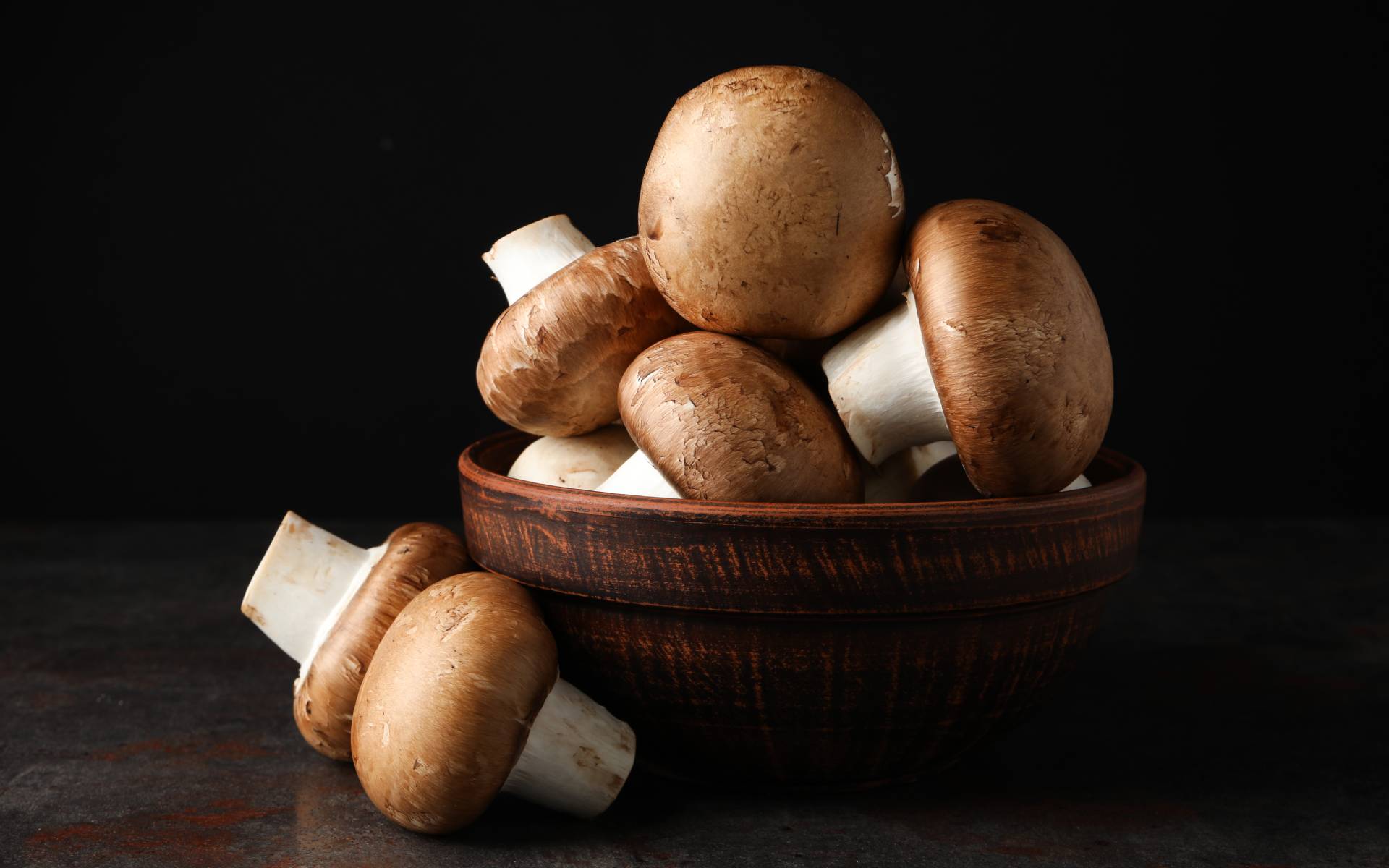
Prakash Kumar Sanjel, Director General of the Department of Agriculture, said that in the fiscal year 2081 BS, Nepal imported 2,262 kilograms of fresh white button mushrooms (Gobre) worth Rs 671,000, while exports reached 17,198 kilograms, generating Rs 10.1 million. Exports of dried mushrooms have also recently begun.
Mushroom cultivation is faster than many other agricultural activities, requiring minimal space and tools, and can be carried out throughout the year. Nepal’s diverse geography and climate make it highly suitable for year-round mushroom farming. Commercial production not only strengthens the agricultural economy but also creates employment, substitutes imports, and promotes exports.
At present, mushroom farming has expanded to 70 districts, with commercial production in 40 districts. According to Santosh Karki, Chair of the Mushroom Producers’ Association Nepal, the total annual production and trade of various mushrooms nationwide is estimated at Rs 20 billion.
Research on white button mushroom production in Nepal began in 2030–31 BS, following initial experimental studies, laying the foundation for today’s growing industry.
(RSS)