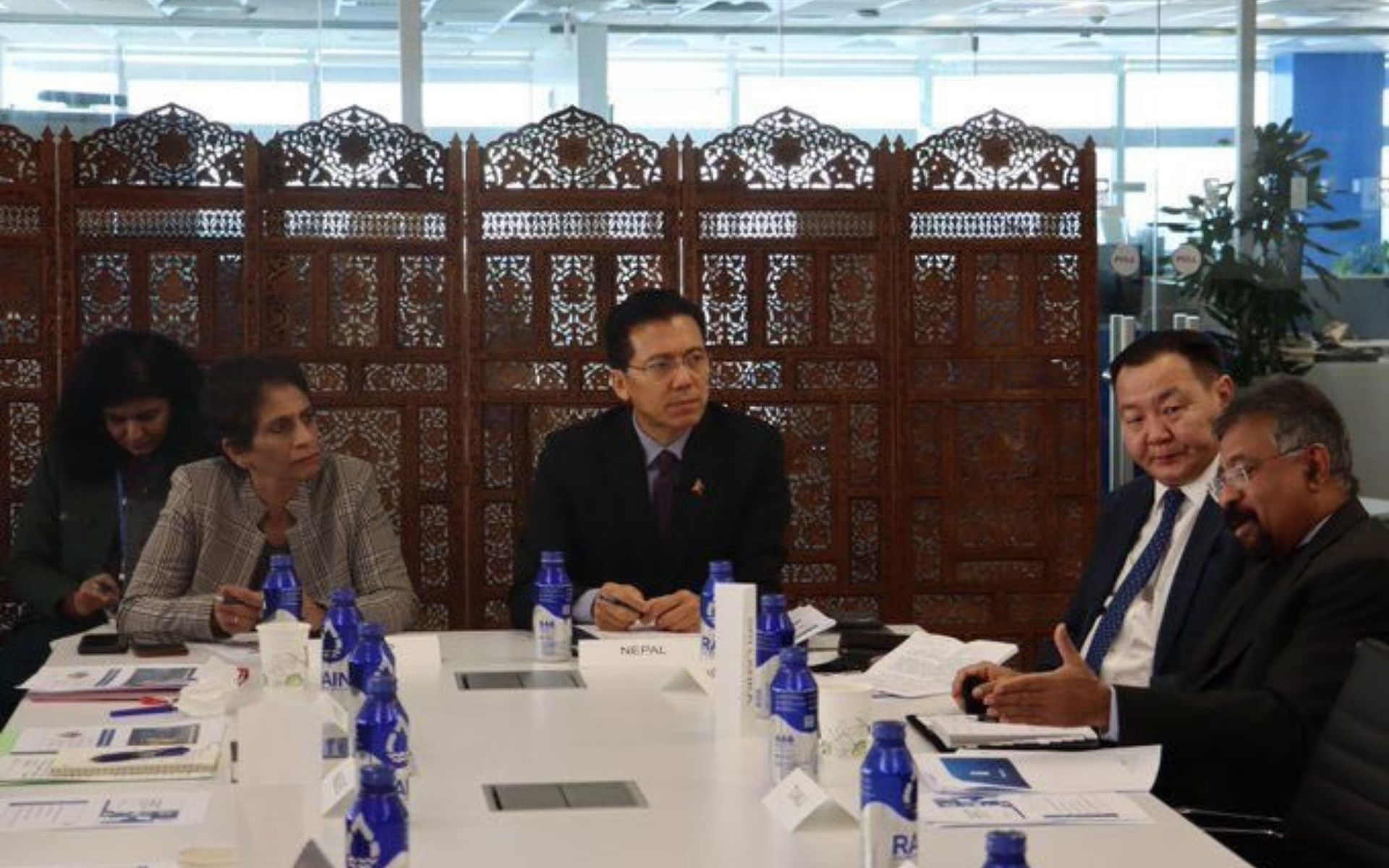
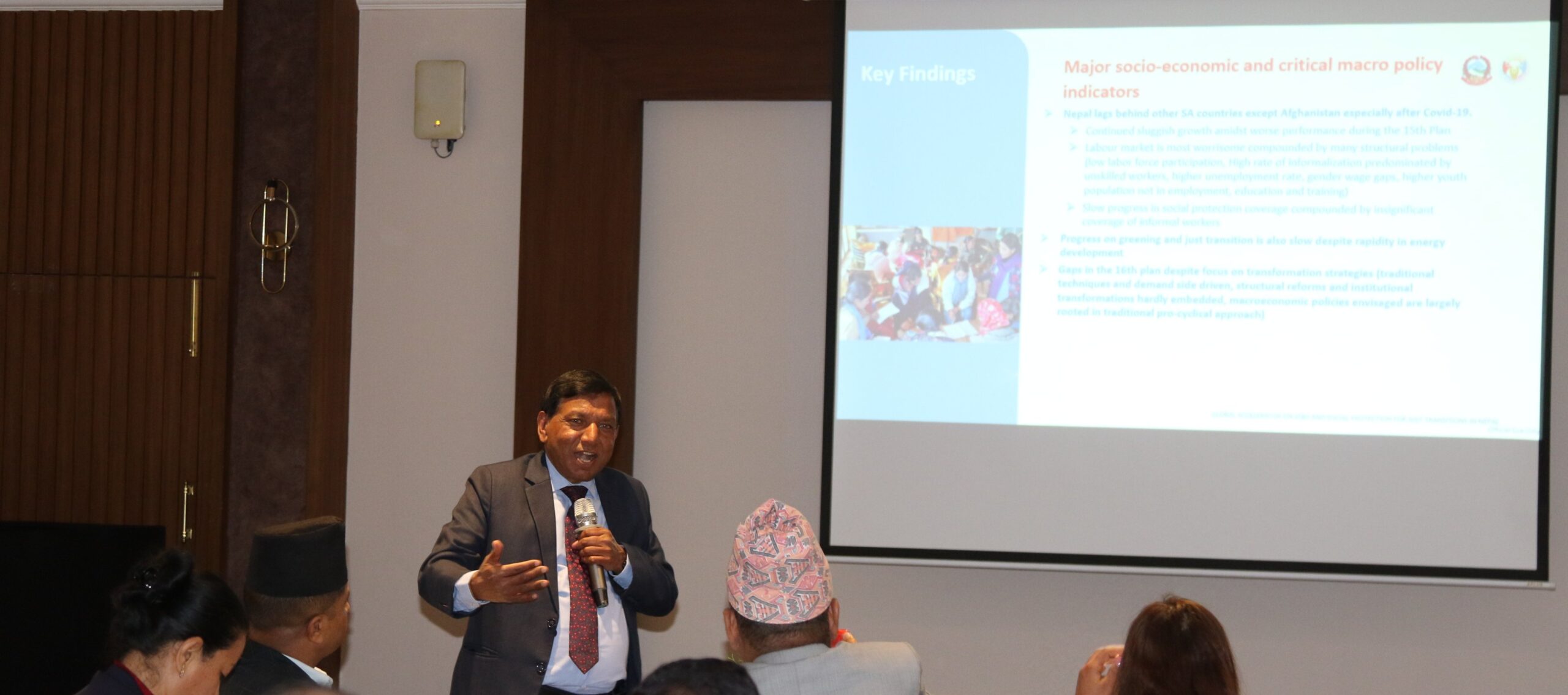
Kathmandu: Nepal has taken a key step toward accelerating job creation and expanding social protection by organizing a National Consultation and Validation Workshop on the proposed National Roadmap for Jobs and Social Protection for Just Transitions. The two-day workshop was held in Kathmandu from February 5 to 6, 2026.
The event was organized by the National Planning Commission (NPC) in partnership with UN agencies including ILO, UNICEF, UNDP, and UN Women under the UN Global Accelerator on Jobs and Social Protection for Just Transitions. The consultation aimed to finalize a national roadmap that responds to Nepal’s changing economic, labour market, and climate challenges.
The proposed roadmap seeks to address issues such as climate change impacts, youth unemployment, informality in the labour market, Nepal’s graduation from Least Developed Country (LDC) status, and gaps in social protection. It focuses on generating decent jobs and expanding social protection in an inclusive, gender-responsive, and sustainable manner.
Nepal joined the UN Global Accelerator as a pathfinder country in February 2024. A national diagnostic workshop held in June 2025 laid the groundwork for developing the roadmap.
Speaking at the opening session, NPC Member Dr. Sunity Shrestha Hada stressed the need to create jobs within Nepal to reduce youth migration and address gender wage gaps. She said the roadmap would provide clear direction and practical policy guidance for employment generation at national and sub-national levels.
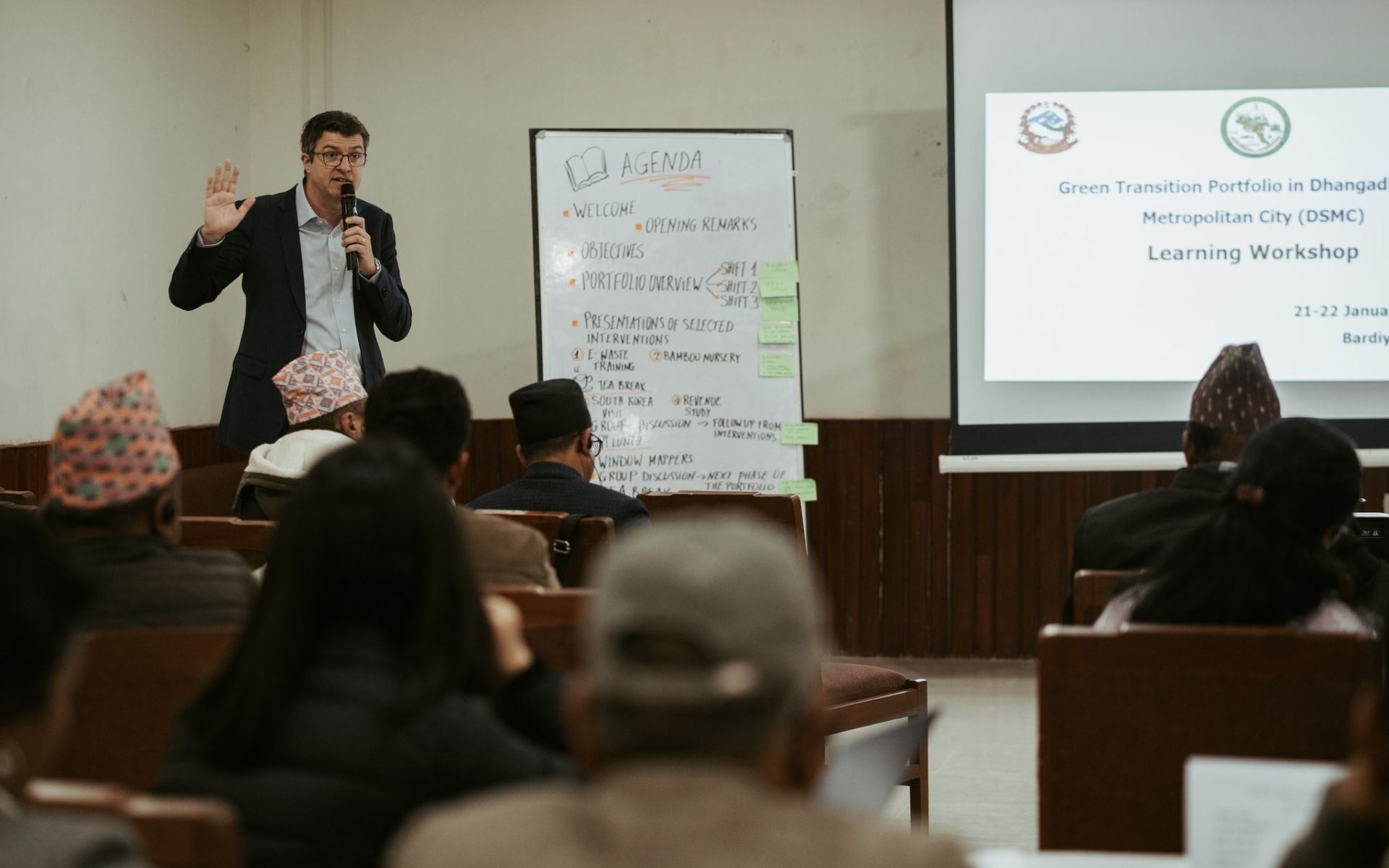
The workshop featured expert presentations, plenary discussions, and validation sessions on the draft roadmap and supporting research. It brought together senior government officials, social partners, development partners, academics, and experts to ensure alignment with national priorities and institutional capacity.
Once validated and adopted, the National Roadmap is expected to guide policy reforms, financing strategies, and partnerships, helping Nepal advance just transitions through decent work, stronger social protection systems, and a more resilient and inclusive economy.