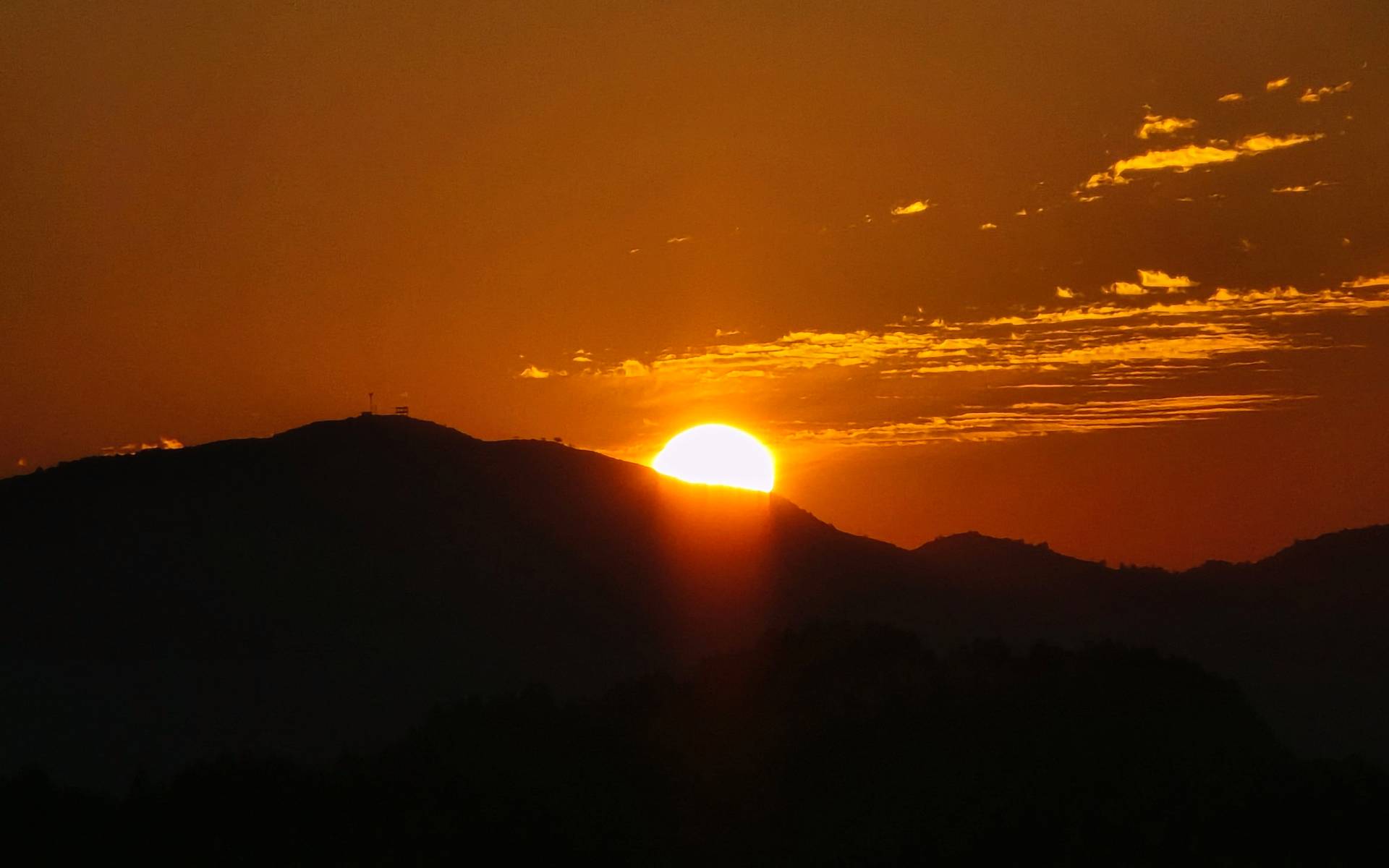
Kathmandu: The year 2026 has begun according to the Gregorian calendar, widely followed in the Christian era, with people around the world exchanging New Year greetings.
The Gregorian calendar, named after Pope Gregory XIII and based on the birth year of Jesus Christ, is structured entirely on the solar cycle. While it is globally recognized, some scholars have raised questions about its scientific precision. Researcher Dr. Shastradutta Pant noted that the Bikram Samvat calendar, which balances both solar and lunar months, is considered more scientifically sound. However, he added that the global influence and acceptance of the Christian era remain unmatched.
A solar year consists of 365 days, 6 hours and 49 minutes, though smaller time units are often excluded from calendar calculations for simplicity. According to Dr. Pant, the Bikram Samvat system addresses this through the adjustment of leap months every three years. He said the Gregorian calendar attempts to correct time differences through a leap-year system, but differences of opinion still exist even among Western countries.
In recent years, the celebration of the English New Year has gained popularity in Nepal. To welcome New Year 2026, various programs and festivities are being organized in areas with a large presence of foreign visitors, including Thamel and Boudha in Kathmandu, as well as Pokhara, Sauraha and other tourist destinations across the country.
(RSS)