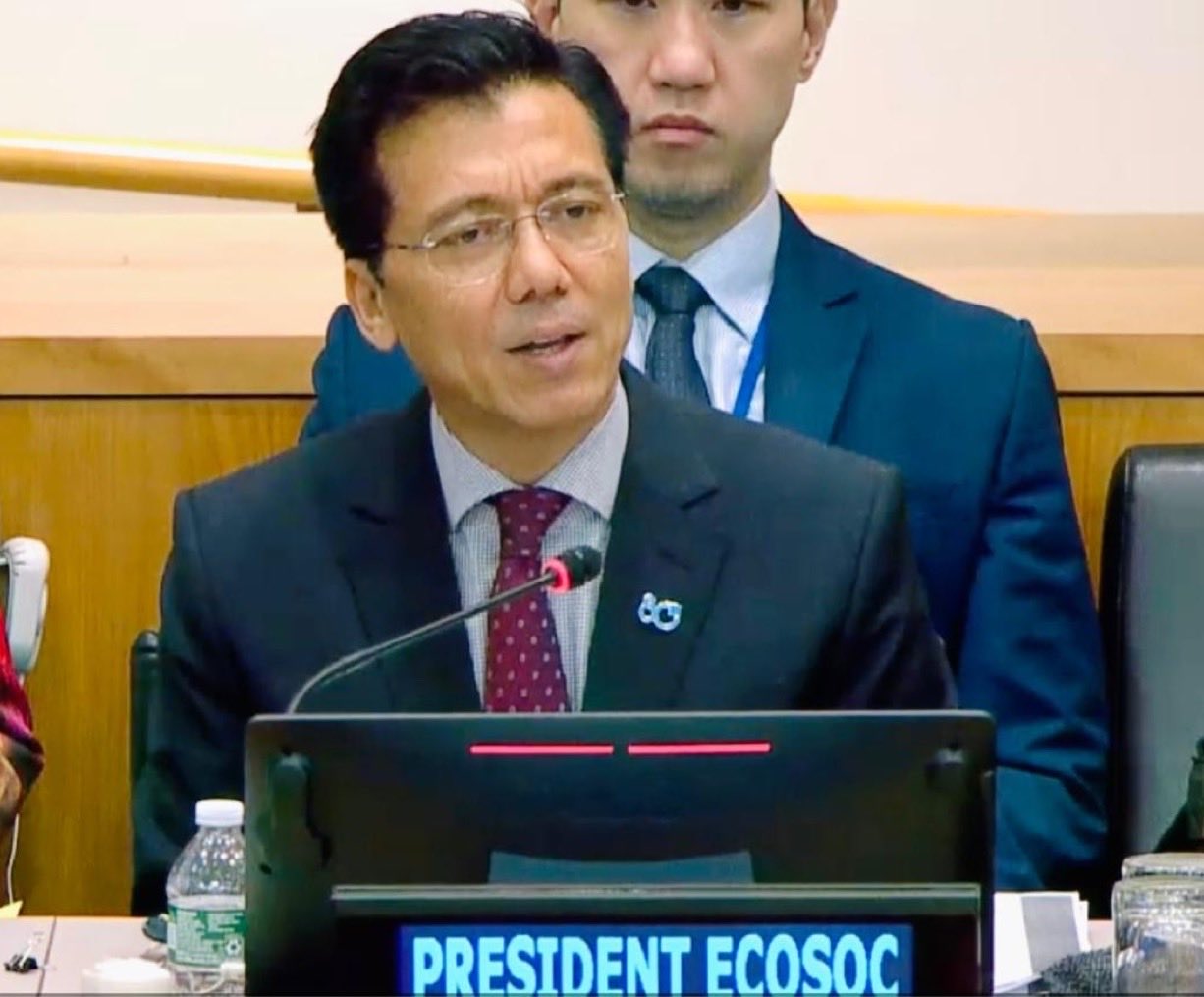
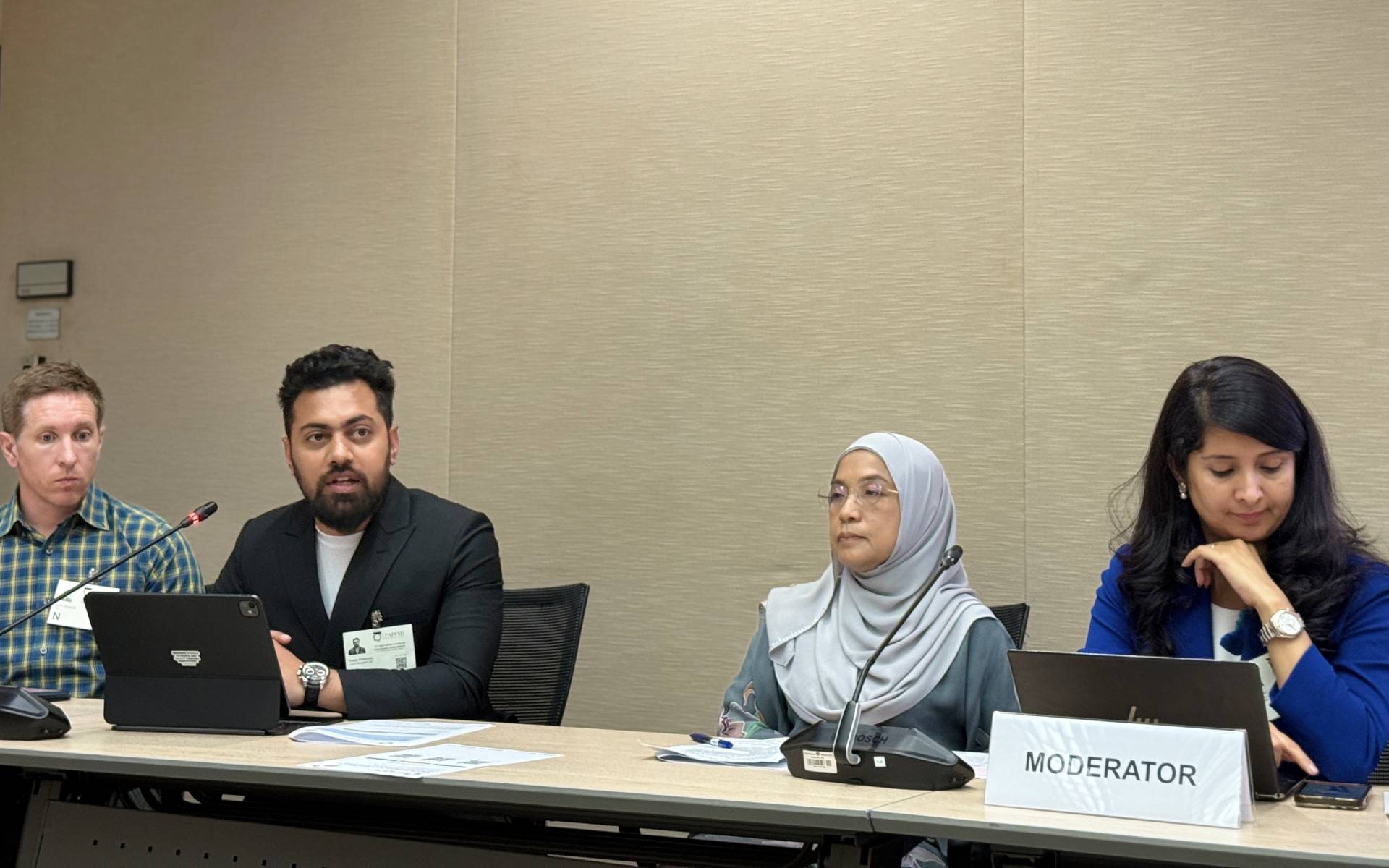
Kathmandu: Pradip Khatiwada, Founder and Executive Director of Youth Innovation Lab, participated as a panel discussant at the Sustainable Development Goal 9 (Industry, Innovation and Infrastructure) Round Table during the 13th Asia-Pacific Forum on Sustainable Development 2026 held at the United Nations Conference Centre in Bangkok.
The roundtable convened representatives from governments, UN agencies, civil society, academia and the private sector to review regional progress and identify pathways for advancing inclusive and sustainable industrialization, strengthening innovation ecosystems and building resilient infrastructure across the Asia-Pacific region.
Representing Nepal, Khatiwada shared perspectives on digital public infrastructure, youth-led innovation, climate-resilient systems and multi-stakeholder partnerships as key enablers for accelerating progress toward the United Nations’ 2030 Agenda for Sustainable Development.
In his remarks, he highlighted the transformative potential of emerging technologies, particularly Artificial Intelligence, in helping countries leapfrog development challenges and build smarter, more livable cities and industries.
Khatiwada stressed that innovation should not remain concentrated in a few regions or institutions, noting that many young people and small businesses across communities still lack access to advanced tools, resources and institutional support.
To address this gap, he proposed the establishment of Regional Innovation Hubs across the Asia-Pacific by 2030. According to him, these hubs could serve as collaborative centers that attract talent, encourage partnerships and ensure that innovation ecosystems remain inclusive and accessible to communities of all sizes.
Drawing from Youth Innovation Lab’s experience, Khatiwada highlighted initiatives such as the TagMe campaign, which engages young people as citizen scientists to document local issues including waste management, landslides and pollution. He also referenced collaborations supporting integrated disaster information management systems for the Government of Nepal, developing multi-hazard risk assessment tools like RiskChanges with global universities, and advancing in-house AI models such as RiskAI for disaster and climate scenario analysis.
He concluded by calling on governments, international organizations, academia, the private sector and youth to work together to unlock the full potential of innovation and technology in building a smarter, more resilient and inclusive Asia-Pacific region by 2030.