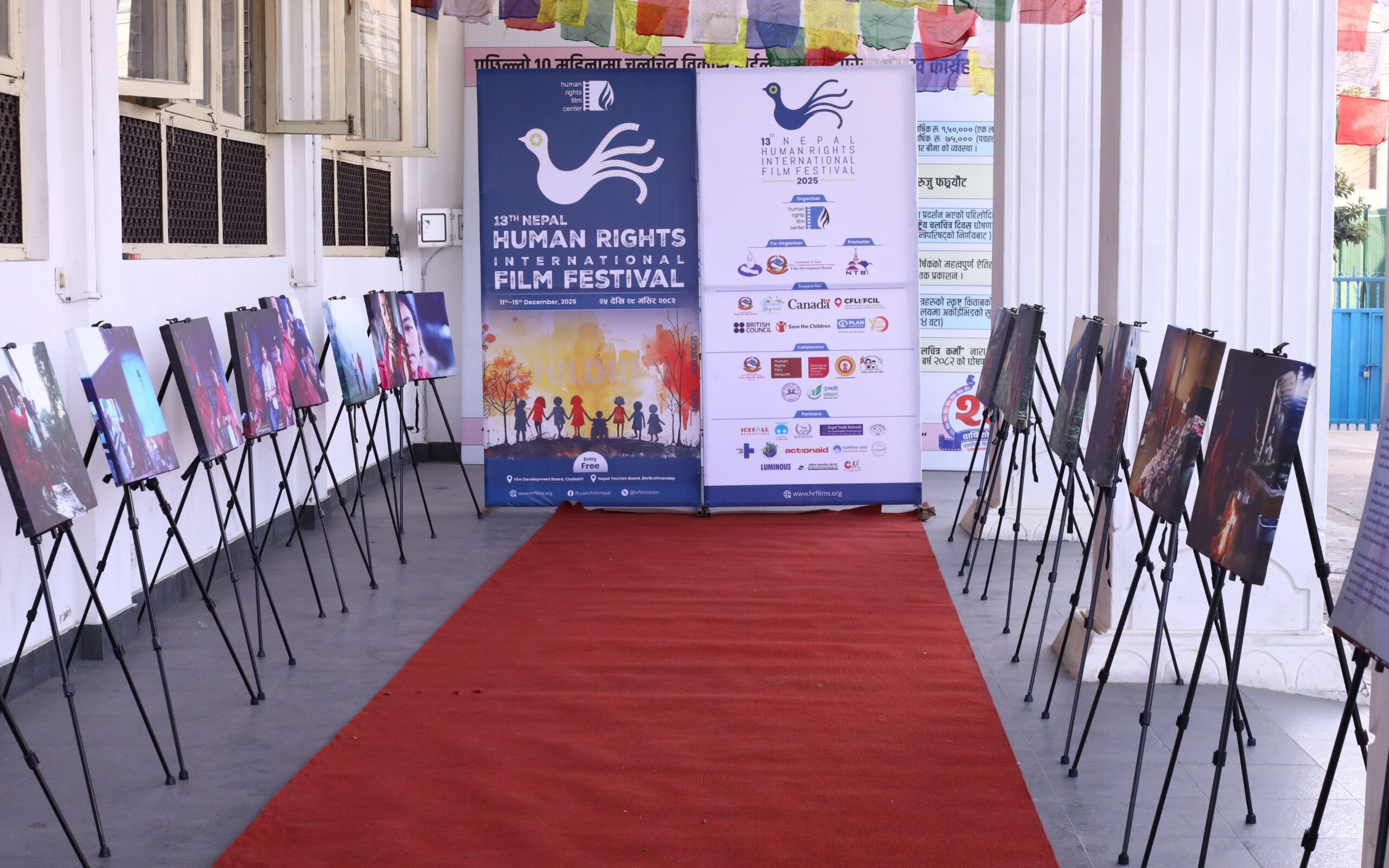
Kathmandu: The 13th edition of the Nepal Human Rights International Film Festival (NHRIFF), organized by the Human Rights Film Center (HRFC) and held from December 11 to 15, reaffirmed the power of cinema as an effective tool for awareness-raising, education, and social change.
Over five days, the festival brought together filmmakers, human rights defenders, policymakers, artists, and audiences to engage with stories that foreground justice, dignity, and human rights.
What started as a start-up festival in 2010, NHRIFF has become one of the longest-running and most prominent film festivals of Nepal, celebrating its 15th year. In its 13th edition, NHRIFF screened more than 50 films from 26 countries at venues including the Film Development Board and the Nepal Tourism Board.
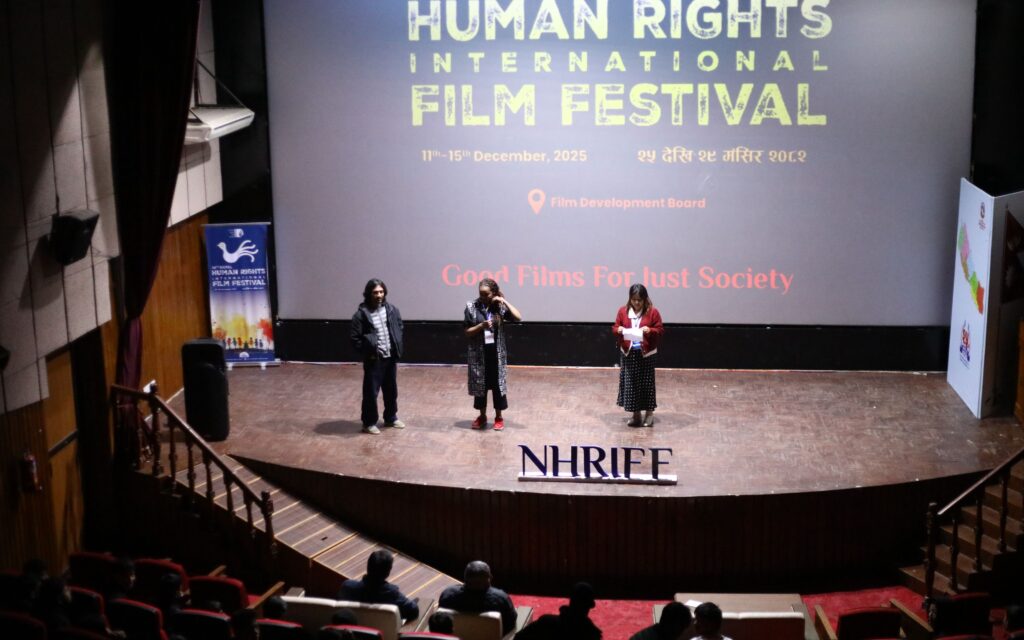
Centred on the theme “Child Rights,” the festival received over 700 film submissions from national and international filmmakers. The selected films drive collecting voices for the better protection and promotion of human rights, underscore the urgent need to protect and promote children’s rights in Nepal and beyond.
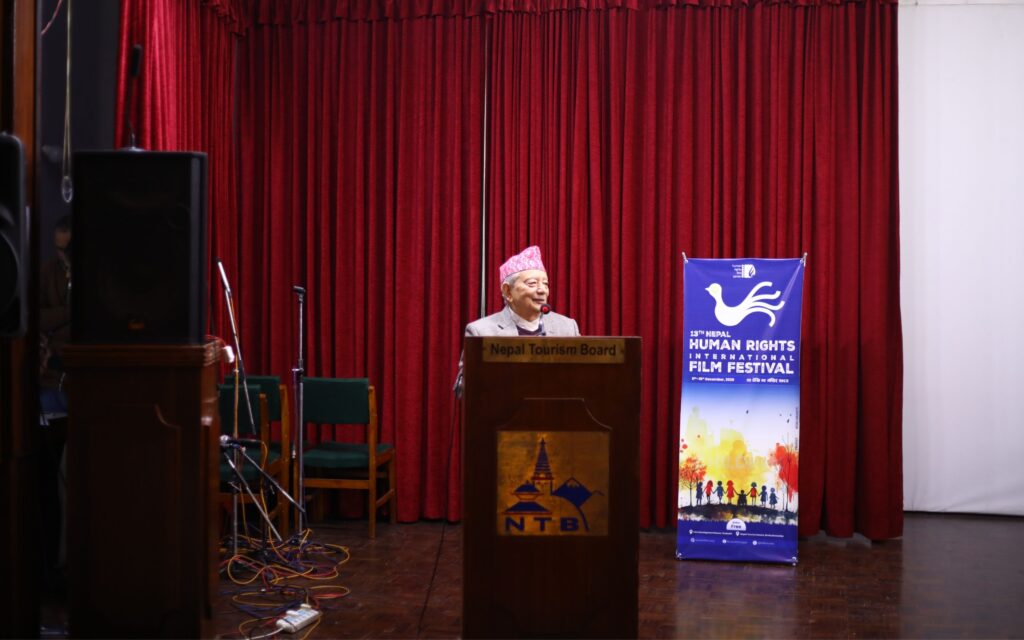
Speaking at the opening ceremony, Top Bahadur Magar, Chairperson of the National Human Rights Center, emphasized that many children in Nepal continue to be deprived of their basic rights. He noted that films serve as a powerful medium to educate communities, expose injustices, and inspire collective action toward positive social transformation.
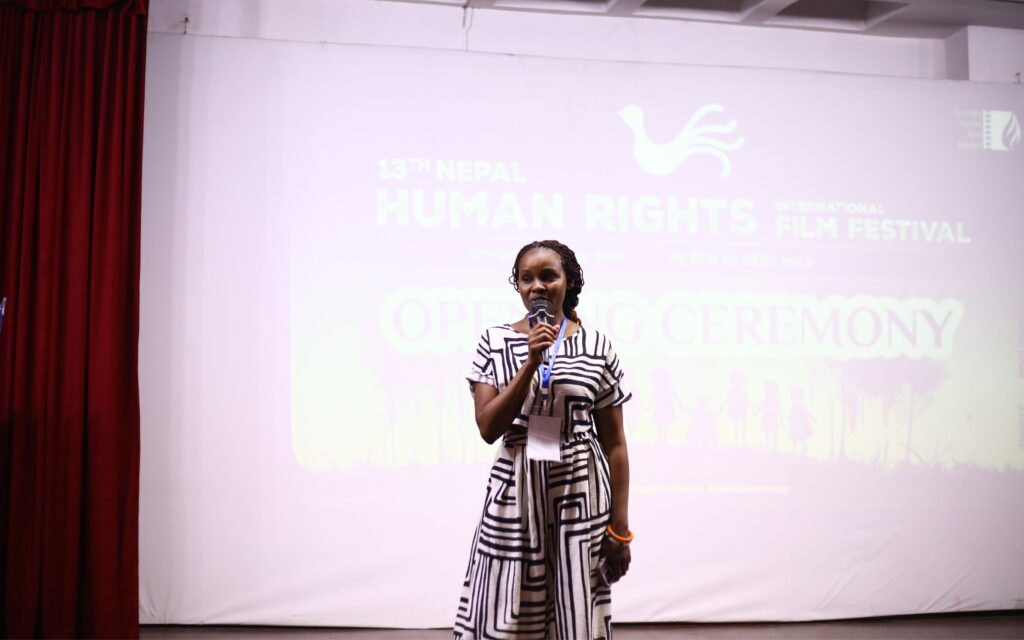
The opening ceremony was graced by the screening of the short documentary With Grace by ADina Mwende and Julia Dahr, which explored themes of resilience, reflection, laughter, climate change, and environmental protection through a deeply personal lens.
Reflecting on the film, director ADina Mwende stressed the importance of allowing children to tell their own stories. “I feel really connected when we are telling our own stories from our own perspectives. But when we give children the microphone to tell their stories, other than us grown-ups just talking about them, or talking to them, or telling their stories, we allow them just as Grace has been telling her story,” she said, addressing the significance of her documentary and the film festival. “So, for me, that is the most important thing, just allowing children, giving them the mic, this place, and also getting their stories out there in a way that they can be heard, and they can be seen.”
The opening ceremony also included screenings of Hamro Shram Kina Kam? by ActionAid Nepal, a documentary focusing on the lived realities of women workers across Nepal, and The Call, a short fiction film by Nepali filmmaker Jyotsana Simha Thakuri.
Over the following days, the festival showcased a wide range of films. NHRIFF Day 2 screened about 17 different films, followed by 10 films on days 3 and 4. And thus, closing with the screening of 14 films.
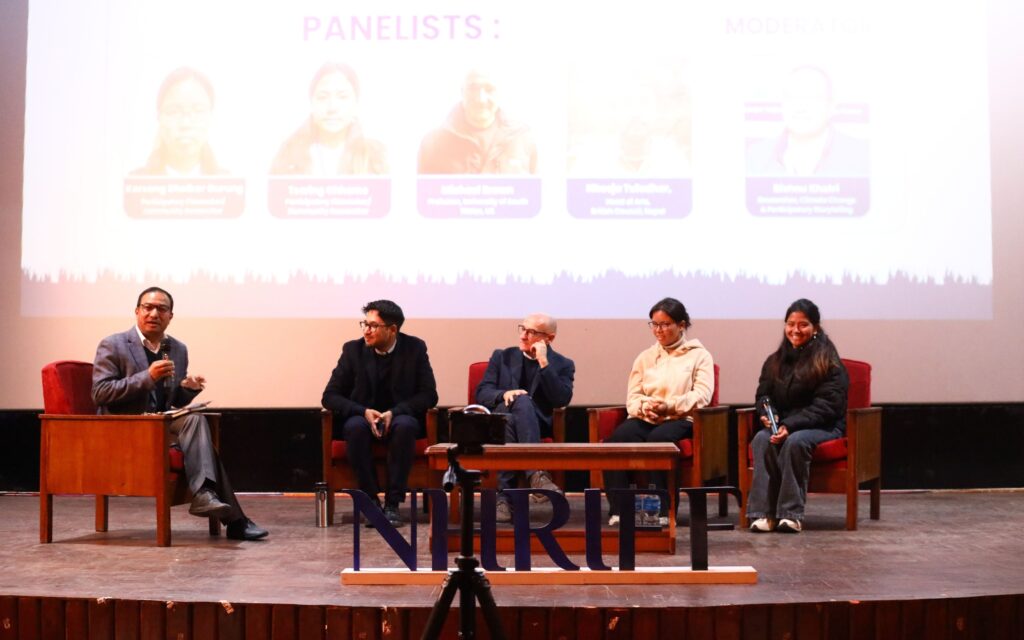
Beyond film screenings, NHRIFF hosted several panel discussions and learning sessions. These included a discussion on “Rights and Dignity of Care Workers and the Care Economy” during the closing ceremony, as well as a masterclass titled “Breakthrough Strategy: How to Make Your Film Project Stand Out at Tasveer and Beyond,” offering practical insights for emerging filmmakers.
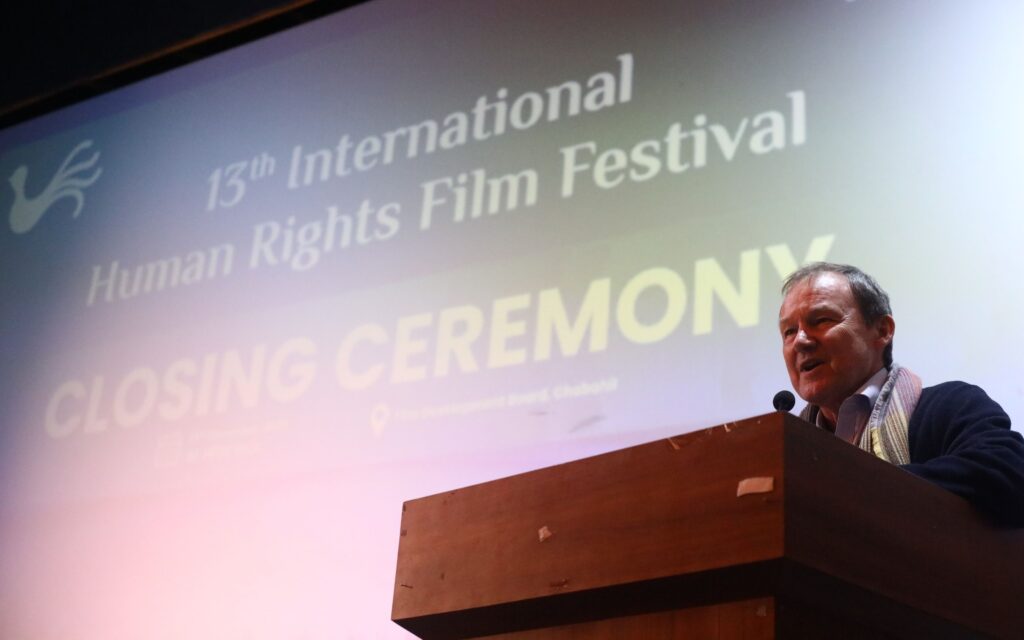
The closing ceremony of the festival was graced by the Ambassador of the UK to Nepal, Rob Fenn, Rustom Mody, Country Director of the British Council in Nepal, followed by representatives from Plan International Nepal and Yuwa Nepal.
Addressing the audience, Ambassador Fenn remarked that Nepal is increasingly gaining global recognition and noted that festivals like NHRIFF play a significant role in that process. “Nepal is breaking through, right now, it is getting its global recognition. And, I think this festival has played a significant part,” he said.“The storytelling that goes on to a film, can be a very power educator and animator. And the call to action, including around climate.”
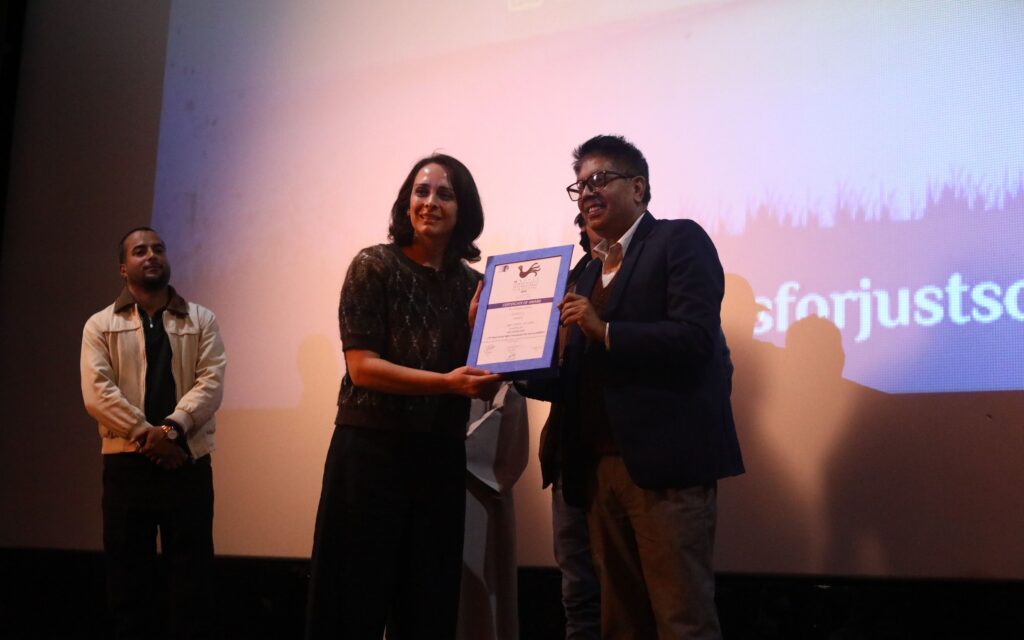
Moreover, at the closing ceremony, winners across various categories were announced, celebrating outstanding cinematic achievements. LMina received the award for Best Documentary Short (International), while Don’t Be Late, Myra was honored as Best Narrative Short (International). The Best Feature award went to Laptein, and Rihana won Best Film in the Nepali Panorama category. The Jury Mention was awarded to Shakti, and Aashuka Aryal was recognized as Best Women Director (Nepali) for Kamana, bringing the festival to a meaningful close that celebrated both creative excellence and human rights advocacy.
The winners in each of the six different categories were also honored with a cash prize of NPR 80,000, recognizing and encouraging filmmaking that promotes human rights, social justice, and meaningful storytelling.
The 13th edition did not just bring filmmakers from 26 different countries, but held various interactive sessions, ensuring discussions on such issues and reaffirming the power of cinema as a tool for awareness-raising, education, and social change. At the end of the festival, one thing that became clear that visual storytelling was a powerful toolkit for creating a chain of reaction, creating awareness, and driving change for a just society.