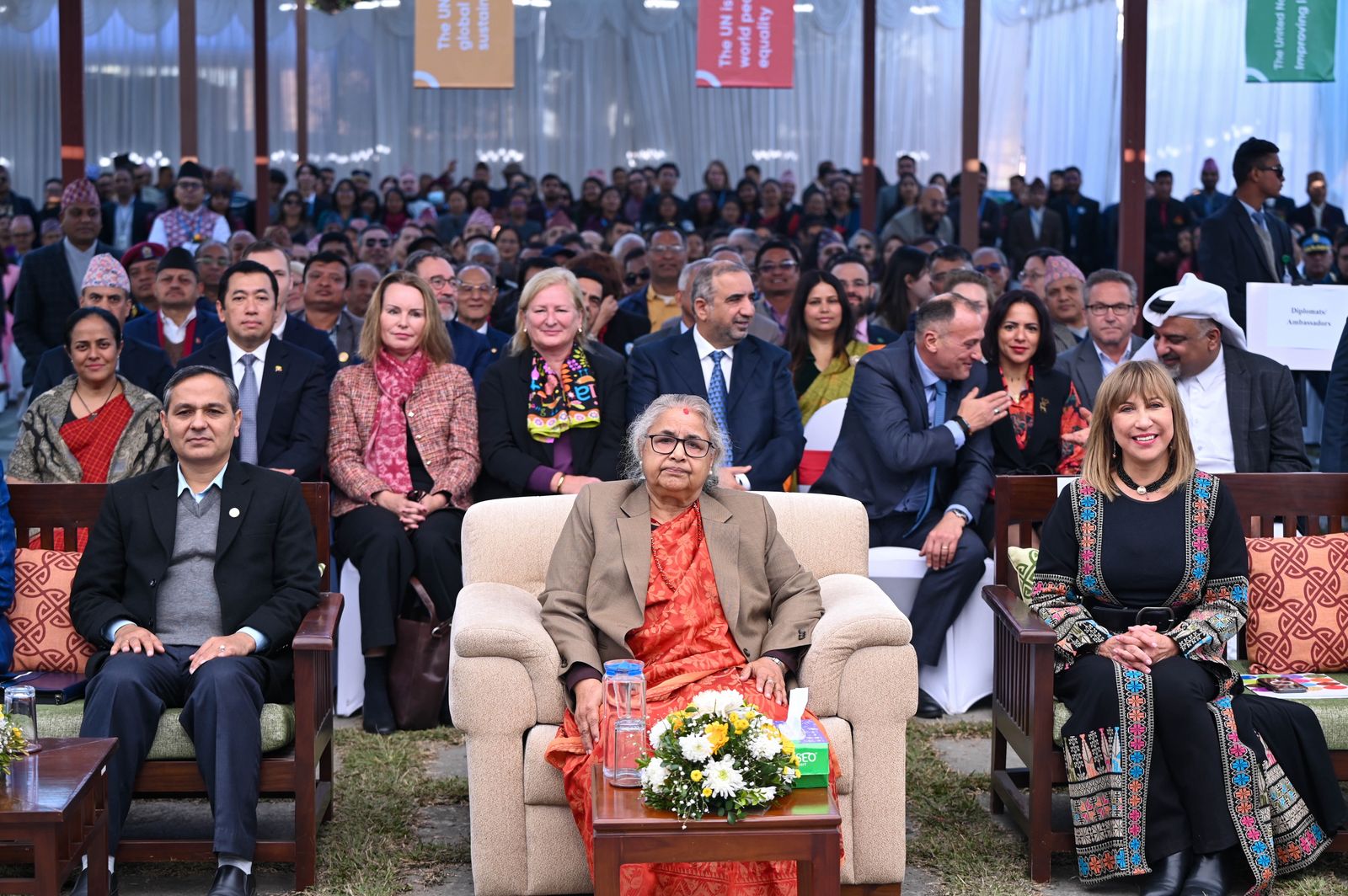
Kathmandu: As the United Nations marked 80 years since its founding, Nepal on December 19 celebrated 70 years of partnership with the UN, a relationship that has shaped lives, strengthened institutions, and positioned Nepal as both a beneficiary and a global contributor to peace and development.
This milestone traces back to 14 December 1955, when Nepal formally became a Member State of the United Nations-a decision that laid the foundation for seven decades of cooperation in service of the Nepali people and the global community.
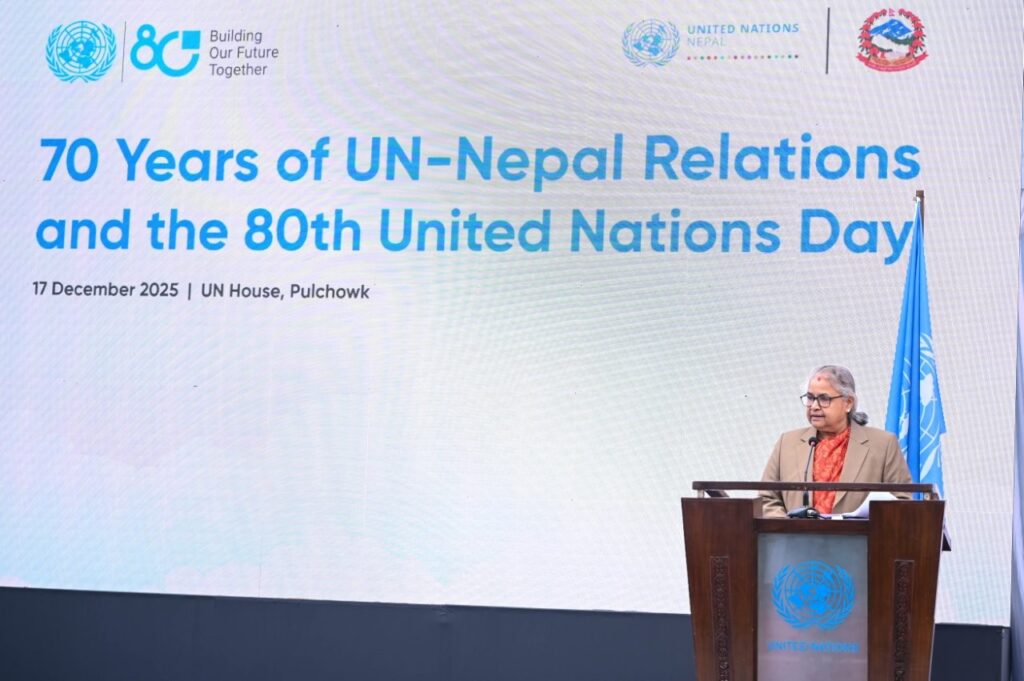
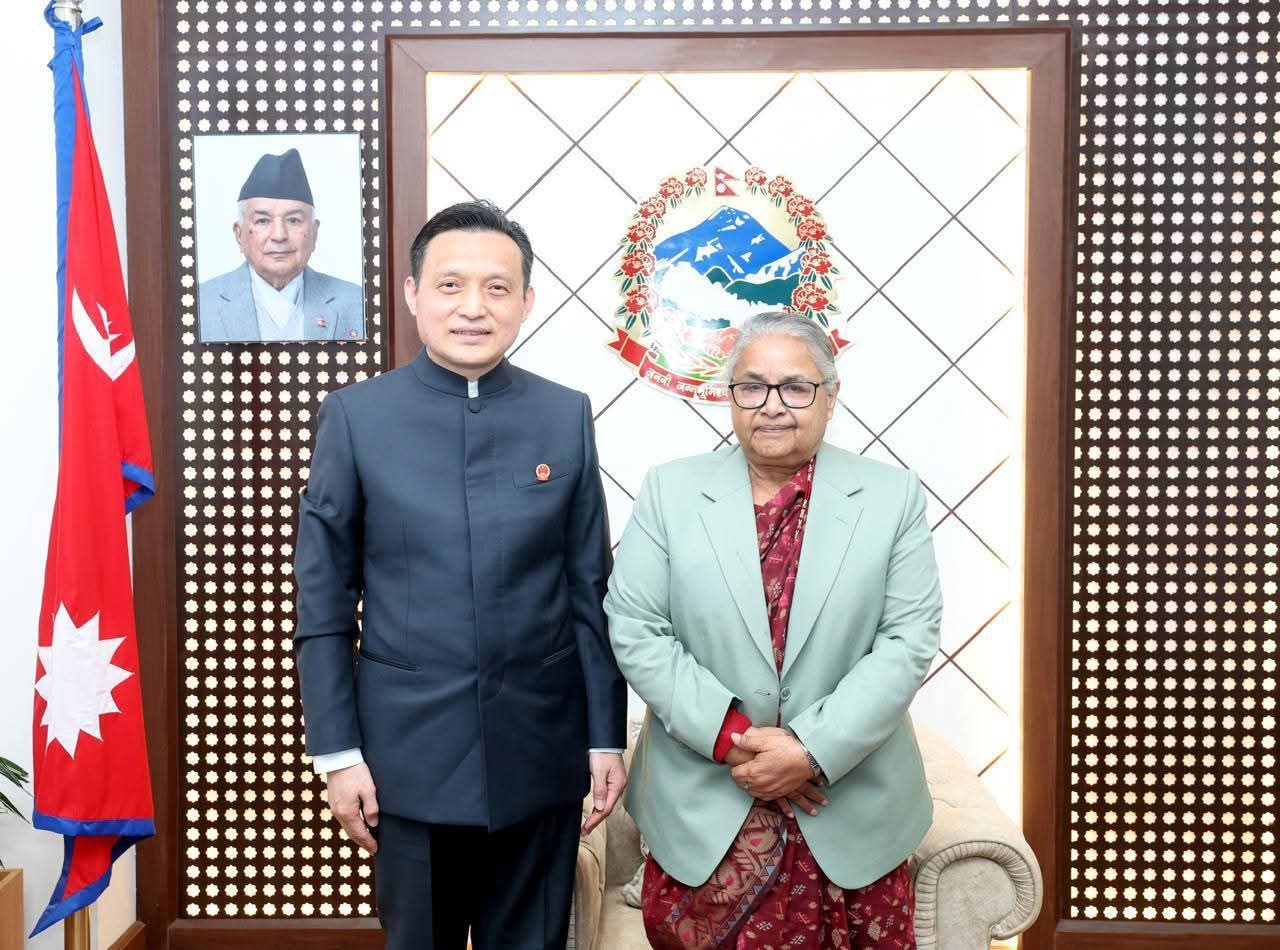
Held at UN House, the UN Day 2025 celebration was exceptionally high-level and marked by strong national ownership. The Prime Minister of Nepal, Sushila Karki, five Cabinet Ministers, the Chiefs of all security agencies, members of the diplomatic corps, development partners, civil society, and the United Nations Country Team came together to reflect on the partnership’s history and on what seven decades of cooperation have delivered for Nepal and for the world.
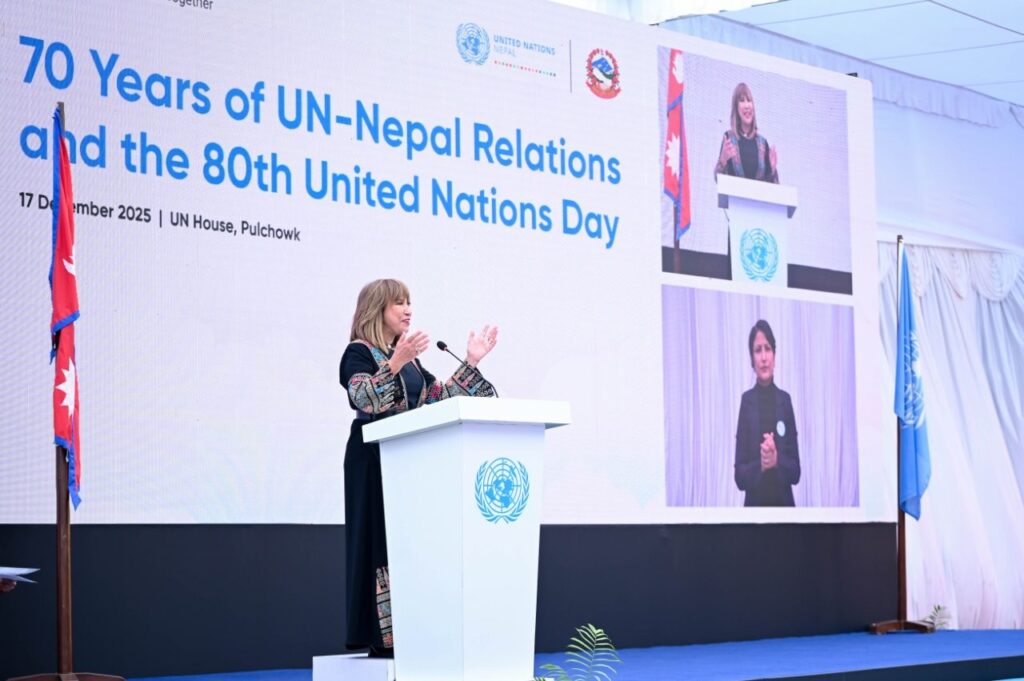
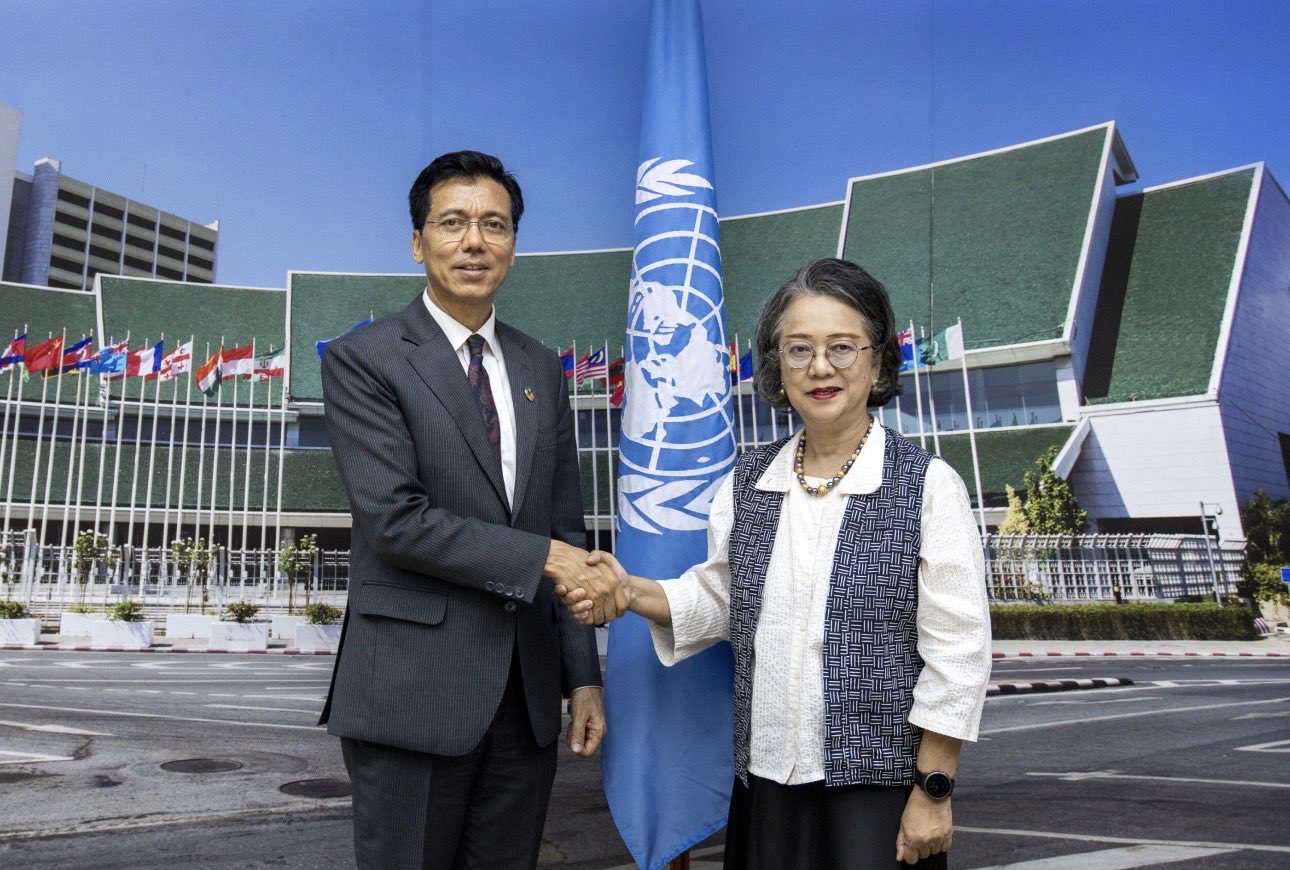
In her address, the United Nations Resident Coordinator Hanaa Singer-Hamdy underscored that the UN was founded on a historic choice — cooperation over division, hope over despair, and peace over power — emphasizing that peace is not the dividend of development, but its foundation. Reflecting on 70 years of UN–Nepal partnership, she highlighted progress in poverty reduction, maternal health, education, water and sanitation, forest restoration, renewable energy, and post-2015 earthquake recovery, and thanked the Government of Nepal, partners, and UN colleagues for keeping people at the centre of delivery.
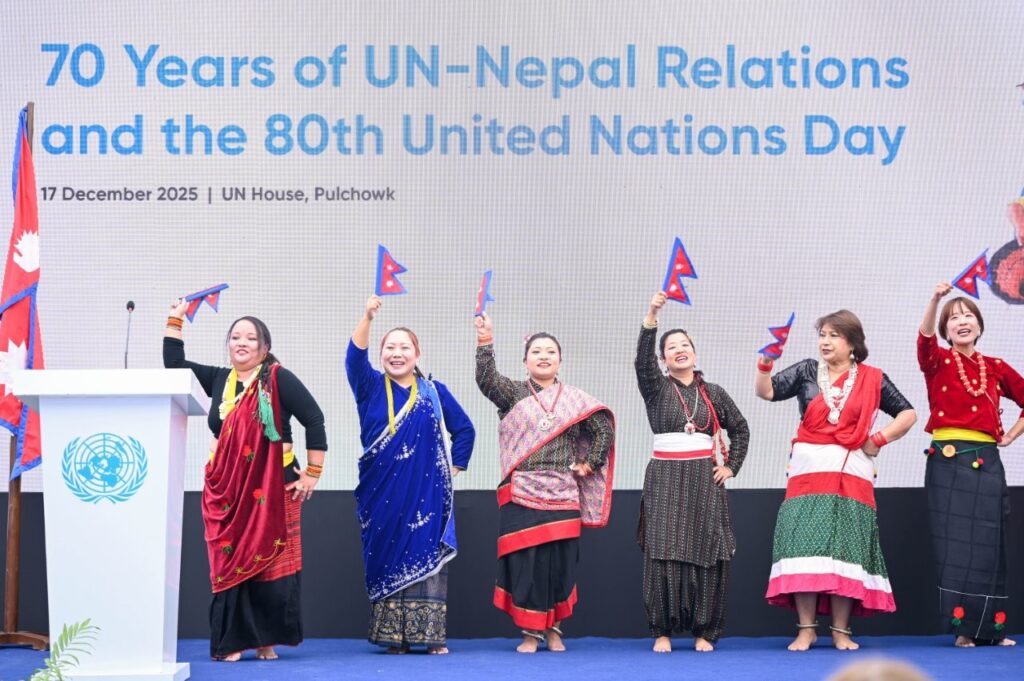
The celebration also underscored Nepal’s long-standing contribution to global peace. As one of the world’s leading troop-contributing countries, Nepal has deployed generations of peacekeepers to some of the most fragile contexts, embodying the UN’s founding principle of collective responsibility.
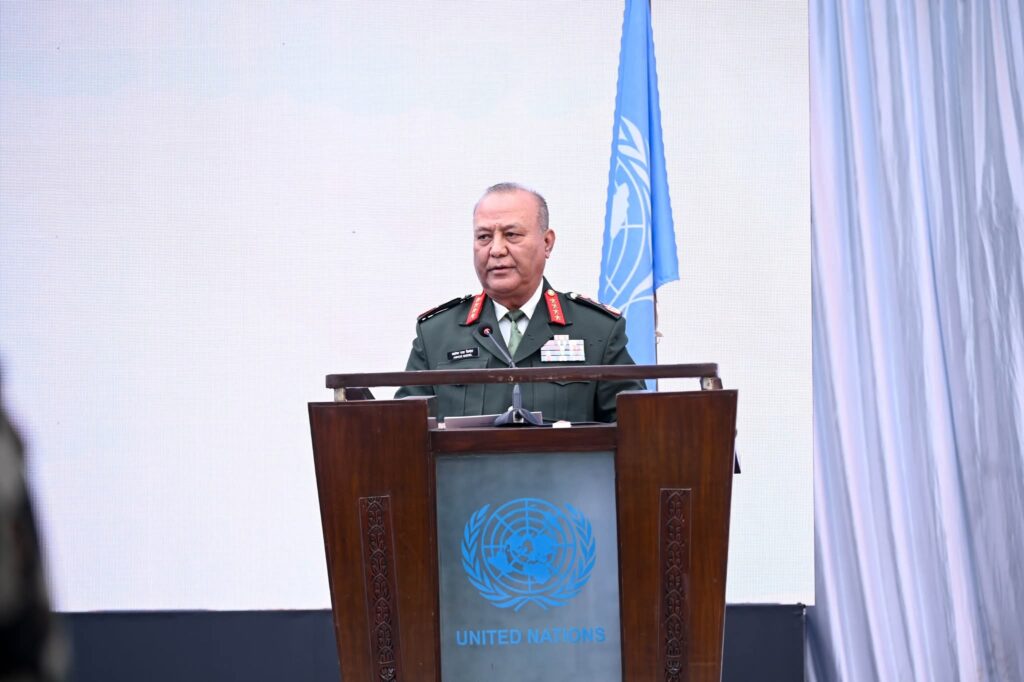
Speaking at the ceremony, the Chief of Army Staff General Ashok Raj Sigdel highlighted Nepal’s peacekeeping legacy as a reflection of national values – service, sacrifice, and solidarity.
From post-war reconstruction and institution-building to disaster response, health, education, gender equality, climate action, and inclusive development, the UN–Nepal partnership has evolved alongside the country’s needs. What began as technical support has grown into community-driven change, grounded in local leadership and national priorities.
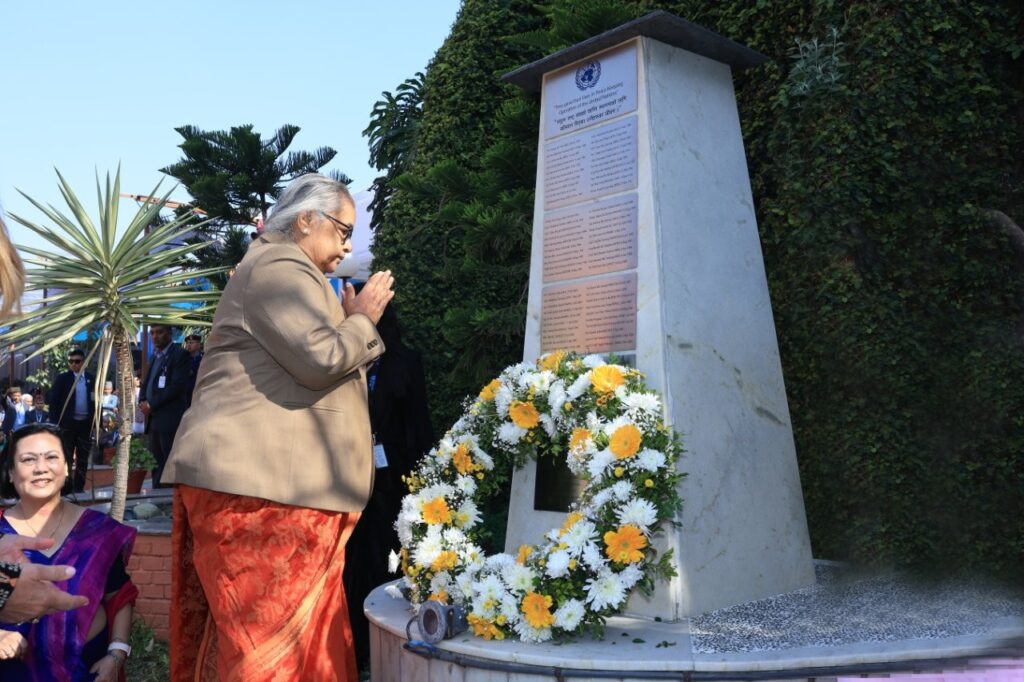
In her inaugural address, Prime Minister Sushila Karki highlighted the partnership between the UN and Nepal and reaffirmed Nepal’s belief in multilateralism, emphasizing that cooperation remains the strongest path to peace, dignity, and shared progress.
The programme included the mural, featuring “UN Nepal 70” expressions in 14 languages and scripts, including Braille, reflecting Nepal’s linguistic diversity and marking the country’s first publicly accessible mural for persons with blindness.
The celebration also included a wreath-laying ceremony at the Peacekeepers’ Memorial, where the Prime Minister, Ministers, Chiefs of all security agencies and the UN Resident Coordinator paid tribute to the 87 Nepali peacekeepers who lost their lives in service to peace and humanity.