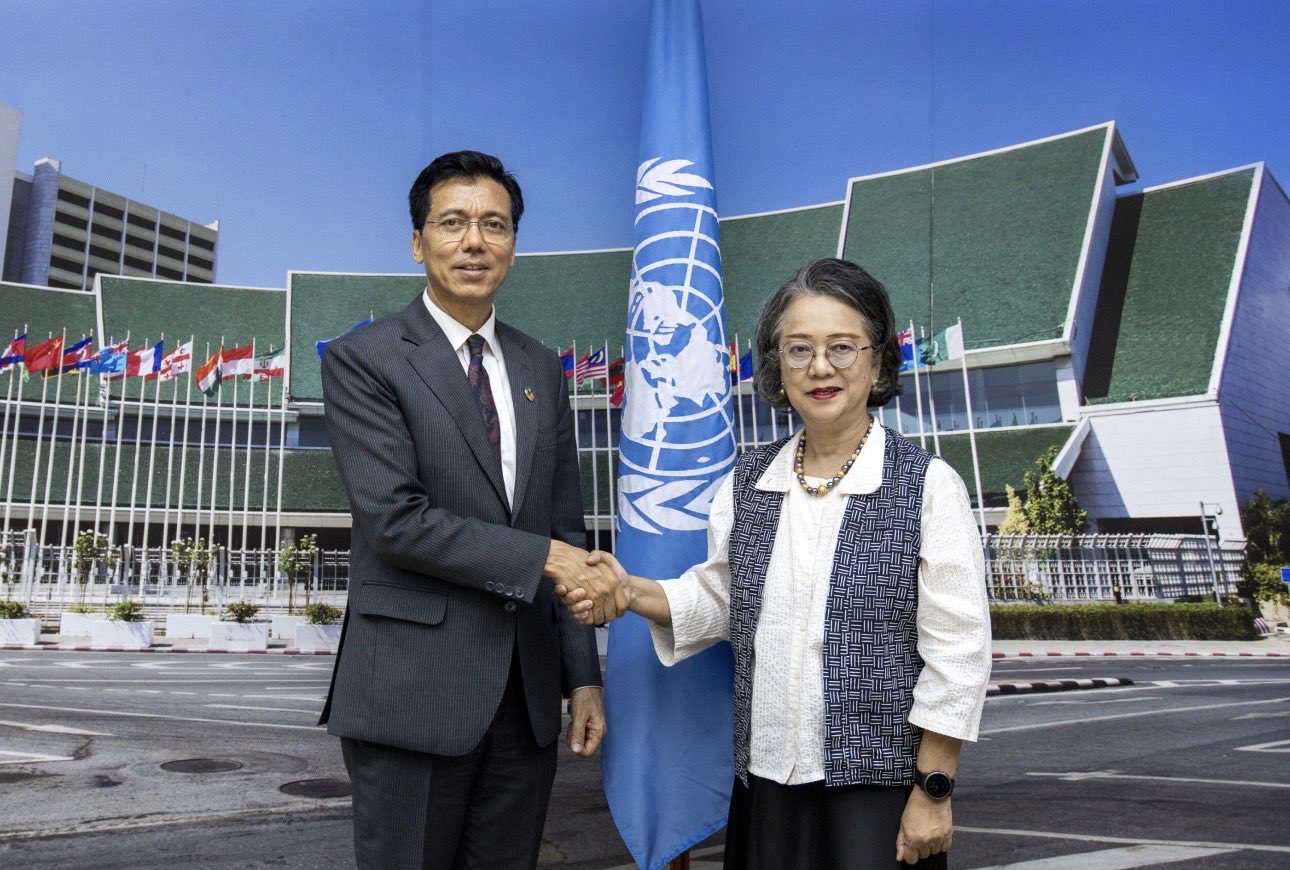
Kathmandu: The United Nations has recognized three new World Restoration Flagships in Australia, Canada and South Africa for their work in restoring nature through Indigenous and local knowledge. The announcement was made ahead of the seventh session of the UN Environment Assembly (UNEA-7).
The awards, jointly presented by the UN Environment Programme (UNEP) and the Food and Agriculture Organization (FAO), highlight some of the most ambitious and inclusive ecosystem restoration efforts under the UN Decade on Ecosystem Restoration (2021–2030).
UNEP Executive Director Inger Andersen said governments and communities are restoring forests, coasts and marine environments “one hectare at a time,” combining Indigenous knowledge with modern science. FAO Director-General QU Dongyu added that real restoration happens “from the ground up,” led by local communities.
Australia: Shellfish Reef Restoration
Australia’s Shellfish Reef Building Programme was recognized for its work to rebuild oyster and mussel reefs damaged by overharvesting and pollution. The project, led by The Nature Conservancy and supported by the government and local communities, aims to restore shellfish reefs across 30 percent of their original range by 2030. The initiative has boosted marine life, improved water quality and created more than 400 jobs.
Canada: Restoring Salmon Ecosystems
Canada’s “Respectful Returns” project focuses on restoring salmon habitats in damaged rivers and streams across seven national parks. Led by Parks Canada with Indigenous communities, the initiative has restored over 65,000 hectares of land and 228 km of waterways. Salmon numbers have already increased in most sites, and the project has generated employment and research partnerships.
South Africa: Reviving Thicket Landscapes
South Africa’s Thicket Restoration Movement brings together more than 60 initiatives to revive subtropical thicket ecosystems in the Eastern and Western Cape. The programme aims to restore 800,000 hectares by 2030, improving soil health, storing carbon, providing fodder during droughts and supporting wildlife such as black rhinos and elephants. It is expected to create over 1,000 rural jobs.
With these three additions, the number of recognized World Restoration Flagships rises to 30, covering restoration work across more than 18 million hectares worldwide. The UN says these efforts highlight the core message of UNEA-7: ecosystem restoration is key to building resilience for both people and nature.