Looking back in the history of the United Nations, 1971 stands as a turning point for the world’s poorest, vulnerable nations, when the LDC category was born within the United Nations to guide them toward hope and economic transformation with strengthened global partnership and international support for their economic development. More than half a century later, only eight countries have been able to graduate.
This manifests the deep-rooted structural challenges that our countries have been facing for decades, if not centuries, in their arduous development journey. Even today, LDCs continue to confront formidable obstacles. International markets remain largely inaccessible for them due to their low productivity. Cutting-edge technologies are often out of reach because of restrictive regimes and prohibitive costs.
LDCs are facing widening inequalities, rising youth unemployment, lagging human and institutional capacities, a growing financing gap, stagnating trade and investment, shrinking fiscal space, an expanding digital divide, rising debt burdens, and declining ODA. The current global landscape, marked by multiple and overlapping crises, including climate disasters, deepening geopolitical conflicts, and volatile global financial situations, which have threatened to erode hard-won development gains made by LDCs and constrained their capacity to advance and fulfill their national development aspirations.
Our journey towards economic transformation has remained very slow, nevertheless, we are inching towards the defining moment. For the first time, a large number of LDCs are now in the pipeline for graduation, reflecting decades of perseverance, slow yet continued reforms for sustained economic development. And yet, they are not out of the woods.
The road ahead is still uphill. Graduation often comes with risks and challenges when it strips away duty-free access, concessional finance, and technical support. It may risk stagnation.
The climate crisis threatens decades of progress, hitting them the hardest despite their minimal emissions.
Technology and digital connectivity are now prerequisites for development, yet without meaningful cooperation, the danger of being left behind is real. Structural transformation demands investments far beyond national means, while global shocks—financial, health, or geopolitical—strike LDCs with disproportionate force.
To overcome these challenges which persist in our interconnected and interdependent world, there is no other way than to have robust global solidarity and partnerships. The partnership, not piecemeal but transformative. The partnership, not symbolic but substantive. The partnership, not halfhearted but wholehearted that matches the scale of the challenges and the urgency of the moment, and the partnerships that are ambitious, and enduring.
That helps bring structural transformation to ensure smooth, irreversible, and sustainable graduation not just for LDCs, but such enduring partnerships bring stability and prosperity for the entire global community. In this regard, I wish to express my deep appreciation to the Group of Friends of LDCs and our development partners, for recognizing this reality and reaffirming their commitment to forge ambitious global partnerships for the sustainable and resilient graduation of the LDCs.
Smooth, sustained, and irreversible graduation is possible only if we stand together— guided by bold ambition, coordinated action, and the principles of inclusivity and shared responsibility. On this, let me highlight a few points- First, stronger global partnerships are critical to deliver predictable, substantial, and needs-based development finance for graduating and graduated countries. This must encompass official development assistance, concessional financing, blended finance, debt relief, and simplified access to climate funds.
Mobilizing private investment is equally important. Without such investment, these nations will not be able to build resilient economies, generate decent jobs, or sustain their progress.
For this, we must adopt various measures, including derisking, guarantees, and blended financial instruments. Second, we must ensure that graduated LDCs continue to get preferential trading arrangements for some time so as to enable them to compete in the fiercely competitive arena of global market.
Third, there is a need for strong and continued support for enhancing productive capacities and economic diversification of these countries. They need substantial support for infrastructure development, improved agri-food system, human resources development, youth employment, entrepreneurship, climate resilience, and green technologies among others.
Fourth, our partnership should help fostering inclusive access to digital technologies, promoting innovation, capacity building and youth entrepreneurship, among others.
Fifth, we must also leverage South–South and triangular cooperation for peer learning, knowledge sharing, and technology transfer.
The Doha Programme of Action places ‘incentives-based graduation’ at the center of our shared agenda. We underscore the full operationalization of the Sustainable Graduation Support Facility (iGRAD) to strengthen their graduation efforts with targeted assistance across vital areas such as trade, debt sustainability, climate resilience, and capacity-building.
We also underline the importance of the Inter-Agency Task Force (IATF) on Graduation and the need for a ONE-UN approach that leverages the strengths and expertise of all relevant UN entities, funds, and programmes in support of graduating and graduated LDCs. We acknowledge the central role of UN-OHRLLS in coordinating the work of the IATF under iGRAD and for the continued efforts and support to LDCs and graduating LDCs in particular.
In conclusion, stronger global solidarity and partnerships are vital—not only to propel graduation forward, but also to safeguard its gains against the headwinds of post-graduation challenges. Partnership is an indispensable tool to achieve structural transformation of LDCs for sustained graduation.
Let us move forward with ambitious partnership.
Let us move forward with collective resolve for a development journey — where no nation is left behind, where every nation is empowered to rise. Together, we can make graduation not just a milestone, but a shared success story of the global community.
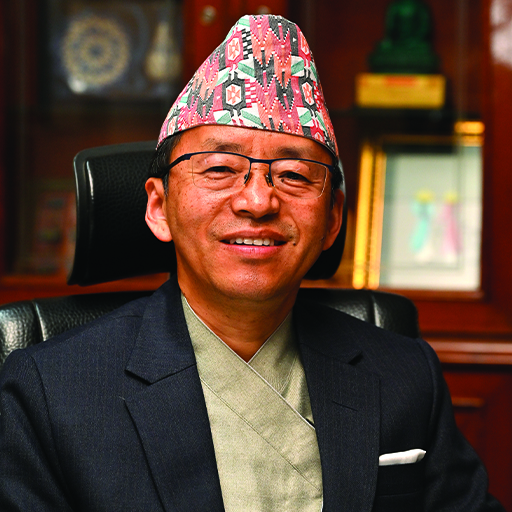
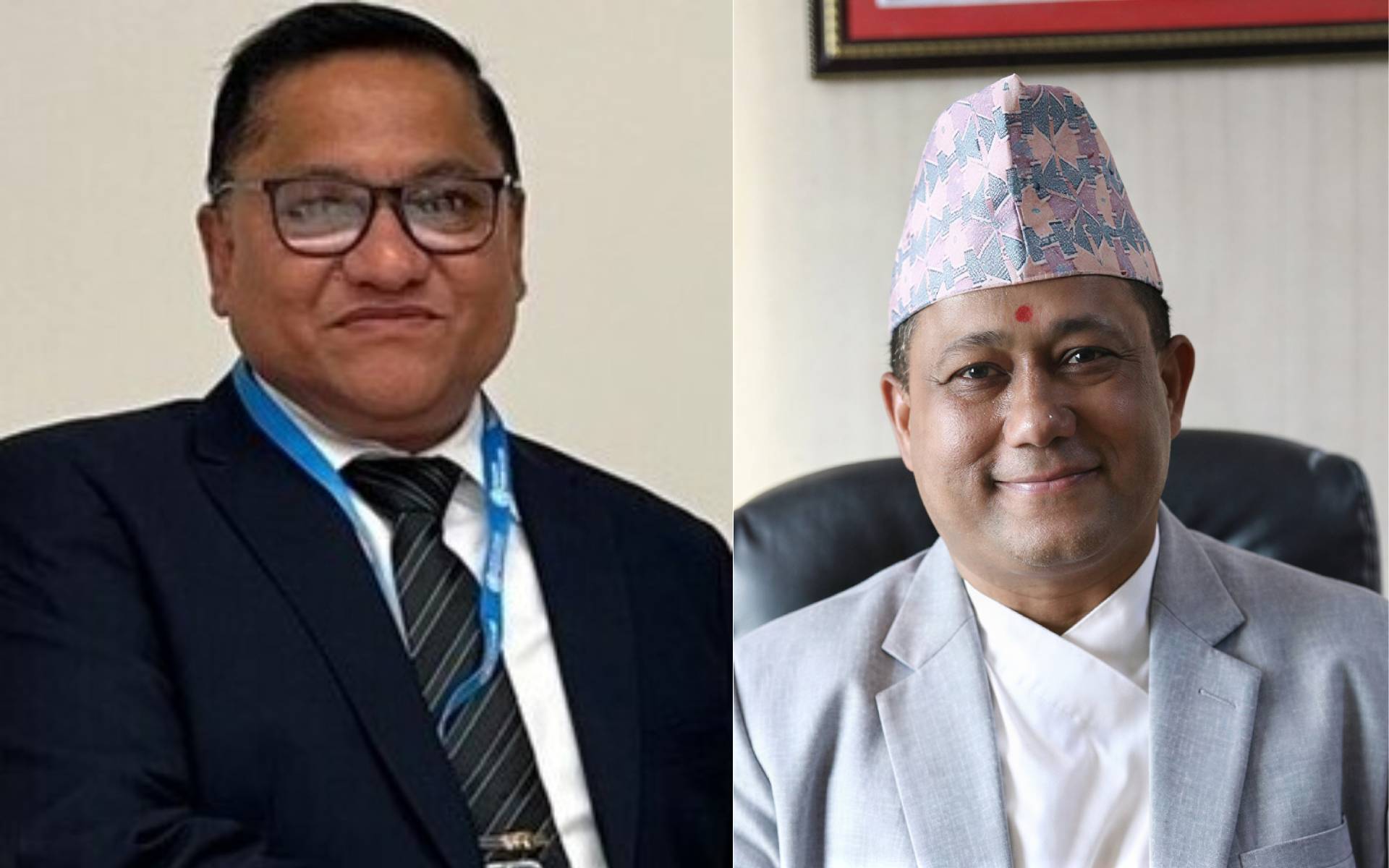
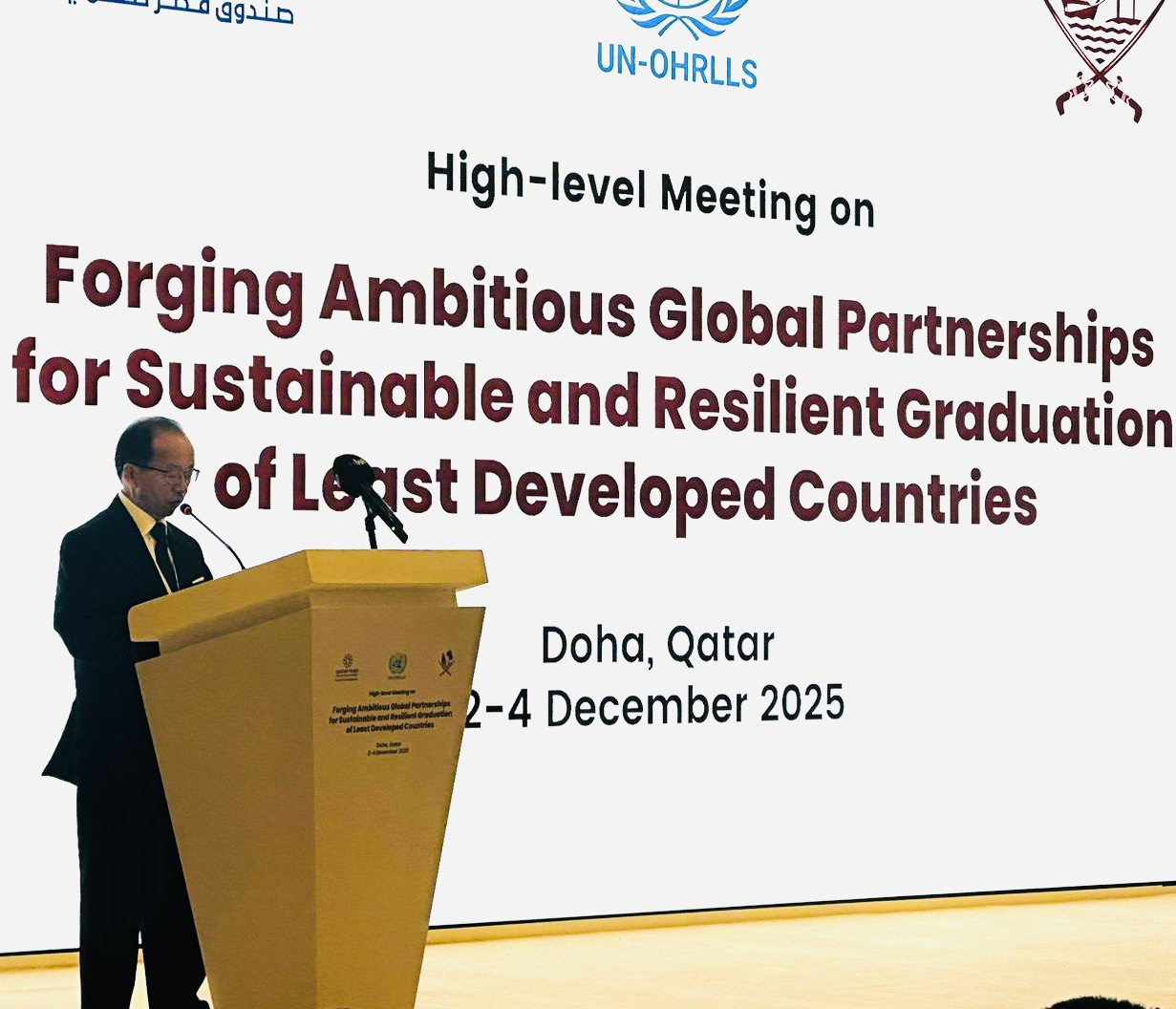
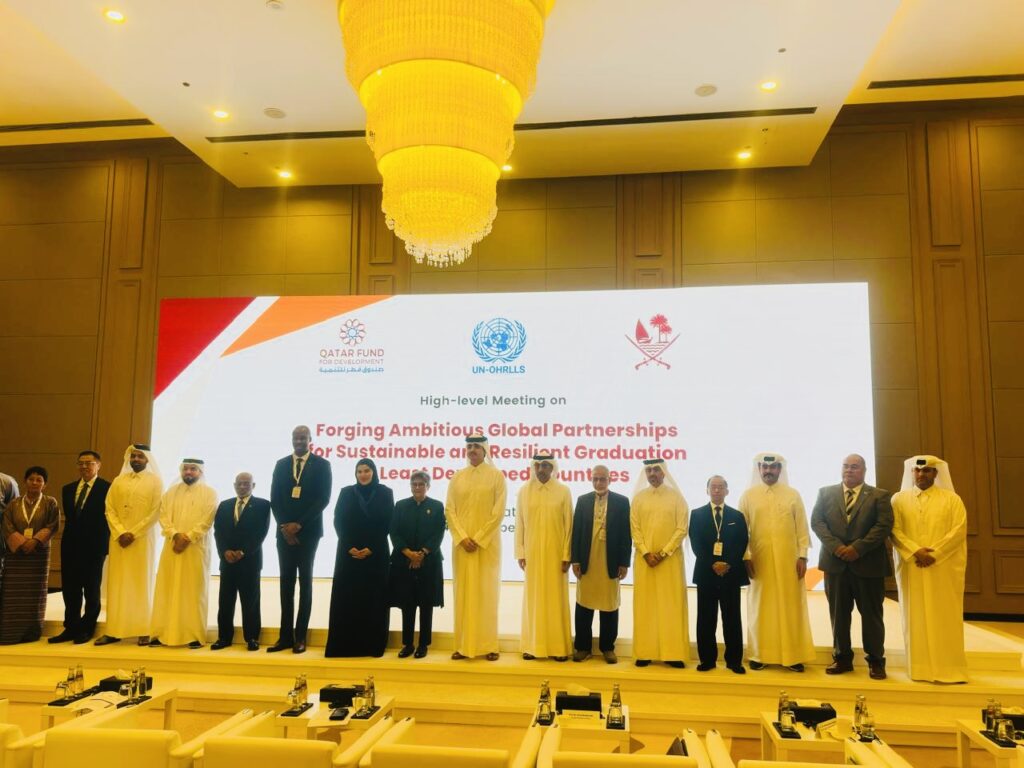
(The article is an edited version of the speech delivered by Amrit Bahadur Rai, Foreign Secretary of Nepal and Chair of the LDCs, during the High-Level Meeting on “Forging Ambitious Global Partnerships for the Sustainable and Resilient Graduation of Least Developed Countries” in Doha, Qatar.)