The world is facing a web of interconnected crises. To our utmost dismay, conflicts are growing, geopolitical competition is intensifying, and economic uncertainty is growing, threatening the very foundations of sustainable development.
Only 17 percent of SDG targets anchoring the 2030 Agenda for Sustainable Development are progressing as planned. At the same time, the triple planetary crisis of climate change, biodiversity loss, and pollution is accelerating faster than our collective response. Greenhouse gas levels are the highest in human history. Extreme weather is driving millions from their homes.
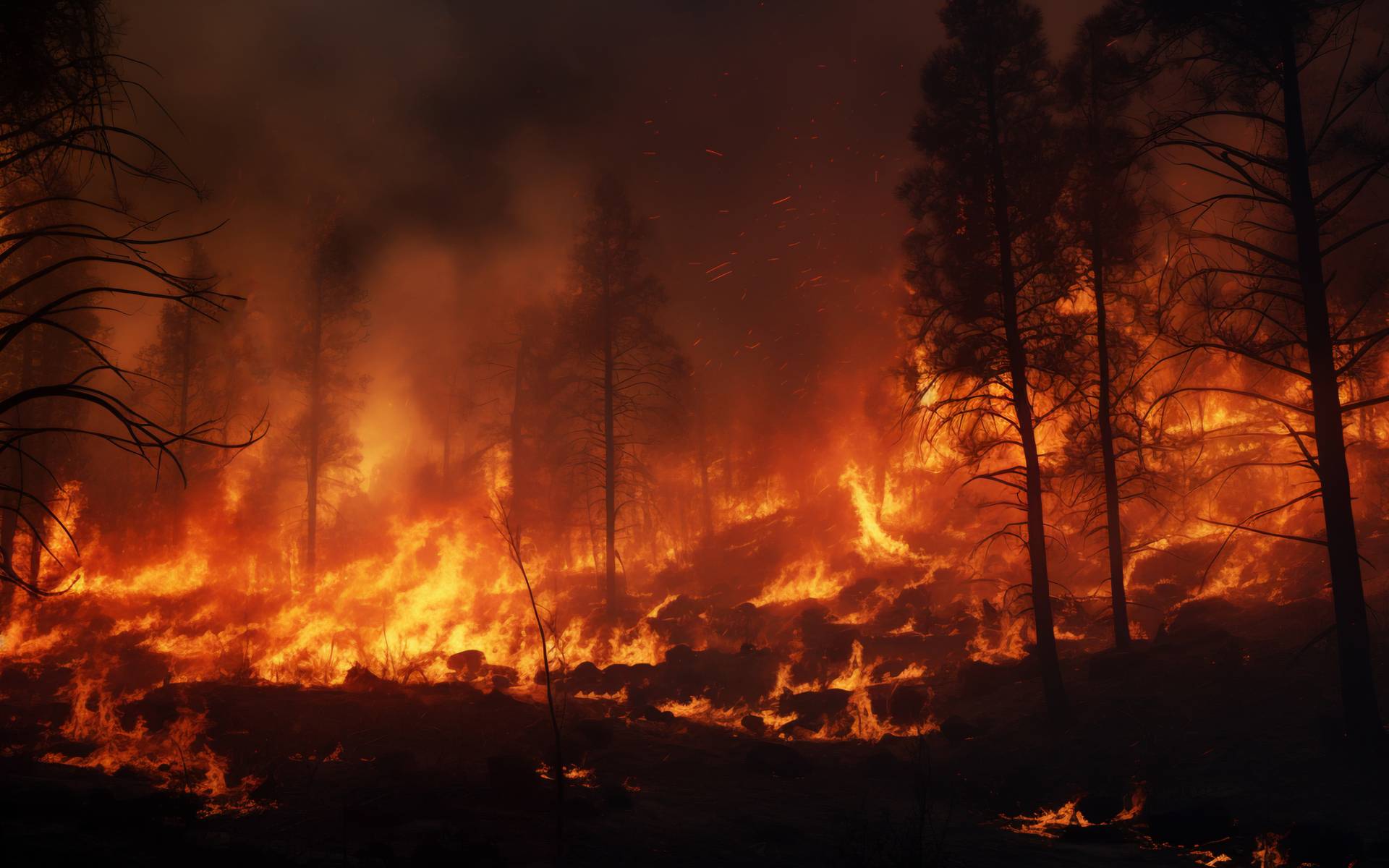
Ecosystems — from coral reefs to forests — are approaching dangerous tipping points. Pollution – from plastics to toxic chemicals – is harming our health and economies. These are not abstract threats. They are eroding development gains, widening inequalities, and placing the most vulnerable communities at disproportionate risk.
At the same time, we must remind ourselves that progress is possible. The cost of renewable energy has fallen dramatically, making most new renewable capacity added in 2023 cheaper than fossil fuel alternatives. Global protected areas now cover more land and ocean than ever before, signaling steady movement toward the goals of the Kunming–Montreal Global Biodiversity Framework.
And the historic agreement on marine biodiversity in areas beyond national jurisdiction represents a decisive step toward safeguarding our ocean. These gains show what is achievable with political will, science, and collective action. We must continue to work together to protect hard-won development gains and accelerate climate action. UNEA offers an essential platform to advance environmental solutions and to uphold the universal human right to a clean, healthy, and sustainable environment.
Through its charter-mandated coordination role, ECOSOC plays a complementary role by fostering collaboration on sustainable development across the UN system and ensuring that global policy commitments are coherently translated into concrete, coordinated action across its diverse ecosystem. Together, we must continue to strengthen the implementation of multilateral environmental agreements, reduce fragmentation, and deliver more integrated support to Member States on climate, biodiversity, land degradation, and pollution.
UNEP’s leadership is central to these efforts. As the global environmental authority, UNEP brings science to policy, raises awareness of emerging challenges, and helps ensure that solutions for climate, nature, and pollution are reflected in economic and social decision-making. Its engagement in ECOSOC processes enriches our collective capacity to address today’s multidimensional challenges.
The guiding principle of my Presidency is “Delivering Better”. This means reinforcing multilateralism and trust, accelerating progress, and strengthening system-wide coherence. UNEA-7, under its theme “Advancing Sustainable Solutions for a Resilient Planet,” can catalyze transformative action. Your deliberations must prioritize a strong environmental dimension of sustainable development, ensuring healthy and prosperous living conditions for present and future generations.
The overarching theme of ECOSOC this year aligns closely with UNEA’s ambitions. The outcomes of UNEA-7 will provide important inputs to ECOSOC’s work and to the 2026 High-Level Political Forum, which will review SDGs 6, 7, 9, 11, and 17 in depth. I trust your discussions this week will guide how we can deliver more coordinated and impactful support – particularly on the environmental dimension of sustainable development of the 2030 Agenda.
The message is clear: We must accelerate actions. We must move from commitment to tangible results. We must act with courage. We must put justice first. We must invest in innovation. And, above all, we must strengthen multilateral cooperation. The choices we make today will determine the condition of our planet for generations to come. Let us leave this Assembly with a clear message to the world: We choose solutions over inaction. Resilience over fragility.
Ambition over delay. Courage over incrementalism. And, cooperation and multilateralism over division and unilateral action. We work for a resilient, sustainable, and inclusive future for all. Together, we can deliver better.
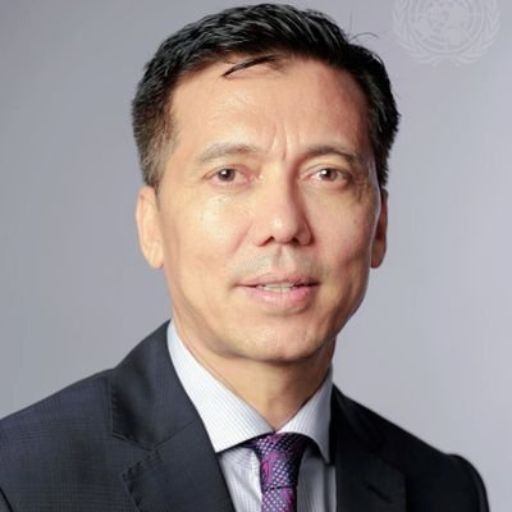
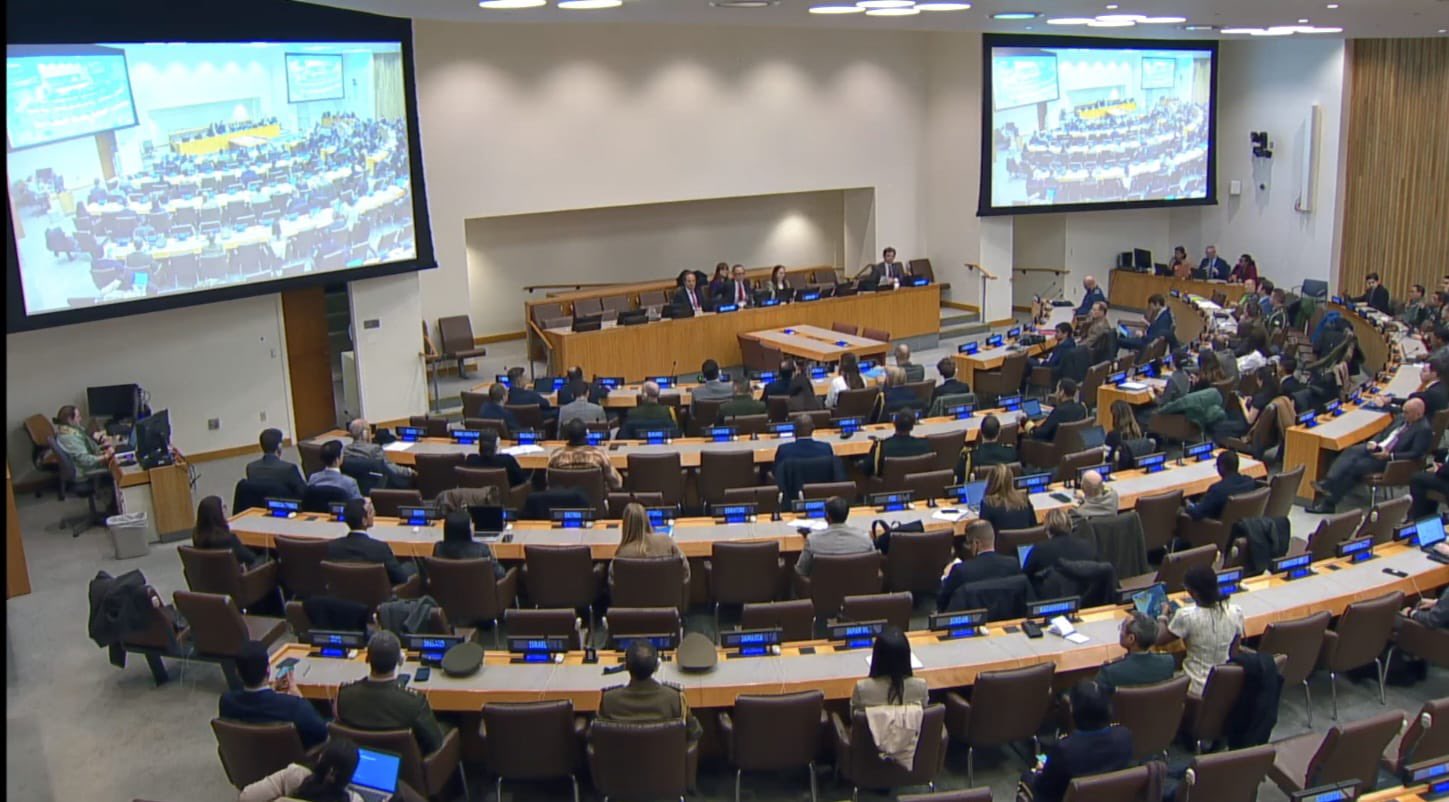
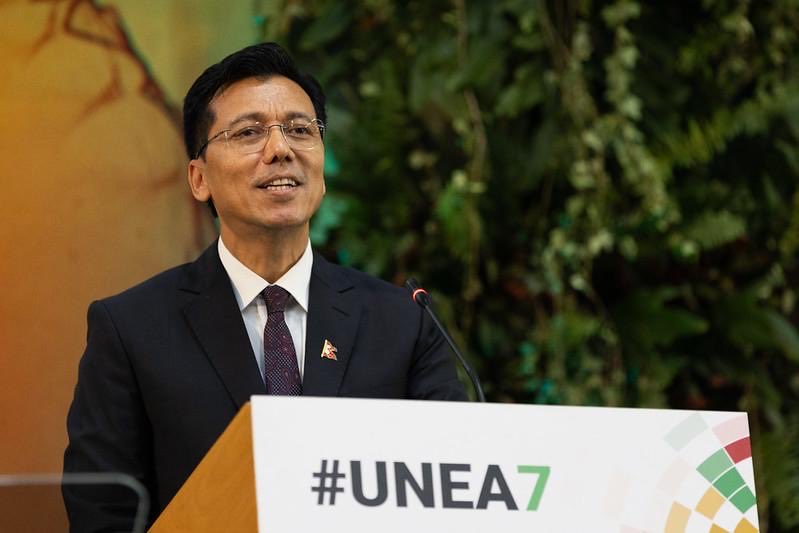
(This article is an edited version of the statement delivered by the President of ECOSOC, Lok Bahadur Thapa, at the Seventh Session of the United Nations Environment Assembly (UNEA-7) in Nairobi, Kenya.)