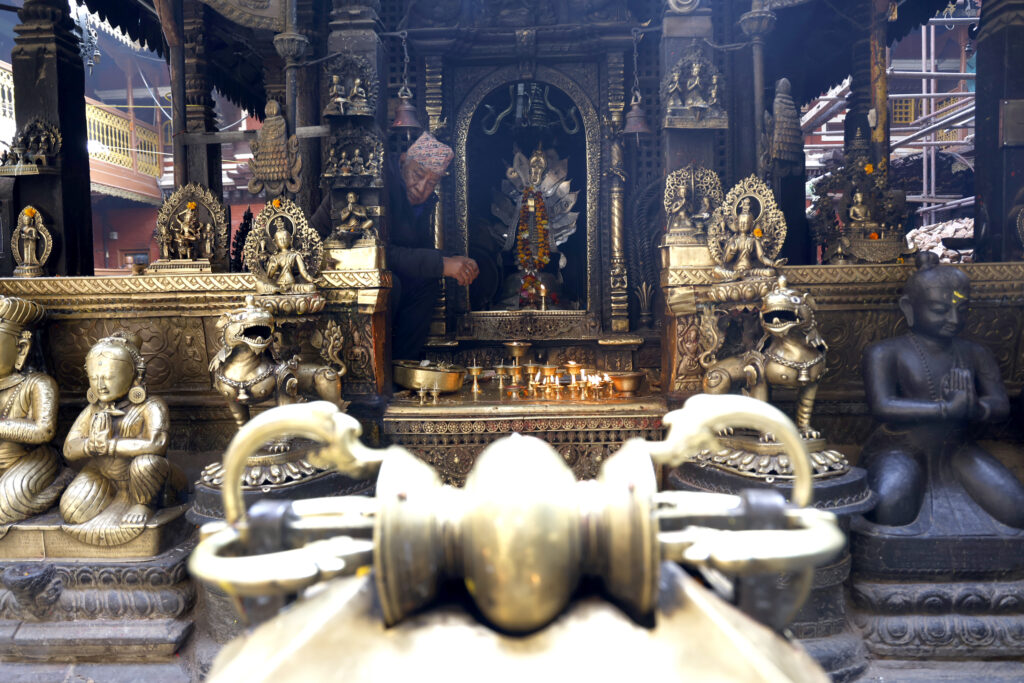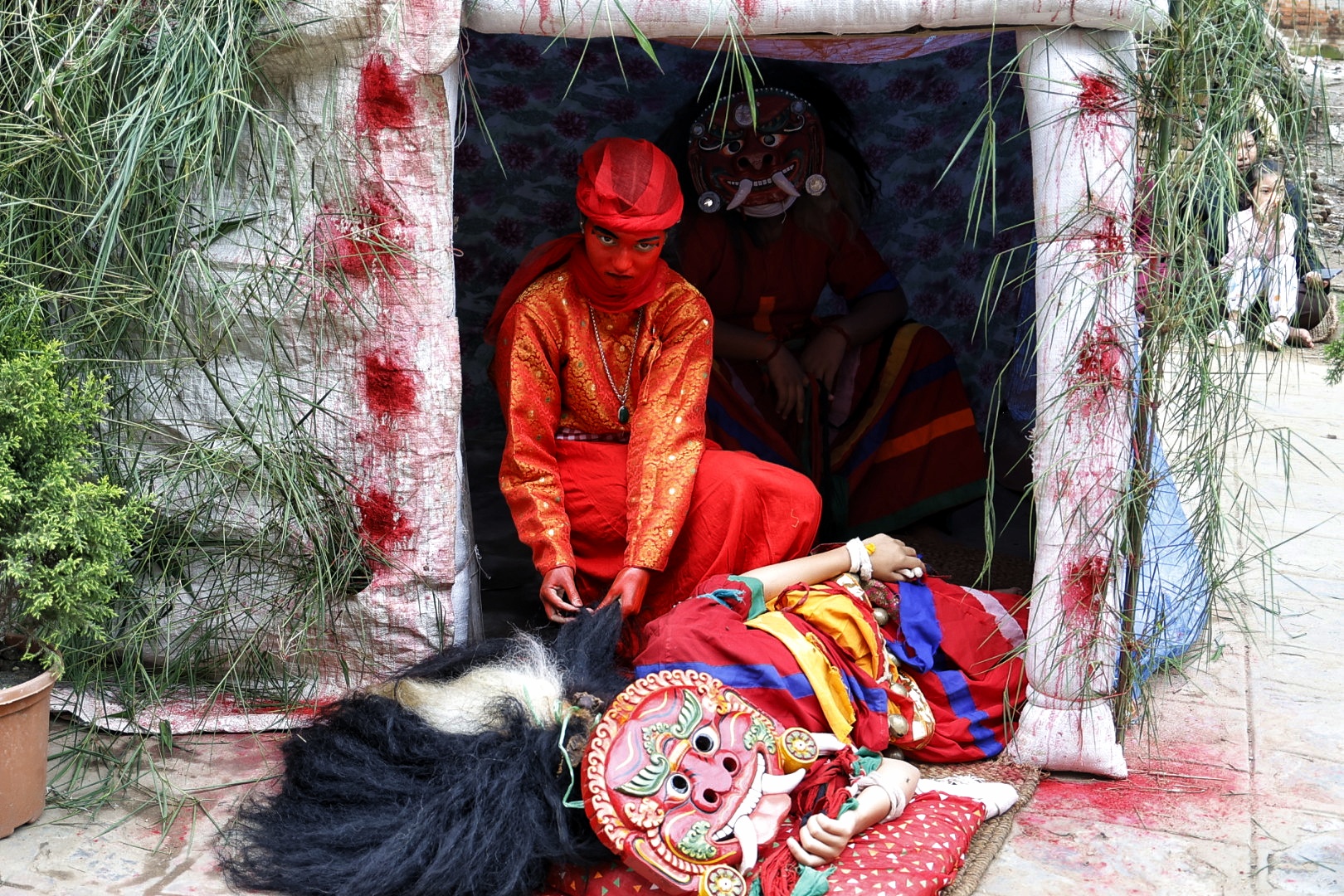
Kathmandu Valley’s cultural heritage remains vibrant and alive, distinguished by its continued daily use rather than preservation as static relics of the past. Unlike museums that often serve only as reminders of history, the Valley’s ancient temples, vihars, and stupas continue to function as active spaces of worship and practice, sustaining traditions that have endured for centuries.
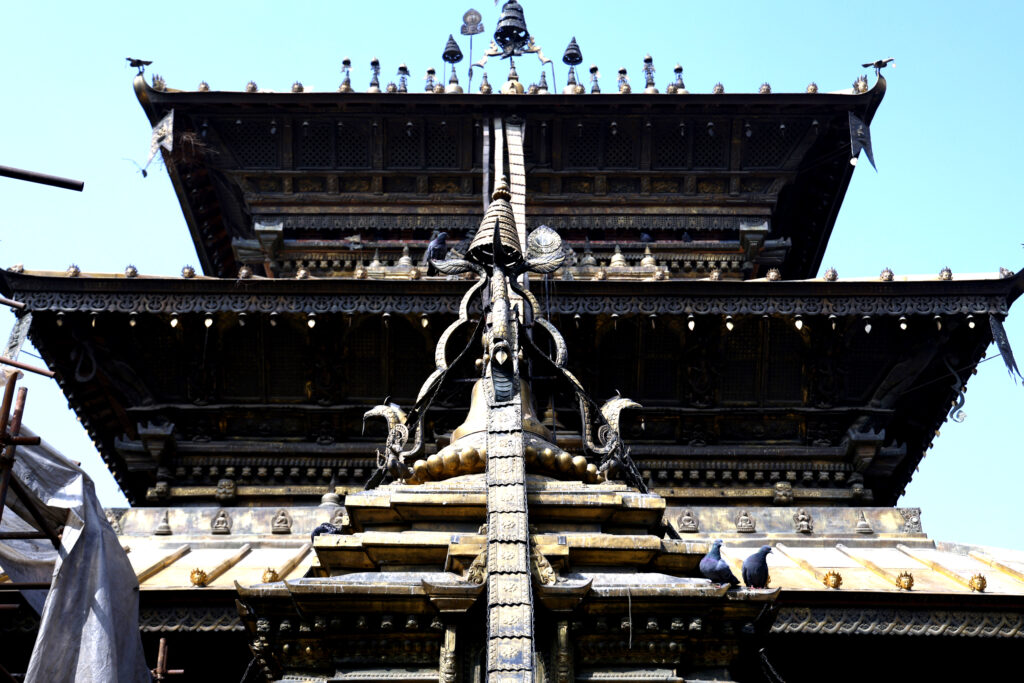
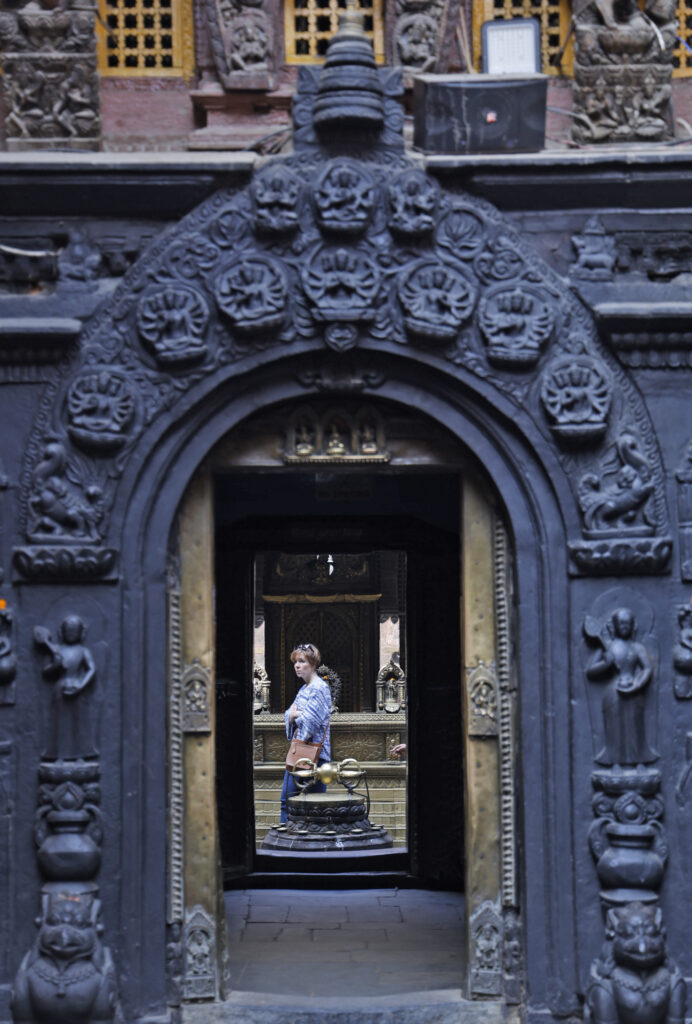
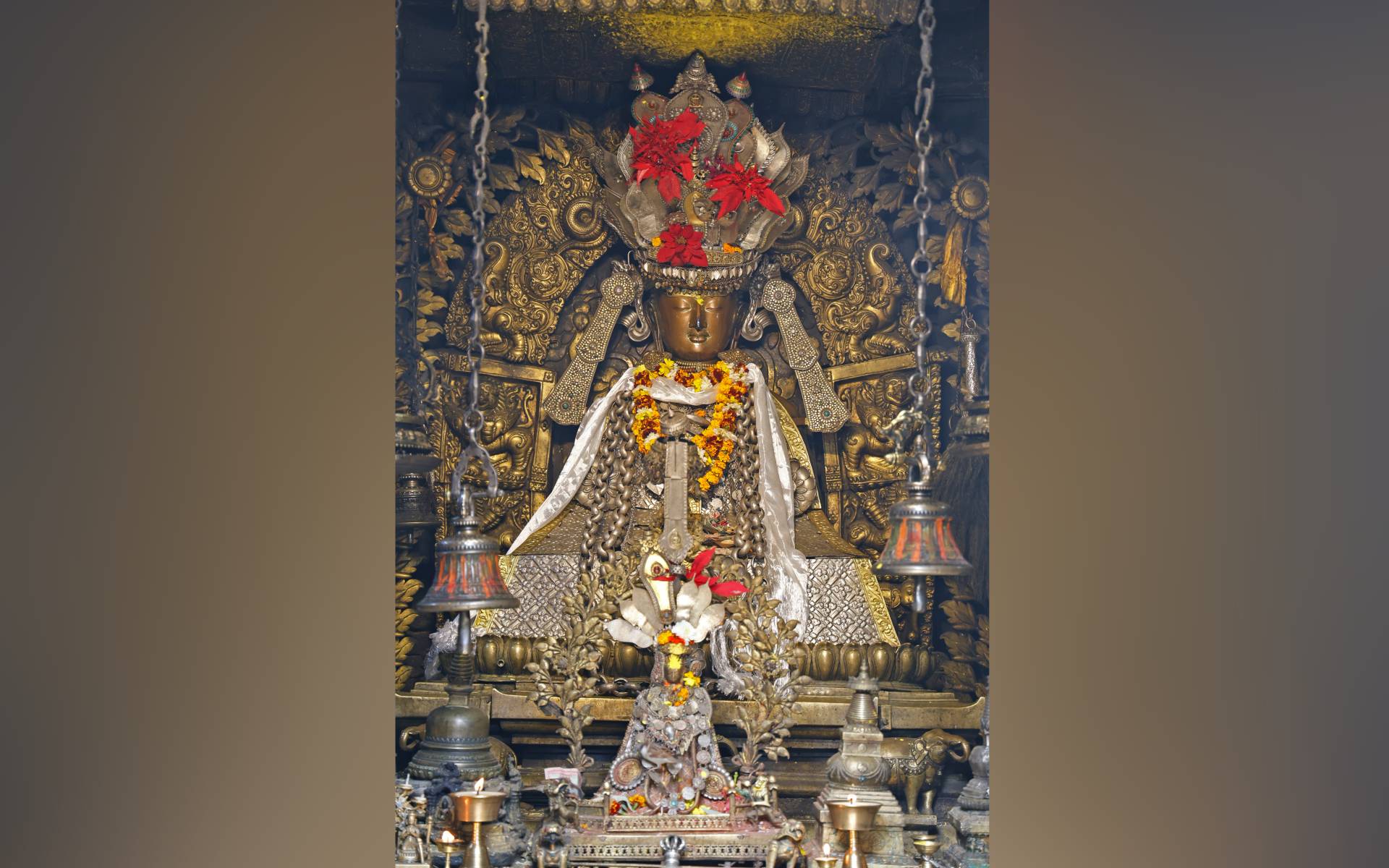
One of the most iconic examples is the Hiranya Varna Mahavihar at Patan Durbar Square, popularly known as the Golden Temple for its striking gilded façade. Believed to have been built in the 12th century by King Bhaskar Varman, the Mahavihar known in the Newa language as “Kwa Baha” remains a central spiritual site for devotees. According to local legend, the temple was constructed at a spot where a rat once chased a cat, an inversion of the natural order. Reflecting this myth, rats are still ritually fed at the temple each day just before closing.
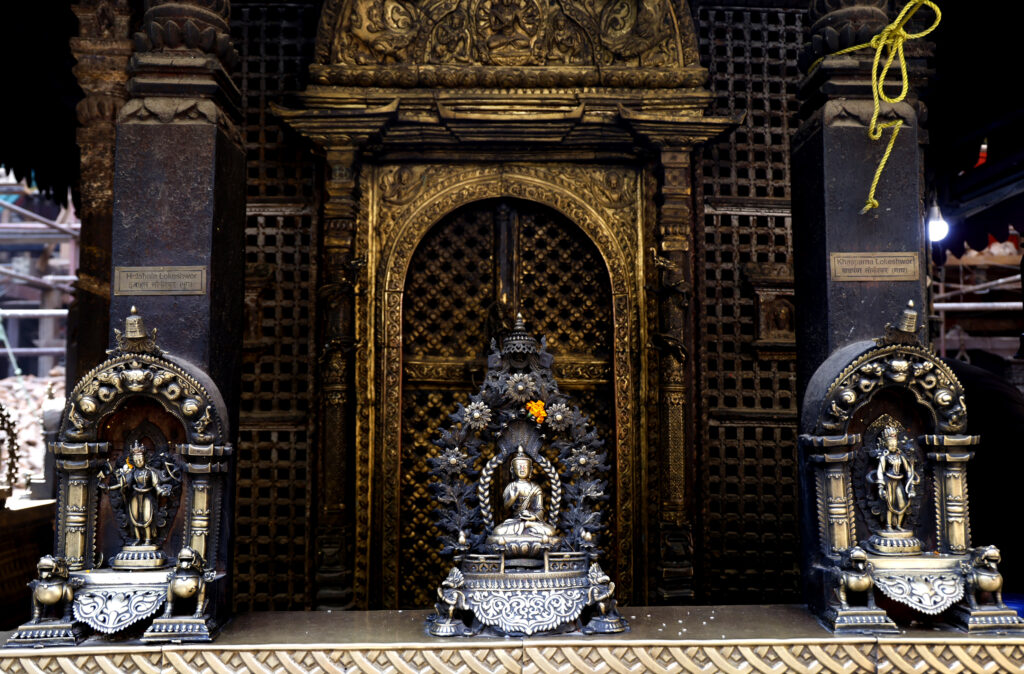
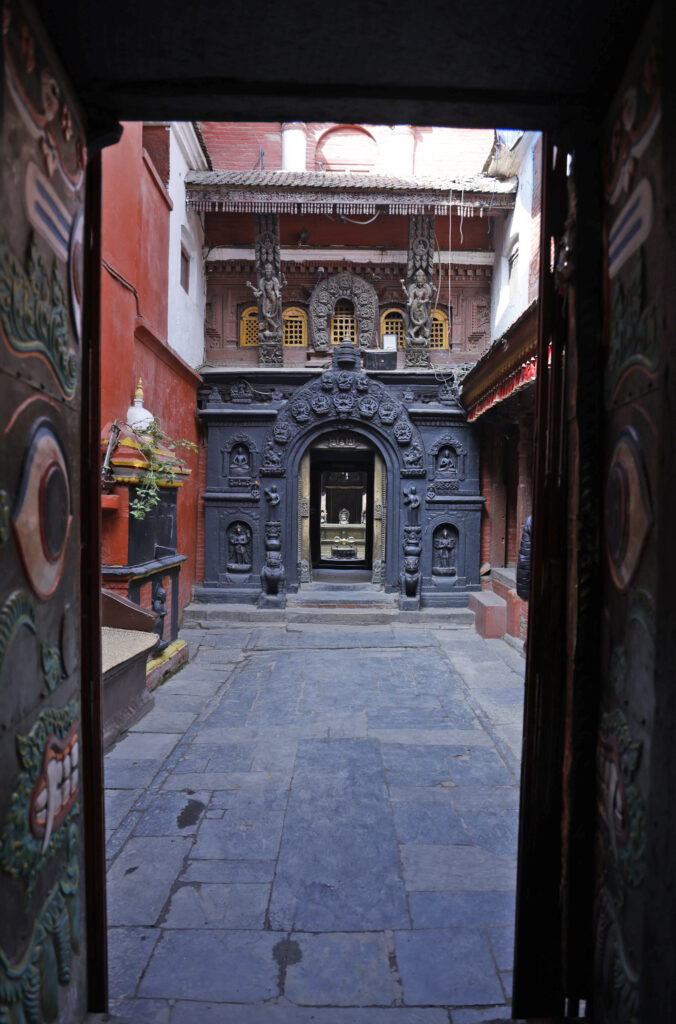
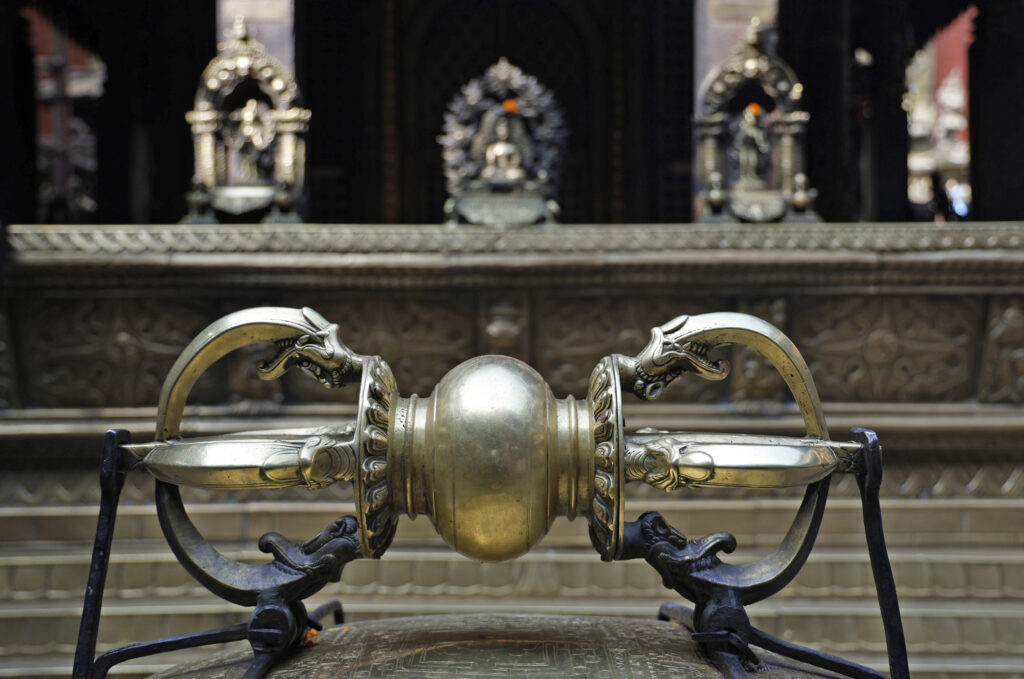
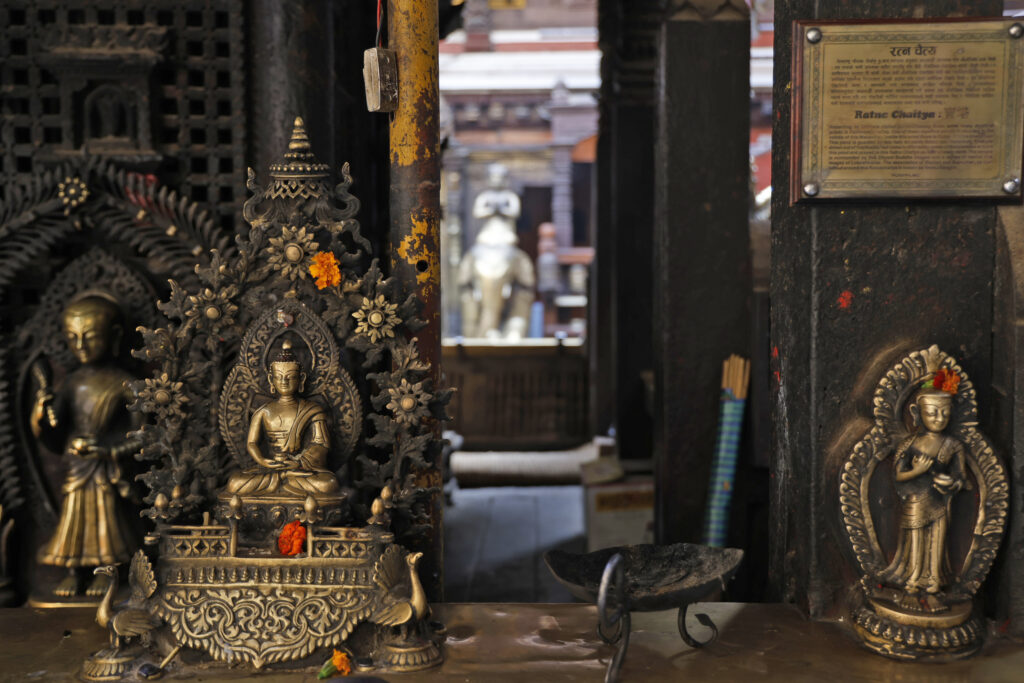
At the main entrance of Kwa Baha, visitors are greeted by two stone-carved lions flanking the gate. A ticket counter on the right charges a nominal entry fee of NPR. 50 to NPR 100 for tourists. Built in the traditional Newa courtyard style, known as baha, the temple complex features intricately designed sattals and ornate prayer wheels. At its centre stands an enshrined chaitya, believed to be associated with Swayambhu, while another corner of the courtyard offers butter lamps for devotees to light and offer to the gods.
Through its living rituals, architectural grandeur, and enduring legends, the Golden Temple continues to embody the dynamic and breathing heritage of Kathmandu Valley.