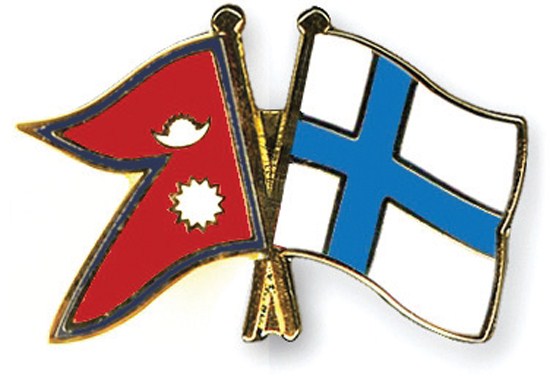
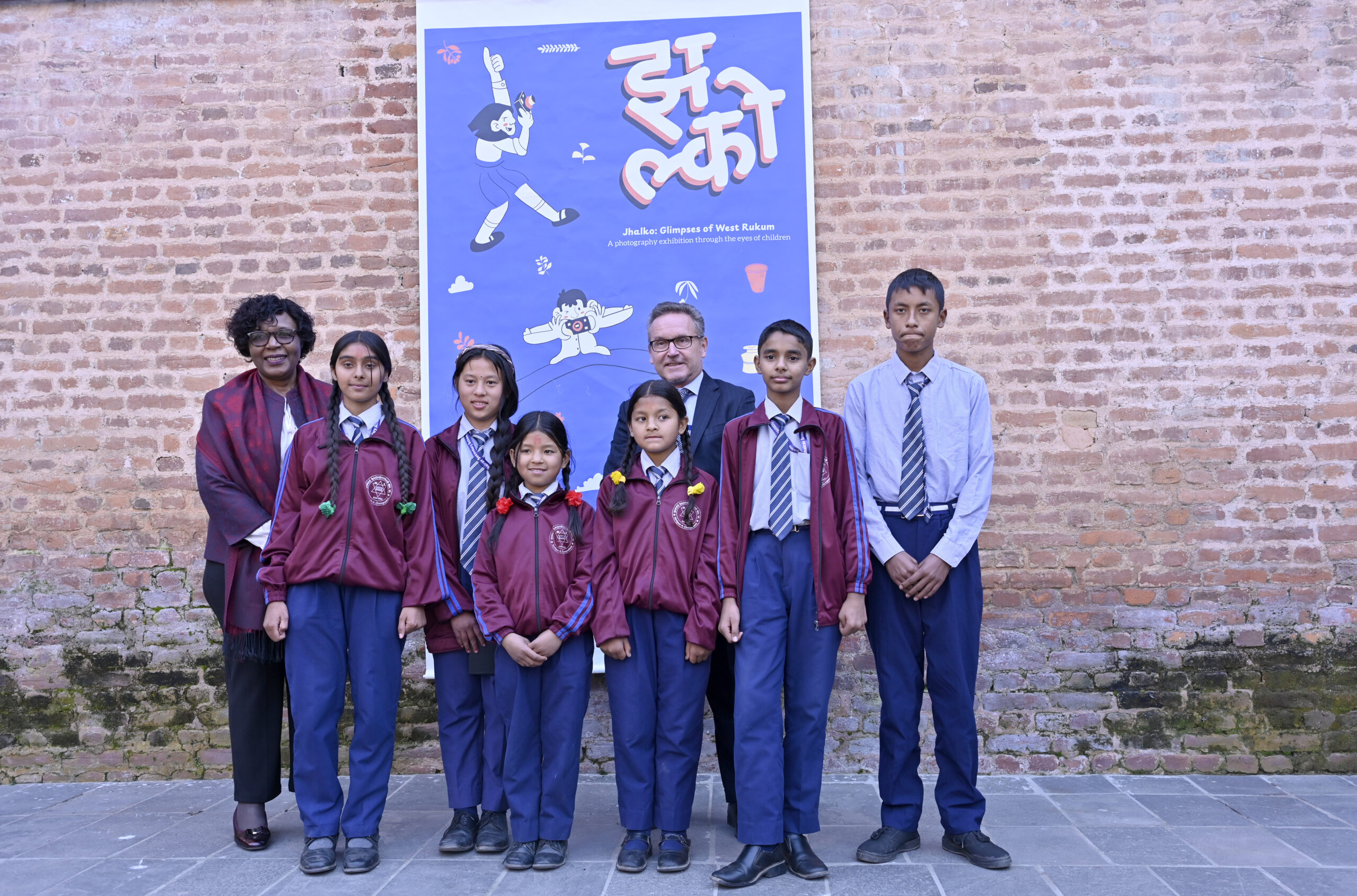
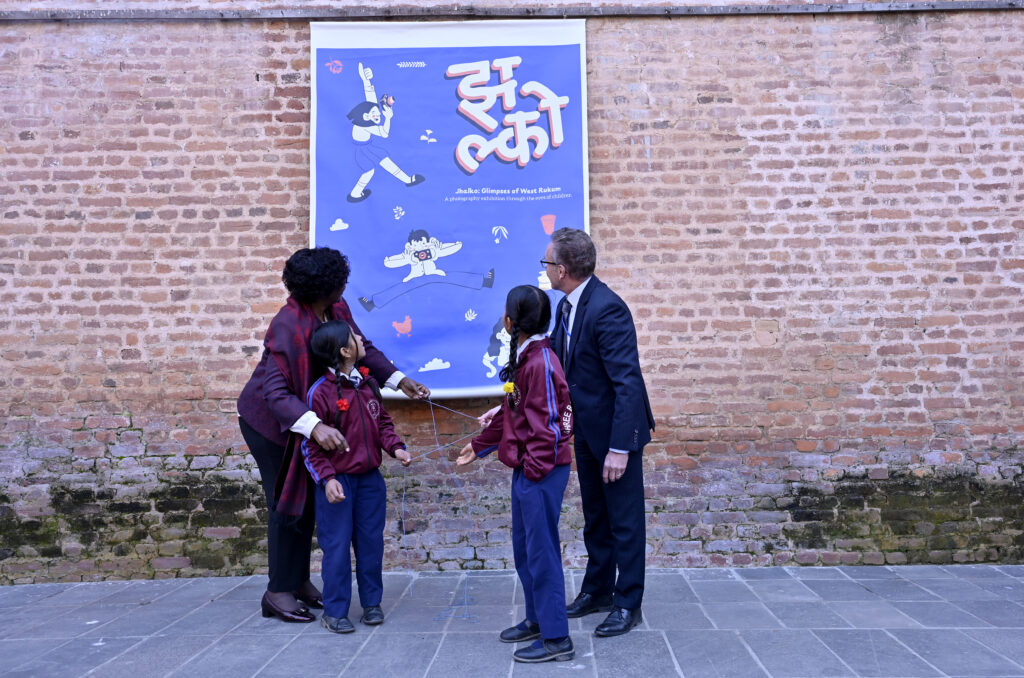
Kathmandu: UNICEF, in partnership with the Government of Finland, on January 23, inaugurated Jhalko: Glimpses of West Rukum, a child-led photography exhibition that underscores the critical role of education in safeguarding children’s rights, wellbeing and futures in the aftermath of crises.
The exhibition reflects the long-standing collaboration between the Government of Nepal, UNICEF and the Government of Finland to strengthen Nepal’s education system and ensure learning continuity for children affected by emergencies.
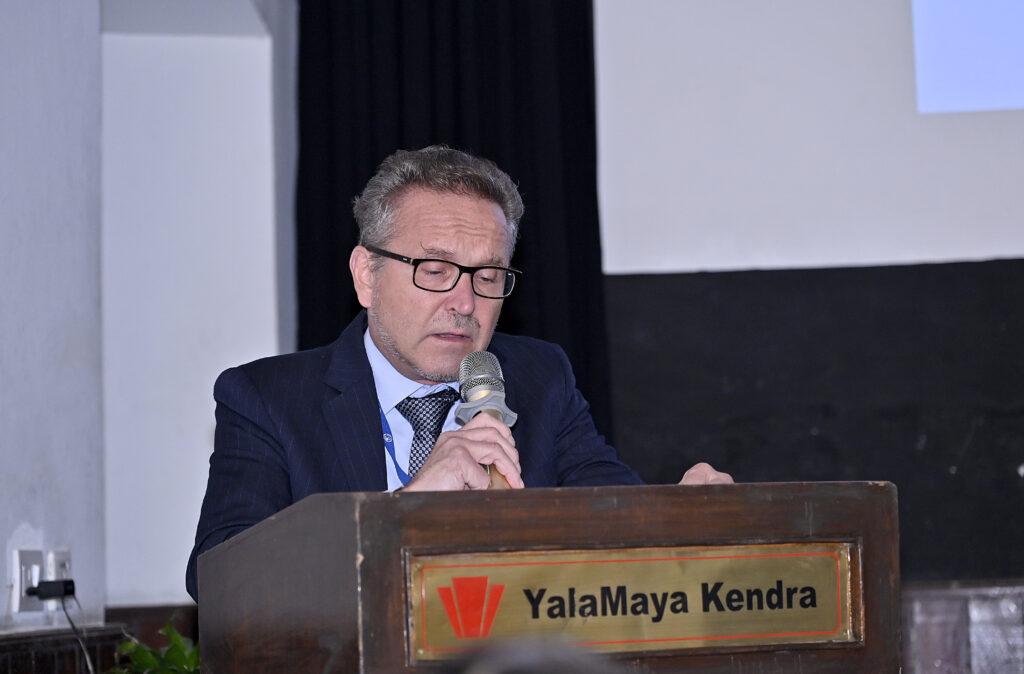
When crises strike and schools are damaged or destroyed, education becomes a life-saving interventionoffering children safety, structure, psychosocial support and a sense of normalcy,” said Finnish Ambassador to Nepal, Petri Puhakka. He noted Nepal’s strong commitment to keeping children learning despite repeated challenges from earthquakes, floods and other natural hazards, adding that Finland is proud to support efforts to create safe and inclusive learning spaces that help children recover and reconnect with their peers and teachers.
As part of the initiative, UNICEF and the Government of Finland supported a three-day photography workshop in November 2025 for students of Shree Bheri Dobhan Secondary School in West Rukum district, Karnali Province. The school was among 746 schools damaged or destroyed during the 2023 earthquake, which had its epicentre in Jajarkot district.
In response to the earthquake and other emergencies, UNICEF supported 383 temporary learning centres to ensure immediate learning continuity. Building on this emergency response, the UNICEF–Finland partnership has focused on medium- and long-term education in emergencies through the construction of transitional learning centres. To date, 56 semi-permanent centres equipped with gender-segregated basic WASH facilities have been built in 50 schools, including Shree Bheri Dobhan, allowing children to return to classrooms while permanent facilities are rebuilt. An additional 90 transitional learning centres are currently under construction with UNICEF’s technical and financial support.
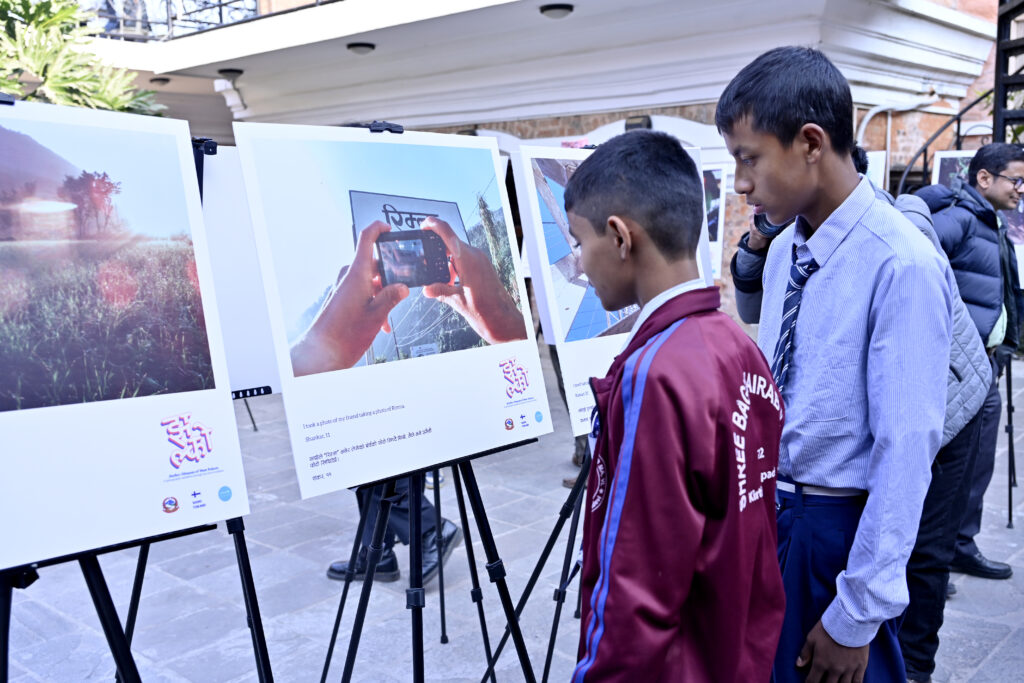
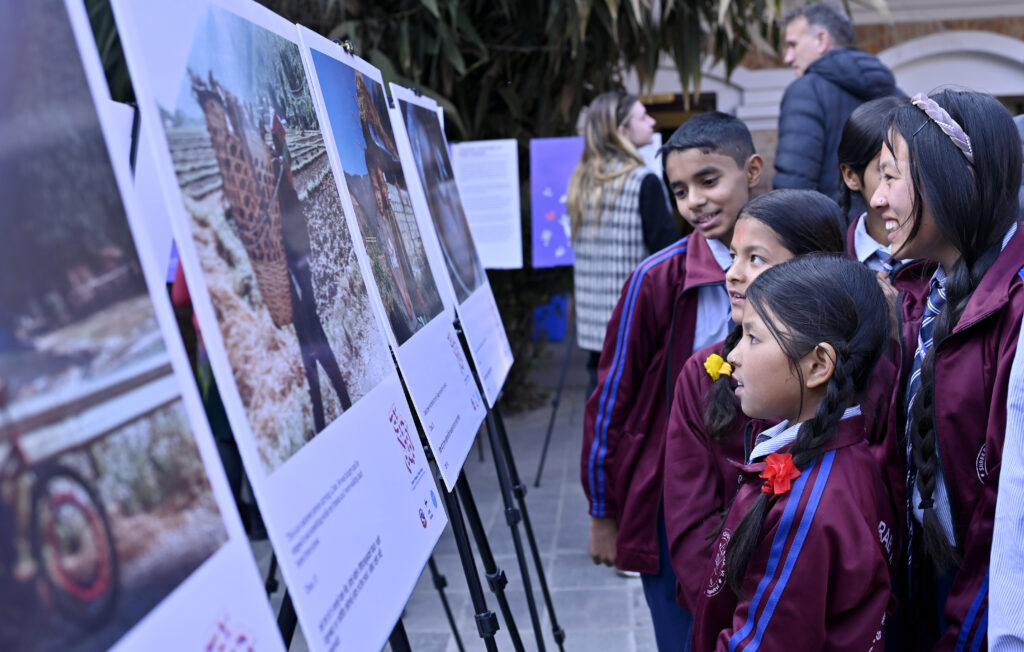
During the photography workshop, children were encouraged to document their everyday lives from their own perspectives. Their photographs capture journeys to school, learning environments and moments of personal significance, offering a powerful insight into how children experience emergencies and navigate recovery.
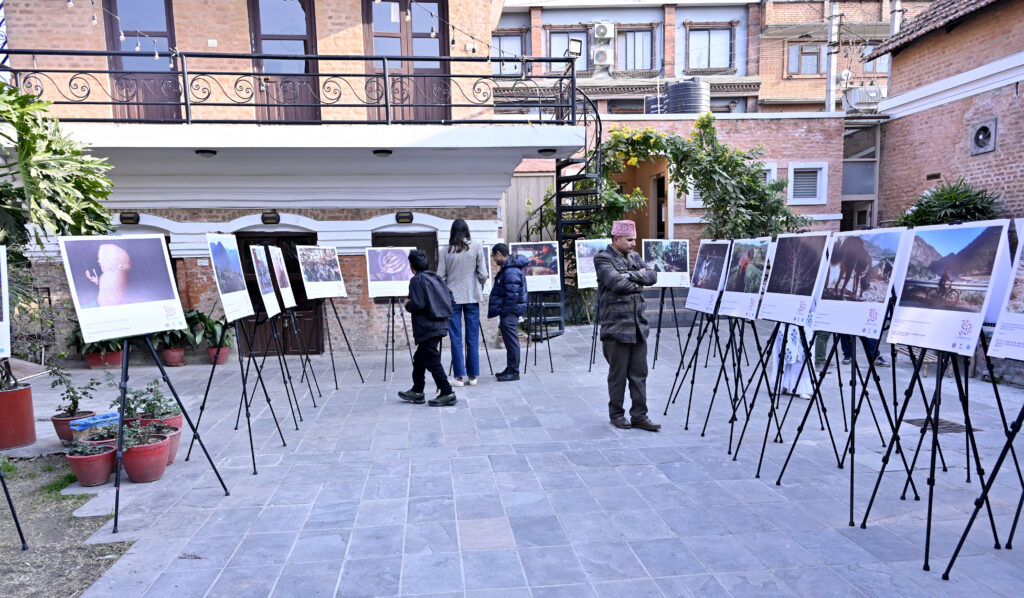
Jhalko, meaning “glimpse” in Nepali, brings these images together as an expression of children’s creativity, resilience and agency. The exhibition emphasizes the importance of listening to children and creating spaces for them to express themselves as a core component of effective education-in-emergencies programming.
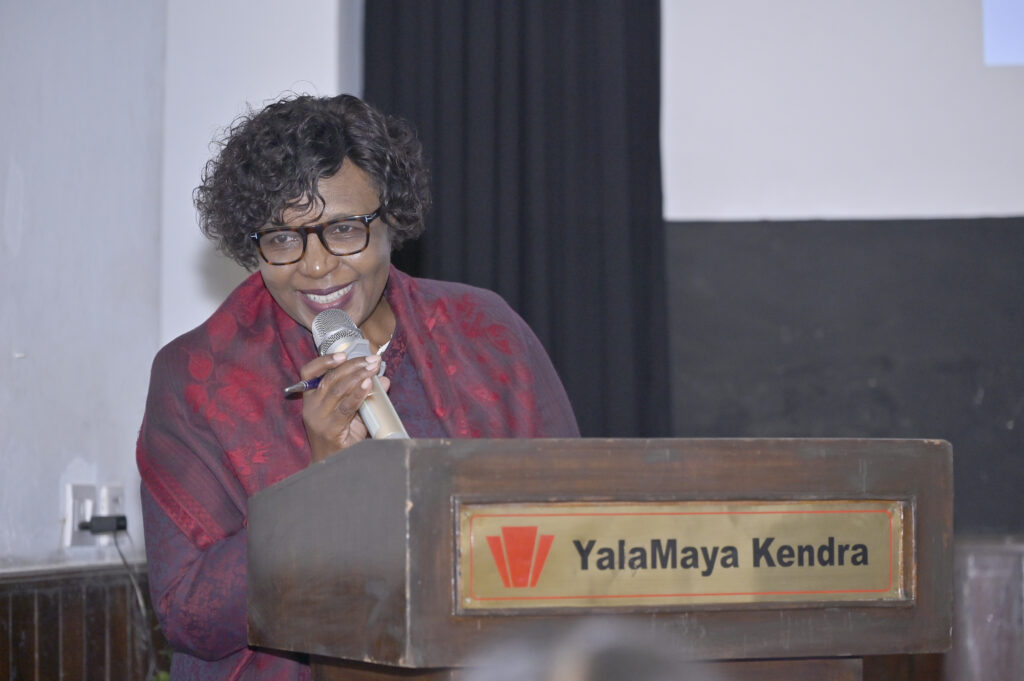
“In the aftermath of emergencies, education gives children more than lessons it gives them stability, protection and a pathway to healing and hope,” said Alice Akunga, UNICEF Representative to Nepal. “By placing children at the centre and listening to their experiences of recovery, initiatives like Jhalko highlight why learning continuity is essential to building resilience.”
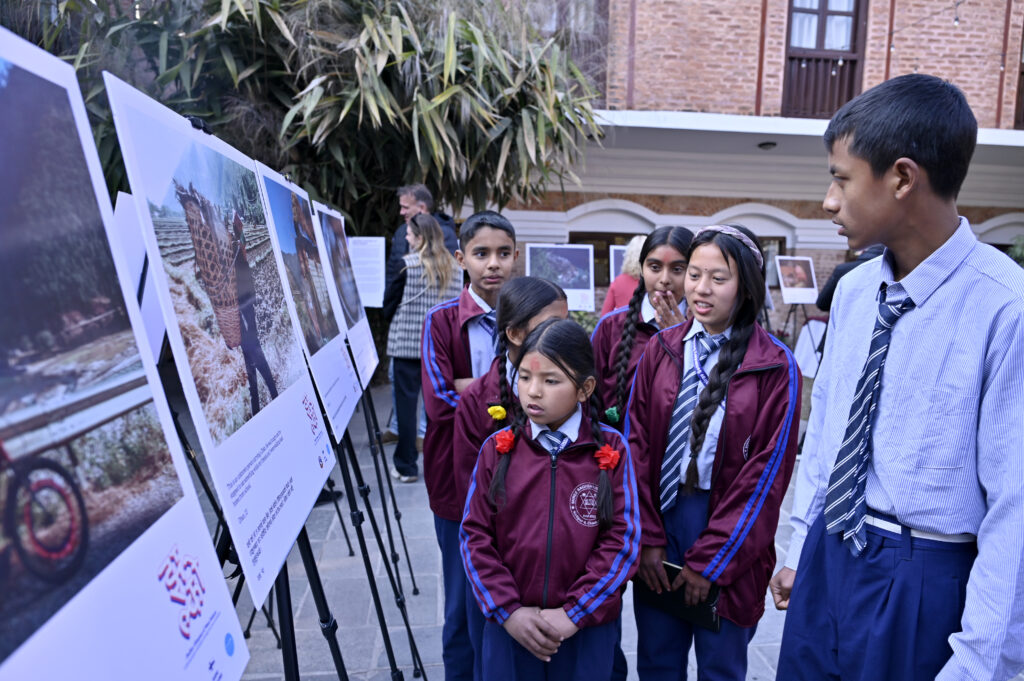
Open to the public from 24 to 25 January 2026 at Patan Durbar Square to mark the International Day of Education, Jhalko: Glimpses of Life in West Rukum calls for sustained investment in education in emergencies so that every child, even in times of crisis, can continue learning, remain protected and build a better future.