“We will encourage health institutions established at the community level that have earned international repute for providing exemplary and universally accessible healthcare services. Under this initiative, I have allocated a budget for the upgrading of Dhulikhel Community Hospital and the Kathmandu Institute of Child Health (KIOCH).”
This statement by Hon. Finance Minister Dr. Swarnim Wagle attests the vital service Dhulikhel Hospital (DH) has been providing to the community. Dr. Wagle’s special mention of this hospital during the announcement of the 2026/27 National Budget highlights the growing importance of this institution.
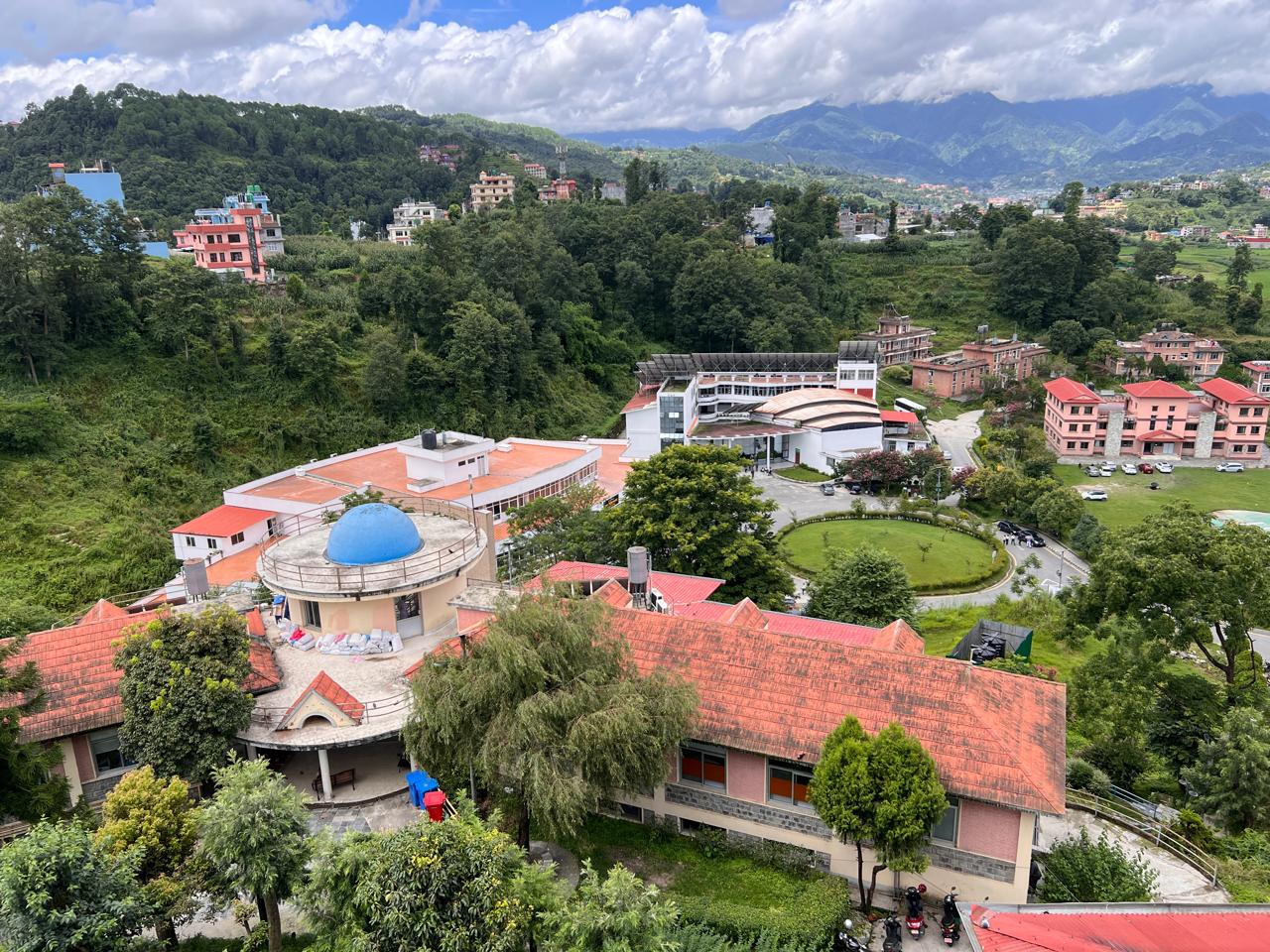
This is the story of an impactful hospital situated in Dhulikhel, 30 kilometers from the Kathmandu Valley, established 30 years ago by Dr. Ram KM Shrestha. The institution has earned a reputation not only in Nepal but also on the international stage.
Dhulikhel Hospital was established on December 24, 1996. Initially, Dr. Ram, surgeon, started to provide services from an outpatient room, with 12 beds, and a handful of staff members. Today, three decades later, it has grown into one of the largest health institutions in the country, with 475 beds, and is going to be expanded to more than 700 beds in the near future.
Going global
In recent years, Nepal is developing multilateral institutions especially in the field of healthcare. Tilganga Institute of Ophthalmology, which is popularly known as Tilganga Eye Hospital, has earned a global reputation for providing cataract surgery. Ramon Magasese award winner Dr. Sanduk Ruit has expanded the service worldwide, bringing a worldwide reputation to Nepal. Dr. Ruit has performed surgeries in multiple continents spanning Asia, Africa, and North America. He has treated patients in Nepal, China, India, Bangladesh, Vietnam, Cambodia and North Korea. Besides, his affordable intraocular lenses from Tilganga are distributed over 60-70 countries. He has also trained surgeons from more than 40 countries.
The focus of this story, however, is Dhulikhel Hospital, which has been transforming the healthcare landscape of Nepal. With its 18 outreach centres, the hospital has expanded services up to the doorsteps of patients. Traditionally, a health care facility treats the patients who visit the hospital. However, this hospital has changed this approach by taking services to the households and the community. Besides treatments, the hospital has also started providing agricultural and livestock development support to the local people.
“We’re thinking beyond health care facilities, integrating community development programs along with health care services brings a holistic approach in tackling health issues along with social issues,” says Dr. June Kakshapati, Program lead at the Office of the Global Engagement of Dhulikhel Hospital. “We’re not only a tertiary centre but also a hub for providing services that meet the real need of rural communities. Communities are the soul of our health program and we develop the programs such as school health, women’s health, agricultural training and micro financing programs for the women as per the need of the community. Our team of community programs and public health work hand in hand with the hospital team and local municipality. Thus, this unique approach helps us serve our community. We are not confined within Dhulikhel. It’s been expanded because of the public trust we’ve earned over the years.”
Many community hospitals across the country are now replicating the model of Dhulikhel Hospital. That’s probably why the government of Nepal is also allocating a budget to the hospital, considering it as a ‘model hospital’ of the country.
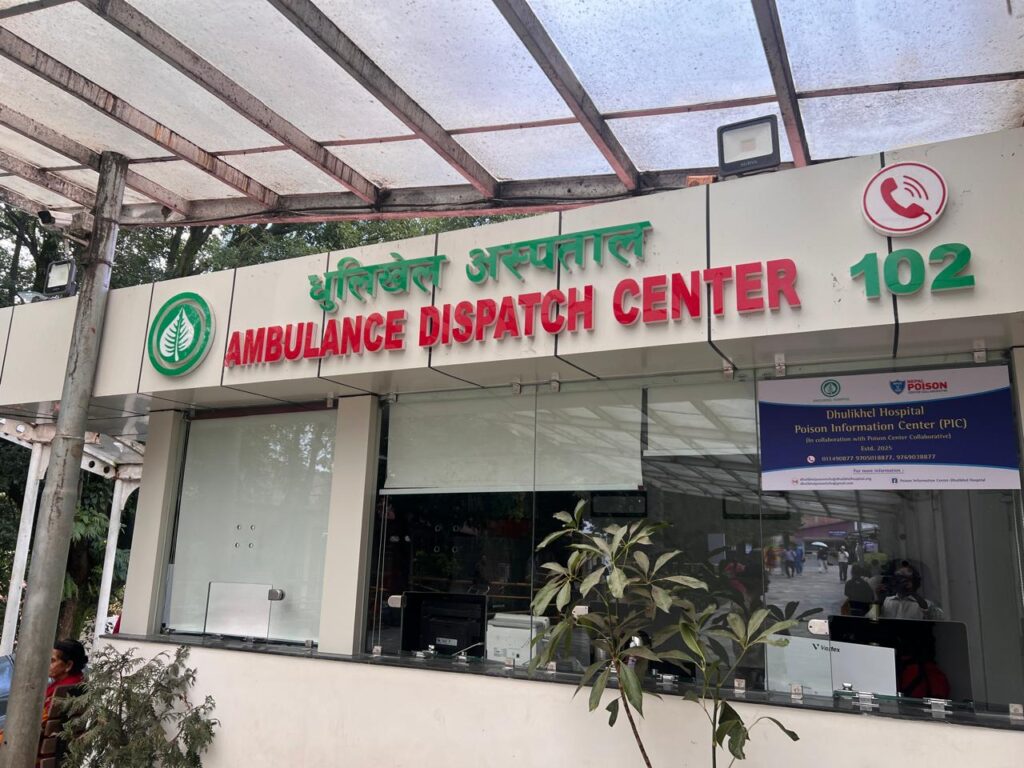
Healthcare beyond hospital
Due to its pro-public approach, not only the Nepal government, many international agencies and countries are lining up to extend their support. In the past, Dr. Ram would visit various countries to seek support and assistance for the hospital. Now, with the reputation and praise from the service seekers many are keenly waiting to lend support.
As a journalist, I’ve been visiting this hospital consistently since its establishment. The institution has experienced phenomenal growth during the past three decades. The hospital has also transformed the ambiance of Dhulikhel. Dhulikhel Hospital, together with Kathmandu University, has helped turn the area into an educational and health service hub. The presence of university students and people seeking healthcare has made the area more vibrant, generating increased economic activity and public engagement.
Dhulikhel was officially recognized as Nepal’s first “healthy city” and the second healthiest city in all of Asia by the World Health Organization (WHO) in 2024. With a remarkable score of 65.48 points, the Dhulikhel Municipality also received a USD 5,000 cash reward following a rigorous monitoring process that began in 2021.
Dhulikhel Hospital has a separate pediatric department and features a dedicated children’s block providing inpatient, neonatal intensive care (NICU), and pediatric intensive care (PICU) services. The general pediatric ward has 30 beds with a small library, toys and painting items for children.
The ground floor of the pediatric unit was built with assistance from the Indian Embassy in Kathmandu. Renowned banker BK Shrestha and his family supported an additional Rs 100 million, while the hospital allocated the remaining amount as a matching fund.
Support to the hospital comes in the form of philanthropy or as national or international institutional assistance. Almost every department building and piece of equipment at the hospital has a story of support and collaboration from around the world.
In Nepal, people often complain about the brain drain and shortage of human resources. However, this institution has been consistently developing skilled human resources for the required services. The hospital has its strategy to receive equipment from friendly nations and institutions abroad which contributes to saving money and keeping the equipment operational.
The hospital also receives linens as bed sheets, pillow covers and blankets from donors from rich countries, which contributes to hospital bearing costs for linens that account for 2-3% of total overhead expenses.
“Do you need to be rich to receive quality health services?”, Dr. Ram Kantha Makaju Shrestha told The Diplomat Nepal recently. “Everyone deserves to receive quality health care. In our hospital we don’t see the economic status of a person. Moreover, you’ll never be denied services due to inability to pay.”
Healthcare, research and innovation
The Dhulikhel Hospital is also gaining recognition for health research as the institution is involved in research on child related diseases. “Now we’ve been conducting comparative studies between children of Nepal and Norway on chest related health issues,” says Dr. June.
In addition, Dhulikhel Hospital, Kathmandu University Hospital- IVI Collaborating Centre was established through a memorandum of understanding signed on April 15, 2026 between the International Vaccine Institute (IVI) and Dhulikhel Hospital, Kathmandu University Hospital. The hospital was involved in clinical trials for COVID-19 vaccine. As a result of all these initiatives, the hospital is widely recognized as a leading and top-tier health science research and tertiary care institution in Nepal.
The hospital’s specialized stroke centre, established through international diaspora partnerships, has earned recognition from the World Stroke Organization. Now it has a 5-bed facility for the acute care and management to serve the patients of stroke.
The hospital has continued to add new specialized services. Its new dental unit, for example, has three D imaging facilities. It’s been using AI for the treatment and learning activities. It has developed a toothpaste named as ‘Syahaar’, which is fluoridated mint toothpaste manufactured locally to improve community oral health. According to Dr. June, they spent two years creating new formulas and testing for toothpaste, which has proven to be useful to solve modern day dental health problems.
Dhulikhel Hospital is the centre of excellence for education and training. The hospital receives students and trainees from various countries, with as many as 350 students and trainees coming to the hospital from various countries last year. After all, it’s a global hospital of larger stature and excellence.
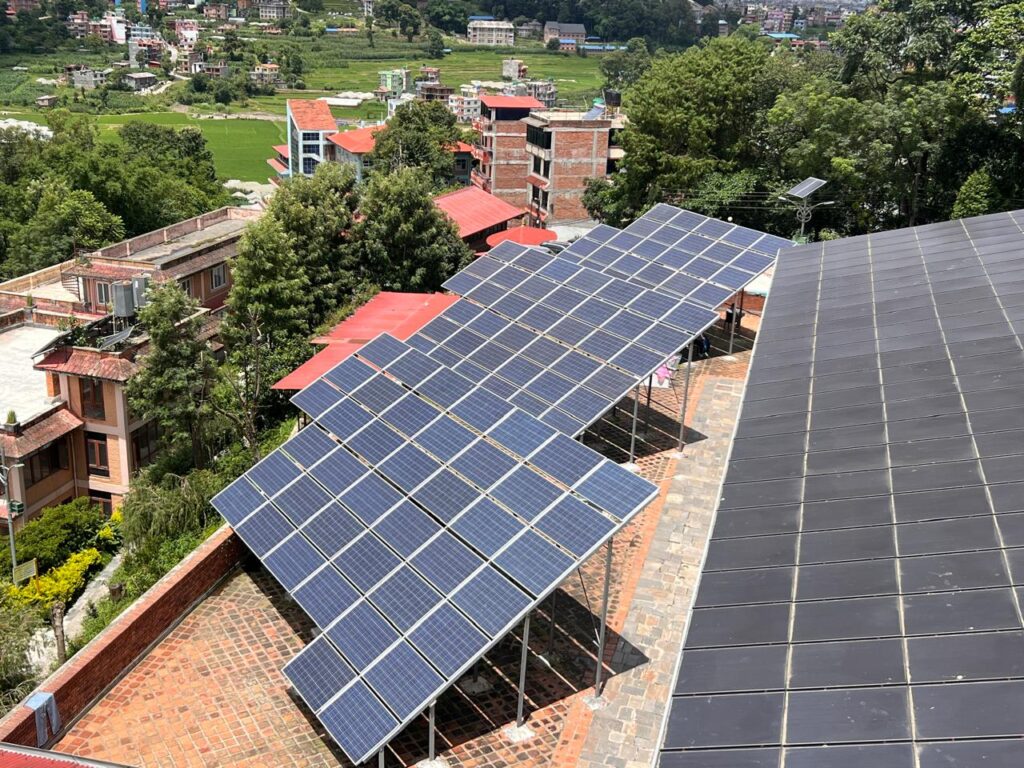
The institution is working toward becoming self-reliant and environmentally friendly. It treats used water before discharging it into the local stream. It has a relaxation garden for the patients and their families and generates heat and light through solar panels.
Major construction work is underway within the hospital premises with the support from the Japanese government. Japan provided a grant aid of 3.3 billion Japanese Yen (approximately 3 billion Nepali Rupees) through JICA Nepal to build a new Trauma and Emergency Centre for the hospital. As the hospital is located near the major highways, this trauma center will be vital to serve the patients injured in road accidents. The Trauma Center is expected to be complete by June-July next year.
“Service must be equal for every one,” Dr. June explains. “We can’t send patients away. Even Bir Hospital and other hospitals send referrals for the service here.”
Dhulikhel Hospital continues the Nepali tradition of oil massage to the newborns. Health practitioners from many European countries come to receive training on oil massage to the newborns in this hospital. The hospital has terraces where families can sit under the sun and give oil massages to the newborns.
Local people are also helping to expand the services and facilities of the hospital. One local donor who lives abroad wants to donate a house located in Baluwatar, Kathmandu, where the hospital is planning to set up a geriatric centre. There are many new add-ons in hospitals, which are donated by the people from abroad. Margit Patshala building of the hospital, for example, was built with donation from Heri Wirth (Margit’s husband) on their 28th marriage anniversary. This building is used for the regular classes of various medical educational courses.
Every building and every unit within the hospital has its own story. The old dental building was constructed with the money raised by the dental doctors by collecting gold from decayed teeth and their own additional fund. Chasma Ghar, an eyeglass house, was built using a container that was used by the US Army in Kuwait. The container was used to transport medical equipment to Dhulikhel before being converted into an eyeglasses centre. These are just some of the many stories behind the hospital’s services and facilities.
Dhulikhel Hospital is known among expatriates in Kathmandu for its quality health services and education. According to the doctors in the hospital, one expatriate couple came to the hospital for the delivery of a baby boy. They had initially planned to go to Singapore, later they chose Dhulikhel Hospital for one of the most important moments of their lives.
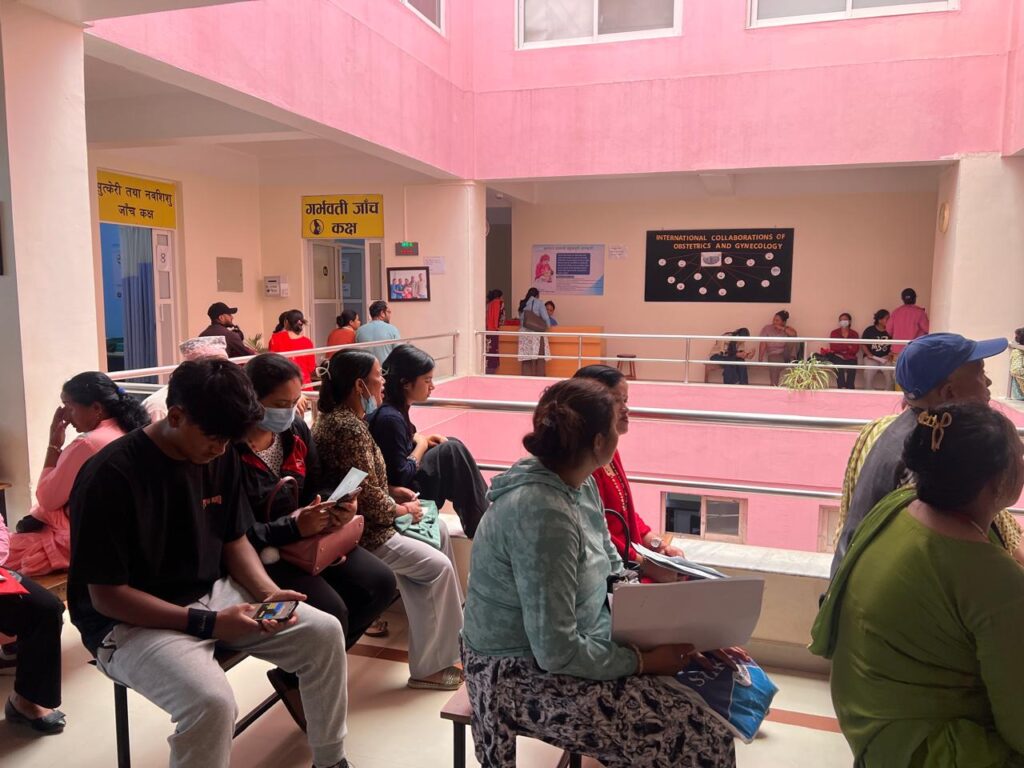
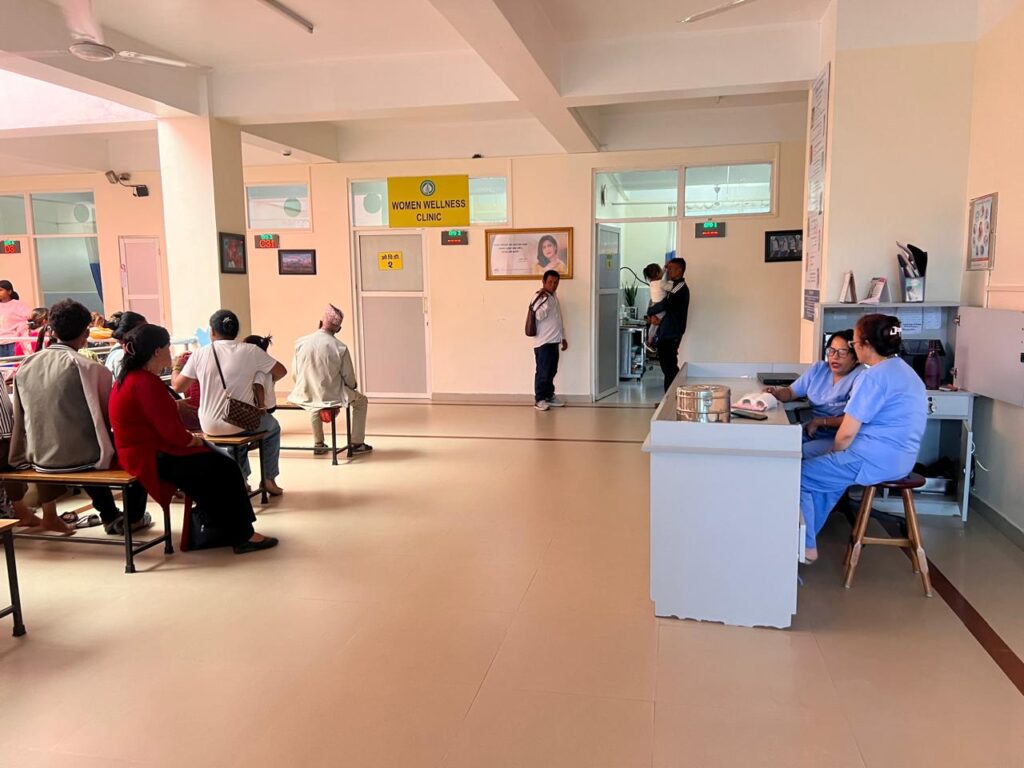
The hospital runs a high risk pregnancy unit. UNFPA and Dhulikhel Hospital collaborate on maternal health through safe motherhood programs, skilled birth attending training, and emergency obstetric care capacity building. According to UNFPA Nepal, both of these institutions inaugurated the first menopause clinic in Nepal. Named ‘wellness clinic,’ it provides advice and healthcare to many women. “It has changed the quality of the life of women,” says Prof. Dr. Ava Shrestha. “After 50 years many women start experiencing hormonal changes and other health problems. At this point they need support and care.”
Why did UNFPA Nepal choose Dhulikhel Hospital for such an important initiative? A May 21, 2025 statement from UNFPA Nepal reads: “Dhulikhel Hospital is not just a hospital. It’s a training ground for health professionals across the country—and a trusted provider for rural and urban communities alike. With its strong OBGYN department and network of satellite clinics, Dhulikhel is well-positioned to lead the way in changing how Nepal cares for menopausal women.”
Dr. Ram, founder of the hospital, says: “People’s hearts melt when you show results. If we share whatever we’ve, then people come to reciprocate it. In this hospital almost 50 countries have collaborated either one way or another. More than 60 universities and hospitals are collaborating with us. Every year more than 100 students, faculty members and staff go abroad for further studies and training. We’ve expanded our institutions as South Asia’s affordable and competent health infrastructure and service.”