International Relations (IR) and Diplomacy, as a subject, is the theoretical and practical side of understanding global affairs. While IR is the broad study of the interactions between countries, international organizations, and NGOs, diplomacy is the tool states use to negotiate, build alliances, and achieve their goals peacefully. Nepal is in a very unique position when discussing IR and diplomacy as the nation is balancing delicate geopolitical ties with large neighboring states, India and China and major powers beyond the borders. This unique geopolitical position of Nepal is an indirect cause of an increased interest in IR and diplomacy among students.
IR and Diplomacy is not a new subject in Nepal, with Tribhuvan University already having a Master’s degree course in International Relations and Diplomacy. However, there is a need for the subject to become more accessible to students interested in this field.
There are two other institutions of repute that are also actively working to educate students and to train diplomats.
Diplomatic Academy Nepal (DAN) is one such institution. It is a professional training and academic institution dedicated to professional excellence in international relations and diplomacy. Built under the parent organization, The Ambassadors Club Nepal, DAN’s mission is to advance diplomacy through education. The cornerstone of DAN is “the integration of Diplo-Tech—the critical intersection of technology and diplomacy,” an approach which “distinguishes DAN as a forward-thinking hub, equipping the next generation of global leaders with the essential tools to navigate an increasingly digital international landscape.” As an academic program, DAN offers training, workshops, research and development, as well as internships.
Some of the core functions of DAN are diplomatic education and training, policy research and publications, Track 2 diplomacy dialogue, and capacity building. Mainly, DAN combines academic rigour with practical technical literacy and ensures that its participants are prepared to lead in a world where emerging technologies and diplomatic strategy are permanently intertwined.
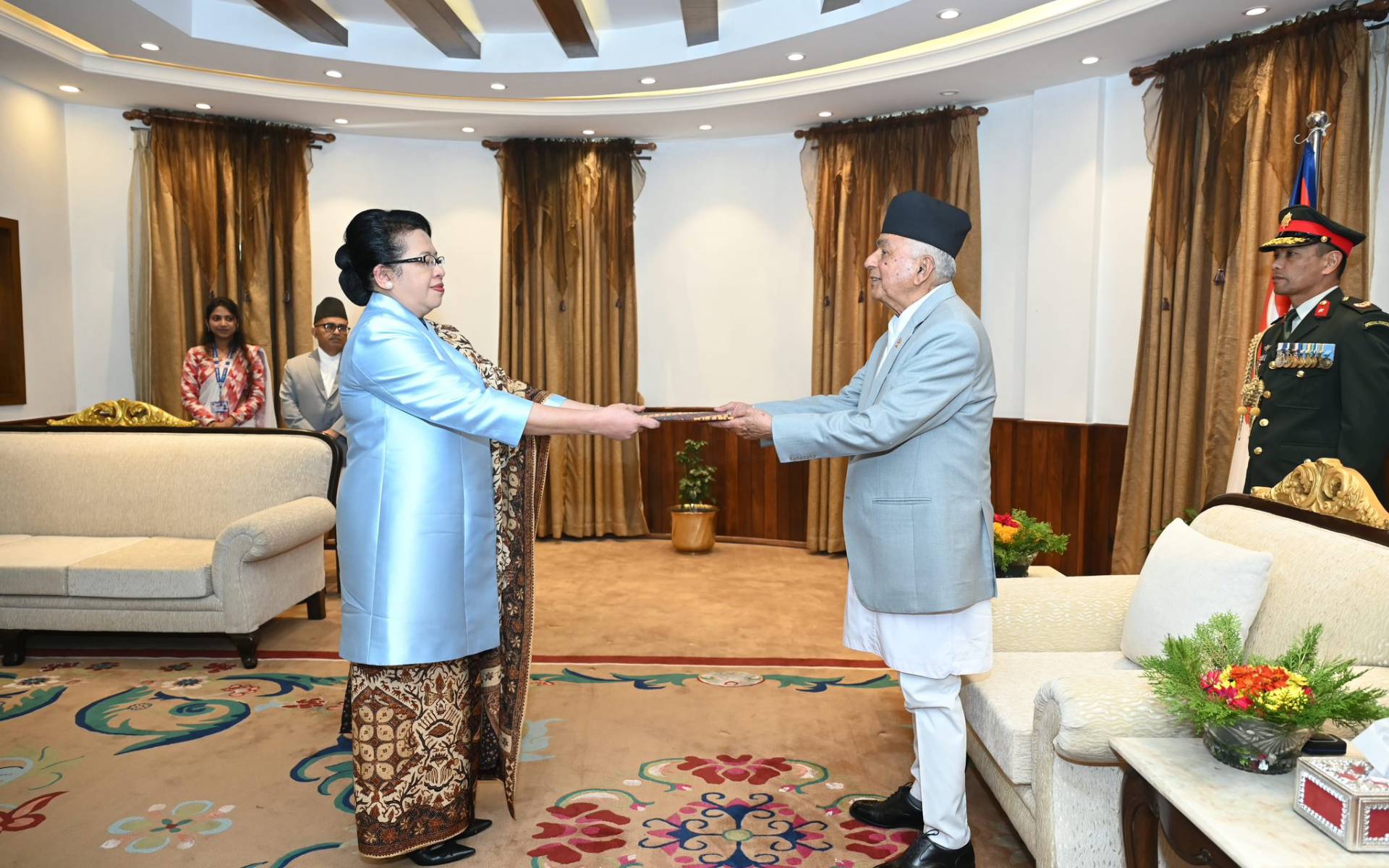
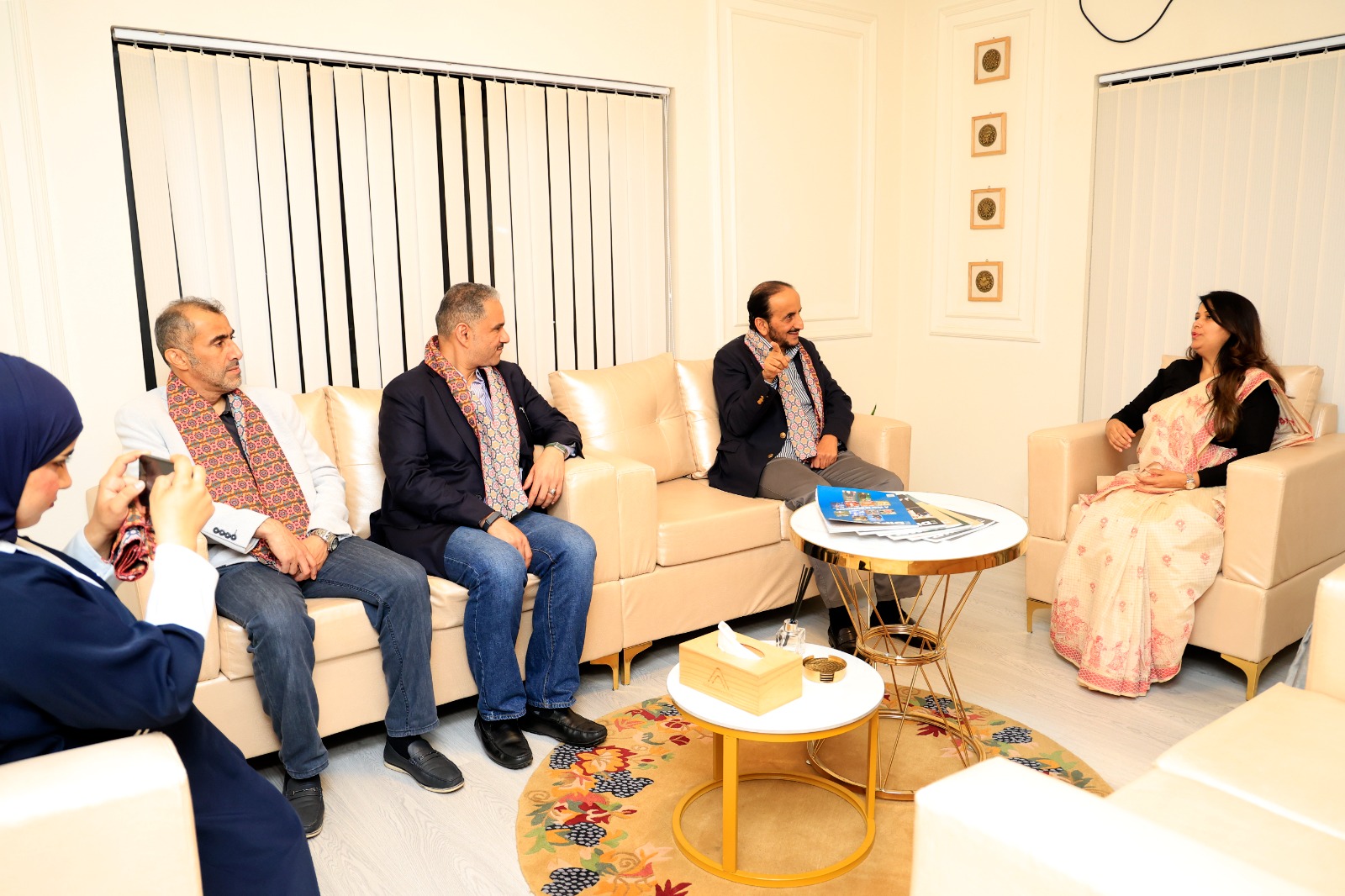
According to Amb. Dr. Sarmila Parajuli Dhakal, the Founder of the Ambassadors Club Nepal, the DAN has been conceived as part of a broader institutional ecosystem that brings together education, policy dialogue, research, and public diplomacy. She further stated that the Diplomatic Academy responds to the global need for well-informed, professionally trained, and ethically grounded diplomatic practitioners by providing a neutral, non-partisan space for education and exchange.
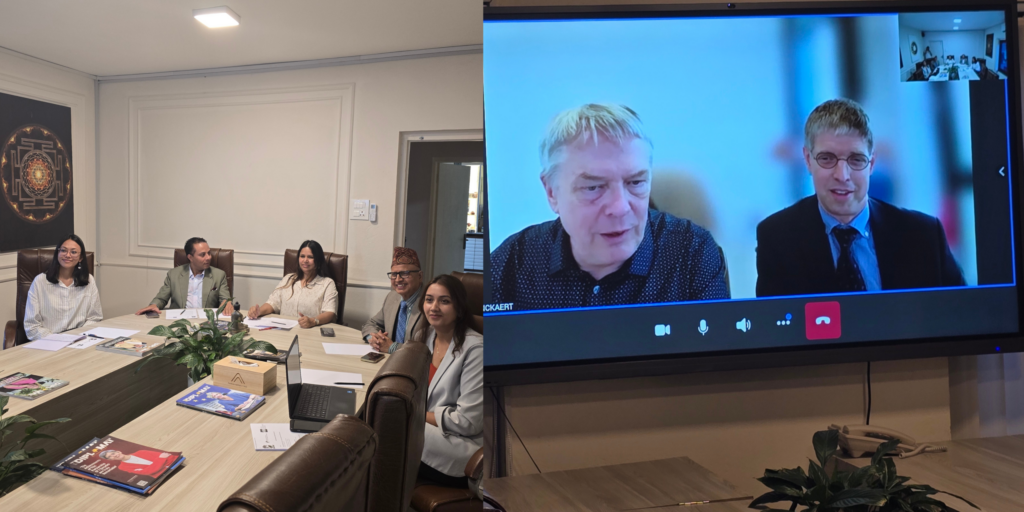
DAN also officially signed a Memorandum of Understanding (MoU) with the Brussels Diplomatic Academy (BDA) of the Vrije Universiteit Brussel (VUB), Belgium. Under this agreement, both institutions will combine their strengths to design and deliver cutting-edge educational initiatives. The collaboration will explore joint training programs and short courses covering diplomacy and international relations.
DAN, as an academic institute, is determined to produce diplomats who are well-informed, well-spoken, and professionally trained. “Our programs are designed to combine academic rigor with practical skills, drawing on the experience of distinguished diplomats, scholars, and practitioners from across regions and traditions,” Amb. Dr. Dhakal said. “Equally important, the Academy places strong emphasis on cross-cultural learning, ethical leadership, and constructive international cooperation—values that are essential to effective diplomacy in today’s interconnected world.”
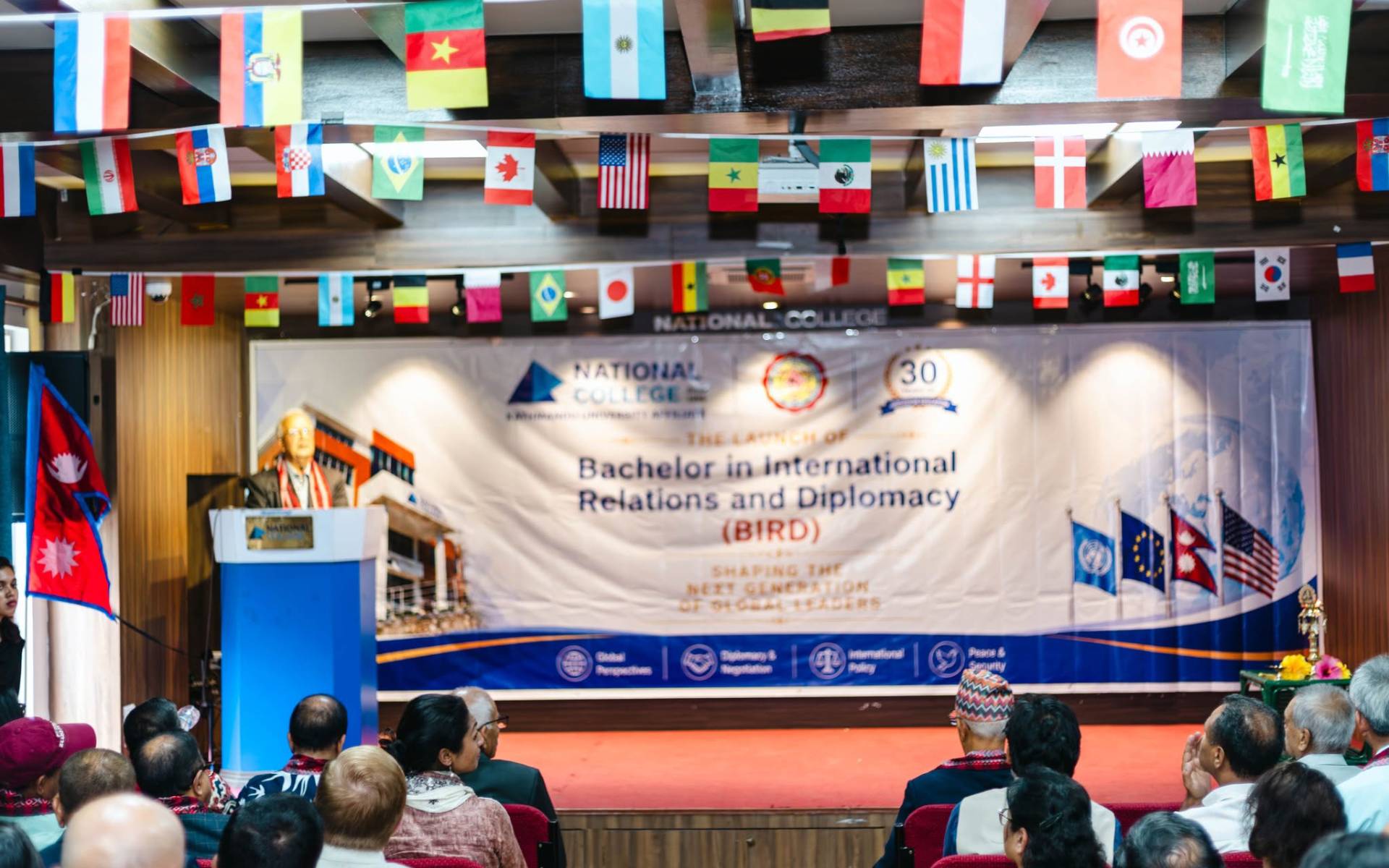
Bachelor’s in International Relations and Diplomacy (BIRD) launched by National College, a Kathmandu University affiliate, is another academic course for students who are interested in global affairs and who want to pursue a Bachelor’s degree in International Relations and Diplomacy. Launched on June 11, 2026, BIRD is designed as an interdisciplinary four-year undergraduate course, crafted for students to seek a critical outlook on global development. This interdisciplinary course blends theory, history, and foreign policy analysis with hands-on training through targeted simulation and internships.
BIRD is an undergraduate course that has built a more stable baseline, which prepares students on the basic conceptual ground for practicum. While the Master’s in IR and Diplomacy is for more advanced studies, the Bachelor’s programme is supposed to give a practical exposure for students so they can move on towards their higher studies.
The program aims to bring students not only to see what’s happening in the world but also to question why. Chhatra Karki, Vice-Principal of National College, said, “This course is for students who are interested in social issues related to international affairs, politics, economy, among others. This is a course that can bring a wide variety of students who have a general interest in foreign affairs.”
When asked who this course is for, Shweta Karki, Program Coordinator of BIRD, emphasized that “it is for those who want to look deeper into global affairs, who want to understand Nepal’s place within the broader geopolitical landscape where interests are very much complex.”
Students of this course will be learning language and communication skills, practical training and professional exposure, specialized courses on a diverse set of issues, and research-oriented learning. Moreover, says Vice-Principal Karki, students will first start off with foundational courses, then learn more about theories and policies of IR and Diplomacy. They will also develop research and practical skills through field research and internships, he added.
Both DAN and BIRD are guided by a clear vision and mission. DAN has a vision to be a globally connected diplomatic academy for diplomatic education, dialogue, and professional training, backed by technology and innovation. They are committed to delivering high-quality, non-partisan education and professional training in diplomacy and international affairs. DAN, as an academic institution, wants to promote dialogue, research, and diplomatic engagement and wants to serve diplomats, government officials, international professionals, security experts, scholars, and students from Nepal.
BIRD is the first undergraduate course on international relations and diplomacy at the capital of Nepal, which gives access to policy-making circles. The course challenges the students to think about what it truly means to be a diplomat. Program Coordinator Karki stated, “I have always pressed on the fact that IR is not just for diplomats. It’s for critical thinkers, for people who want to become researchers, people who bring new ideas, problem solvers, negotiators, mediators in any field.” The program goes beyond foreign affairs, diplomacy, and policies, but also aims to create researchers, mediators, and think tanks, she explained.
Alongside similarities, both courses also have different approaches to learning international relations and diplomacy. DAN’s main focus is on providing leadership-level orientation and expert advisory services to governmental and non-governmental entities. BIRD focuses more on creating critical thinkers with communication and negotiation skills, as well as argumentative reasoning.
Regardless of their similarities and differences, both courses are determined to train a new generation of youth to be proficient and excellent in this academic field. Courses like these will be bringing in a new generation of experts of international relations and diplomacy.
That said, this course that holds immense potential for learning and growth for the students who aspire to build careers in the field of diplomacy in the future, is not free from challenges and limitations.
According to Shweta Karki, key challenges that students face, especially initially, are the conceptual complexity, for IR is an interdisciplinary field and draws from multiple subjects such as history, economics, law, security studies and so on. “Plus, they need to keep track of the ongoing shifts in the global, regional and national events. And the rapidly evolving dynamics sometimes overwhelms them,” Karki said. “Since students come from diverse backgrounds, they also face research and methodological gaps. Sometimes, certain topics may even be ethical or emotional stress, when studying events that illustrate humanitarian crises, violence, and global injustice.”
But according to her, there are also ways to overcome these challenges. “If students treat the discipline with the rigor that it demands and understand that it is an essentially competitive but highly rewarding field as well, they will find the subject holding immense scope,” she said.
“I would encourage students to remain intellectually rigorous, actively participate in discussions and simulations, seek internships and field experiences, and cultivate a habit of lifelong learning.”