
Kathmandu– Amplifying the voice of developing nations and reforming international institutions emerged as central priorities at the 2026 Global Governance Forum held in Xiong’an, where global leaders discussed how China’s Global Governance Initiative (GGI) can reinforce the multilateral system.
Addressing the plenary session, United Nations Under-Secretary-General for Policy Guy Ryder stressed that international institutions must become more representative and effective to tackle modern challenges. Ryder noted that China’s GGI, proposed in September 2025, aligns with UN objectives by advocating for sovereign equality and greater representation for the Global South. He called for urgent reforms to enhance developing countries’ influence in global decision-making, improve international financial systems, and foster cooperation on emerging technologies.
Former Kyrgyz Prime Minister Djoomart Otorbaev highlighted the economic rise of the Global South, questioning why developing nations remain underrepresented in bodies like the International Monetary Fund. He emphasized that China’s initiative presents a forward-looking vision to reform, rather than replace, the existing international order.
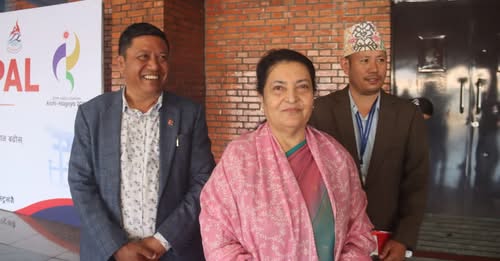
Echoing these views, former Nepalese President Bidya Devi Bhandari urged the global community to prioritize the vulnerabilities of least developed nations, landlocked states, and countries on the frontlines of climate change. She noted that while the GGI provides a vital platform for dialogue, meaningful participation and tangible improvements in people’s lives are essential for real progress.
The forum also addressed urgent humanitarian and technological challenges. UN High Commissioner for Refugees Barham Salih highlighted that with over 117 million displaced people worldwide, an effective multilateral system is imperative. Meanwhile, World Economic Forum founder Klaus Schwab warned of the unprecedented governance challenges posed by rapid advancements in artificial intelligence, calling for mutual trust to prevent emerging technologies from widening global inequalities.
Former Egyptian Deputy Foreign Minister Ali El-Hefny concluded that governance reform must ultimately be measured by concrete development opportunities and equitable progress worldwide.