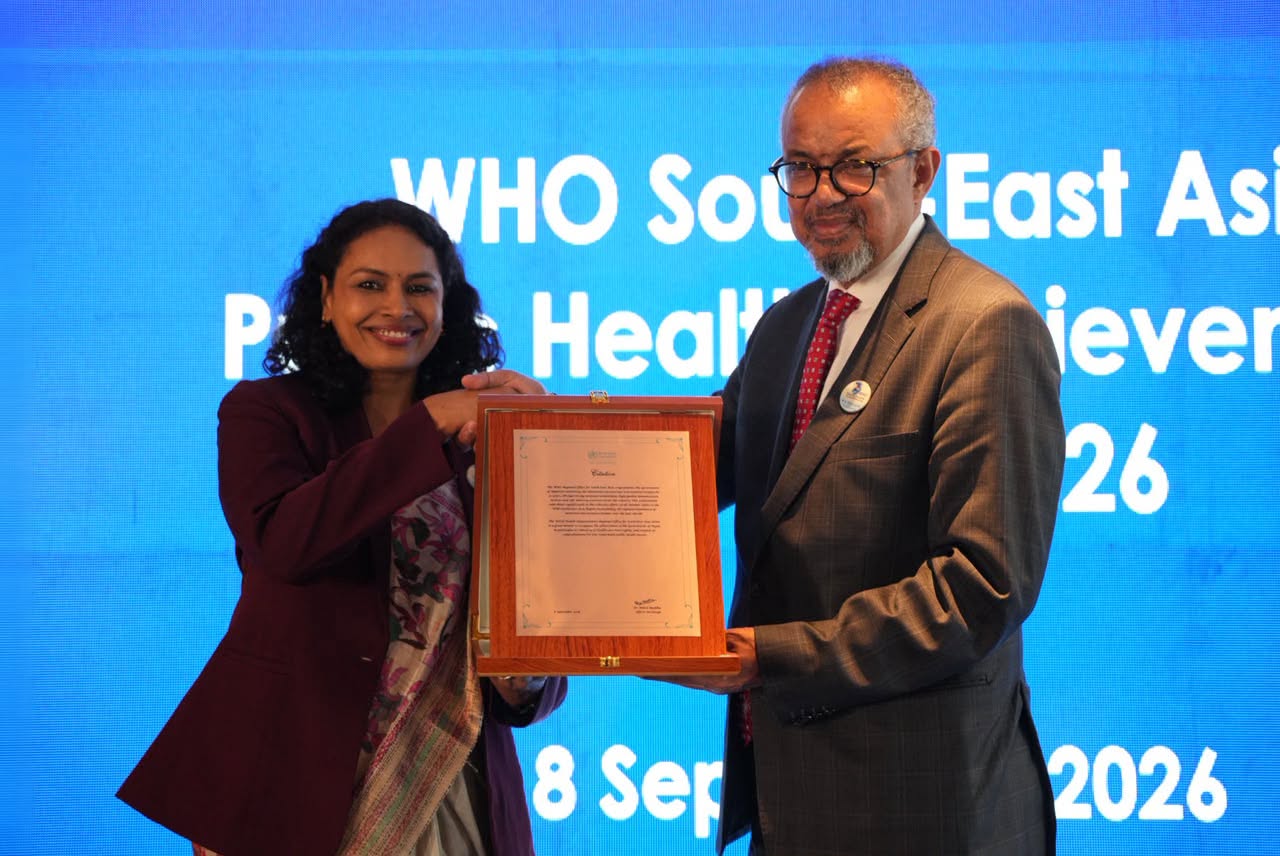
Kathmandu: The World Health Organization (WHO) South-East Asia Region on September 8 celebrated major public health achievements by Member States, highlighting important milestones in disease elimination, maternal, newborn and child health, immunization, and the prevention and management of noncommunicable diseases.
The awards were presented by the WHO Director-General, Dr Tedros Adhanom Ghebreyesus, to Ministers of Health or Heads of Delegation during the Seventy-ninth Session of the WHO Regional Committee for South-East Asia.
Nepal was recognized for sustaining the elimination of maternal and neonatal tetanus for a decade since validation, reflecting years of sustained national commitment and collective effort.
Bangladesh, Bhutan, the Democratic People’s Republic of Korea, India, Maldives, Nepal, Sri Lanka, Thailand and Timor-Leste have sustained the elimination of maternal and neonatal tetanus for a decade since validation, according to the World Health Organization (WHO) South-East Asia Region. This collective achievement reflects strong national commitment, high-quality immunization services, safe delivery practices and sustained vigilance to protect mothers and newborns, underscoring the importance of continued action to maintain these hard-won health gains.
“A proud and deeply emotional moment for Nepal,” wrote Dr. Sangeeta Mishra, additional Secretary at Ministry of Health and Population. “Nepal’s recognition for sustaining the elimination of maternal and neonatal tetanus for a decade is a powerful reminder of what commitment and collective effort can achieve.” “After working for more than 2 decades in Maternal and Child Health, I feel truly privileged to have walked alongside women, witnessed their strength, and been part of their journey toward safer motherhood and healthier babies,” she added.
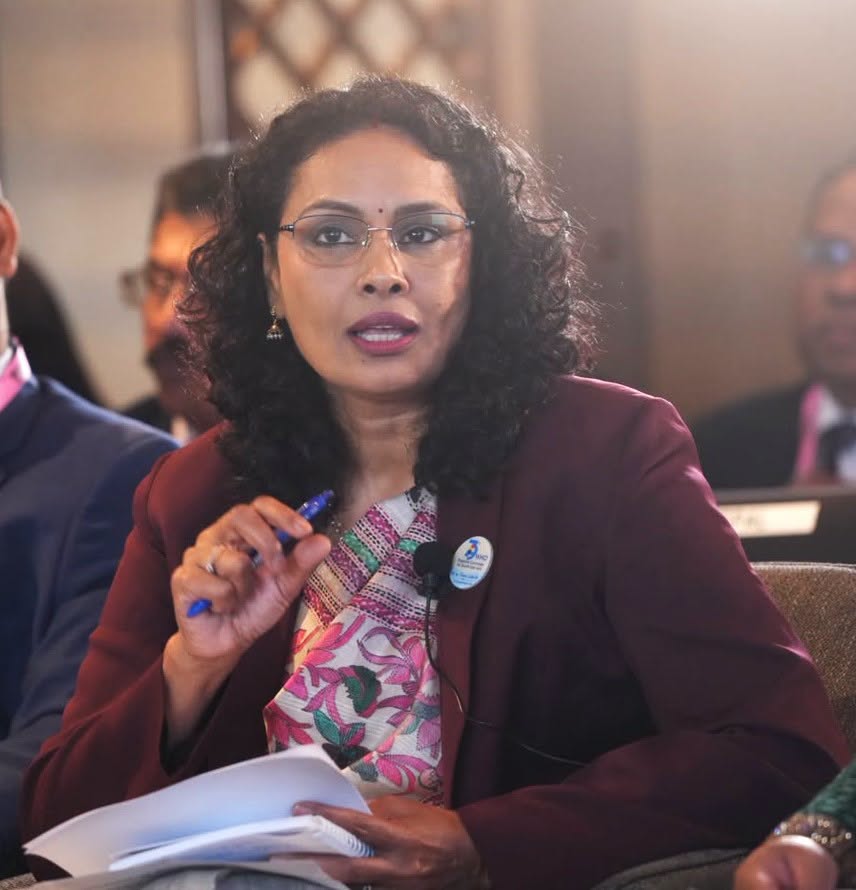
Meanwhile, at the Ministerial Roundtable on “Human Resources for Health: Equity in Specialized Care”, Dr Sangeeta Mishra said “Nepal is strengthening access to specialized healthcare as part of its commitment to universal health coverage and the constitutional right to health. The country is reviewing its health strategy and aligning medical education and specialist production with population needs, disease burden and service gaps.” She further said that specialist services are also being expanded beyond Kathmandu through strengthened federal and provincial hospitals, including services such as cardiac surgery and dialysis.