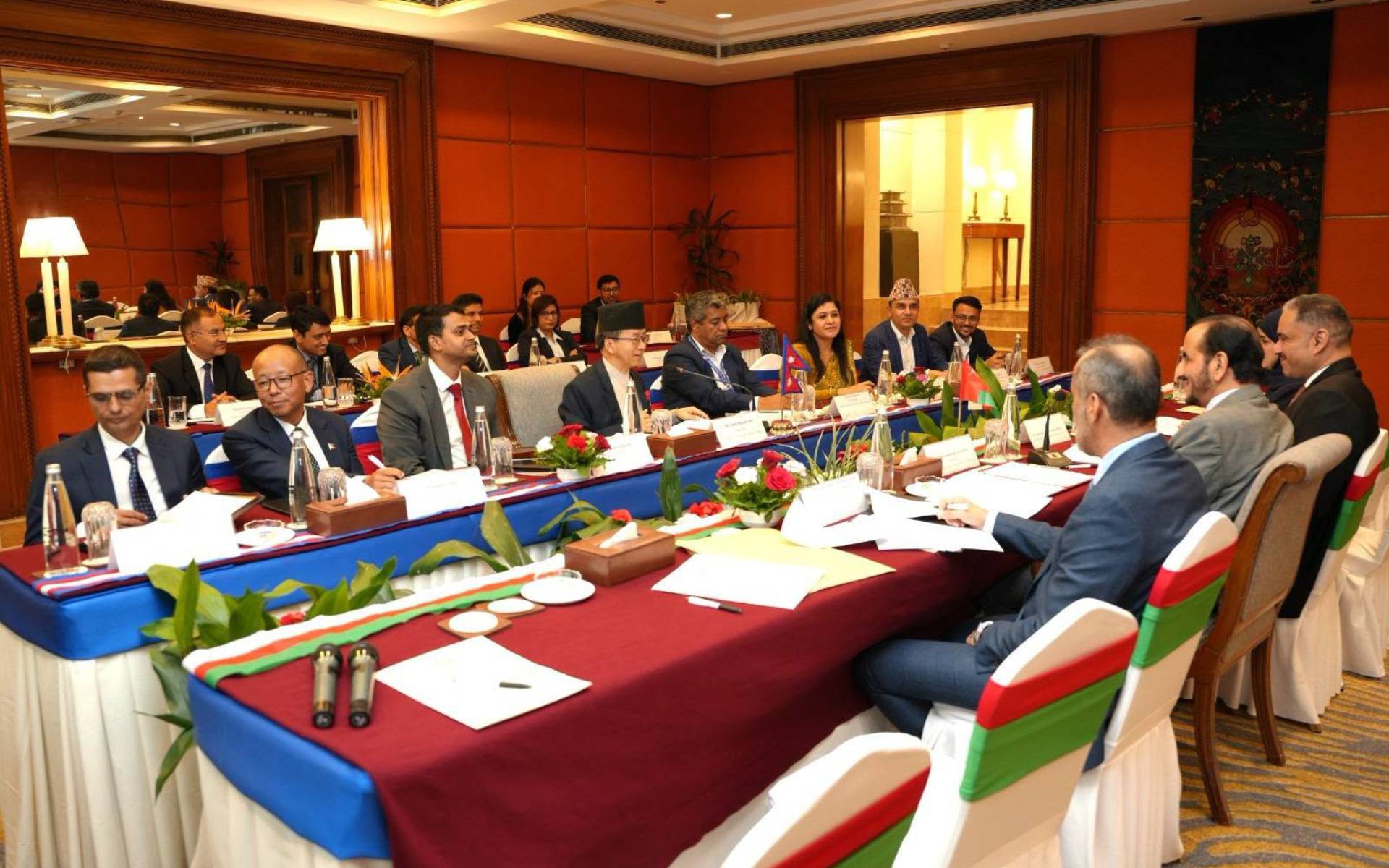
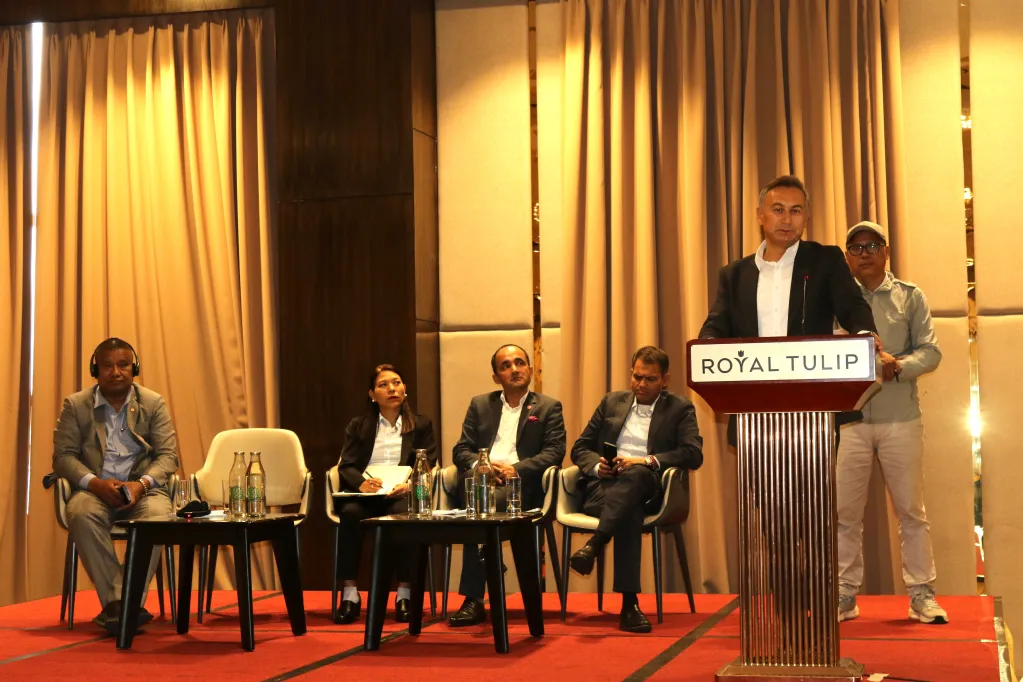
Kathmandu: The International Labour Organization (ILO), in partnership with the Ministry of Youth, Labour, and Employment (MoYLE), convened a national policy dialogue in Kathmandu, bringing together government institutions, employers’ and workers’ organizations, industry representatives, technical experts and development partners to identify practical actions for safer chemicals management and healthier workplaces.
The dialogue aimed to review Nepal’s existing legal, policy and institutional framework for chemicals management and occupational safety and health (OSH), strengthen coordination among key institutions and social partners, and identify priority actions to improve chemical safety at the national and workplace levels.
It also provided a platform to share international standards and good practices, including the Global Framework on Chemicals (GFC), relevant ILO international labour standards and the Globally Harmonized System of Classification and Labelling of Chemicals (GHS). The discussions sought to build consensus on recommendations to inform future policy, institutional strengthening and capacity-building in Nepal.
Speaking at the event, Numan Özcan, Director of the ILO Country Office for Nepal, said, “Guided by ILO standards, social dialogue and tripartite cooperation are essential to identifying practical priority actions and strengthening Nepal’s systems for ensuring safe and healthy working environments for all workers.”
A key focus of the dialogue was moving from identifying gaps to defining practical and coordinated action. Discussions focused on strengthening legal, policy and institutional arrangements; improving the identification and management of chemical risks in workplaces; building awareness and technical capacity; and enhancing cooperation among government, employers and workers.
The dialogue also emphasized a preventive approach to chemical safety, prioritizing the elimination or substitution of hazardous chemicals wherever possible, followed by engineering controls and safe systems of work, with personal protective equipment used as the last line of defence.
Participants identified priority areas for follow-up and discussed recommendations to strengthen chemical safety governance and support Nepal’s implementation of the Global Framework on Chemicals. These efforts are expected to contribute to better institutional coordination, stronger workplace prevention and improved national capacity to protect workers from chemical hazards.