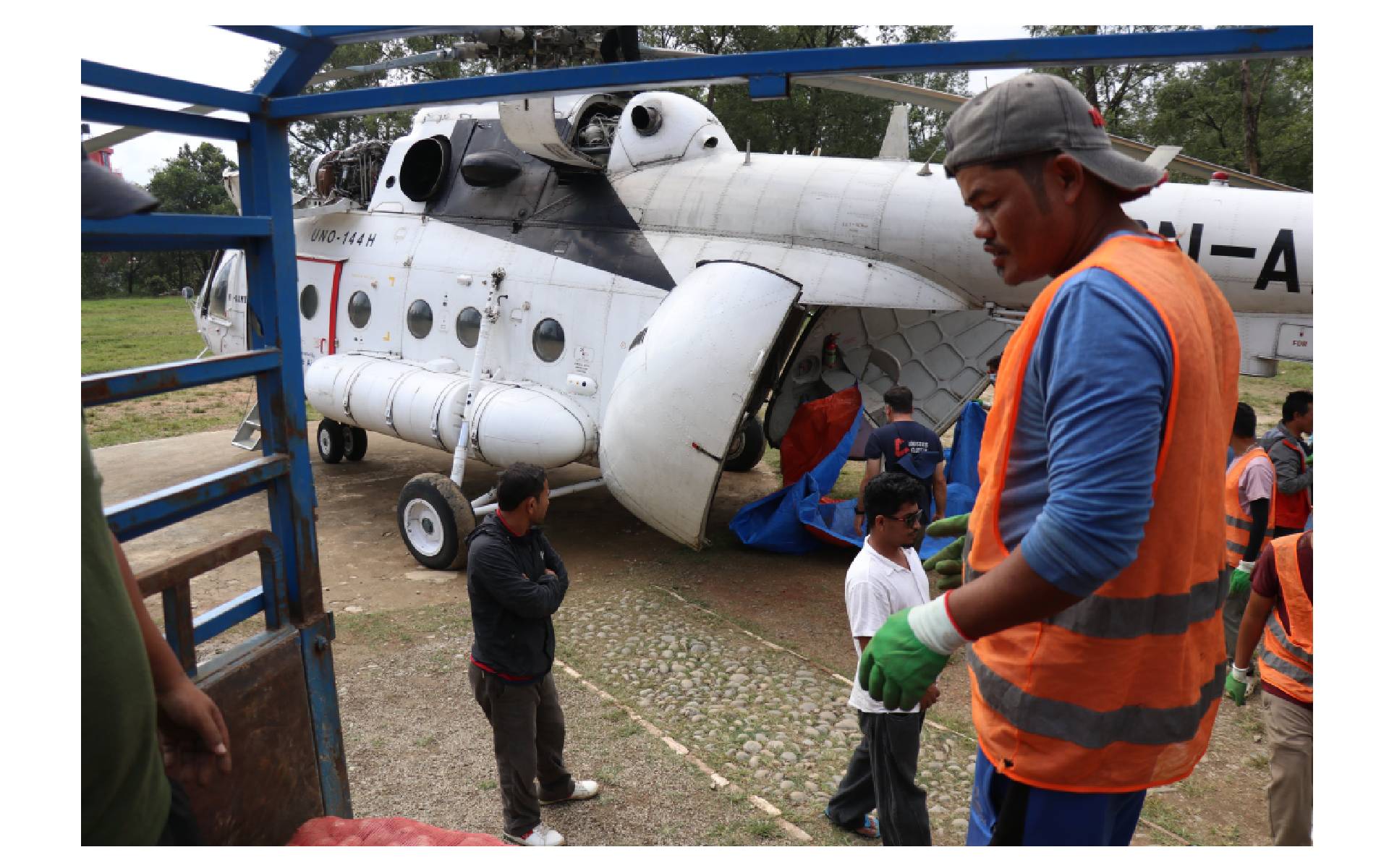
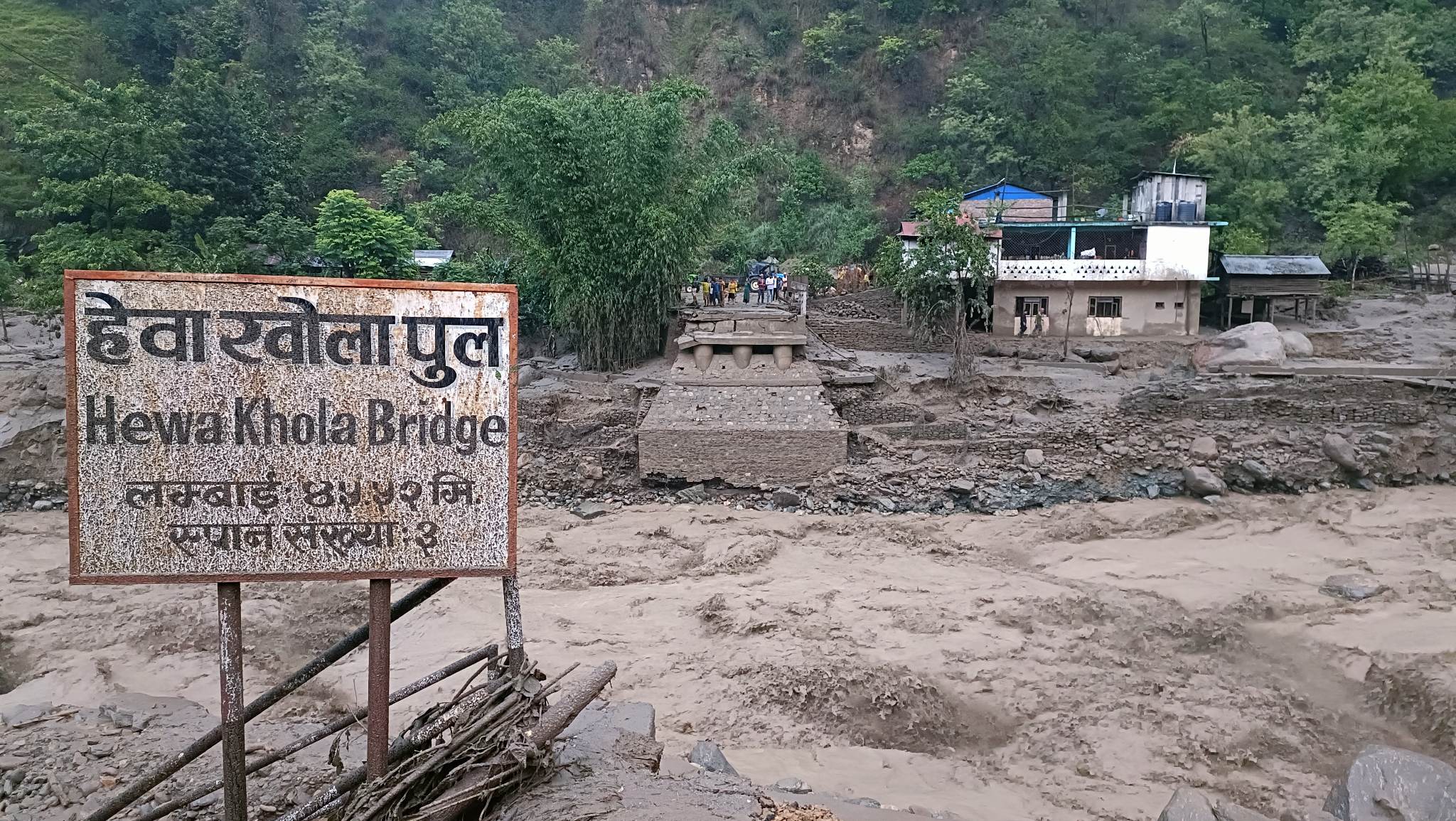
Disasters are nothing new. Throughout history, natural hazards, from floods to hurricanes to earthquakes and drought, have wreaked havoc on human lives and settlements. However, global solidarity and cooperation in the face of disaster risk is also a long tradition. States regularly set aside other differences to offer their help in the case of major calamities. In the last 100 years, many humanitarian organizations have also developed that can support countries facing disaster. Nepal has significant experience of this, both as a recipient of international support and in its aid to other states suffering calamity.
Yet, international law has addressed the question of disasters in a piecemeal and inconsistent way. The Geneva Conventions, the bedrock treaties setting out the rules of war, have obtained universal acceptance in every country. Similarly, the International Health Regulations, the main global treaty on pandemic control, has been accepted by 196 countries. When it comes to natural hazards, there are a handful of sectoral treaties (for instance, on telecommunications, shipping and civilian aviation) that relate to disasters at the global level, a number of regional agreements and hundreds of bilateral treaties. Instead, non-legal strategies and guidelines, like the Sendai Framework for Disaster Risk Reduction (2015-30) and the Guidelines on the Domestic Facilitation and Regulation of International Disaster Relief and Initial Recovery Assistance (2007), serve as the main common reference points.
No one is against disaster risk management or global solidarity. However, this does not mean that law is unnecessary. In many countries, risk reduction is more an aspiration than a duty under domestic law, on the assumption that common sense will prevail. However, given that spending on risk reduction is mostly invisible, it offers little or no political reward to elected leaders. As a result, it is generally neglected until too late. Likewise, despite the best intentions, marginalized communities, and those with special vulnerabilities, often do not get their particular needs met in disaster response. Furthermore, the rules for international assistance are often made up in the middle of a crisis, leading both to a loss of effective control by the receiving state and to unnecessary delay and expense for those just trying to help.
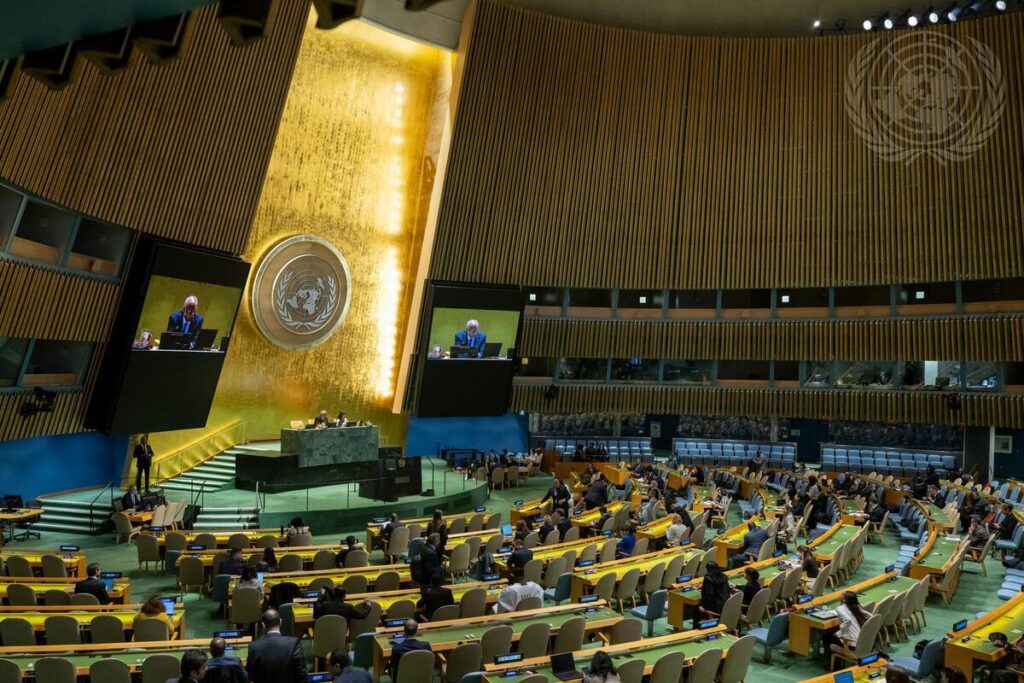
This could be about to change. In December 2024, the UN General Assembly took up a draft framework treaty on “the protection of persons in the event of disasters” submitted by the UN’s International Law Commission in 2016, deciding to elaborate a new treaty in 2027. The Government of the Philippines will host a plenipotentiary conference for this purpose in January 2027.
Nepal has been unflaggingly supportive of this effort in its interventions at the General Assembly, pointing out that it is “at the sharp end of natural, climate-induced disasters and earthquake vulnerabilities” and that the recurrent disasters it endures have “seriously hindered development gains, including the progress on SDGs.” It has said that it sees a global treaty as “indispensable,” expecting that it should “provide clarity and consistency in disaster response” and “be inclusive, implementable, and respectful of national sovereignty.”
By derisking international disaster assistance—reducing the legal uncertainties and frictions that create delay and hesitation from donors—this treaty could unlock quicker access to international funding and cooperation when it is most needed after major disasters and also ensure that the receiving state is understood to be in the driver’s seat when it comes to priorities.
This process will also be an important test of the world’s capacity in the current era to implement multilateral solutions to recurrent common problems. Disaster solidarity is uncontroversial and plainly of benefit to all. Success here is not only a good in itself but a demonstration of the continued relevance of a multilateral tradition that has promoted the equality of states worldwide, ensuring that smaller state voices are not lost amid big power geopolitics.
In the period leading up to the plenipotentiary conference, Nepal has much that it can contribute as an innovator in comprehensive disaster risk management and climate change adaptation. These insights include Nepal’s mostly successful experience managing international assistance after the 2015 Gorkha earthquake. Nepal developed a post disaster needs assessment in record time, received significant international support and met most of its recovery goals as of 2019.
They also include Nepal’s own legal and policy innovations. For instance, in 2017, it adopted a holistic national law, the Disaster Risk Reduction and Management Act. In 2019, in the case of Amarnath Jha v. Office of the Prime Minister and Council of Ministers, the Nepal Supreme Court issued a landmark ruling that Nepal’s constitution imposes a duty on the government to take action to protect citizens from disaster risks. This year, Nepal became one of the first countries to adopt a national “Roadmap on Anticipatory Action”. Of course, Nepal is not perfect. For instance, it can also improve its risk-informed development decisions and the implementation of its disaster-related policies at the community level. Sharing these challenges can helpfully inform global rule-making.
In addition, in line with last year’s Sagarmatha Sambaad, this treaty discussion will be an opportunity to share Nepal’s experience addressing the surging disaster risks in mountainous areas, driven by climate change. Despite the massive consequences both to struggling hilltop communities and to the millions living in valleys exposed to mountain-origin hazards such as floods, landslides and drought, this is still an area relatively absent from international debate.
Nepal’s contribution will not only sharpen this global instrument but inspire and guide others grappling with similar issues at home. As mentioned in its statement to the General Assembly: “No nation—developed or developing—is immune to the devastating impacts of disasters. Together, we can turn the tide of disasters to thrive as a resilient community of nations.”