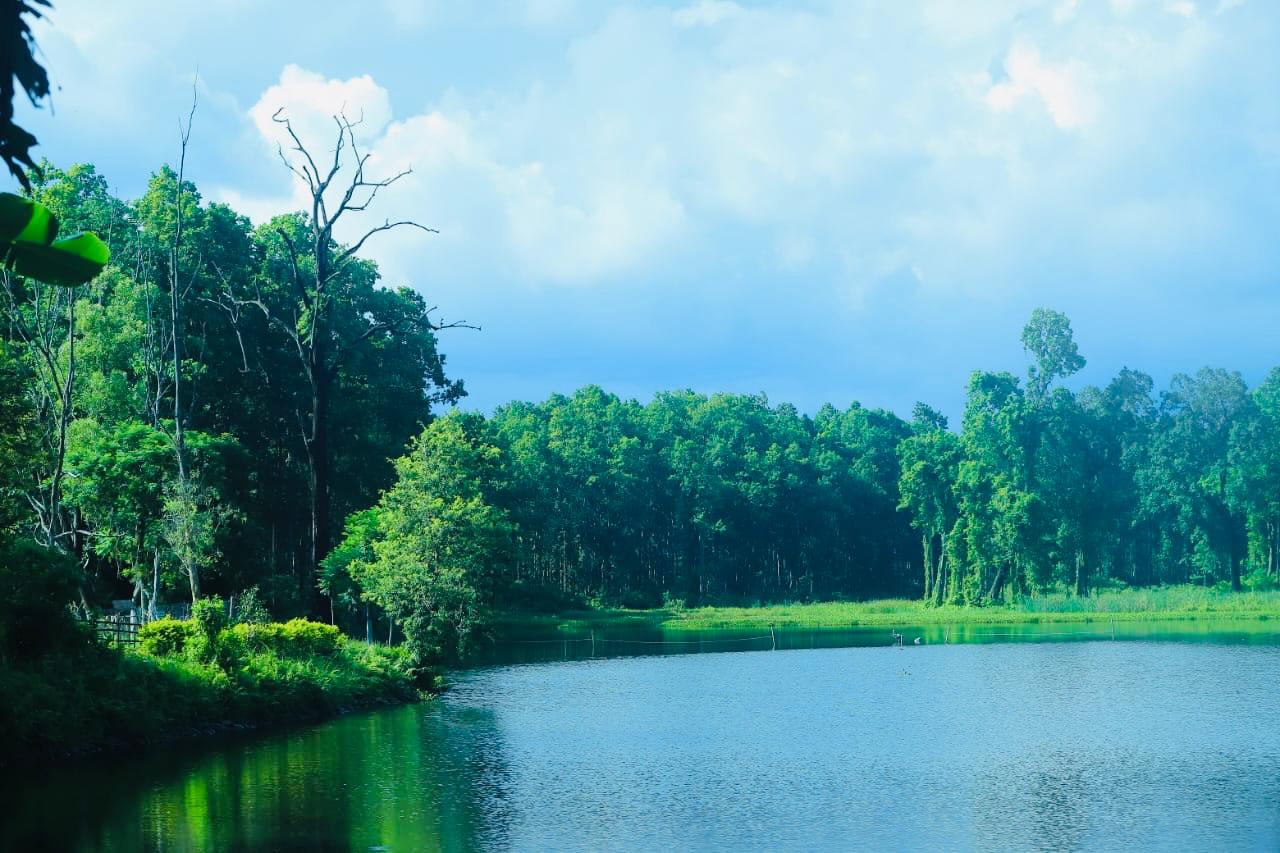
Kathmandu: Betana Wetland, known for its rich natural beauty and biodiversity, has become a major attraction for domestic tourists during the winter season, with around 500 visitors arriving daily.
Located about 16 kilometres east of Itahari Chowk in Sunsari along the East–West Highway, the wetland is surrounded by dense green forest and offers a serene environment marked by clean air, cold water and scenic landscapes. Visitors are also drawn by the opportunity to observe migratory birds from Siberia, as well as wildlife such as turtles, fish, crocodiles and deer.
According to Shambhu Bhattarai, President of the Betana Wetland Community Forest User Group, the area has gained popularity particularly for its pleasant climate, natural setting and diverse birdlife. Rajan Prasai, joint secretary of the user group, said the wetland’s easy access from the highway has led to a steady influx of visitors, especially families and groups arriving for winter picnics.
To enhance the visitor experience, pedal boats have been introduced for recreational boating on the wetland’s lake. Prasai added that a water fountain is currently under construction at an estimated cost of Rs 2 million, with financial support from the Koshi Province Government’s Ministry of Tourism, Forests and Environment.
Covering approximately 65 bighas, Betana Wetland is home to migratory birds from Siberia and at least 25 species of rare birds. The wetland has also become a habitat for more than two dozen critically endangered Black Softshell turtles, which have been released into the pond as part of conservation efforts, Bhattarai said.
The Betana Wetland Community Forest User Group is actively involved in protecting the area’s flora and fauna, which include rare turtle species, various fish, wildlife and plant life. Belbari Municipality Mayor Dil Prasad Rai said the wetland is being developed as a key tourist destination in eastern Nepal.
In recent times, the wetland has also attracted biologists and researchers conducting wildlife studies. “Protecting local wildlife is our primary responsibility, and we have prioritized conservation,” Bhattarai said.
-RSS