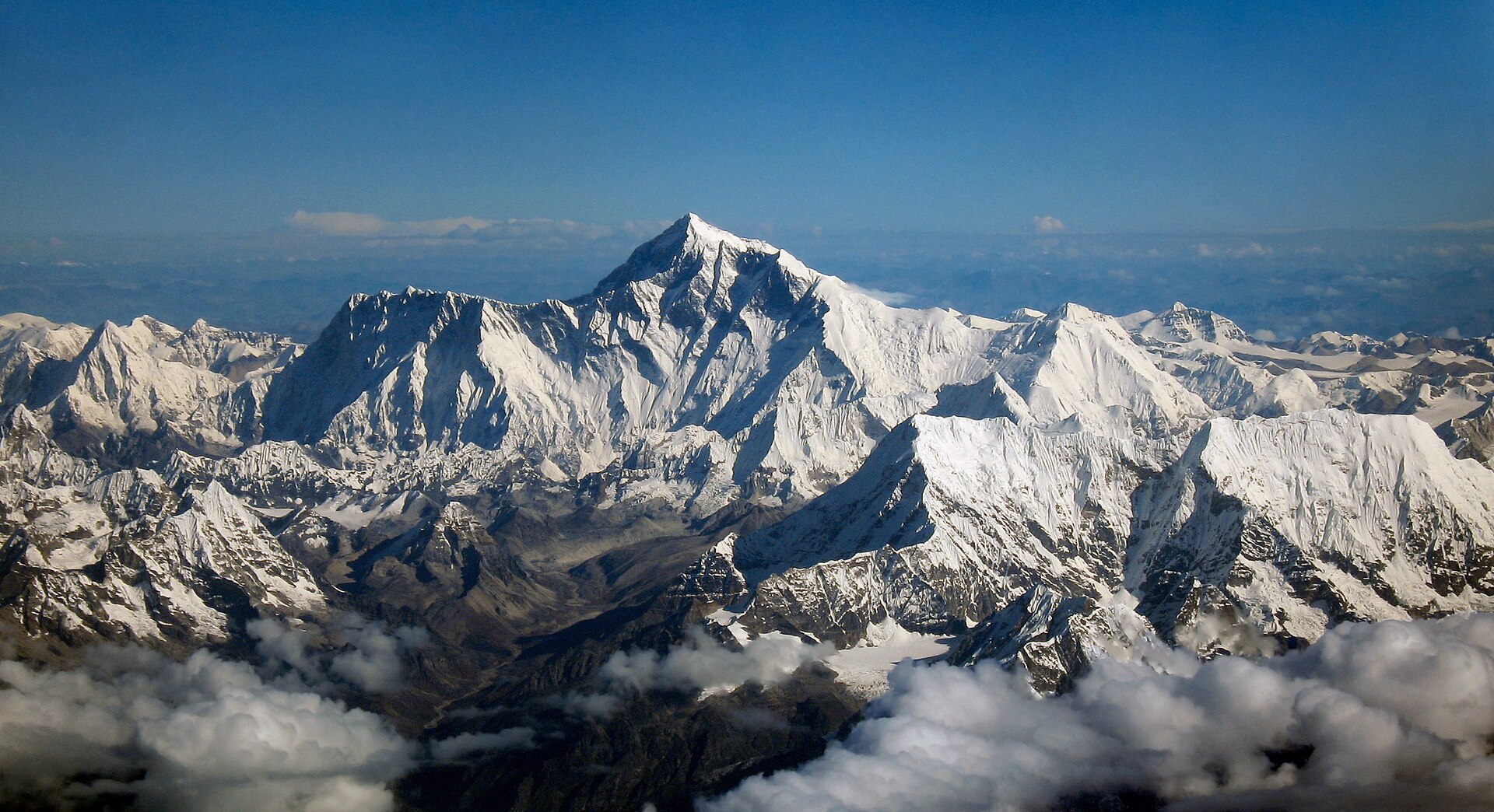
From the world’s highest peak to the lowest plains of Nepal, Koshi Province unfolds like a living atlas of nature, culture, and spirituality. Located in the easternmost stretch of the country, this province is not merely a geographical unit formed after the Constitution of 2015- it is a profound representation of Nepal’s diversity, resilience, and untapped tourism potential. Stretching across an extraordinary range of elevations from Kechanakawal, just about 60 meters above sea level, to the summit of Mount Everest, Koshi offers an experience that is both expansive in scale and deeply intimate in character.
Home to nearly five million people and a rich mosaic of ethnic communities, Koshi Province stands as a “Mini Nepal,” where Himalayan wilderness, mid-hill cultures, and fertile plains coexist in remarkable harmony. Its strategic location–bordering China to the north and India to the east and south, and lying within close reach of both Bangladesh and Bhutan–places Koshi Province at the center of a potential regional tourism market of nearly 50 million people. More than just a destination, the province thus emerges as a natural gateway—facilitating cross-border journeys, cultural exchange, and a new horizon of regional tourism connectivity.
Sacred landscapes and living faith
Religious tourism forms one of the strongest pillars of Koshi’s identity. The province is home to revered pilgrimage sites such as Pathibhara Devi in Taplejung, Halesi Mahadev in Khotang, Barahakshetra and Ramdhuni in Sunsari, and Budhasubba in Dharan. These sacred sites are not confined to a single belief system; rather, they embody a rare confluence of Hindu, Buddhist, and Kirat traditions. At Halesi, for instance, devotees from multiple faiths gather under the same cave shrine, offering a powerful image of spiritual coexistence.
Festivals, rituals, and seasonal fairs bring these sites to life throughout the year, attracting pilgrims from Nepal, India, and beyond. This continuous flow of faith-based tourism provides both cultural vitality and economic sustenance to local communities.
Adventure beyond imagination
Koshi Province is a dreamscape for adventure seekers. It hosts Mount Everest, along with other towering peaks like Kanchenjunga, Makalu, and Lhotse–four of the world’s highest mountains. Trekking routes such as Everest Base Camp, Kanchenjunga Circuit, Makalu Barun trails, and the culturally immersive Mundum Trail offer experiences that combine physical challenge with deep cultural encounters.
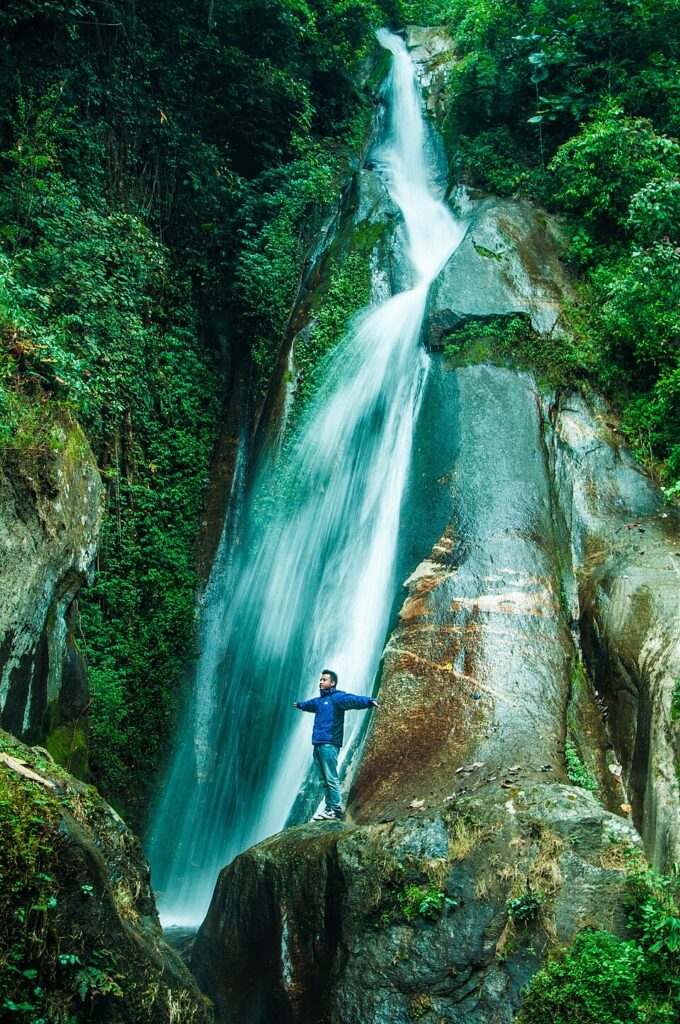
Beyond trekking, the province offers paragliding in Bhedetar, rafting in the Koshi and Tamor rivers, canyoning near Namaste Jharana, and mountain biking across rugged terrains. These activities position Koshi as a premier destination for high-value adventure tourism.
The ecological diversity of Koshi is equally compelling. Protected areas such as Sagarmatha National Park, Makalu-Barun National Park, Kanchenjunga Conservation Area, and Koshi Tappu Wildlife Reserve preserve a vast range of flora and fauna. From elusive snow leopards and red pandas in the high Himalayas to migratory birds and wild water buffalo in the wetlands of Koshi Tappu, the province offers unparalleled opportunities for wildlife tourism and birdwatching.
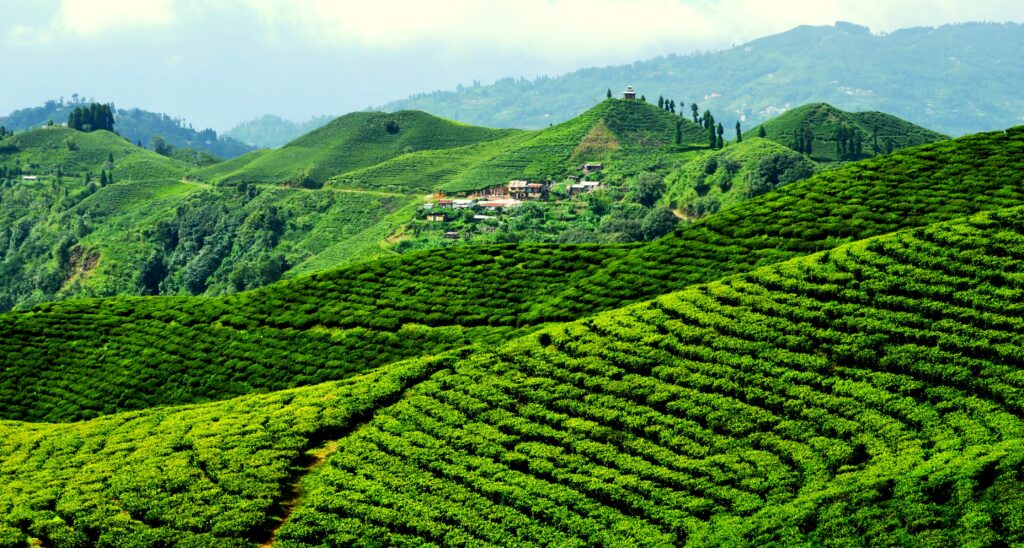
Destinations like Ilam’s tea gardens, Antu Danda’s sunrise views, Gupha Pokhari’s tranquil waters, and the rhododendron forests of the TMJ (Teenjure-Milke-Jaljale) region create immersive nature experiences that appeal to both domestic and international travelers.
Culture, community and living traditions
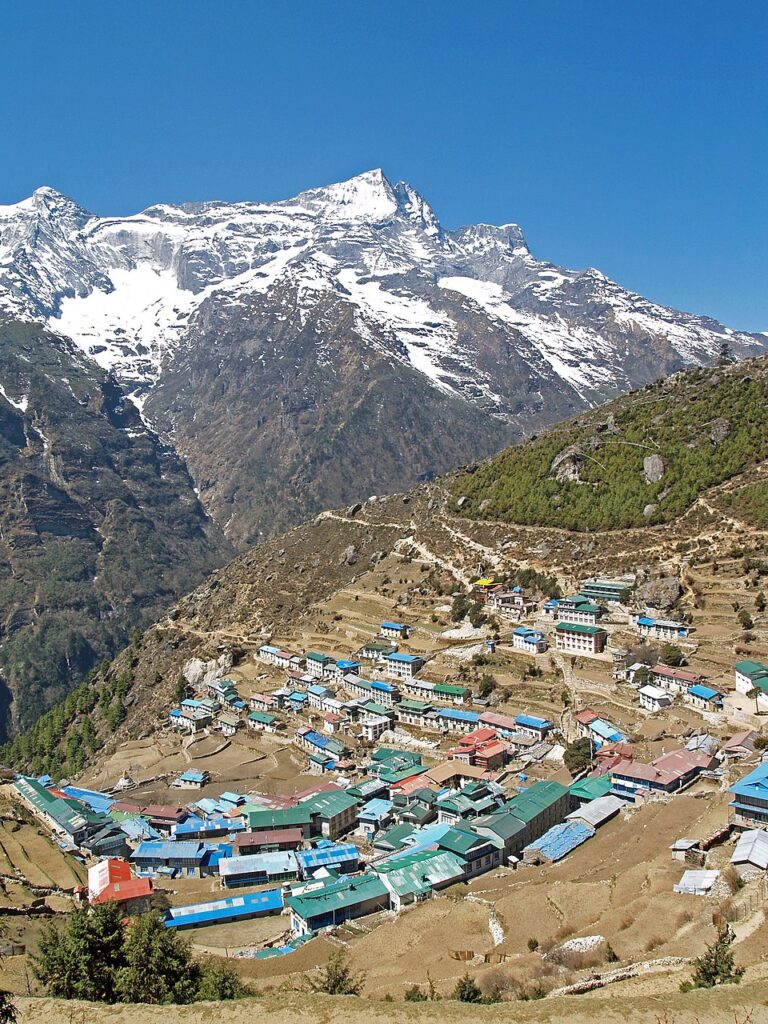
Koshi’s cultural landscape is as diverse as its geography. Indigenous communities such as the Rai, Limbu, Sherpa, Tamang, and Yakkha preserve ancient traditions, languages, and ways of life. The marginalized Aathpahariya Rai community, one of the minority indigenous groups primarily residing in Dhankuta, carries a distinct socio-cultural identity shaped by their own territory, traditions, and historical experiences of exclusion. Their festivals, dances, cuisines, and oral histories together form an integral part of the province’s tourism appeal.
Community-based tourism, homestays, and rural experiences allow visitors to engage directly with local life, transforming tourism into a shared journey rather than a distant observation. Towns like Dharan, Dhankuta, and Basantapur seamlessly blend modern amenities with cultural depth, offering both comfort and authenticity.
In recent years, Koshi has begun to emerge as a promising destination for wellness tourism. The clean mountain air, serene landscapes, spiritual retreats, and slower pace of life provide ideal conditions for mental and physical rejuvenation. Meditation centers, nature retreats, and hill stations offer spaces for reflection and healing, aligning with global trends in mindful travel.
Connectivity and cross-border opportunity
Perhaps one of Koshi’s greatest strengths lies in its accessibility. With air connections to Biratnagar and Bhadrapur, road networks linking India and internal corridors, and proximity to Bhutan and Bangladesh, the province holds immense potential for integrated regional tourism circuits. Visitors can move seamlessly across borders, combining cultural, religious, and natural experiences within a single trip.
Recognizing its immense potential, Koshi Province declared Tourism Year 2082, identified more than 80 destinations and planned structured tourism corridors–Sagarmatha, Koshi, and Mechi. With increasing focus on infrastructure, community participation, and environmental sustainability, the province is gradually shifting toward a more strategic and result-oriented tourism model.
The challenge ahead is not only to attract visitors but to ensure that tourism strengthens local livelihoods, preserves cultural heritage, and protects fragile ecosystems. Sustainable planning, investment concentration, and cross-border collaboration will be key to unlocking Koshi’s full potential.
Endless horizons
Koshi Province is not just a destination. It is a journey across altitudes, identities, and experiences. It is where mountains inspire, rivers sustain, cultures welcome, and faith unites. In its vast landscapes and living traditions lies the promise of a tourism future that is inclusive, resilient, and deeply rooted. In Koshi, Nepal does not simply reveal itself, it expands, elevates, and endures.