Since Nepal became a member of the United Nations (UN) in 1955, it has consistently shown a strong commitment to global peace and security. Nepal’s involvement in UN peace operations began in 1958, when its first contingent from the then Royal Nepal Army was deployed to Lebanon under the United Nations Observer Group in Lebanon (UNOGIL). Over time, Nepal has gained a reputation as a reliable and professional contributor to international peacekeeping, further strengthening its role in maintaining global stability.
Established in 2001, the Armed Police Force (APF), Nepal quickly became a key global peacekeeping contributor. The journey began on November 19, 2002, with the deployment of five officers as Individual Police Officers (IPOs) to the United Nations Guards Contingent in Iraq (UNGCI), marking the start of its ongoing legacy of professionalism and dedication under the UN framework.
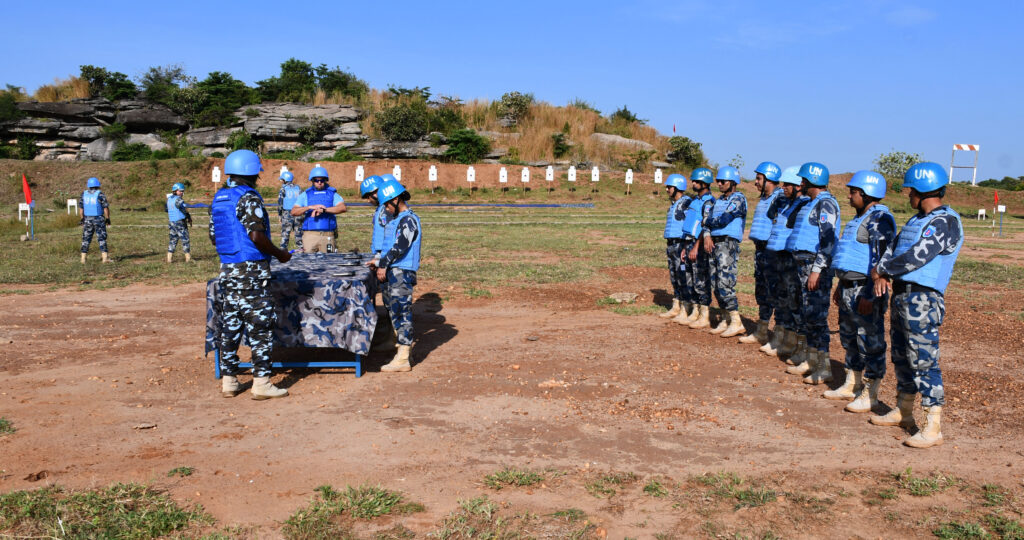
A significant milestone in the APF’s peacekeeping history came on 19 December, 2003, when Nepal deployed its first Formed Police Unit (FPU) of 120 personnel to the United Nations Mission in Liberia (UNMIL). The initial success of this deployment led to the dispatch of two more FPUs in Liberia, solidifying Nepal’s role in global peacekeeping. These deployments exhibited the APF, Nepal’s operational capabilities and its strong commitment to global peace and stability.
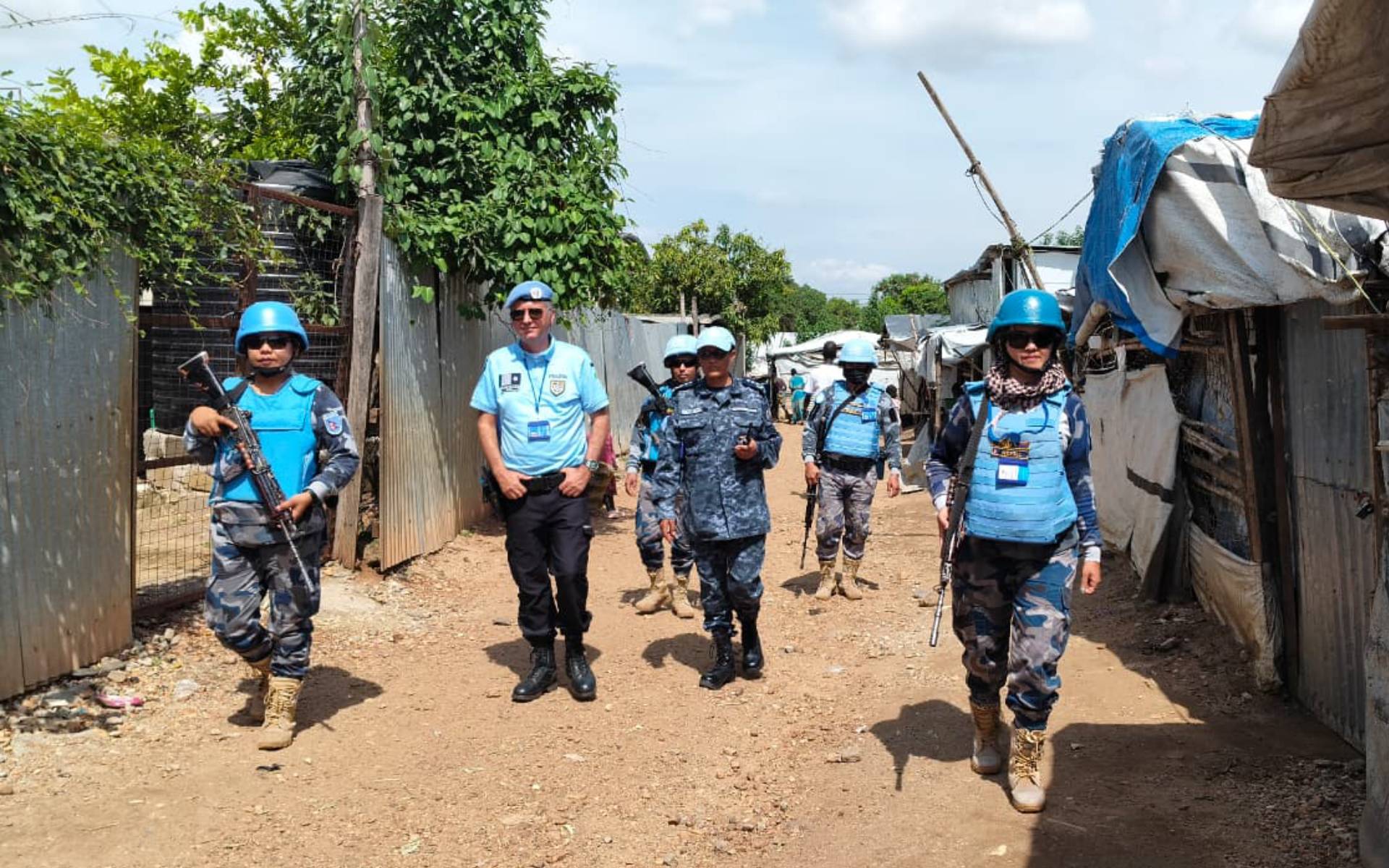
In 2015, the APF, Nepal demonstrated its crisis management capabilities during a critical situation in the United Nations Mission in South Sudan (UNMISS). Amid escalating violence, APF personnel were swiftly deployed under the Inter-Mission Cooperation framework. Their exceptional performance led to the deployment of an additional twoFPUs in South Sudan. Currently, the APF, Nepal continues to serve with 160 personnel in UNMISS, further underscoring its dedication to global peace and security.
In addition to FPUs, the APF, Nepal has deployed IPOs and professionals to various UN missions across the globe. These contributions have helped stabilize conflict-ridden regions and reinforced Nepal’s image as a peace-loving nation. By 2025, the APF, Nepal had contributed to 17 UN peace missions, deploying 9,187 personnel in total. Unfortunately, peacekeeping comes with its sacrifices, and two APF personnel lost their lives while serving in Liberia, a testament to their courage and dedication to peace.
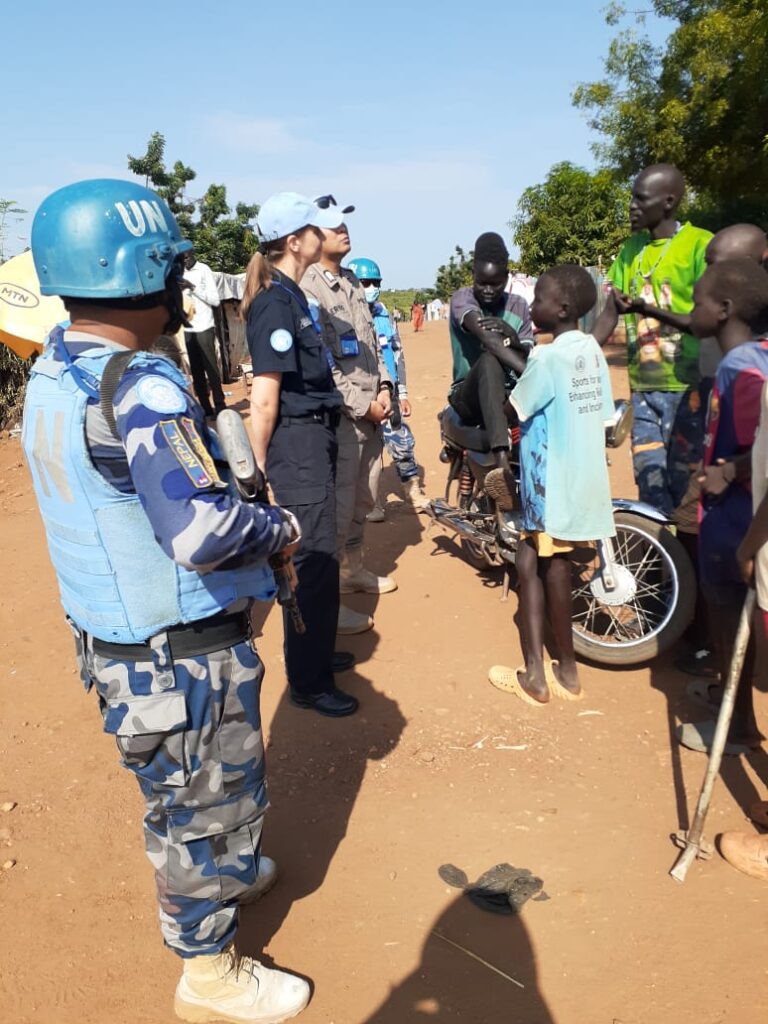
Currently, the APF, Nepal remains an integral part of critical peace missions in different capacities of IPOs, FPUs and Profession position in UNMISS (South Sudan), MONUSCO (Congo), UNISFA (Abei), UNSOM (Somalia), and UNFICYP (Cyprus), as well as positions within the UN Police Division and Integrated Training Service, New York. These contributions strengthen Nepal’s global presence and support the broader objectives of the UN’s peace operations.
To ensure its peacekeepers’ effectiveness, the APF, Nepal invests heavily in comprehensive pre-deployment training, including UN peacekeeping doctrines, international humanitarian law, conflict resolution, and cultural sensitivity. Specialized training in public order management is conducted at the APF UN Peacekeeping Training School in Kakani, supplemented by courses from the UN’s ITS, IPPOS, UNITAR and international centers like COESPU in Italy.
Looking to the future, APF, Nepal plans to expand its peacekeeping role even with the additional capabilities of both Anglophone and Francophone missions. With increasing global conflicts, the demand for skilled peacekeepers continues to grow. To meet this demand, the APF, Nepal intends to enhance its capacity through increased personnel deployments, improved training facilities, and stronger coordination with the UN Department of Peace Operations. Currently APF, Nepal is placed in level-III of Peacekeeping Capabilities Readiness System (PCRS) of FPU deployment where it is ready to be deployed under the short notice.
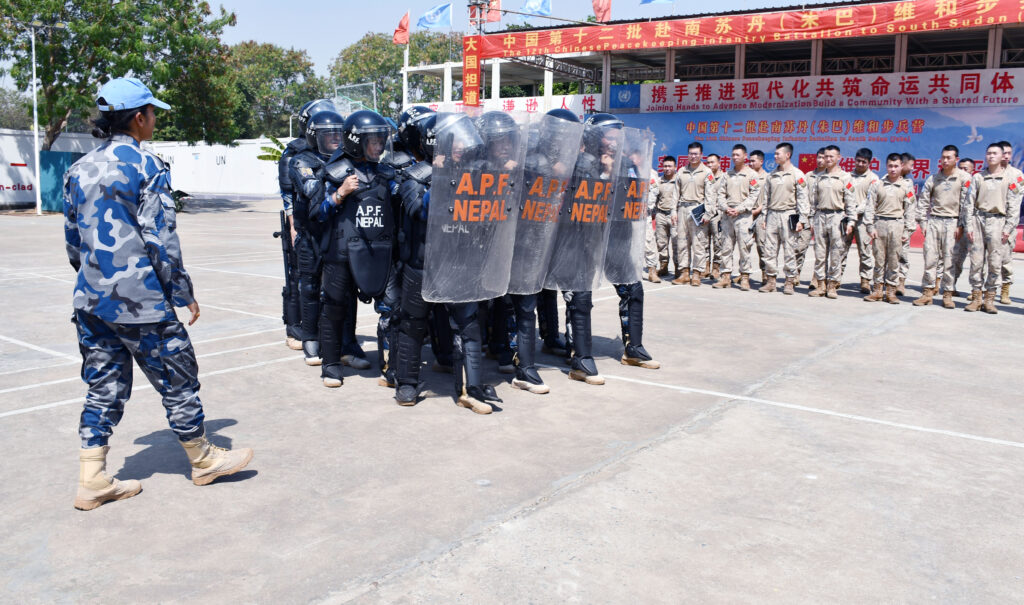
Through its professionalism and commitment to peace, APF, Nepal remains a symbol of resilience and plays a vital role in fostering global peace, stability, and humanitarian service within the United Nations framework.