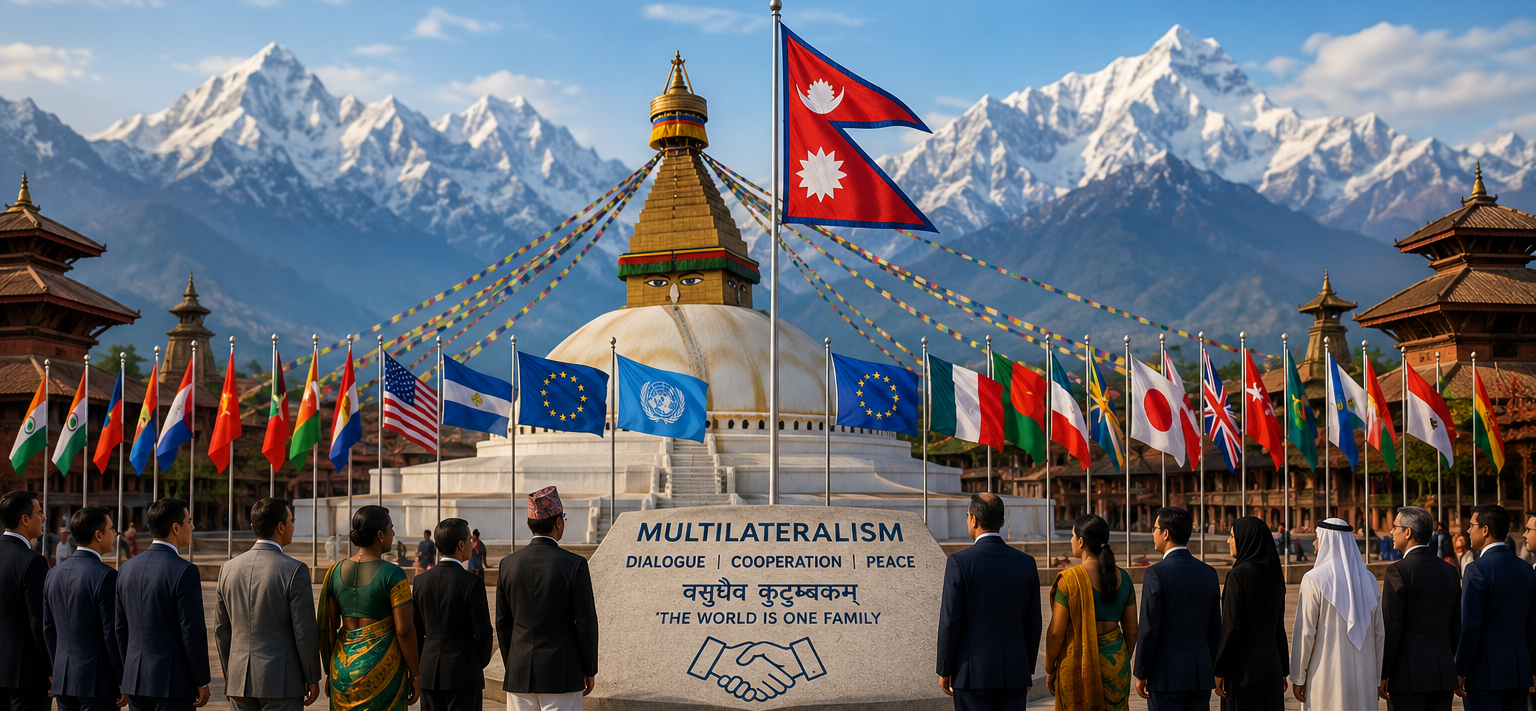
Multilateral institutions under the UN system are currently in a phase of unmanaged decline. The magisterial, rules-based international order built post-WWII is, in fact, more fragmented than ever, becoming increasingly susceptible to challenges from leagues and alliances poised to reject its relevance. It is being replaced by highly transactional groupings where countries assist—or are willing to assist—through overlapping regional agreements and flexible, interest-based coalitions.
The United Nations officially came into existence on 24 October 1945, upon ratification of the Charter by the five permanent members of the Security Council. As an instrument of international law, the Charter binds all UN Member States. In reality, this founding document—signed on 26 June 1945—practically devised a mechanism of global order primarily to safeguard the strategic interests of a few global powers and former colonizers. Furthermore, the Bretton Woods Agreement of 1944 established an international monetary order to facilitate a reformist and libertarian trading system that primarily served the economic interests of industrialized countries.
For over five decades since its inception, the UN system largely maintained its relevance; however, with the advent of the third millennium, the dynamics of global politics have shifted significantly. The most powerful body of the UN, the UNSC, was mandated to address the wide array of issues causing conflict among communities and nations, but it has gradually lost its edge by miserably failing to protect the interests of the vulnerable.
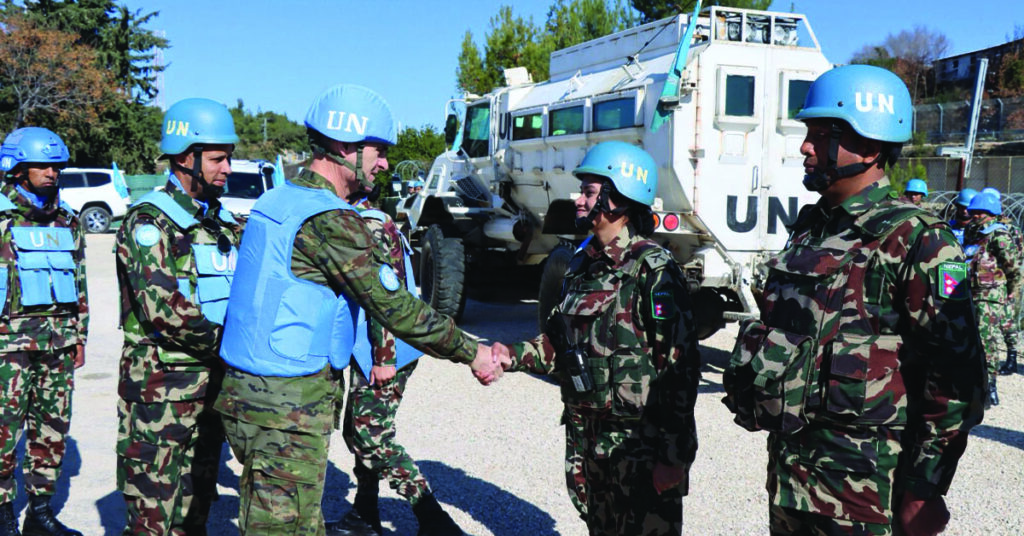
Throughout recent conflicts—including the Russo-Ukrainian War and the conflict involving the US, Israel, and Iran, which have effectively jeopardized the global economy and political order—two attributes have become evident: the decline of multilateralism and the waning relevance of the UNSC. While this potent UN body is rendered a mute spectator in almost every case, countries within powerful alliances like NATO and emerging economies are divided on critical global issues, holding conflicting positions.
Emerging economic powerhouses like India and China, alongside countries of the Global South, are actively pushing back against Western-dominated frameworks. They view long-standing Bretton Woods institutions—like the WTO, the IMF, and the UN—as vanguards of a traditional multilateralism that is biased and unrepresentative of changing global dynamics. The WTO and many other UN agencies have also been incapacitated by the vicious rivalry among powerful countries and severe funding shortages. Inevitably, multilateralism is experiencing a significant decline in relevance and authority, transmuting instead into regionalism and alternative forms of alliances.
The predominant conditioning factors for this shift are the rise of emerging economies and a resurgence of nationalism in countries that had traditionally remained aligned with prevailing world powers. This shift is characterized by an increasing number of countries rejecting the influence of Western powers, a simultaneous increase in tension between different blocs, greater volatility in ties within those blocs, and a rivalry among them to exert their own influence. These evolving dynamics have given tone and tenacity to nonconformist emerging powers to decline the influence of the UN and opt for alternatives.
The prevailing debate suggests that the world today is challenging the conventional, magisterial authority that the UN Security Council has exercised thus far. In this evolving landscape, it is inescapable that countries that endured the agony of colonial rule and the direct blowback of World War II are increasingly asserting their right to the space they were previously denied in the building of the new world order.
BRICS as potential game changer
To establish the underlying assumptions for a shift in the current world order—dominated by the United States and its European allies—it is pertinent to analyze whether BRICS can be a genuine game changer. The competitiveness of BRICS+ can only be examined and understood by presenting it for formal discussion and consideration.
The escalation of the Russo-Ukrainian War since February 2022 and the consequent polarization of the US and European bloc against Russia created immensely intricate conditions for India, China, and several other nations. Pressure has mounted to redefine and defend the sequences of their foreign relations with countries with whom they have long-standing, concurrent ties of varying strengths.
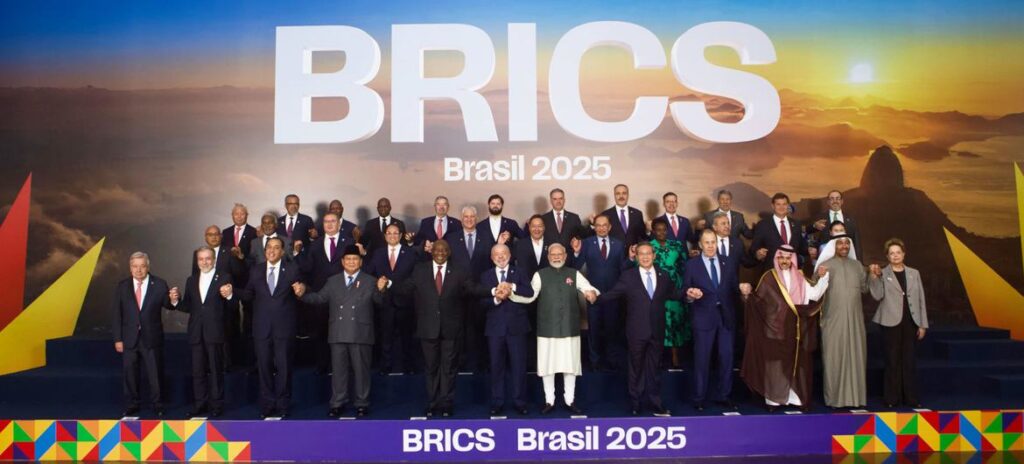
Under scrutiny here is the strength of BRICS+ member countries against the status quo maintained by the US and its European allies, particularly the NATO countries. The question remains: how will BRICS+ member countries succeed in protecting themselves from the growing hostility directed at those challenging the current order? Exceptionally, however, India and China have held their ideological ground with determination and resolve.
Apparently, the relevance of BRICS has recently gained traction as an alternative to the global order maintained by the “old guard,” fuelled by simmering resentment toward the discriminatory, self-centric policies of the US and the EU. Whether it is the Russia–Ukraine war or the enduring conflicts in the Middle East and the Persian Gulf, the US and Europe have been patently egocentric and preoccupied with their own affairs.
Strangely, leading BRICS countries like Russia and China failed to comprehend the underlying logic of US engagement in the Middle East and Persian Gulf conflicts. Simultaneously, they failed to recognize the intentional, tactical refrain of other powerful NATO countries from joining hands with the US against Iran.
While the increasing attraction of US allies in the Middle East toward BRICS created simmering tension within the US-Europe bloc, the failure of Russia and China to protect Gulf countries from Iran’s wrath demolished the delusion that BRICS could act as a reliable alternative security system. Many countries remain in a predicament, experiencing the conflicting emotions of feeling stuck while navigating a challenging situation.
Undoubtedly, BRICS has expanded and gained significance as an alternative global body for addressing challenges ignored by the “old guard” and the United Nations. However, the paradoxical nature of the conflicting interests of countries—both those aligned with the US–Europe axis and those remaining neutral—remains a conundrum. It is a delicate balancing act. It is the responsibility and prerogative of policymakers to determine how these conflicting interests will be prioritized to serve their own purposes.
Despite these stark realities, the main factor inhibiting the involvement of India and many other nations in the polarized debate of a vertical split is their traditional ties with countries across the divide. Nations that have acquired BRICS membership, yet maintain strong ties with the US and European bloc, are in a constant dilemma: choosing between the multilateralism of the established axis and the preservation of their own sovereignty.
Transformation of Indian diplomacy
Although India has handled increasing international pressure with resolve and perseverance, evolving global dynamics serve as a caveat, with unambiguous messages from US and European partners. Geopolitical priorities are shifting, and a reconfiguration of relations is not unthinkable. Additionally, India’s ties with these countries span a huge spectrum of possibilities, ensuring that New Delhi does not disregard the current structure of strategic polarization.
A gradual but perceptible change in India’s approach to dealing with China and Pakistan—where it faces critical conflicts—as well as the US and Western Europe—with whom India has significant foreign policy disagreements—is now more evident. In the last few years, to the apparent chagrin of Western powers, Indian diplomacy has aggressively and astutely precluded the space for others to dictate its terms or condition India to yield to superior authority.
Evidently, India is cognizant that if it is to rise on the global stage, it must withstand pressure from powerful countries. Key sectors—trade, technology, and oil—remain under constant scrutiny. Conversely, through its diplomacy, India has affirmed that its real enemy is not the United States or China, but its own systemic dependencies: high trade tariffs, trade restrictions, dollar pressure, and the rigid terms and conditions of defense deals.
The momentum for change is undeniable, as evidenced by global institutions like BRICS, SCO, QUAD, the Indo-Pacific Alliance System, and the G20. India’s simultaneous, active membership in BRICS, the QUAD, the Shanghai Cooperation Organization, and its outreach to the G7 are explicit indicators of its diplomatic importance. India has also been a leader in the Global South movement and has played a significant role in the G20, a forum that brings together world leaders to discuss global issues.
India’s articulation of the cause of marginalized nations under the Global South and South-South cooperation has been widely appreciated, particularly in Africa. The Modi administration has maintained a clear stance: India must formulate and adopt a pro-India policy, rather than an anti-America or anti-China one. The focus of Indian foreign policy has remained on strengthening relations with neighboring countries, the Gulf region, and Africa.
Nepal and multilateralism
Enclaved between two powerful BRICS members that have challenged the global dominance of the “old guard,” Nepal finds itself in a conundrum. India has taken a pragmatic approach, maintaining strong ties with Russia while recognizing that the true challenge lies in addressing the growing influence of China in critical areas, such as the Himalayan border and the larger Indian Ocean region. Delving into these geopolitical dynamics and sensing what they mean for the future of South Asia and beyond is immensely important for Nepal.
Evidently, with multilateralism on the decline, Nepal must redefine its exigency within both regional and global platforms that are poised to shape a new world order. Nepal is, for all practical reasons, close to and largely dependent on India; however, the intransigence of some members in the global axis tends to raise the level of difficulty for Kathmandu. Rather than leaving the outcome to global arbiters, the dispensation in Kathmandu must, in clear and unequivocal terms, commit to doing the right things—the things the world has always strived for: global peace, security, and prosperity. A country housing nearly 30 million people cannot simply take positions on global issues based on whether certain sections approve or disapprove of them.