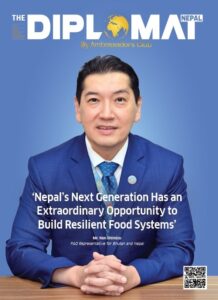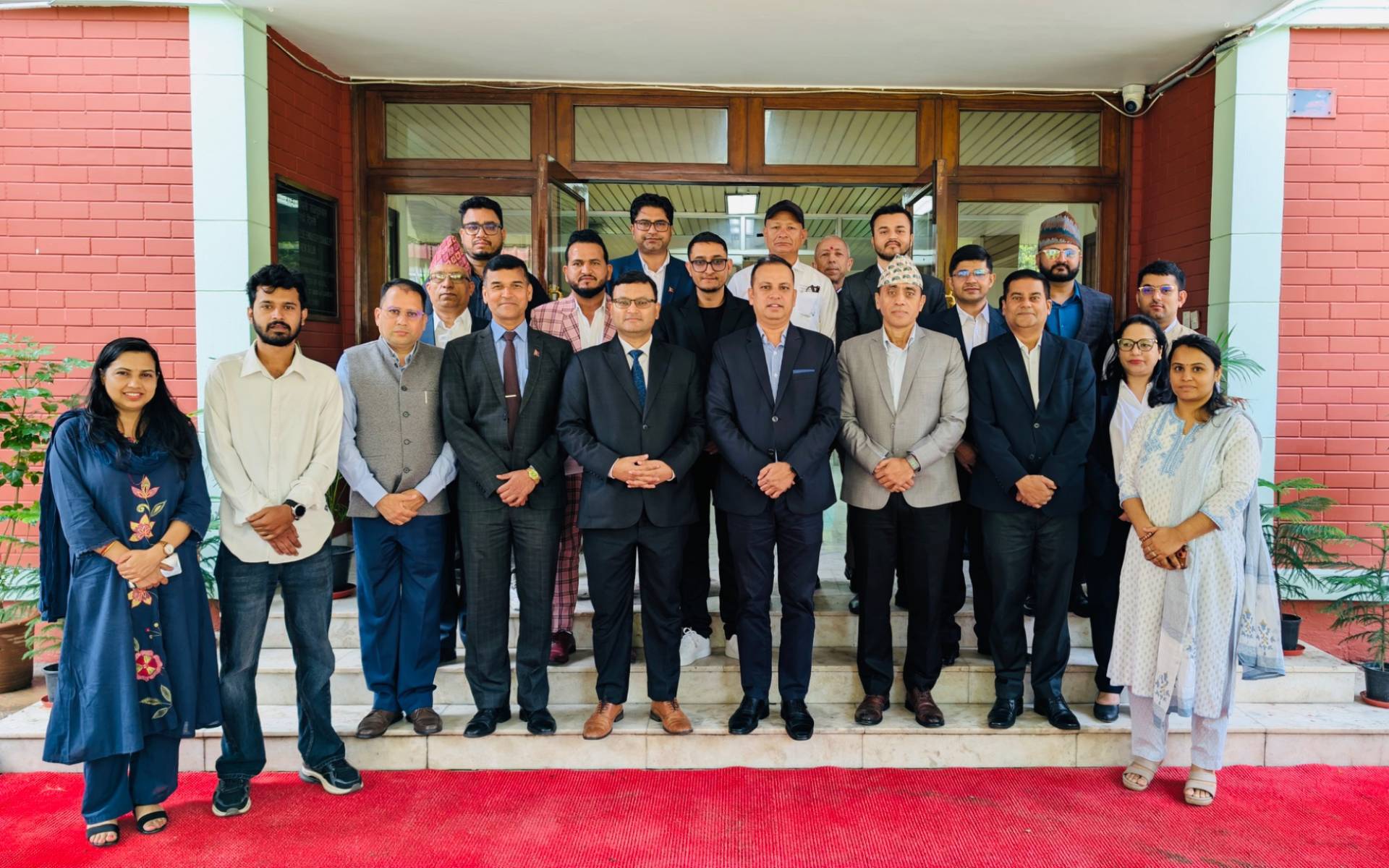
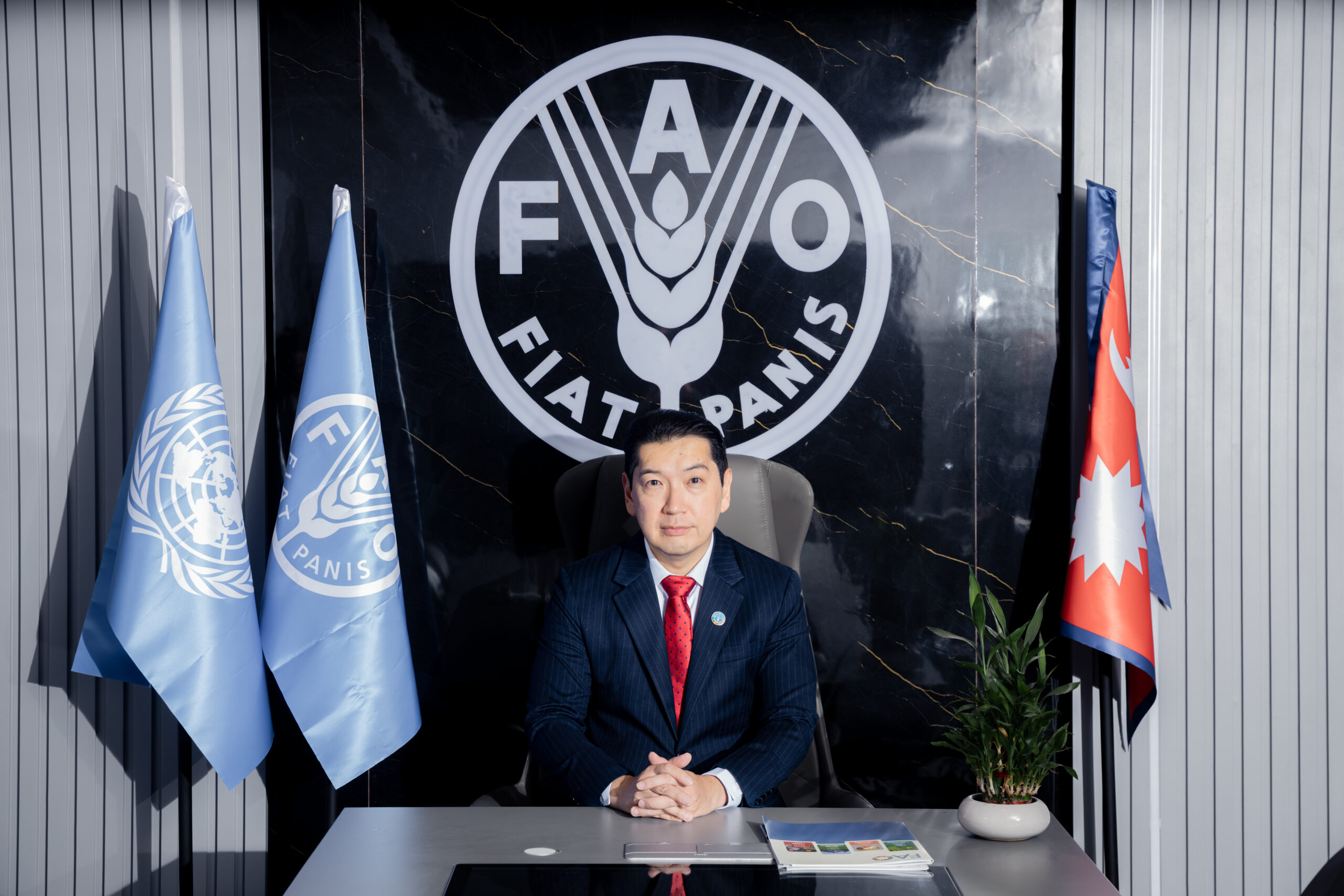
Few international development leaders have become as closely associated with Nepal’s agrifood transformation as Mr. Ken Shimizu, FAO Representative for Bhutan and Nepal. During his tenure, he worked closely with the Government of Nepal, development partners, communities, research institutions and the private sector to advance climate resilience, food security, innovation, sustainable natural resource management, women’s empowerment and youth engagement.
Under his leadership, FAO Nepal significantly expanded its programme portfolio, mobilizing support for agrifood systems transformation, climate action, biodiversity conservation, ecosystem restoration, emergency preparedness and resilient rural livelihoods. Nepal has also gained greater recognition globally for its contributions to mountain agriculture, community-led adaptation, anticipatory action and sustainable food systems.
In this exclusive conversation with The Diplomat Nepal, Mr. Shimizu reflects on FAO’s partnership with the Government of Nepal, the resilience and ingenuity of Nepal’s farming communities, and the opportunities ahead. As he concludes his tenure in Nepal, he shares lessons from five years of engagement, highlights flagship initiatives such as the Nepal Food Forum, Four Betters Model Villages and Digital Villages Initiative, and offers his perspective on the future of Nepal’s agrifood systems and the next generation that will shape them.
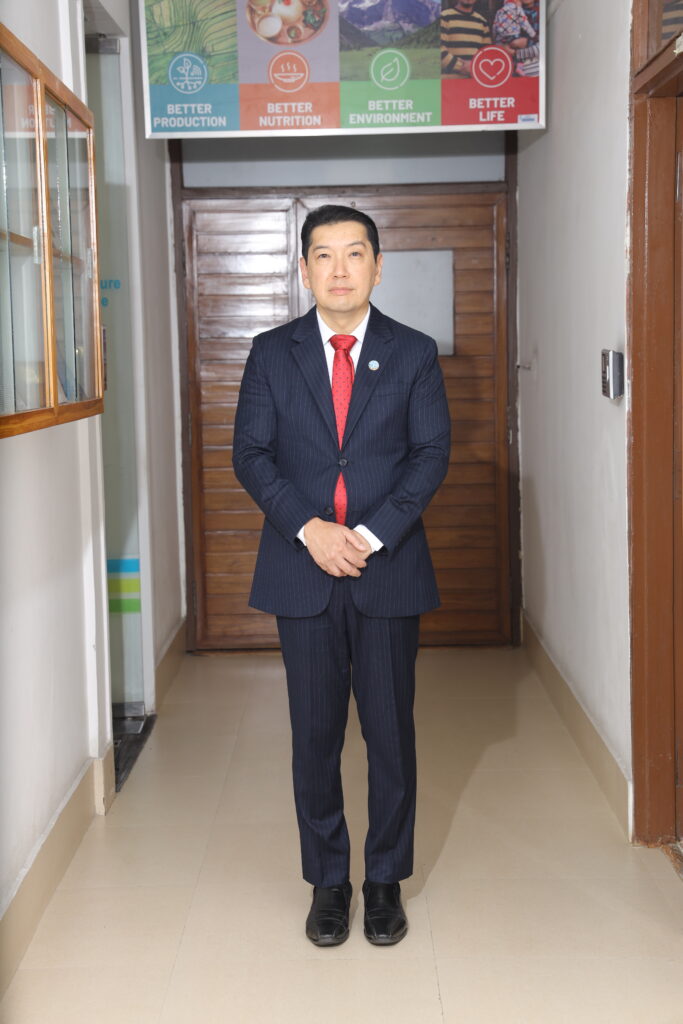
Mr. Shimizu, having served as the FAO Representative for Nepal with extensive development experience across Asia and the Pacific, you have witnessed Nepal’s agricultural landscape evolve through major policy shifts and environmental challenges. Looking back on your tenure, what key structural transformations in Nepal’s agrifood systems give you the greatest sense of accomplishment, and how has FAO’s partnership with the Government of Nepal reshaped local food security?
Looking back on the past five years, what gives me the greatest sense of optimism is not any single project or policy achievement, but a broader transformation in how Nepal increasingly views agriculture and food systems. Agriculture is no longer discussed only in terms of production and yield. The national conversation increasingly connects what happens on farms with food security, nutrition, livelihoods, climate adaptation, environmental sustainability, youth employment, women’s empowerment and rural prosperity.
This wider understanding is essential because food security cannot be achieved through yields alone. It depends on resilient communities, functioning markets, healthy ecosystems, inclusive institutions and the ability of farmers to adapt to changing conditions.
One of the most important milestones during my tenure was the launch of the FAO Country Programming Framework 2023–2027, developed jointly with the Government of Nepal. This framework provided a shared roadmap for FAO’s technical cooperation and aligned national priorities with FAO’s global vision of the Four Betters: Better Production, Better Nutrition, a Better Environment and a Better Life. More importantly, it strengthened a way of working based on partnership, trust, national ownership and shared ambition for Nepal’s agrifood systems.
During this period, FAO Nepal also significantly expanded its technical and operational portfolio, mobilizing around USD 80 million in resources for climate adaptation, emergency agricultural response, sustainable forest and landscape management, biodiversity conservation, One Health, anticipatory action, value chain development, food systems transformation and resilient rural livelihoods. This has enabled deeper collaboration with all three tiers of government, development finance institutions, climate finance mechanisms, UN agencies, bilateral donors and private foundations.
FAO also supported the Government of Nepal in advancing global flagship initiatives such as the Hand-in-Hand Initiative and One Country One Priority Product (OCOP). These initiatives have helped strengthen evidence-based agricultural investment catalyzation and prioritization and the promotion of high-potential agricultural products with strong market, livelihood and export potential. They reflect a growing shift towards more targeted, data-driven and market-oriented agrifood systems development.
Another area that has been especially important to me has been ensuring that agrifood systems transformation is genuinely inclusive. Progress cannot be measured only by productivity, income or economic growth. It must also be reflected in who benefits from that progress. During my tenure, FAO worked to strengthen the participation and leadership of women, youth, Indigenous Peoples, persons with disabilities and other vulnerable groups across policies, programmes and local institutions. Inclusion is not a separate agenda. It is fundamental to building resilient and sustainable food systems that leave no one behind.
Yet the most enduring impression I will carry with me is not only the policies, programmes or financing, but the determination of Nepali farmers. Across the mountains, hills and Terai, I have seen communities adapting to climate stress while preserving local and traditional knowledge. I have seen farmers rebuild after floods, cultivate in difficult terrain and continue to hope despite uncertainty. That combination of resilience, heritage and determination gives me great confidence in Nepal’s future.
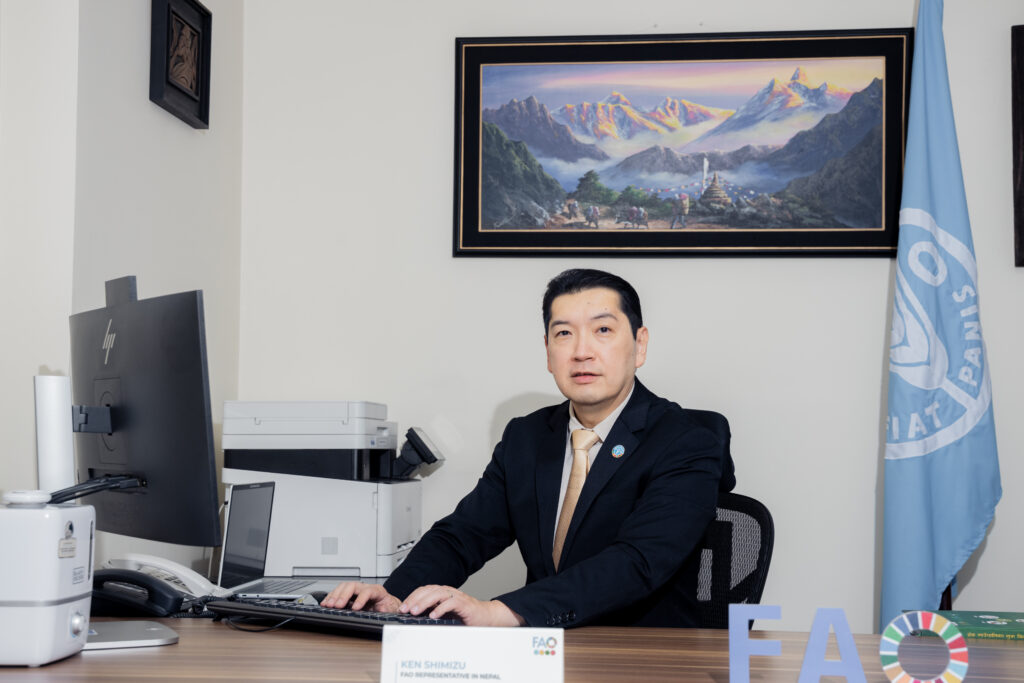
FAO’s global strategic framework revolves around the Four Betters. In a country as geographically and ecologically diverse as Nepal, how has FAO customized this framework to ensure no rural community or subsistence farmer is left behind?
The Four Betters are global aspirations, but they become meaningful only when translated into local realities. Nepal is a country of remarkable geographical, ecological and social diversity, and those realities differ sharply. A mountain pastoralist, a mid-hill vegetable farmer, a Terai rice producer and a young digital agri-preneur all face very different opportunities and risks.
Our approach has therefore been to use the Four Betters as an integrated framework while allowing communities and local governments to define what progress should look like in their own context.
Under Better Production, FAO Nepal has supported improved seed systems, farmer field schools, mechanization, value chain development and climate-resilient production practices. Under Better Nutrition, we have promoted diversified farming, school and household nutrition gardens, nutritious local foods and nutrition-sensitive agriculture. Better Environment has focused on biodiversity conservation, ecosystem restoration, sustainable natural resource management and resilient landscapes. Better Life has emphasized inclusive livelihoods, youth participation, women’s economic empowerment, social inclusion and rural entrepreneurship.
The Four Betters Model Village approach is one of the strongest examples of how these priorities can reinforce one another at the local level. In model demonstration sites in Mandandeupur, Rong and Badaiyataal municipalities, agriculture is linked with nutrition, environment, digital innovation, livelihoods, local governance and community participation. It connects irrigation, nutrition gardens, farmer field schools, local enterprises, aquaculture, eco-tourism and traditional farming practices into one practical model of community-driven development. Instead of delivering disconnected activities, the model helps communities see development as a system.
For me, leaving no one behind is not a slogan but a practical test of whether development is working. Women should have equal access to productive resources and leadership opportunities. Indigenous Peoples should be recognized as custodians of invaluable knowledge and biodiversity. Young people should see a future in rural areas. Persons with disabilities should be able to participate fully in economic and community life. Remote and smallholder communities should not be left outside markets, services or innovation.
Throughout my tenure, I have encouraged FAO to integrate these dimensions into programme design rather than treating them as standalone activities. Agrifood systems can only be resilient when they are inclusive.

Nepal is increasingly recognized not just as a climate-vulnerable state, but as an innovator in community-driven adaptation. How is FAO drawing upon Nepal’s ancestral farming wisdom and resilient mountain systems to enhance Nepal’s global standing?
Nepal is often described as a climate-vulnerable country, and that is understandable. The country faces multiple hazards, including floods, droughts, landslides, glacial changes, erratic rainfall and shifting agroecological conditions. But I have always believed that Nepal should not be defined by vulnerability alone. That is only one part of the story.
Nepal also possesses a remarkable body of knowledge about how to live, produce and cooperate in difficult landscapes. Terraced farming, integrated crop-livestock systems, farmer-managed irrigation, community forestry, seed preservation, mixed cropping and local water-sharing systems all reflect deep ecological intelligence. These practices may be traditional, but they are not outdated. As the world searches for practical forms of climate adaptation, this knowledge deserves to be studied, strengthened and shared.
FAO’s role has been to help document, strengthen and elevate this knowledge, not replace it with external solutions. Through policy dialogue, technical cooperation, field projects and international platforms, we have worked to show that Nepal is not only a recipient of global knowledge but also a contributor to global solutions. Nepal’s mountain agriculture, community-based natural resource management and local adaptation practices can inform wider debates on climate resilience, biodiversity and sustainable food systems.
The Four Betters Model Village approach also shows how traditional knowledge and modern science can work together. It safeguards community values and heritage while introducing digital services, improved practices and market opportunities.
Too often, Nepal is viewed mainly through the lens of climate risk. While the challenges are real, this perspective overlooks another important reality: Nepal is also a living laboratory of adaptation. In my view, Nepal has a powerful message for the world: resilience grows from culture, cooperation, practical knowledge and respect for nature.
High-altitude agriculture faces unique pressures from glacial retreats and extreme weather volatility. How has FAO Nepal helped elevate the voices of Himalayan farmers and pastoralists on national and global platforms?
For mountain communities, climate change is no longer an abstract projection. In Nepal’s high-altitude areas, farmers and pastoralists are already observing changes in snowfall patterns, water availability, grazing conditions, crop calendars and biodiversity. These shifts affect livestock movement, fodder availability, crop choices and household food and income security.
FAO has sought to ensure that these experiences are reflected in technical dialogue, evidence and policy discussions. Mountain agriculture and pastoral livelihoods should not be treated as peripheral issues. They are central to Nepal’s food systems, ecological security and cultural identity.
By connecting national partners and community perspectives with regional and global platforms, FAO supports greater recognition of the services mountain communities provide through biodiversity conservation, landscape stewardship and locally adapted production systems. Mountain farmers and herders are knowledge holders. Their farming systems have evolved over generations in some of the most difficult environments in the world.
Their experience in managing biodiversity, conserving seeds, sustaining livestock systems and adapting to environmental variation provides lessons that formal institutions cannot generate on their own. For me, elevating mountain voices means ensuring that farmers, herders, women, youth and Indigenous communities are seen as partners in shaping solutions and influencing policies and investments.
Nepal’s mountains are living laboratories of adaptation. The world has much to learn from the communities who have sustained them.
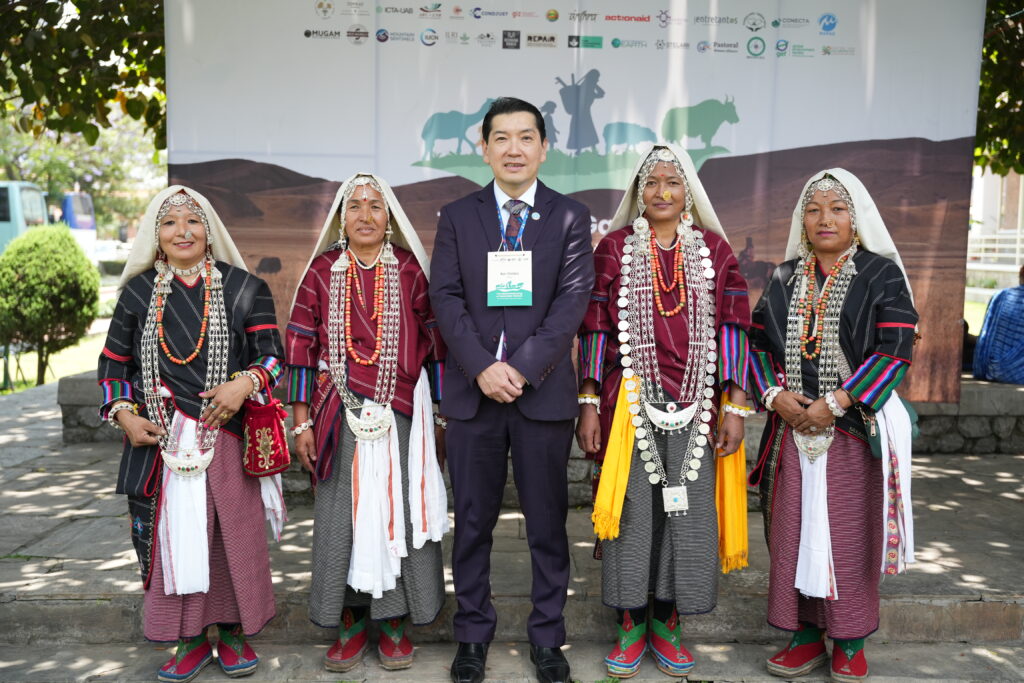
The year 2026 marks the International Year of the Woman Farmer. How does FAO plan to leverage this observance in Nepal?
The International Year of the Woman Farmer offers an important opportunity to recognize women as leaders, innovators, producers, entrepreneurs and custodians of food security. In Nepal, women have always been at the core of agrifood systems. They manage farms, care for livestock, conserve seeds, sustain household nutrition and keep rural economies functioning, often while carrying significant unpaid care responsibilities.
Recognition, however, is not enough. Women continue to face unequal access to land, finance, technology, extension services, markets and leadership opportunities. Therefore, this observance should go beyond celebration. Its success should be judged by whether it helps address these entrenched structural barriers.
FAO Nepal’s approach is to strengthen women’s economic empowerment, leadership and agency across agrifood systems from the early stages of programme design. This includes supporting women through cooperatives, farmer groups, entrepreneurship training, digital inclusion, climate-adaptive farming, improved market linkages and opportunities to lead within producer organizations and local institutions.
The International Year of the Woman Farmer also reflects a broader principle that has guided my work in Nepal: development must be inclusive by design. Women’s empowerment, youth engagement, disability inclusion and the recognition of Indigenous Peoples’ knowledge are not peripheral considerations. They are essential ingredients of sustainable development.
The larger objective is to move from visibility to agency. Recognition must translate into rights and opportunities: women’s land rights, access to technology, financial inclusion, decision-making power and recognition of unpaid care work. When women have equal access to resources, productivity improves, household nutrition strengthens, children benefit and communities become more resilient. The International Year should help Nepal move from recognition to empowerment, and from empowerment to leadership.
How is FAO supporting sustainable rangelands and mountain pastoralists under the International Year of Rangelands and Pastoralists 2026?
Pastoralists and rangeland communities are not only users of pastures. They are custodians of Nepal’s high-altitude ecosystems. Their knowledge of grazing systems, livestock movement, pasture management and mountain ecology has been built over generations. These systems support food and income while also contributing to biodiversity, landscape management and the continuity of mountain culture.
The International Year of Rangelands and Pastoralists creates an opportunity to bring greater attention to these communities and recognize their contribution to sustainable mountain development. In Nepal, pastoral systems face growing pressures from climate change, shrinking grazing areas, changing migration routes, limited market access and declining interest among younger generations.
FAO’s work contributes through policy dialogue, technical support, value chain development, sustainable livestock management and climate adaptation. Mountain dairy, yak-based livelihoods, improved pasture management and value addition can help pastoral systems remain economically viable while preserving their ecological functions.
Nepal’s mountain pastoralists are central actors in climate adaptation and sustainable landscape management. Their knowledge matters. Their livelihoods matter. Their future must be part of Nepal’s agrifood transition. A sustainable future for Nepal’s mountains is inseparable from a viable future for the communities that manage them.
How is FAO’s Digital Villages Initiative helping safeguard harvests while scaling nature-based and future-ready solutions?
In Nepal, distance and difficult terrain often limit farmers’ access to extension services, reliable markets and timely information. Digital transformation can therefore be one of the most promising pathways for Nepal’s agricultural future.
Through digital agriculture, farmers can access timely weather information, pest and disease advice, market updates, extension support, climate services and early warning messages. These services are especially important in a country where geography often limits physical access to technical support.
The Digital Villages Initiative is demonstrating how technology can support rural transformation. Digital tools can connect farmers with advisory services, plant health information, agrovet networks, markets and disaster risk information. This is particularly useful for smallholder farmers, youth and women who may otherwise have limited access to timely information and conventional extension services.
The future vision goes beyond information delivery. We see potential for AI-enabled advisory services, digital farmer registries, remote sensing, weather-indexed insurance, digital traceability systems, e-commerce platforms, precision agriculture and digital finance to become increasingly accessible to smallholders.
Technology must always serve people. Digital agriculture is not about replacing traditional knowledge; it is about complementing it. When digital tools are combined with local experience, community institutions and nature-based solutions, production systems become smarter, more adaptive and more sustainable. The future is not technology versus tradition. It is a productive partnership between the two.
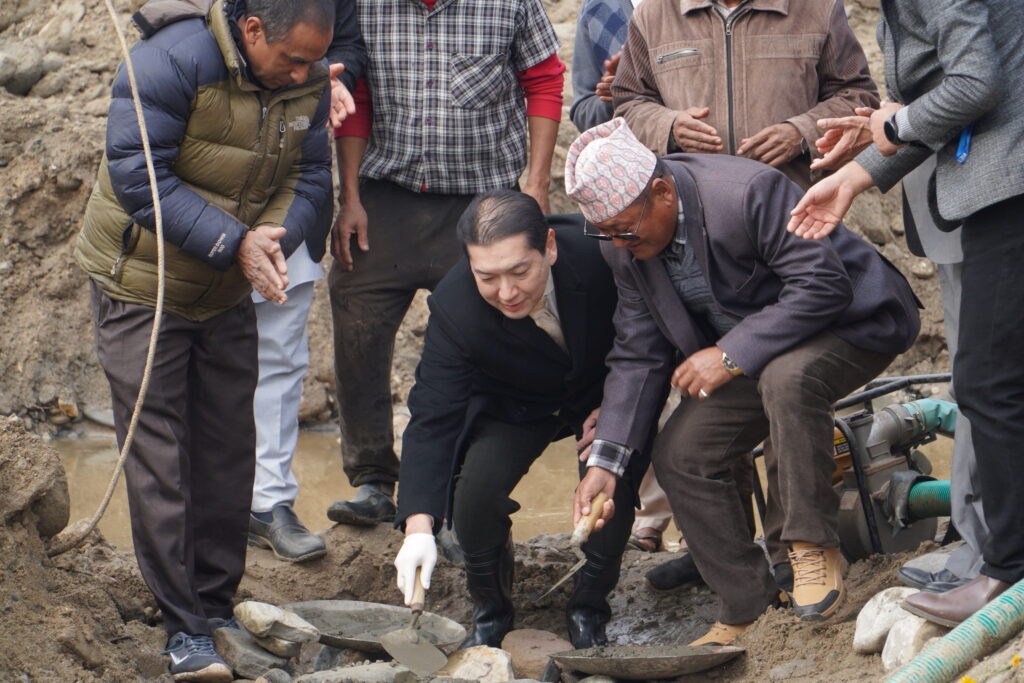
How does FAO envision Geographical Indications enhancing local heritage and rural prosperity?
Nepal has extraordinary agricultural heritage. Its landscapes produce crops, livestock products, medicinal plants, spices, fruits and traditional foods that are deeply connected to geography, culture and identity. Geographical Indications can help protect and promote these unique products by linking quality, reputation and origin.
A well-designed GI system can create value in several ways. It can help producers differentiate their products and reach higher-value markets, preserve traditional knowledge and cultural heritage, encourage collective standards and traceability, and support environmental stewardship within a defined territory. It can also give scattered producers a reason to organize around a shared reputation and work collectively.
The One Country One Priority Product (OCOP) initiative complements this approach by helping countries identify and promote strategic agricultural products with unique characteristics and strong market potential. By strengthening value chains, improving quality, supporting producer organizations and enhancing market access, OCOP can help transform distinctive local products into engines of rural development. Together, GI and OCOP can create opportunities to increase incomes, preserve heritage and generate greater value for farming communities.
Nepal has promising place-linked products such as large cardamom, highland potato, timur, ginger, cheese, mountain honey, indigenous crops, medicinal plants and other location-linked commodities. The opportunity is not only to sell products through labels, but to tell the story of landscapes, farmers and cultures in a way that consumers can trust.
For smallholders, the value of a product should not be captured only at the end of the supply chain. The communities who maintain these products, landscapes and traditions must receive a fair share of the value created. GI systems can therefore become a bridge between heritage, markets and rural prosperity.
FAO Nepal is supporting the Government and stakeholders to establish an effective GI system by strengthening the legislative and institutional framework, sharing international experience, building technical capacities, supporting producer organizations, and promoting traceability and quality assurance to protect Nepal’s agricultural heritage and generate greater benefits for rural communities.
How is FAO helping make agriculture attractive for the next generation of Nepalis?
Making agriculture attractive to young people is one of the most important priorities for Nepal’s future. Many young Nepalis associate farming with physical hardship, uncertainty and limited returns. Changing that narrative requires more than communication campaigns. It requires showing that agriculture can be linked to entrepreneurship, technology, creativity and leadership.
The modern agrifood economy extends far beyond primary production. It includes digital advisory services, climate analytics, food processing, agri-finance, e-commerce, precision farming, renewable energy, logistics, sustainable tourism and value-added enterprises. Young people are well placed to lead this transition through technology, creativity and professional skills.
FAO Nepal has supported youth engagement through entrepreneurship, innovation platforms, digital agriculture, value chain development, university partnerships and community-based models. The Digital Villages Initiative and Four Betters Model Villages create living spaces for young people to test ideas, provide services, connect farmers to markets and build rural enterprises that respond to local needs.
FAO has also supported the establishment of the World Food Forum National Chapter in Nepal, creating an independent platform for youth leadership, dialogue, innovation and engagement in agrifood systems transformation. Through this platform, young people can connect with policymakers, researchers, private sector actors and development partners, helping ensure that their ideas and aspirations shape the future of Nepal’s food systems.
But training alone is not sufficient. For agriculture to attract youth, it must offer dignity, income, recognition and future prospects. Young people must see agriculture not as a last resort, but as a platform for enterprise and national development.
The future of agriculture will not be determined only by how many young people remain in farming, but by how many see agrifood systems as a space for innovation, entrepreneurship and leadership. Nepal’s next generation can transform agriculture if they are connected to finance, technology, markets, mentorship and supportive policies.
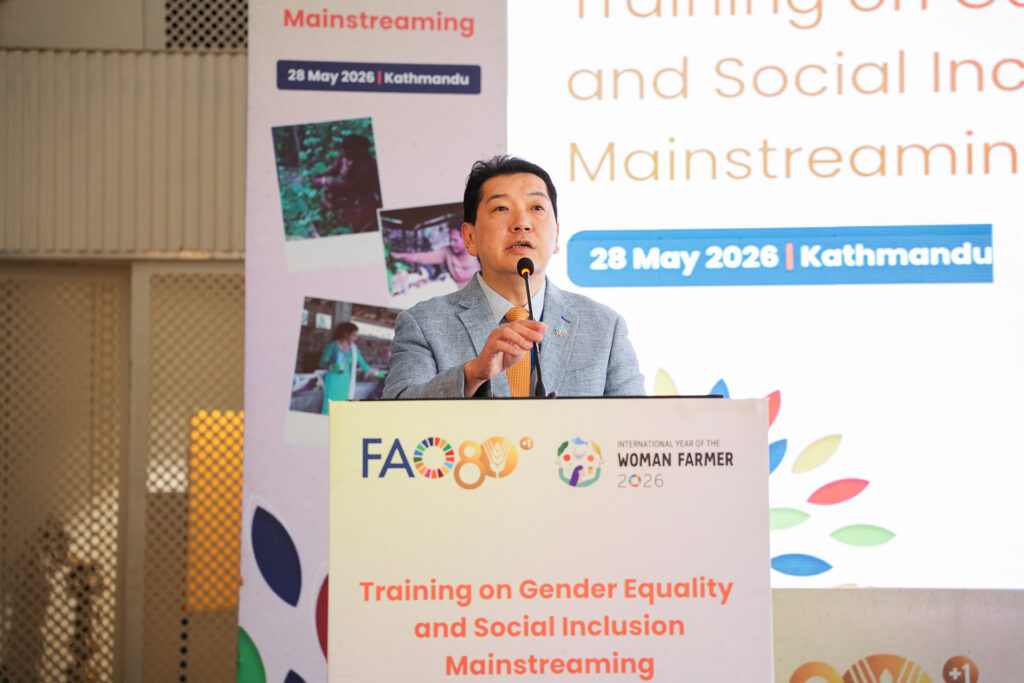
How has FAO strengthened Nepal’s One Health framework?
The COVID-19 pandemic reminded the world that human health, animal health, ecosystems and food systems are deeply connected. The One Health approach recognizes that disease prevention, food safety, livestock management, biodiversity protection and public health cannot be addressed in isolation.
In Nepal, FAO has worked with government partners to strengthen animal health systems, disease surveillance, veterinary capacity, laboratory systems, food safety and emergency preparedness. This is particularly important in a country where livestock contributes significantly to rural livelihoods and where communities live in close interaction with animals and natural ecosystems.
One Health also requires stronger coordination among agriculture, health and environment sectors. Zoonotic diseases, antimicrobial resistance, food safety risks and climate-sensitive disease patterns all demand joint preparedness and joint response. The lessons of COVID-19 showed that early warning, laboratory capacity, community awareness and cross-sectoral coordination are not optional. They are essential for national resilience.
Ultimately, healthy food systems depend on healthy animals, healthy ecosystems and healthy people. One Health is therefore not only a technical agenda. It is a resilience agenda, a food security agenda and a development agenda.
How has FAO integrated anticipatory action and shock-responsive recovery into agricultural programmes?
One of the most important shifts in recent years has been the move from reactive response to anticipatory action. Traditionally, humanitarian and recovery systems often responded after floods, droughts or other shocks had already damaged crops, livestock and livelihoods. Anticipatory action changes this logic. It uses forecasts, early warning systems and pre-agreed triggers to act before a crisis fully unfolds.
In Nepal, this approach is particularly relevant because agriculture is repeatedly affected by floods, droughts, landslides, heat stress, pest outbreaks and other climate-related hazards. By acting early, farmers can protect seed stocks, move livestock, reinforce assets, harvest early, store fodder or adjust planting decisions before impacts become severe.
Shock-responsive recovery is equally important. After disasters, affected farming households need more than relief. They need support to restore productive capacity through seeds, tools, livestock inputs, irrigation rehabilitation, climate-adaptive practices and renewed market linkages. Early recovery helps families rebuild livelihoods faster and reduces future vulnerability.
Anticipatory action protects dignity because it allows communities to act before losing everything. It also protects development gains. For me, this is a deeply human agenda: helping families protect what they have worked so hard to build, so that one flood, drought or landslide does not erase years of progress overnight.
What personal experiences with Nepali farming communities have touched you most deeply?
What has touched me most deeply is the extraordinary resilience and generosity of Nepali farming communities. Across the mountains, hills and Terai, I have met people who face difficult conditions yet continue to farm, innovate, share and rebuild.
In Mandandeupur, I saw how household gardens, improved practices and community participation can connect nutrition, income and dignity. In Rong, I saw the value of local leadership, indigenous knowledge and youth engagement. In Badaiyataal, I saw how aquaculture, nutrition-sensitive agriculture and environmental stewardship can reinforce each other when communities are empowered.
Some of the most inspiring moments of my tenure have come from meeting women farmers, Indigenous communities, youth innovators and persons with disabilities who were overcoming barriers and creating opportunities for themselves and their communities. Their determination reinforced my belief that development interventions are most successful when they actively promote participation, equity and dignity for all.
I have met women managing farms and households while family members are away for employment. I have met young entrepreneurs who could have chosen to leave agriculture but instead decided to transform it. I have met Indigenous communities preserving seeds, foods and rituals that carry generations of wisdom. I have met farmers recovering from floods who, despite their own losses, were still ready to support their neighbours.
These experiences have shaped my understanding of Nepal. Adaptive capacity here is visible in everyday life: in the way communities cooperate, in the way farmers observe the land and in the way people continue to hope even after hardship. What I will remember most is the dignity of Nepal’s farmers and the collective spirit of communities that continue to build a better future despite uncertainty.
How can Nepal balance commercial agribusiness growth with food safety and smallholder equity?
Commercial agribusiness growth and smallholder equity must advance together. Nepal has strong potential to develop competitive, market-oriented and value-added agrifood systems. But this transition must benefit the smallholders who remain the backbone of national agriculture.
Commercialization should not mean exclusion. It should mean better opportunities for farmers through cooperatives, producer organizations, digital platforms, fair contract arrangements, value addition, quality assurance and reliable market access. Smallholders need support to meet standards, reduce post-harvest losses, improve productivity, access finance and connect to buyers.
Initiatives such as FAO’s Hand-in-Hand Initiative and One Country One Priority Product (OCOP) provide practical pathways for achieving inclusive agribusiness growth. Hand-in-Hand promotes data-driven, strategic investment to unlock agricultural potential in underserved areas, while OCOP helps identify and strengthen high-potential products that can generate income, add value and create market opportunities for smallholders. Together, these approaches help ensure that agricultural commercialization remains inclusive, sustainable and beneficial to rural communities.
Food safety is also central to this agenda. As consumers become more aware and markets more demanding, Nepal will need stronger systems for standards, inspection, traceability, laboratory capacity and producer awareness. Food safety protects consumers, but it also opens market opportunities for farmers and enterprises.
At the same time, we must be honest about the challenges: rural outmigration, fragmented landholdings, climate-induced losses, weak agricultural commercialization, pressure on public extension systems and food import dependency remain serious concerns. Nepal’s future agribusiness model should therefore be productive, safe, sustainable and equitable, with smallholders at the centre rather than at the margins.
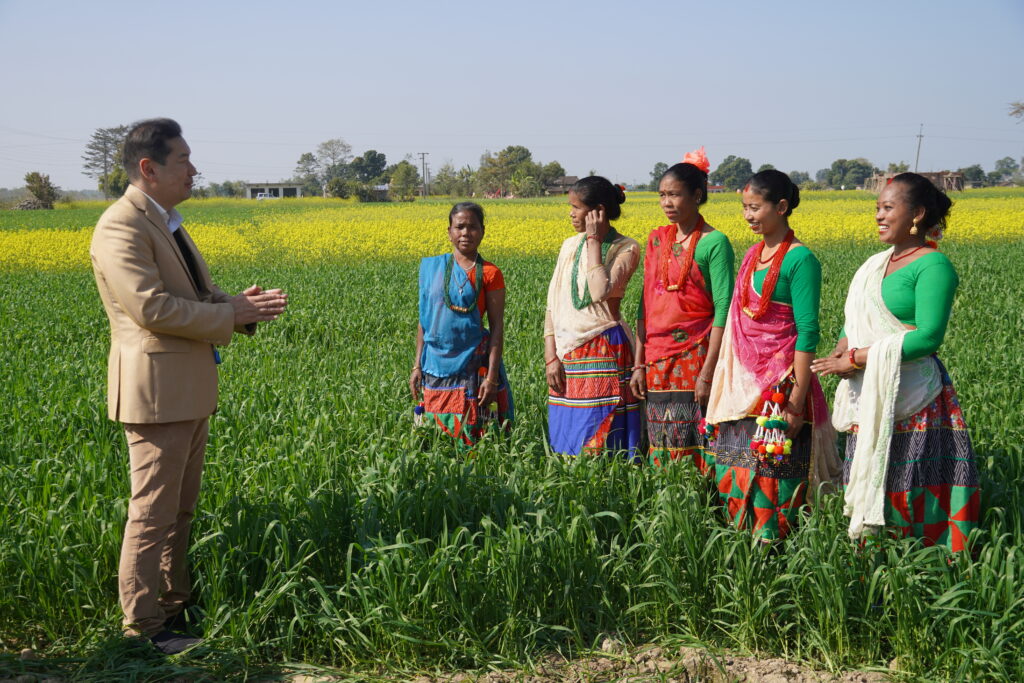
Finally, Mr. Shimizu, what message would you like to leave for the next generation of Nepalis who will shape the future of agriculture, food systems and rural development in the decades ahead?
My message is simple: do not think of agriculture as a sector of the past. Agrifood systems sit at the centre of the future because they connect food security, climate action, biodiversity, water, nutrition, livelihoods, culture, enterprise and human dignity. Few sectors will be more important in shaping the future well-being of people and the planet.
Nepal’s next generation has an extraordinary opportunity to build food systems that are more productive, more resilient, more inclusive and more sustainable than ever before. You have the ability to combine centuries of traditional knowledge with modern science, digital technologies, entrepreneurship and innovation. The future does not belong to tradition or technology alone; it belongs to those who can successfully bring the two together.
Platforms and Initiatives such as the Nepal Food Forum, the National Food Systems Pathways, the Four Betters Model Villages, Digital Villages Initiative, the Hand in Hand Initiative, OCOP and the World Food Forum Nepal Chapter can help bring together government, farmers, youth, women, academia, the private sector and development partners around a shared national vision. But platforms are only valuable if they lead to collaboration, practical solutions and measurable improvements in people’s lives.
As I conclude my tenure as FAO Representative for Nepal and Bhutan, I do so with immense gratitude and optimism. It has been a privilege to work alongside the Government of Nepal, farmers, local communities, civil society, academia, development partners, the private sector and my dedicated FAO colleagues. Looking back, I am proud not only of the programmes implemented or resources mobilized, but also of the partnerships strengthened, the trust built and the shared vision that has emerged around transforming Nepal’s agrifood systems.
Although my tenure in Nepal is concluding, my commitment to Nepal does not end here. I will continue to champion Nepal’s achievements, experiences and innovations across the Asia and Pacific region and beyond. Nepal has much to offer the world, particularly through its experience in mountain agriculture, community-based natural resource management, climate adaptation, community forestry and locally driven development.
To the next generation, I would simply say: be ambitious, embrace innovation, respect tradition, protect nature and invest in people. Lead with courage, humility and a spirit of partnership. Never forget that agriculture is ultimately about people — their dignity, their livelihoods, their health and their hopes for the future.
Nepal’s farmers have already planted the seeds of transformation. The next generation now has the opportunity and responsibility to nurture those seeds and help them grow into a more prosperous, resilient, inclusive and sustainable future for all. I leave Nepal with tremendous confidence that the best chapters of that journey are still ahead.