Kathmandu – A group of civil society-affiliated election observation organizations has concluded that the House of Representatives election held on March 5 was overall peaceful, well-managed, free, and relatively fair.
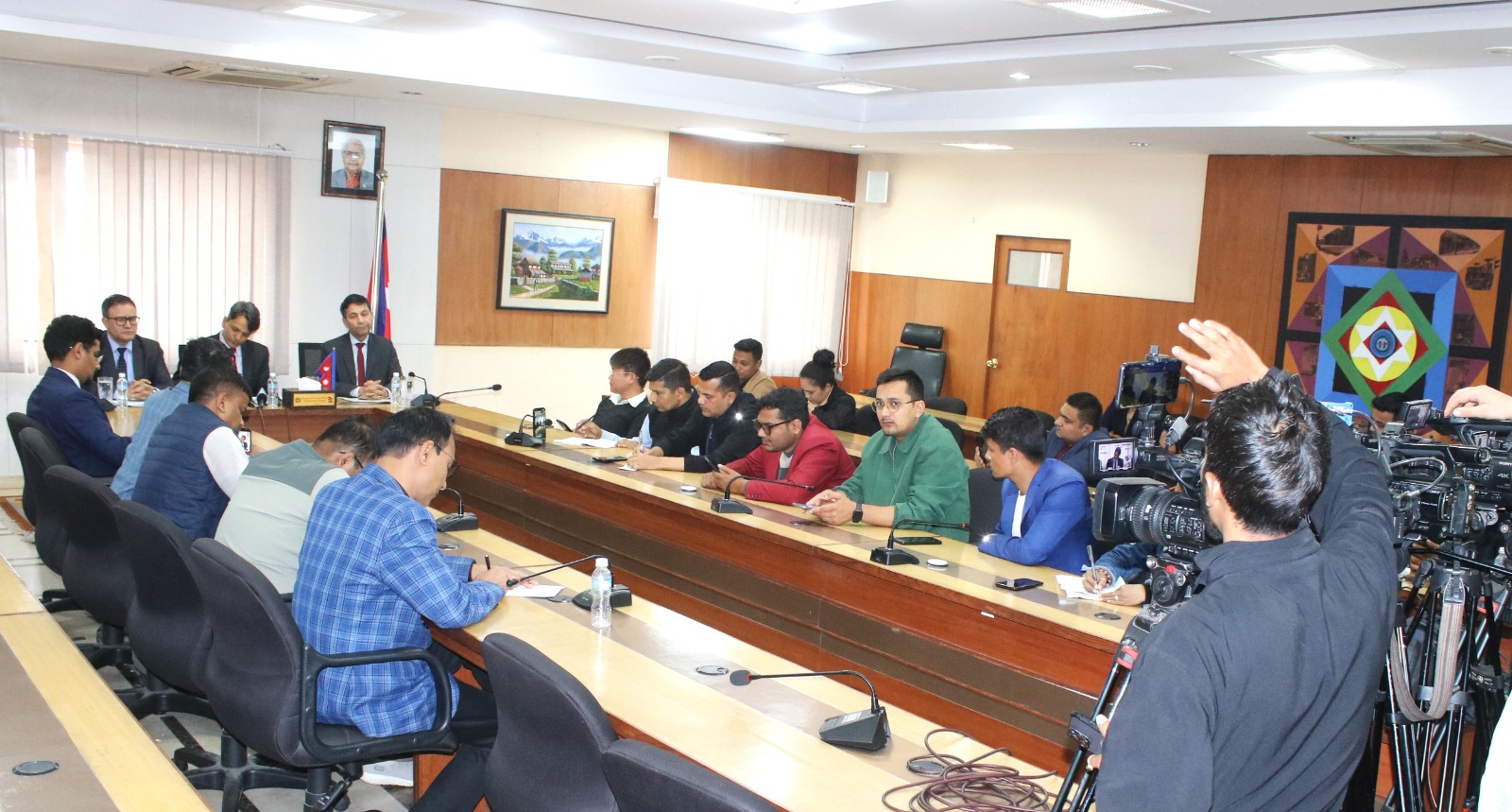
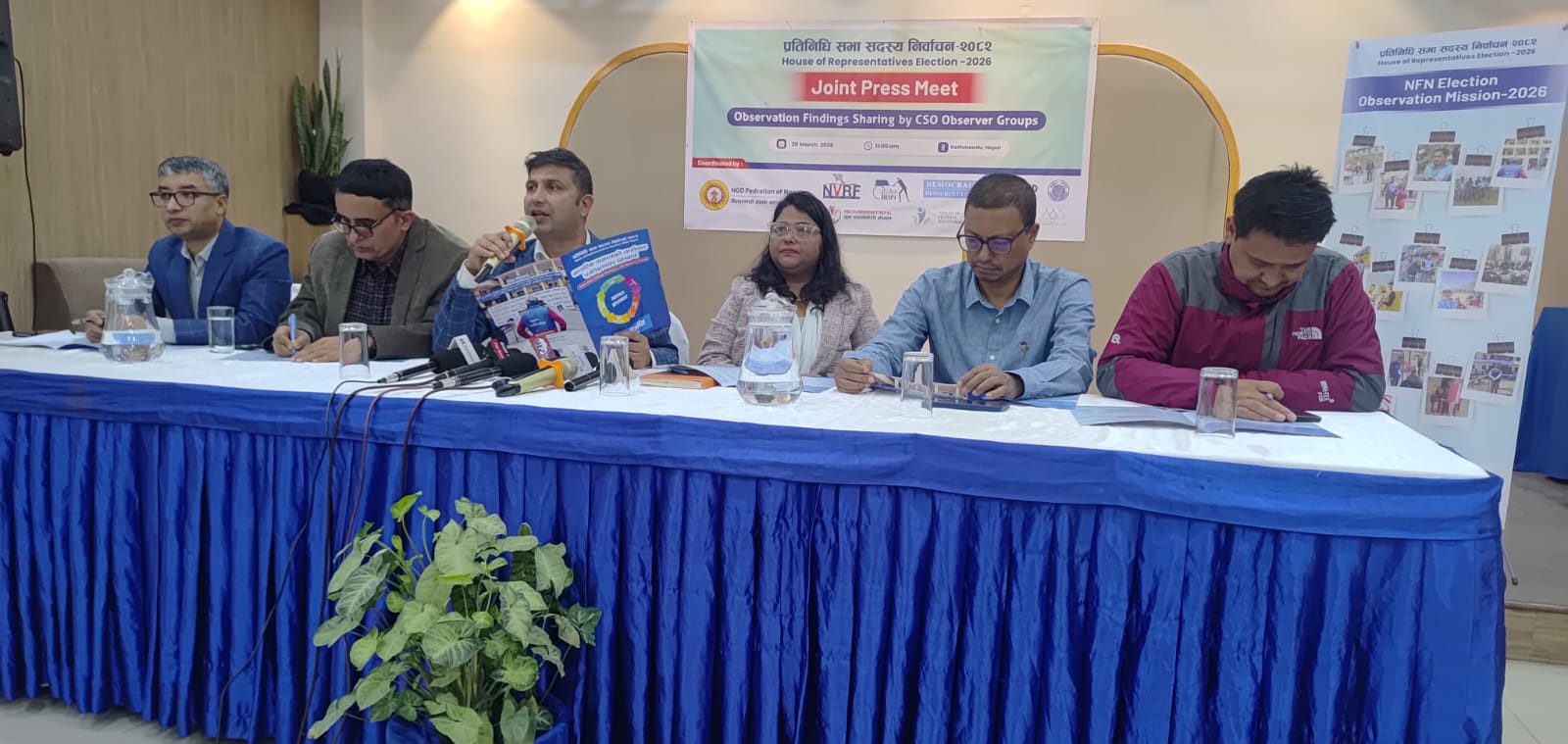
At a joint press conference held in the capital on March 20, representatives from 10 civil society organizations stated that although voter turnout was lower than expected, the successful conduct of the election in a fair environment despite challenging circumstances is a positive sign for democratic practice.
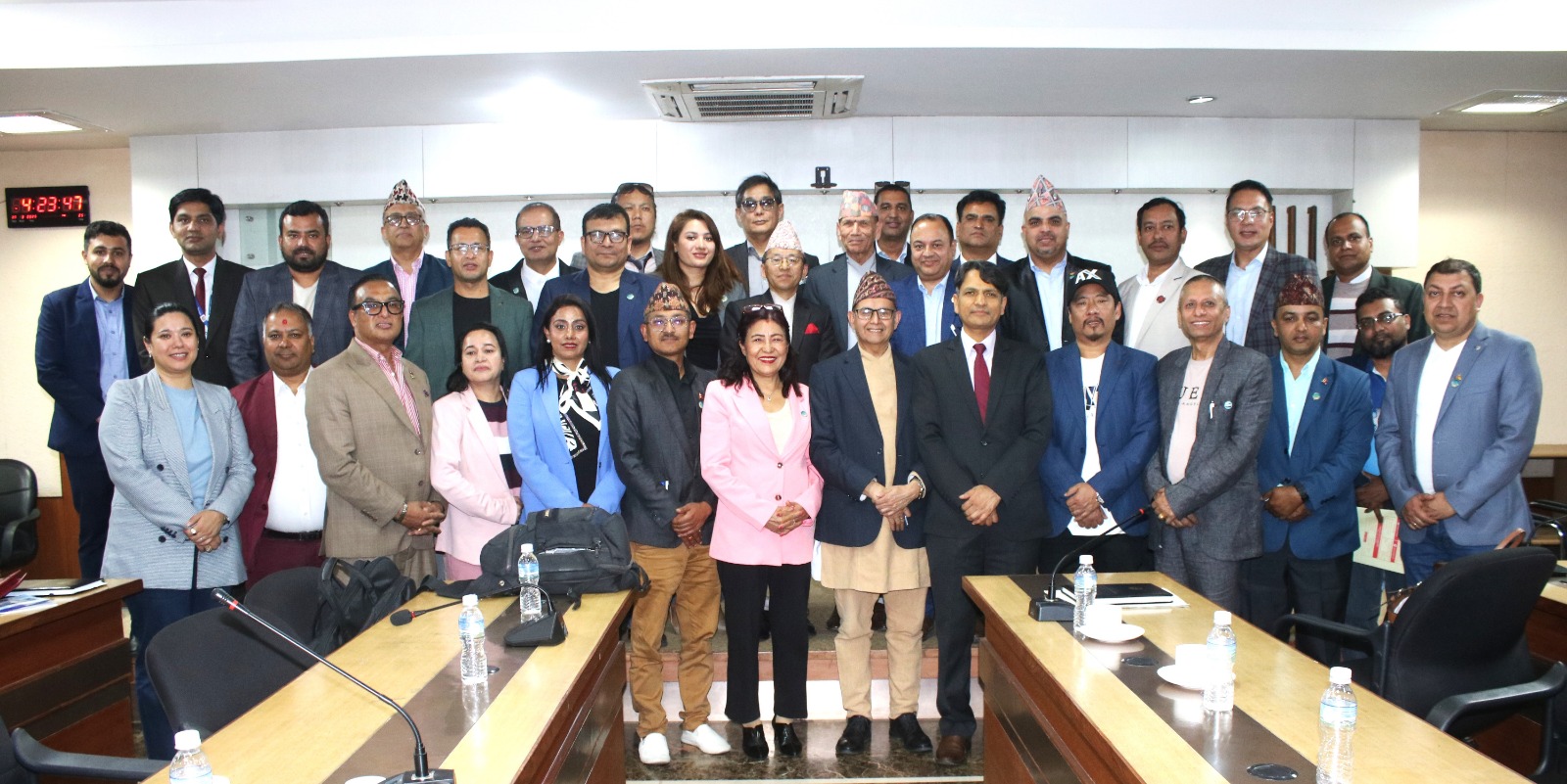
The organizations issuing the joint conclusion include the NGO Federation of Nepal, Nepal Voters’ Rights Forum, INSEC, Democracy Resource Center Nepal, Youth in Federal Discourse, Yuwalaya, Youth Advocacy Nepal, Forum for Women, Law and Development, Women’s Service Institute Nepal, and Samuhik Abhiyan Nepal.
In a joint statement, the organizations noted that despite minor issues in some locations, the election was completed without any major disruptions, which they described as a significant achievement. The report also highlighted the effective roles played by the Election Commission and the government in election preparation, security arrangements, and polling center management.
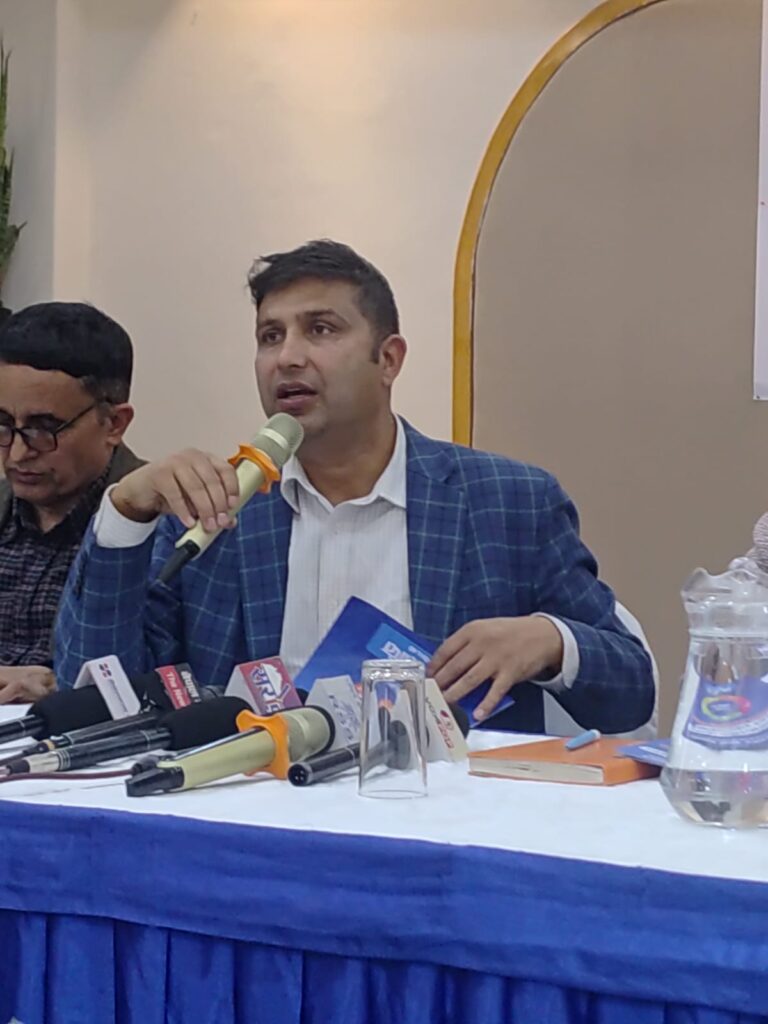
President of the NGO Federation of Nepal, Arjun Bhattarai, informed that around 1,550 trained observers were deployed across all seven provinces and 77 districts by the 10 organizations. He added that both stationary and mobile observers were mobilized, including special teams in sensitive areas.
Bhattarai said the report was prepared based on observations conducted before, during, and after the election and would be submitted to the Election Commission. “We have highlighted both the positive aspects and the shortcomings of the election and provided recommendations that will help improve future elections,” he said.
He also noted that millions of voters across the country participated voluntarily in the मतदान process, describing the day as a significant milestone in Nepal’s contemporary political history. He expressed gratitude to the Election Commission, government, political parties, candidates, and the media for their roles in successfully conducting the election.
The observation report identifies eight major findings. It highlights weak voter education, noting that nearly half of the polling centers lacked voter education materials, contributing to a high number of invalid votes.
It also reports that in some places, observers were denied access to polling centers, restricted from carrying mobile phones or essential materials, and faced disputes with election officials.
While minor security incidents were reported, the overall voting process remained unaffected. However, some polling centers in Darchula, Dang, and Okhaldhunga recorded zero voter turnout.
The report further notes errors in the voter list, the presence of campaign materials within restricted areas, and the spread of misinformation through social media. Additionally, many polling centers were found to be inaccessible to persons with disabilities and elderly voters.
The organizations have put forward six major recommendations, including strengthening voter education campaigns, improving coordination among security agencies, ensuring disability-friendly polling stations, and strictly enforcing the code of conduct.
They also emphasized the need to update voter lists, develop online systems, and amend laws to ensure voting rights for Nepalis living outside their districts and abroad. The report also highlights the potential for digital or online voting systems.
Speaking at the event, Bhawana Bhatt, President of Women’s Service Institute Nepal, stressed the need for inclusiveness during election observation and pointed out weaknesses in voter education.
Sabin Shrestha, Executive Director of the Forum for Women, Law and Development, stated that Nepal’s electoral environment is becoming more environmentally friendly, noting increased use of online platforms over paper-based campaign materials.
Ganesh Dhami, President of Youth Advocacy Nepal, said youth participation in this election was encouraging. INSEC spokesperson Krishna Gautam remarked that the election was more peaceful than expected but emphasized the need to strengthen voter education.
Similarly, Kiran Thapa, Deputy General Secretary of the NGO Federation of Nepal, stressed the importance of transparency in election spending and called on the Election Commission to take stronger measures in this regard.