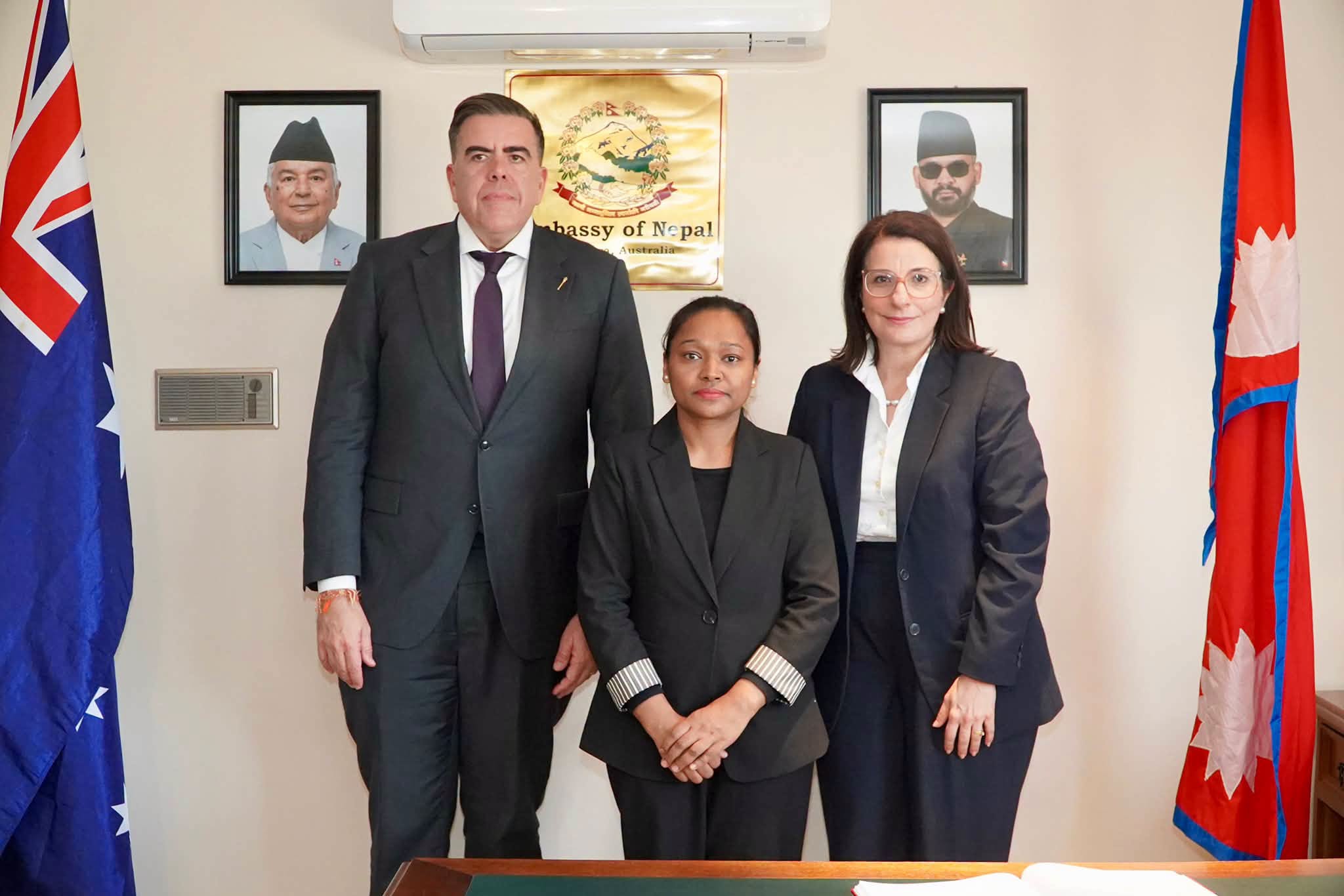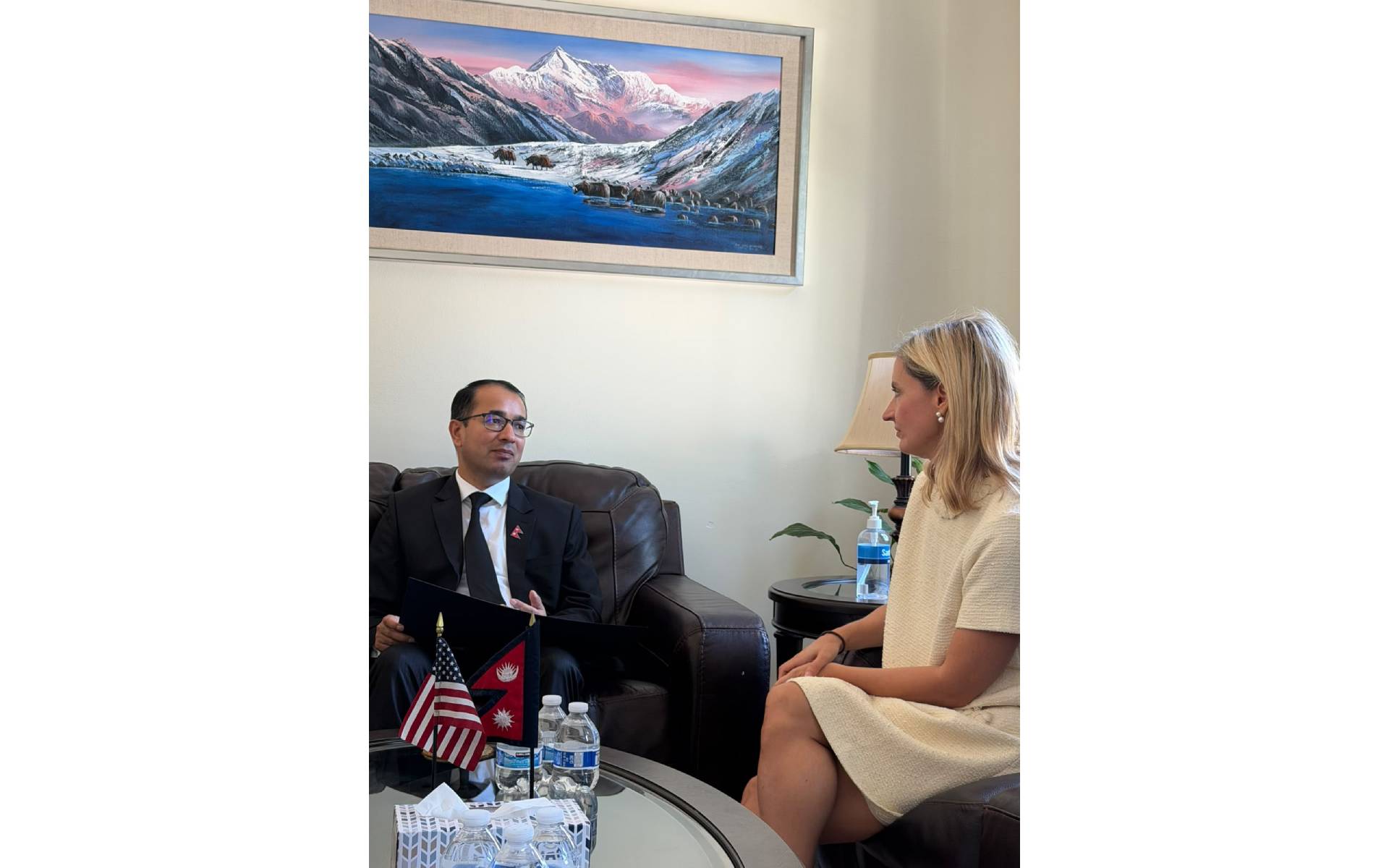
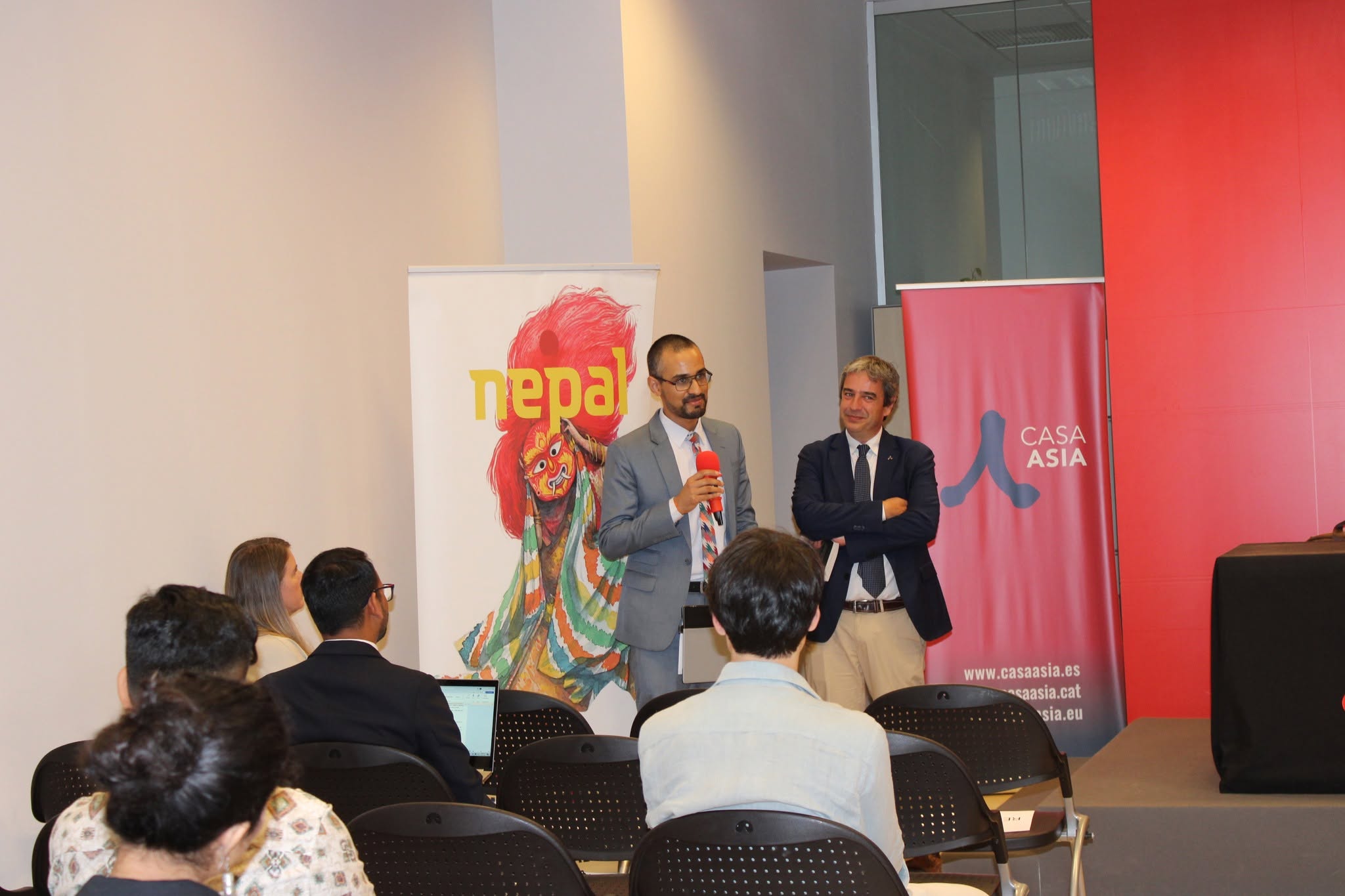
Kathmandu: The Embassy of Nepal in Madrid, in collaboration with Casa Asia, organized a talk entitled ‘Nepal 2043: Future Perspectives for a Transforming Country’ at Casa Asia’s premises in Madrid. The program held on September 8 featured a dialogue between Mr. Sujeev Shakya, analyst and author of the book “Nepal 2043,” and Mr. Mario López-Areu, Professor of Politics and International Relations at Universidad Pontificia Comillas. The discussion explored Nepal’s evolving position in the international arena and its prospects for achieving its ambition of becoming a developed country by 2043.
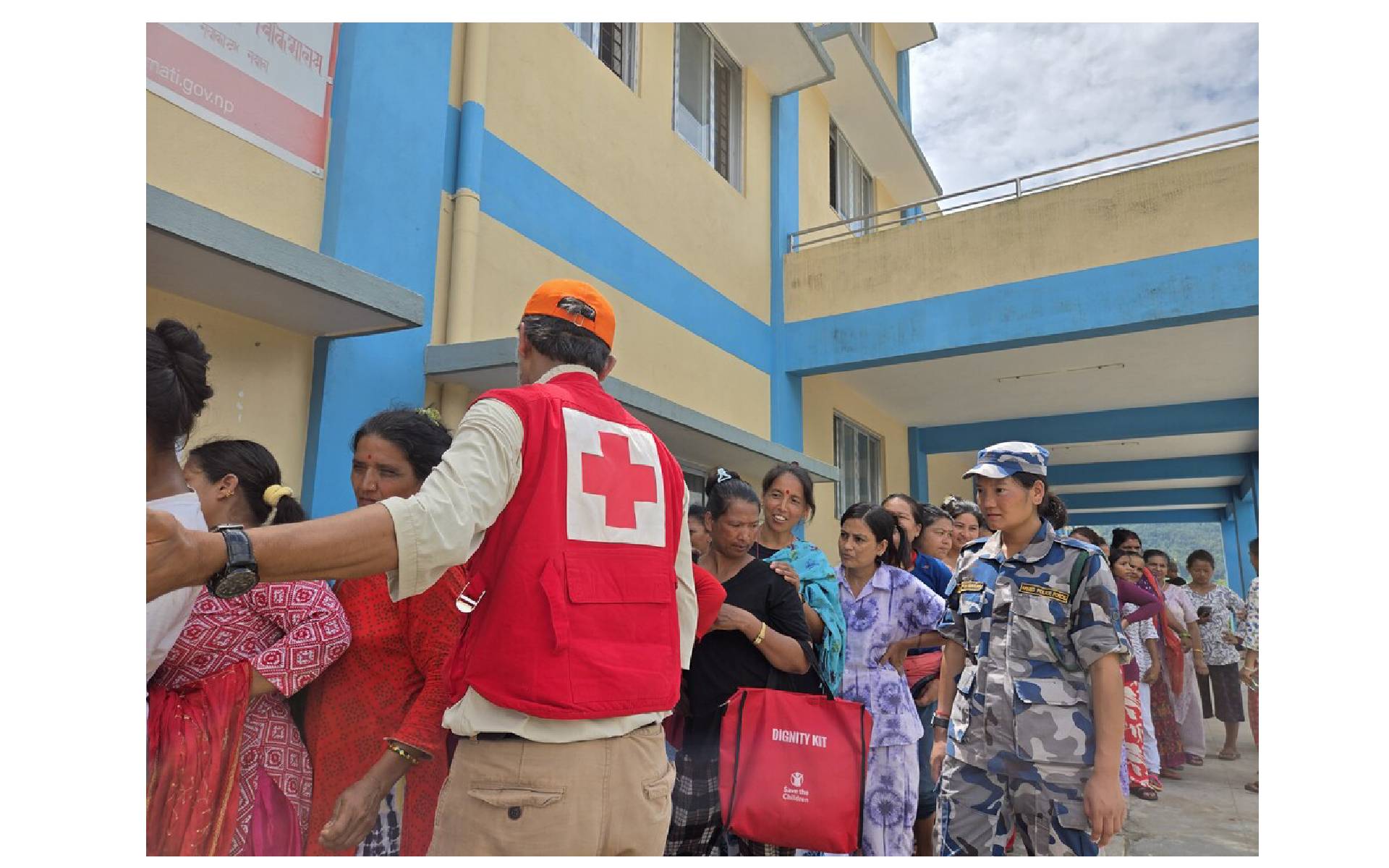
Welcoming the participants, the Chargé d’Affaires a.i. of the Embassy of Nepal, Mr. Purak Adhikari, highlighted Nepal’s growing relevance in the 21st century and the steady strengthening of Nepal–Spain relations. He expressed appreciation to Casa Asia for embracing and supporting the Embassy’s initiative, noting that the event reflected Nepal’s growing interest in deepening its cultural and intellectual engagement with Spain. Mr. Adhikari also called upon the participants to support the Government of Nepal’s ongoing rescue and relief efforts by contributing to the Prime Minister’s Disaster Relief Fund.
Mr. José Pintor Aguilar, Director General of Casa Asia, welcomed the initiative and reaffirmed Casa Asia’s commitment to promoting greater understanding of Asian countries in Spain. He also expressed the institution’s readiness to provide a platform for further discussions and programs on Nepal and other Asian countries.
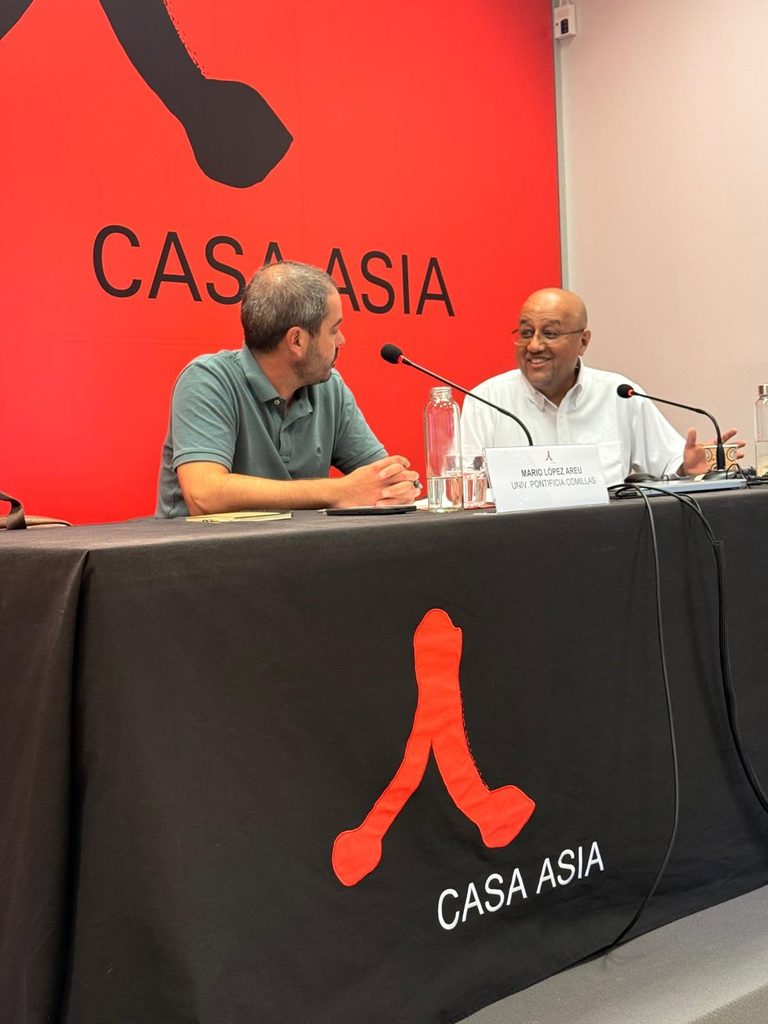
Moderating the dialogue, Mr. López-Areu raised questions on Nepal’s recent floods, its political and social developments, geopolitical position, economic opportunities, and future prospects. In response, Mr. Shakya highlighted the aspirations of Nepal’s younger generation, the importance of effective local governance, and the opportunities arising from Nepal’s longstanding relations with India and China. He identified Nepal’s land-linked position, tourism, infrastructure, trade, agriculture, technology, and hydropower as key areas for economic transformation, while emphasizing the need for greater transparency, sustainable development, and an improved investment environment.
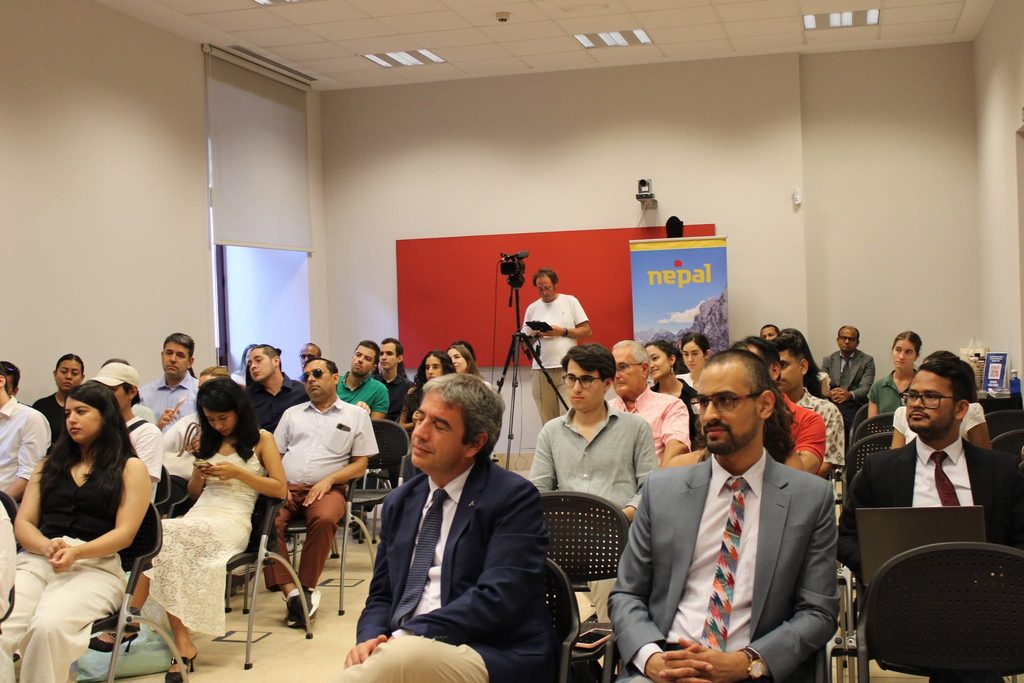
Mr. Shakya also underscored the growing contribution of the Nepali diaspora through remittances, investment, skills, and support during times of crisis. With regard to Nepal–Spain relations, he highlighted opportunities for enhanced cooperation in tourism, hospitality, education, infrastructure, business and investment, and spiritual and religious tourism, with a view to further strengthening economic and people-to-people ties between the two countries.