Kathmandu: ICIMOD and United Nations framework Convention on Climate Change ( UNFCCC) signed a Memorandum of Understanding to strengthen climate transparency across the Hindu Kush Himalaya (HKH) a year ago.
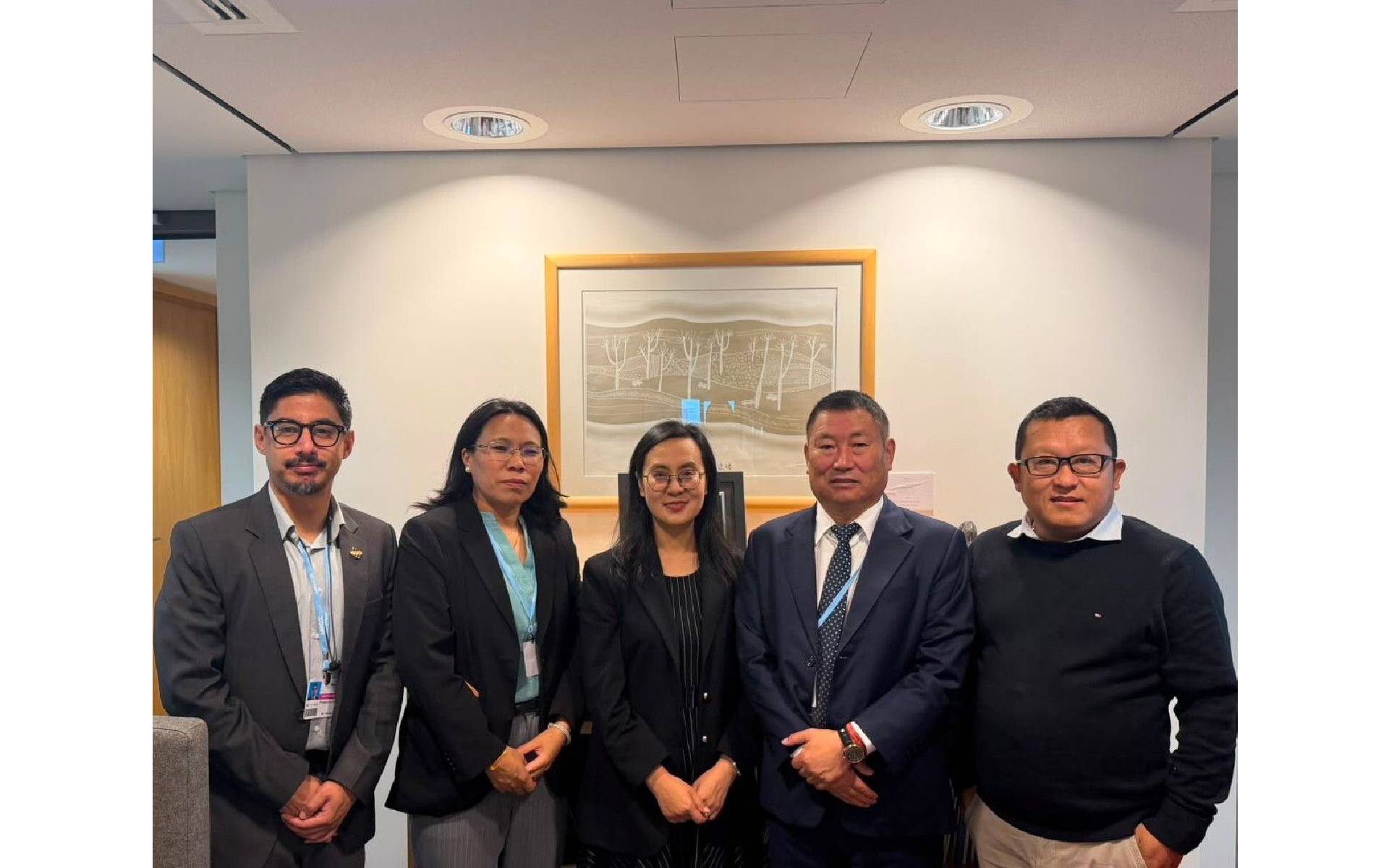
On the sidelines sidelines of SB64 in Bonn, Dr Pema Gyamtsho, Director General, ICIMOD, met with Dr Xuehong Wang, Director of Transparency, UNFCCC, to take stock of the progress on June 13.
In one year, the partnership has made significant strides in supporting implementation of the Paris Agreement’s Enhanced Transparency Framework (ETF) across the HKH region.
A key milestone was the launched of the Hindu Kush Himalaya Regional Climate Action Transparency Hub (HKHRCATH) in Paro, Bhutan, in December 2025 providing a platform for capacity-building, peer learning, and regional knowledge exchange.
Based on the priorities identified by countries during the regional consultation process, the Hub’s first activity will be a regional training workshop on national greenhouse gas inventories in September 2026.
The training workshop aimed to strengthen technical and institutional capacities for ETF development and implementation, including the application of the 2006 Intergovernmental Panel on Climate Change (IPCC) Guidelines and the IPCC Inventory Software.
The meeting also focused on opportunities for joint resource mobilization to scale support for countries in the region and the importance of strengthening the science–policy interface. Robust, science-based evidence is essential for enhancing transparency systems, informing climate decision-making, tracking progress towards Nationally Determined Contributions (NDCs), and supporting effective adaptation, and mitigation actions.
Through this growing partnership, UNFCCC and ICIMOD are helping countries strengthen transparency systems, advance evidence-based climate action, and foster greater regional cooperation to address the climate challenges facing mountain regions.