Kathmandu: Millions of children in Nepal are increasingly exposed to overlapping climate, environmental and disaster risks that threaten their health, nutrition, education and protection, according to a new UNICEF advocacy brief released on Wednesday.
The report, titled Growing Up in a Climate Hotspot: The Risks Shaping the Lives and Futures of Nepal’s Children, highlights the growing impact of climate change on children’s lives and calls for urgent action to place children at the centre of climate policies, financing and adaptation efforts.
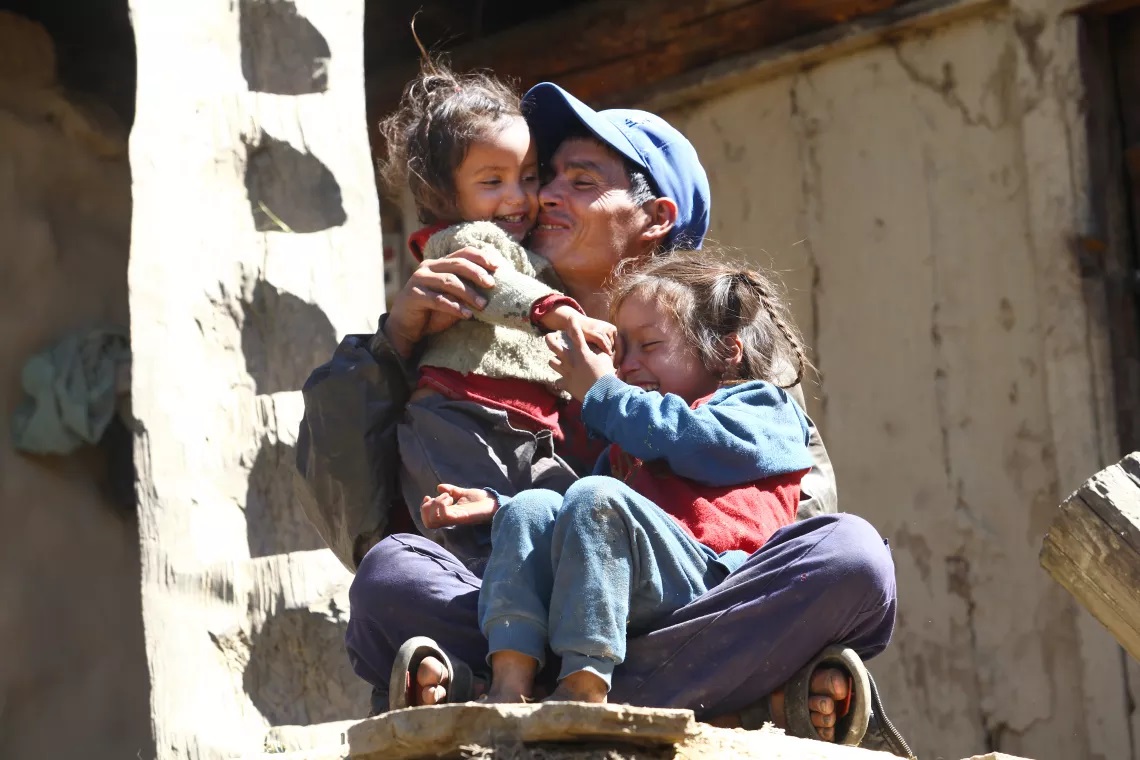
According to the report, 9.9 million children in Nepal are exposed to unhealthy levels of air pollution, while 7.3 million face drought risks. Similarly, 5.7 million children are exposed to extreme hot days, and 2.9 million face the threat of rainfall-triggered landslides.
The report further estimates that around 2.4 million children are exposed to multiple high-intensity climate hazards, increasing their vulnerability and making recovery more difficult.
UNICEF noted that climate change is not only increasing children’s exposure to environmental hazards but also putting additional pressure on essential services. Despite Nepal’s development progress, significant challenges remain, with only 47.5 per cent of the population having access to safely managed drinking water. One in four children under five is stunted, while 22 per cent of children live in multidimensional poverty.
Climate-related disasters are also increasing the risks of child labour, child marriage, disease outbreaks and disruptions to education, the report said.
“The climate crisis is increasingly becoming a child rights crisis,” said Alice Akunga, UNICEF Representative to Nepal.
She said children had contributed the least to climate change but were among those bearing its greatest consequences. Floods, droughts, heatwaves and air pollution threaten children’s health, nutrition, education and protection, she added.
As Nepal prepares to participate in global climate discussions at COP31, Akunga stressed the need to ensure that children are placed at the centre of climate action, financing and adaptation efforts.
The report also highlights that climate risks are not experienced equally. Children living in poverty, girls, children with disabilities, historically marginalised communities and those residing in remote and climate-vulnerable areas face disproportionately greater risks, often with fewer resources to cope with and recover from disasters.
Meanwhile, the Government of Nepal formally endorsed the Declaration on Children, Youth and Climate Action during the National Climate Summit held on October 29.
Launched at COP25, the global declaration has been endorsed by 78 countries and calls on governments to advance climate action that recognises the rights, needs and contributions of children and young people.
The declaration is expected to be formally handed over to UNICEF representatives at COP31 in Türkiye, further highlighting Nepal’s commitment to child- and youth-responsive climate policies and action.
Ahead of COP31, UNICEF has called on the government to incorporate children’s rights and needs into climate policies, adaptation plans, disaster risk reduction strategies and climate financing frameworks.
It has also urged governments, development partners and climate finance institutions to increase investment in climate adaptation and loss and damage initiatives, particularly in health, nutrition, water, sanitation and hygiene, education, child protection and social protection services.
The agency further emphasised the need for climate risk assessments that prioritise vulnerable communities, greater private-sector investment in climate-resilient infrastructure and clean energy, and meaningful participation of children and young people in climate-related decision-making.
Highlighting the importance of youth participation, Jayanti Bam, UNICEF Nepal Youth Advocate for Climate Action, said climate change was already affecting children’s lives.
“When floods damage schools, children don’t just lose classrooms. We lose learning opportunities, routines, friendships and a sense of safety,” Bam said.
She called on decision-makers to invest in climate-resilient schools and services, listen to children’s concerns and provide young people with meaningful opportunities to shape their future.