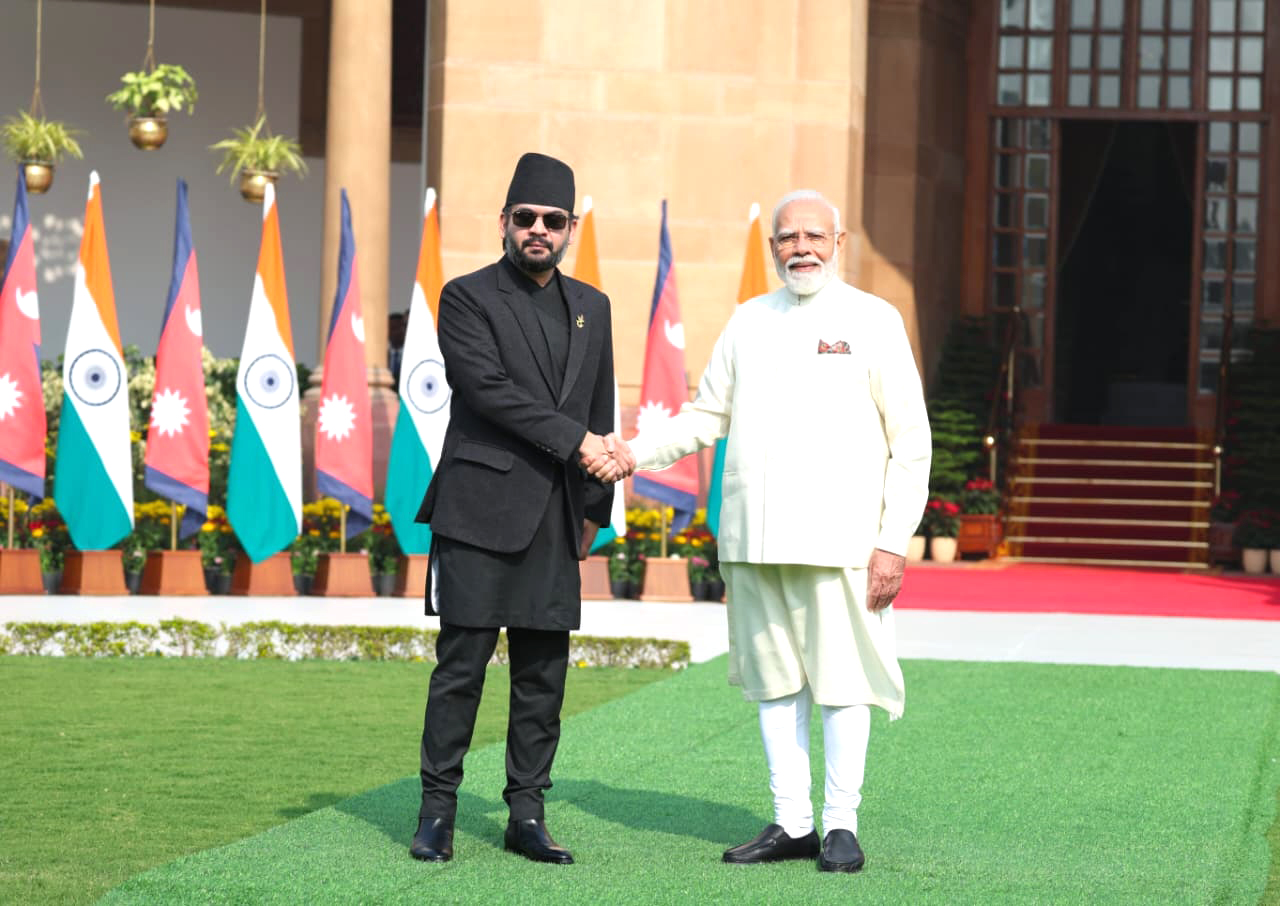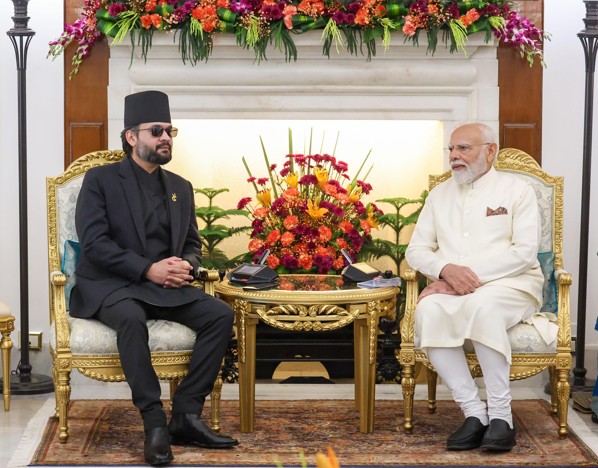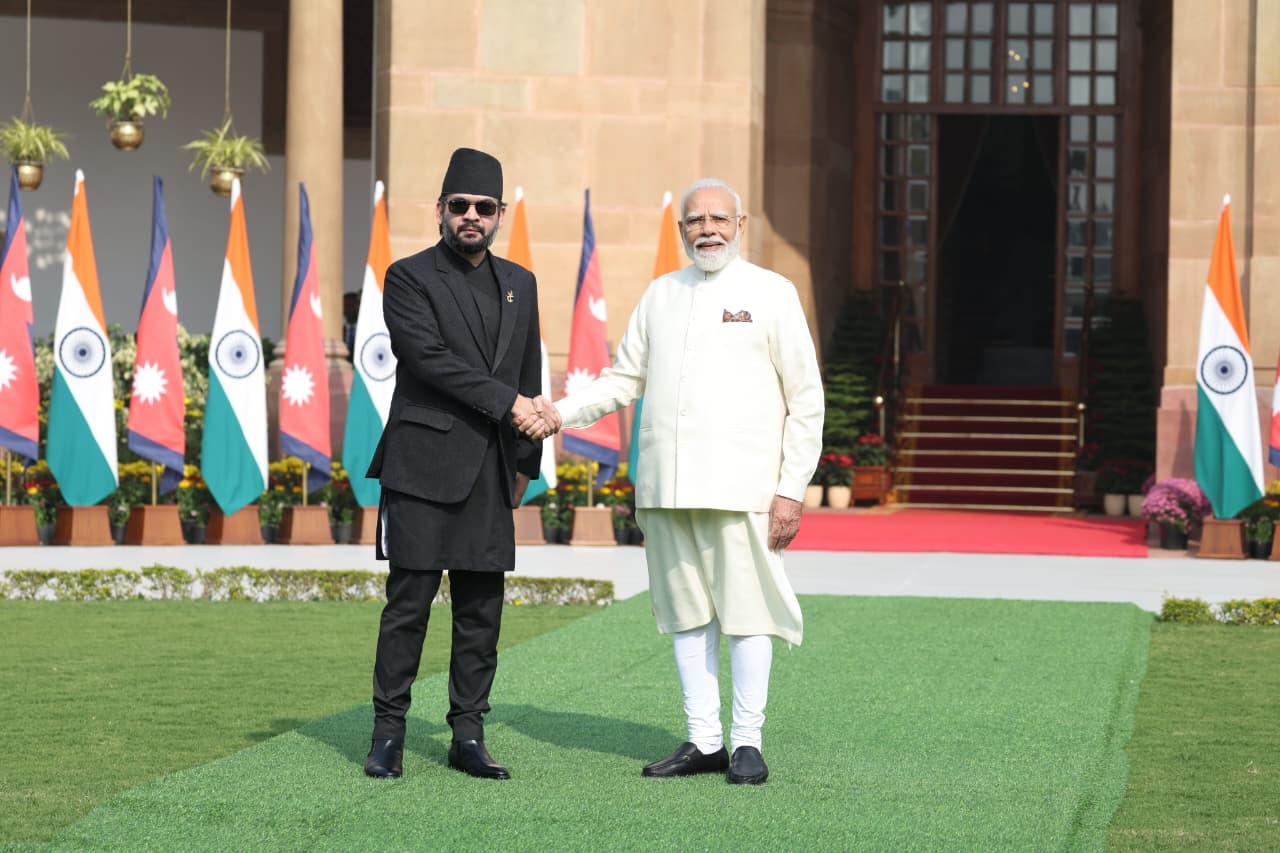
Kathmandu: Prime Minister Rt. Hon. Balendra Shah and Indian Prime Minister Rt. Hon. Narendra Modi jointly laid the foundation stone for the 669 MW Lower Arun Hydropower Project, marking a significant milestone in Nepal-India energy cooperation on Monday, November 23.
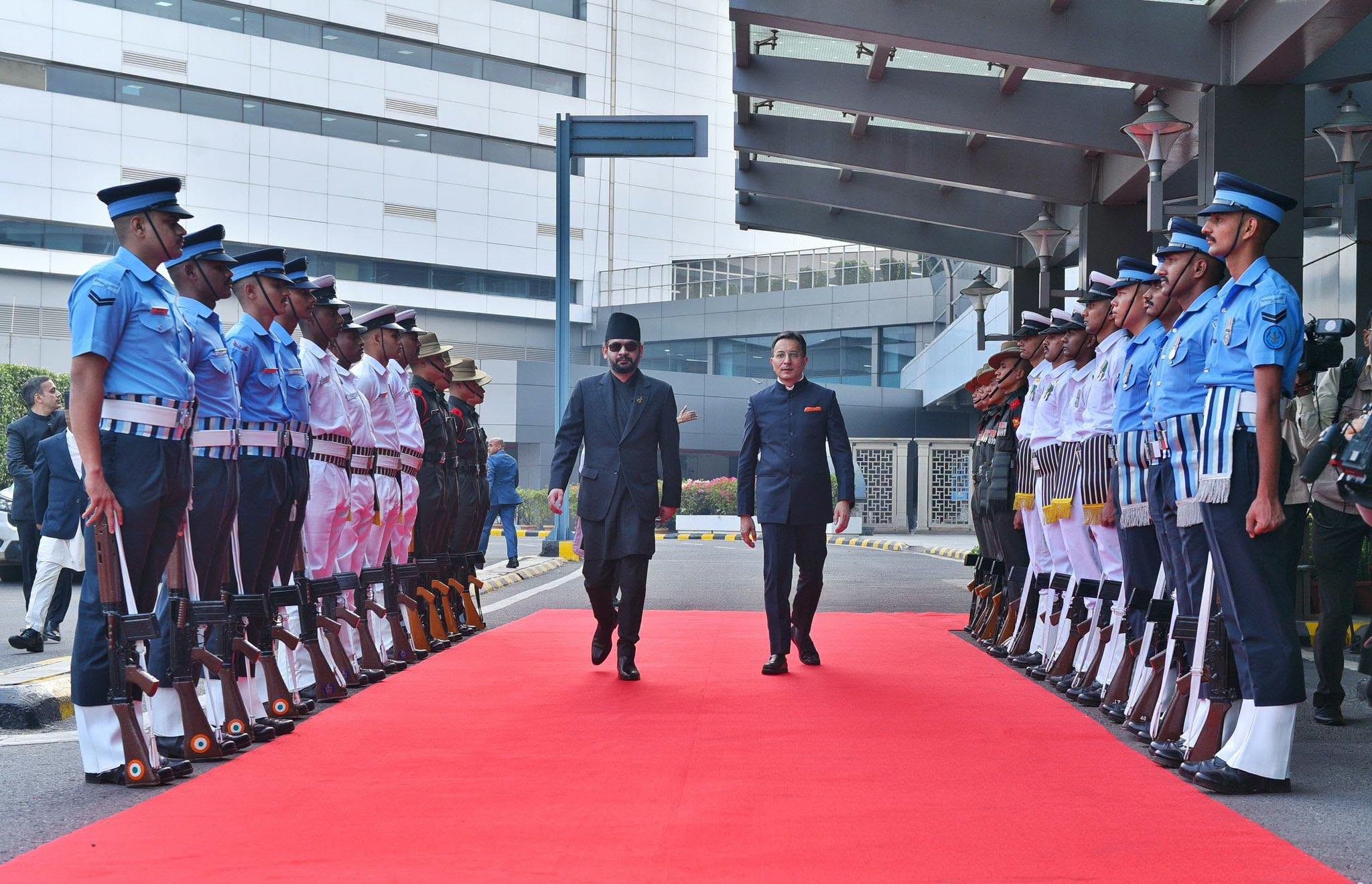
The foundation stone was laid remotely from New Delhi during Prime Minister Shah’s State visit to India.
Located in Chichila Rural Municipality and Khandbari Municipality of Sankhuwasabha district, the project is estimated to cost Rs 92.67 billion and is targeted for completion within five years.
The project will be developed under the Build-Own-Operate-Transfer (BOOT) model with the objective of expanding bilateral energy cooperation and increasing Nepal’s hydropower generation capacity.
Under the Project Development Agreement (PDA), Nepal will receive 21 percent of the project’s total electricity generation free of cost. The agreement also stipulates that the project will be handed over to the Government of Nepal free of charge after 25 years of commercial operation.
The Lower Arun Hydropower Project is being developed by a subsidiary of India’s state-owned Satluj Jal Vidyut Nigam (SJVN). The PDA was signed between the Investment Board Nepal and the project developer on June 1, 2023.
Designed as a cascade project linked to the Arun III Hydropower Project, Lower Arun will utilise water discharged from Arun III through an approximately 17.3-kilometre tunnel before generating additional electricity at its own powerhouse.
Officials expect the project to generate significant economic benefits for Nepal through free power, royalties, taxes and other revenues. It is also anticipated to create employment opportunities, improve local infrastructure and stimulate economic activity in the project area.
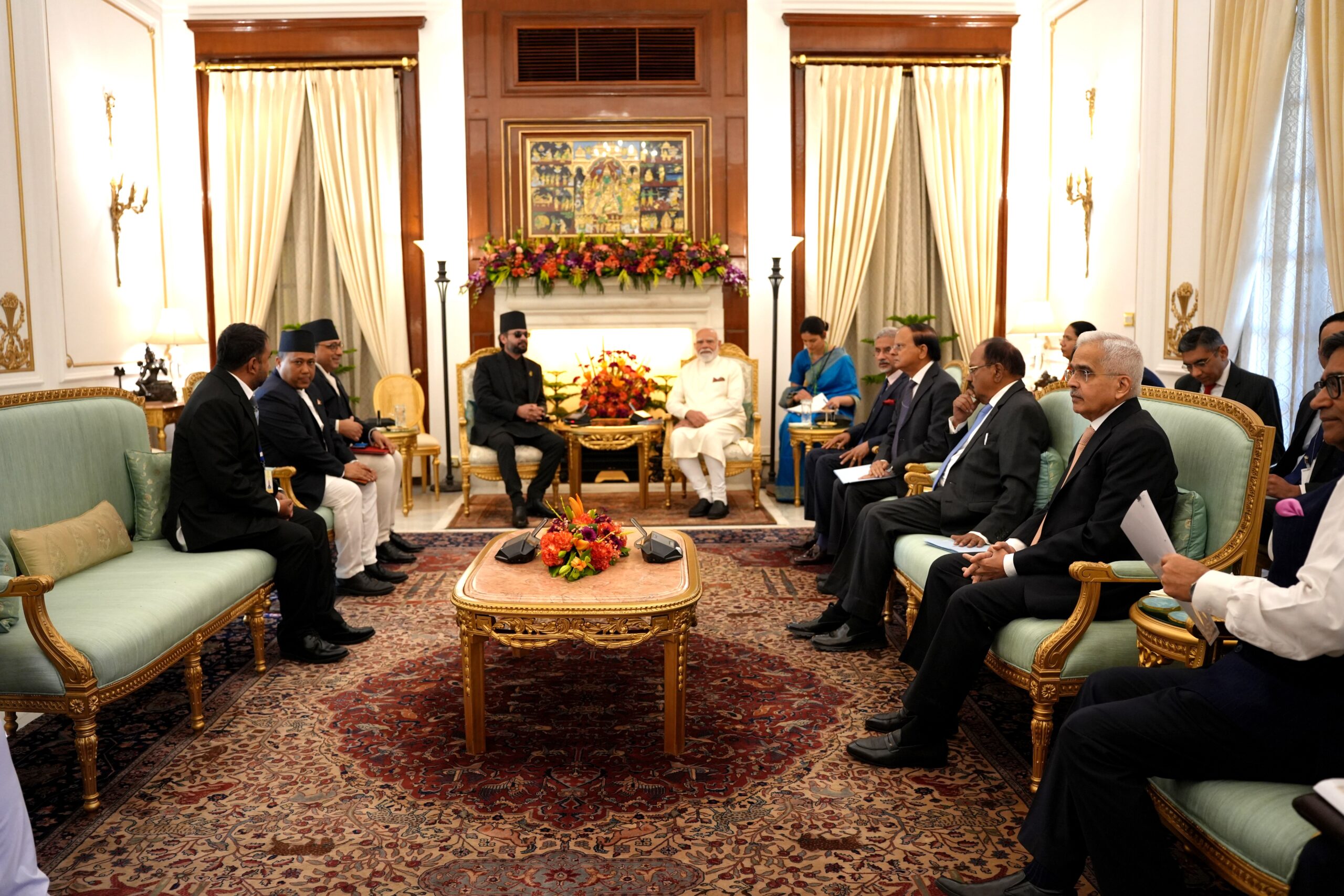
Addressing a joint press conference after bilateral talks, Prime Minister Shah described the project as part of a broader effort to transform Nepal-India cooperation into a partnership focused on shared prosperity, sustainable development and enhanced connectivity. He said the agreements and projects unveiled during the visit should translate into tangible benefits for ordinary citizens, including employment, investment opportunities and economic growth. — RSS