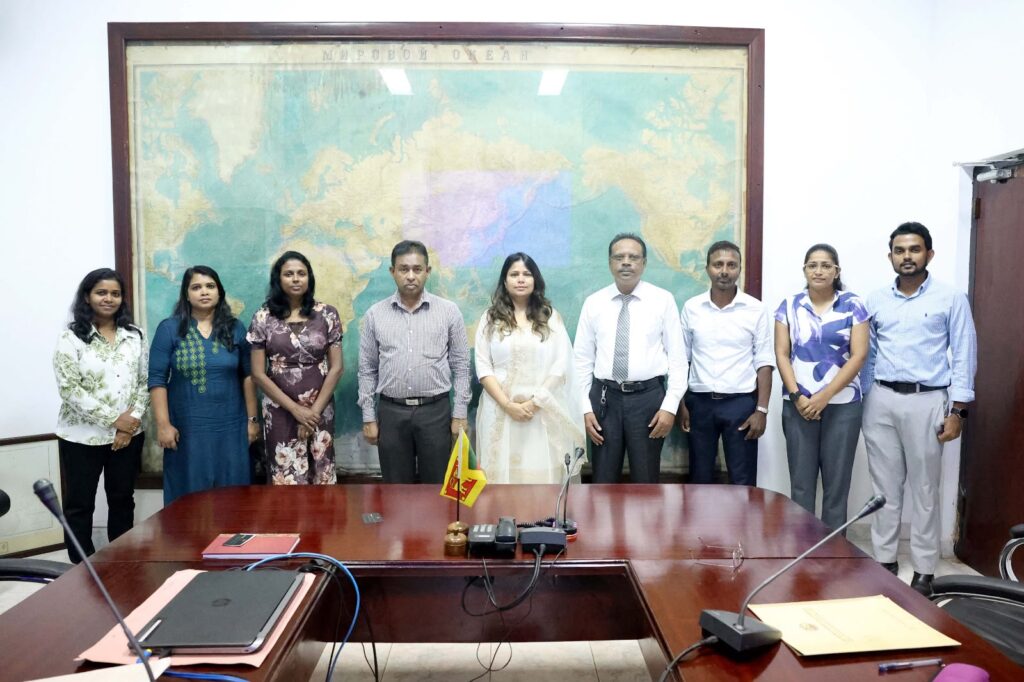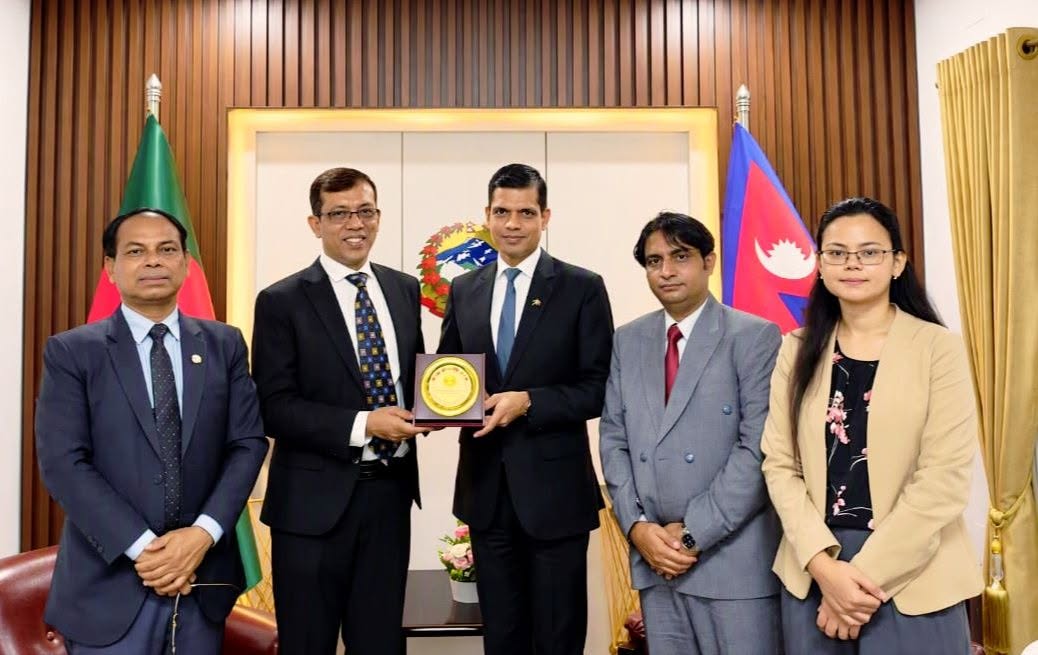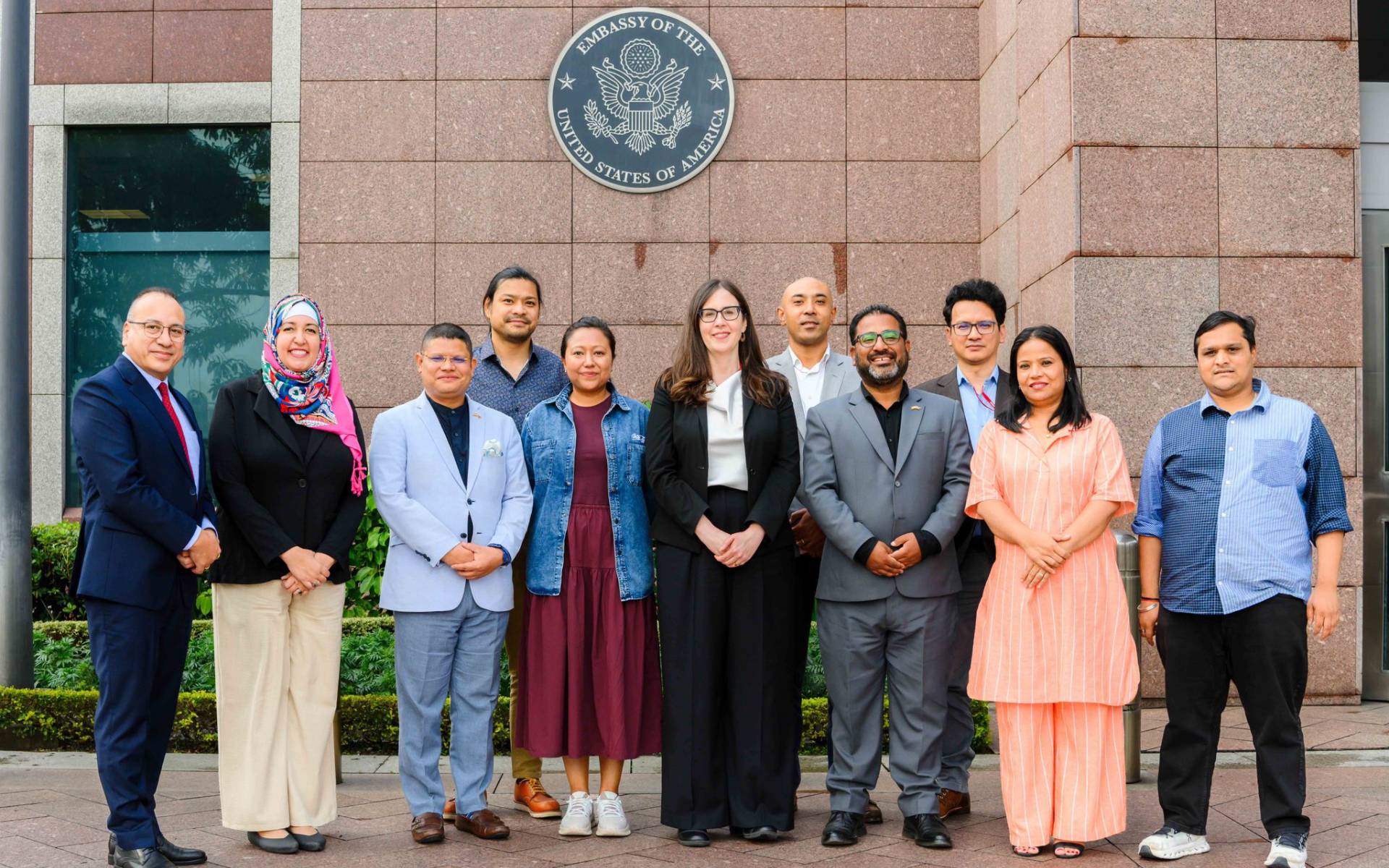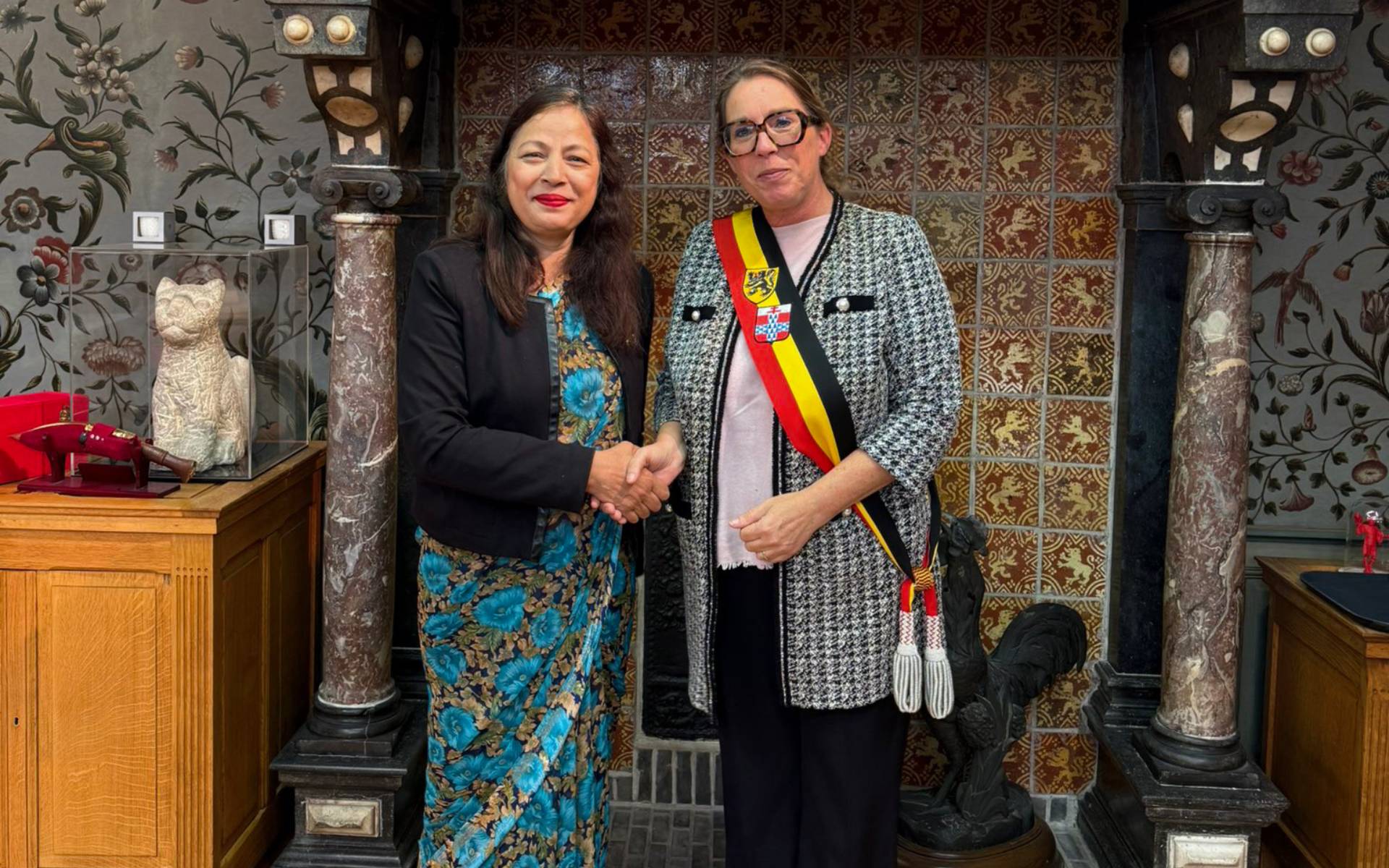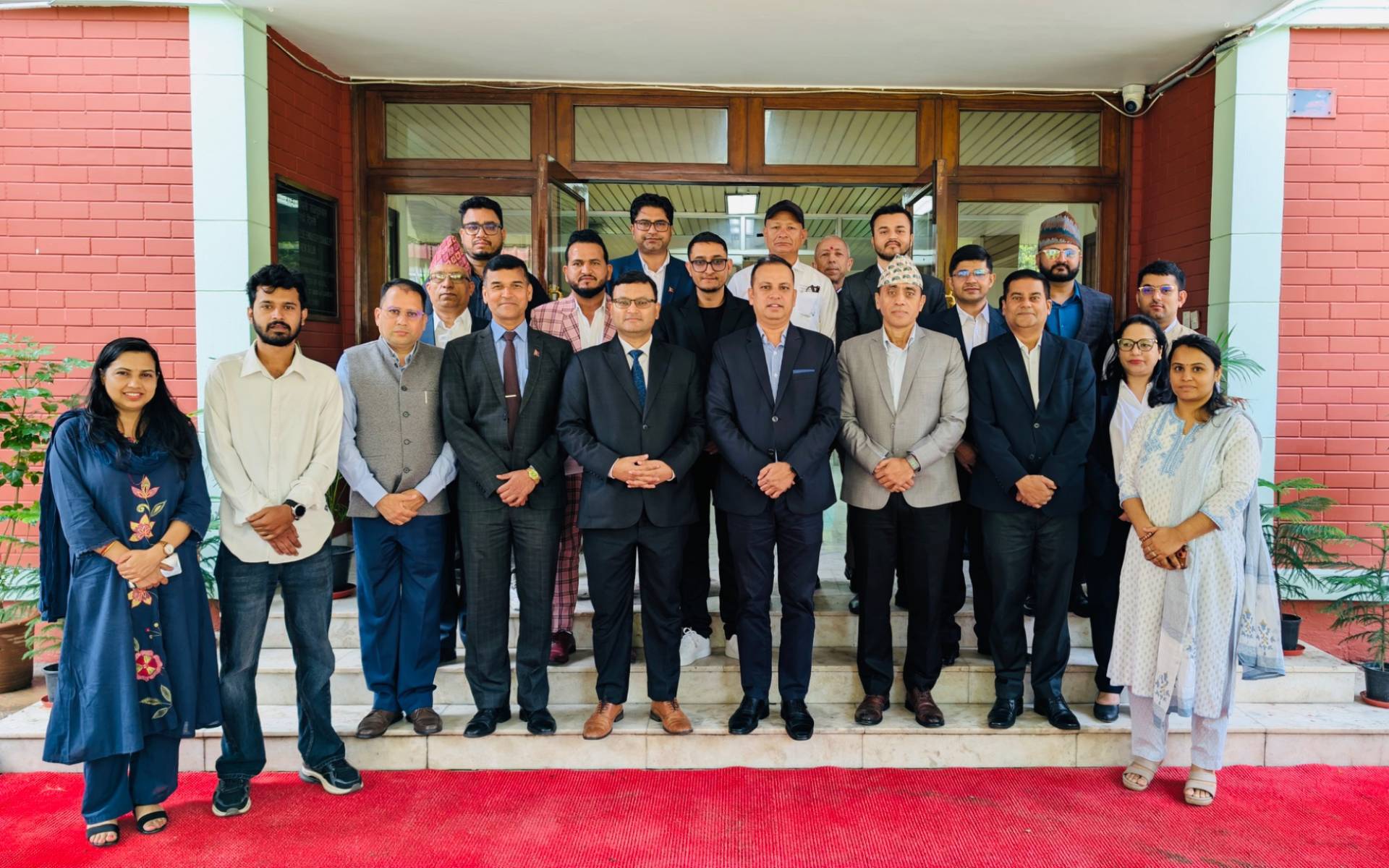
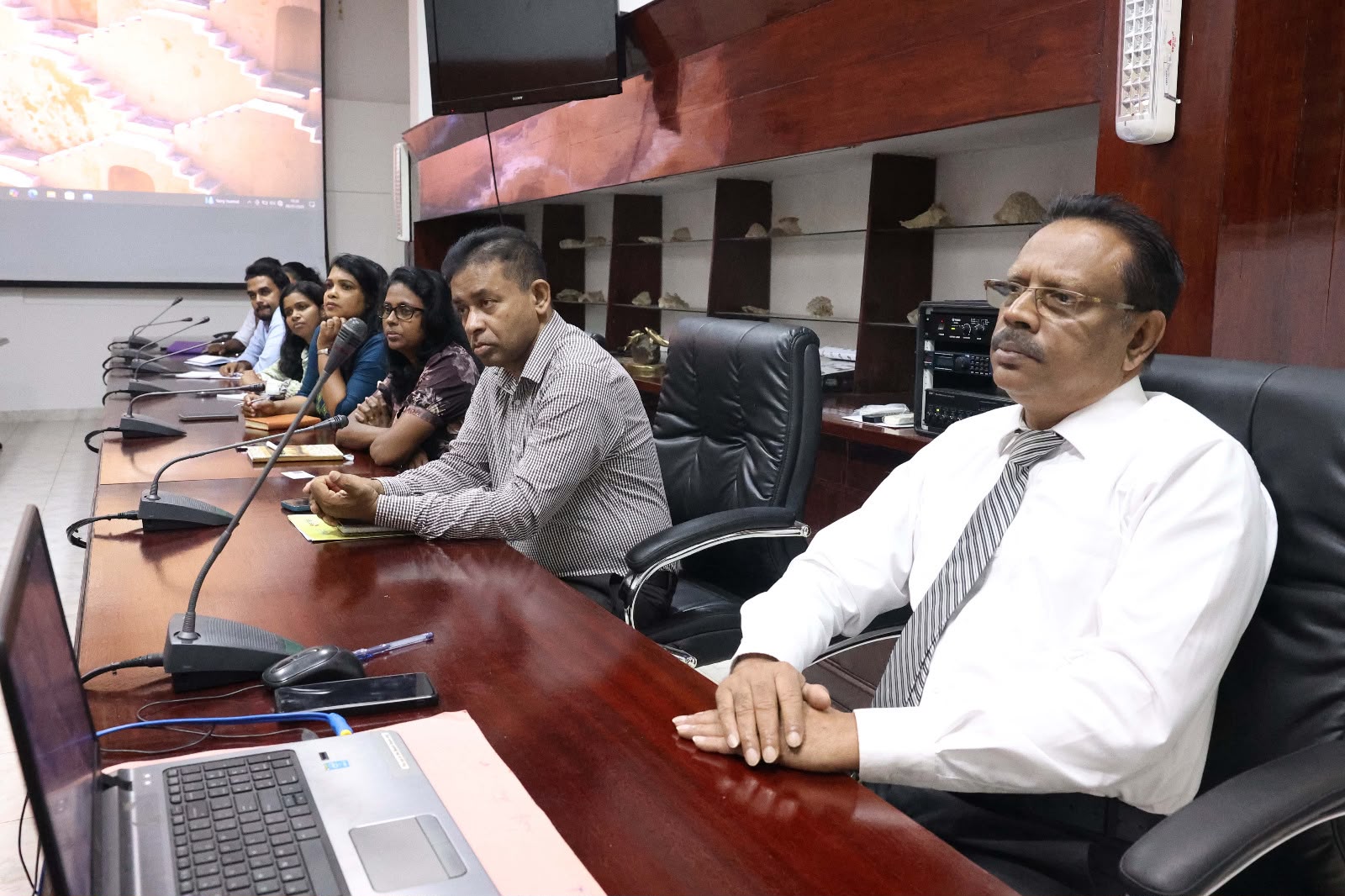
Kathmandu: A new chapter in Nepal–Sri Lanka scientific and economic cooperation was explored today as Amb. Dr. Sarmila Parajuli Dhakal, President of the International Relations and Global Diplomacy Dialogue (IRGDD) and former Ambassador of Nepal to Oman and Spain, met with Dr. K.H.M.L. Amaralai, Director General of the National Aquatic Resources Research and Development Agency (NARA), Sri Lanka’s premier institution for aquatic resources research and development.
The high-level meeting brought together senior scientists and officials of NARA to discuss how the two countries can leverage their complementary natural resources to strengthen food security, scientific innovation, and sustainable economic growth.
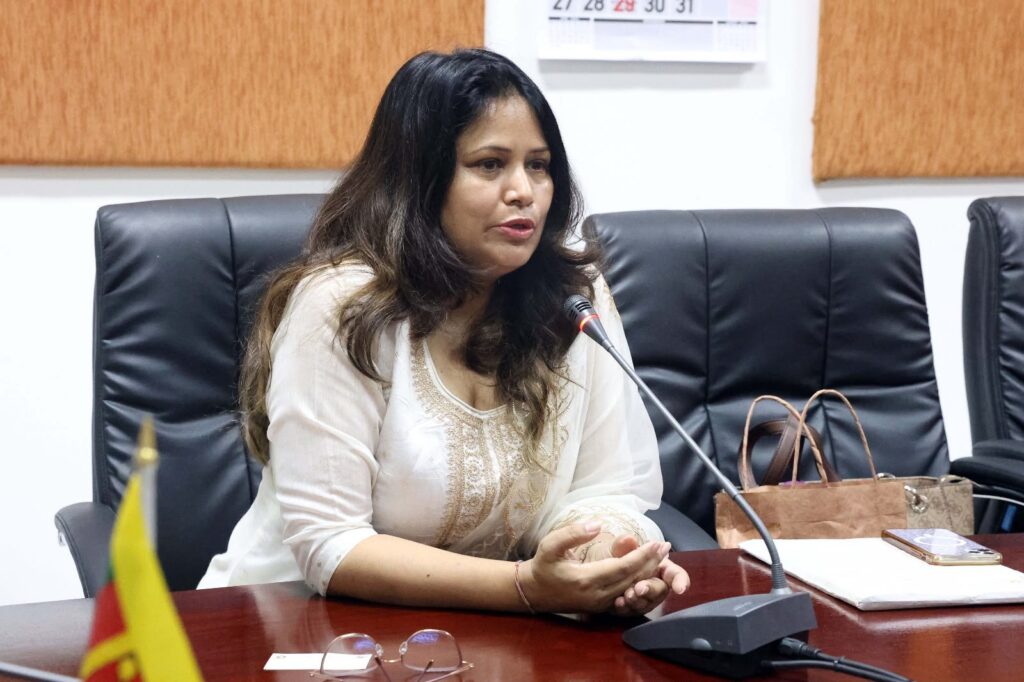
During the discussions, Amb. Dr. Parajuli emphasized that Nepal possesses one of South Asia’s richest freshwater resource bases, with thousands of rivers, lakes, reservoirs, wetlands, and Himalayan water systems that offer tremendous opportunities for expanding inland fisheries, freshwater aquaculture, trout production, and aquatic research. She noted that scientific innovation, technology, and international collaboration will be key to unlocking the full economic potential of Nepal’s freshwater resources.
Dr. Amaralaii shared NARA’s extensive experience in marine and inland fisheries research, aquatic biodiversity conservation, fisheries resource assessment, water quality management, aquaculture development, seafood value chains, and the sustainable utilization of Sri Lanka’s ocean and inland aquatic resources. As an island nation, Sri Lanka has developed internationally recognized expertise in marine fisheries and coastal aquaculture that can complement Nepal’s strengths in freshwater ecosystems.
Recognizing these complementary advantages, both sides discussed opportunities to establish long-term institutional collaboration in aquatic science and fisheries development. The discussions focused on collaborative research, exchange of scientists and researchers, partnerships between research institutions and universities, joint publications, professional training, technology and knowledge exchange, and the development of innovative approaches to sustainable fisheries and aquaculture.
A major focus of the meeting was the growing importance of the Blue Economy as a strategic pillar for sustainable national development. Both sides agreed that responsible management of aquatic resources, supported by science, innovation, and evidence-based policy, can generate employment, strengthen food security, improve rural livelihoods, enhance climate resilience, and create new investment opportunities.
The meeting also explored prospects for collaboration in fisheries value addition, seafood processing, aquatic resource management, biodiversity conservation, and public-private partnerships that could contribute to inclusive economic growth in both countries.
Amb. Dr. Parajuli expressed her appreciation to Dr. Amaralai and the distinguished scientists of NARA for their warm hospitality and valuable technical insights. She noted that stronger cooperation between Nepal and Sri Lanka in aquatic science would not only benefit the two countries but also contribute to regional knowledge sharing and sustainable development across South Asia.
The meeting concluded with a shared commitment to continue dialogue and develop practical institutional partnerships that will promote research excellence, innovation, and sustainable utilization of aquatic resources. It also reflected the growing role of science diplomacy in building stronger regional cooperation through knowledge, innovation, and shared development goals