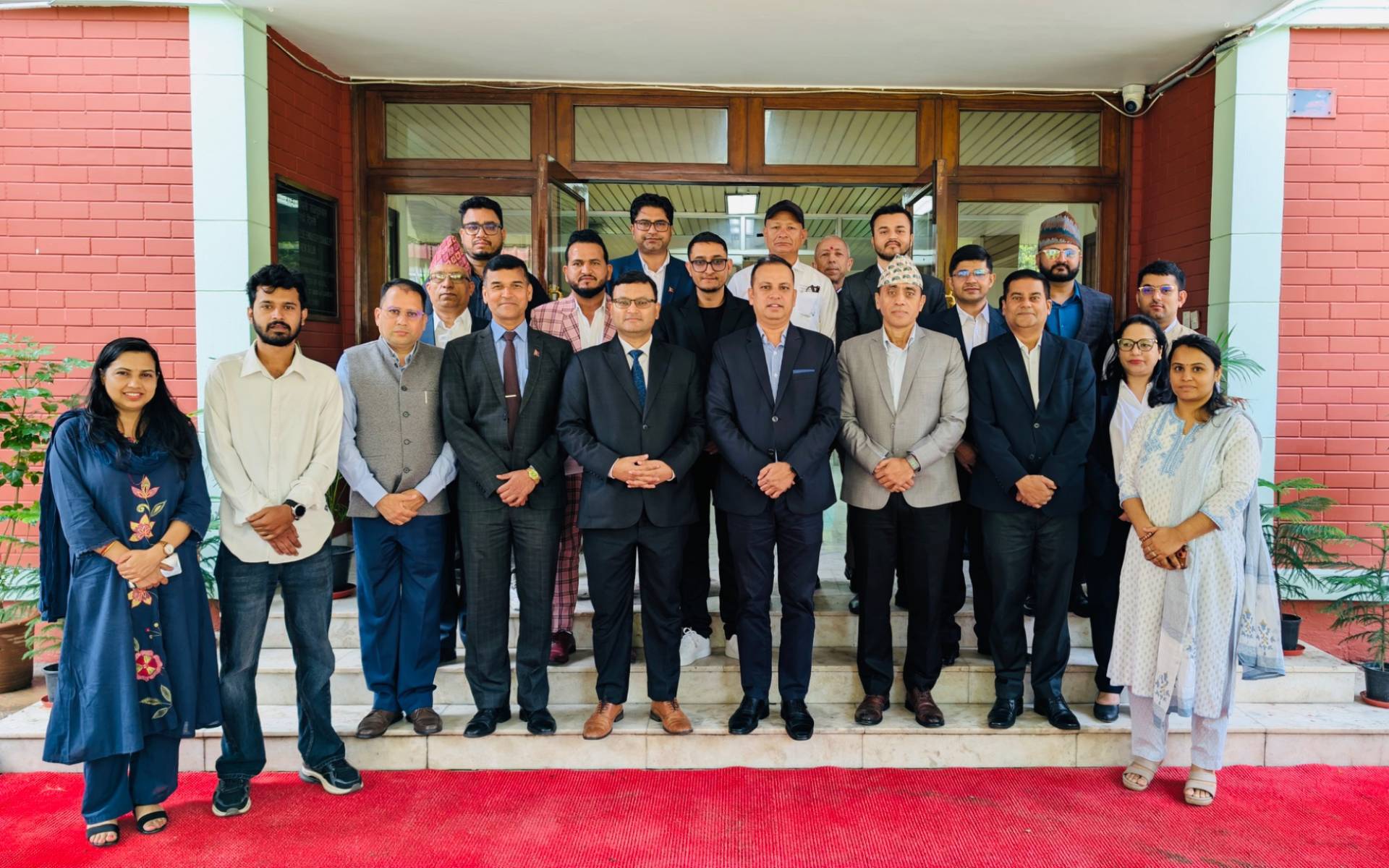
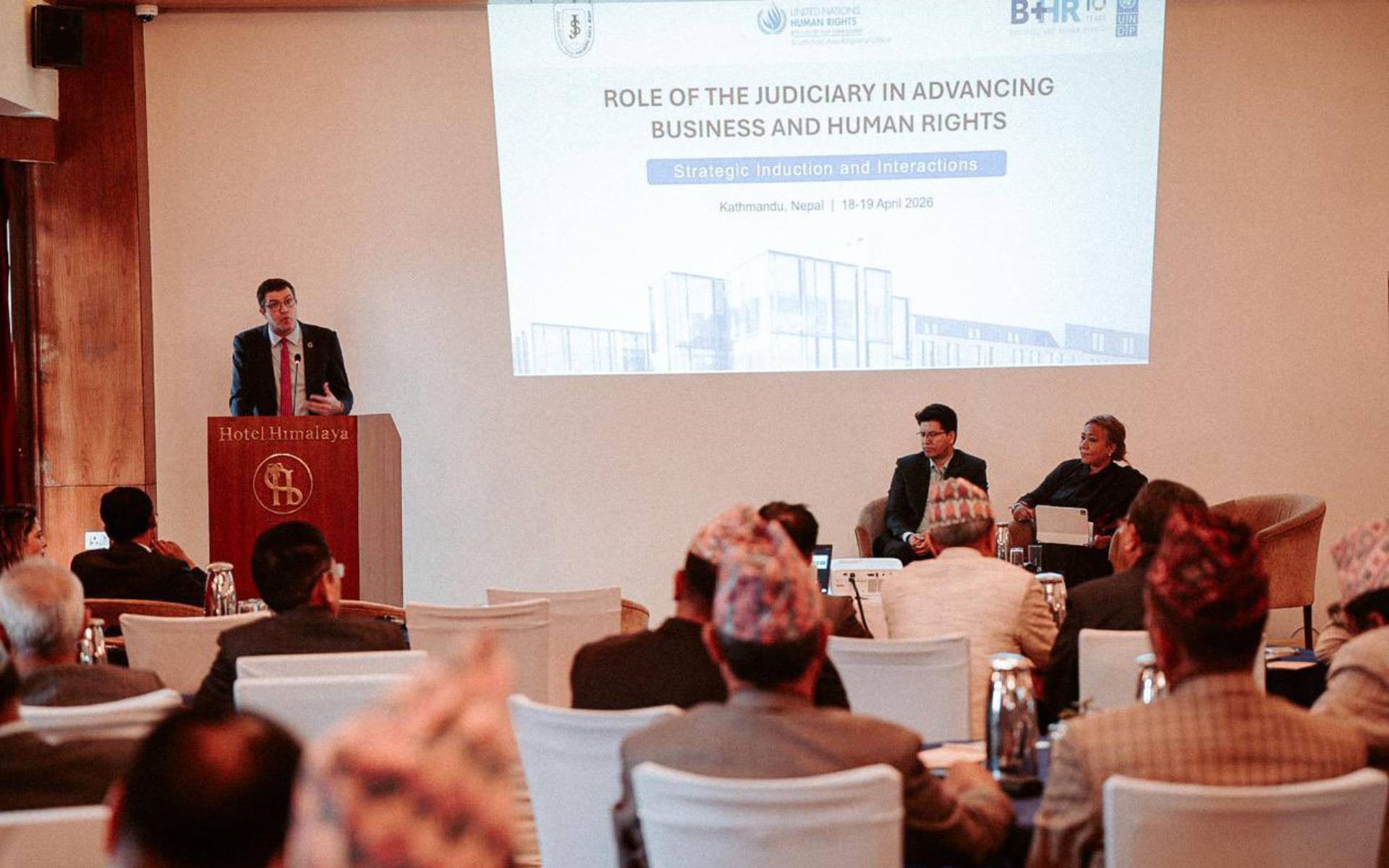
Kathmandu: OHCHR, alongside the Judges Society, with support from the Government of Sweden, organized a judicial workshop. The workshop brought together 40 judges from Nepal’s judiciary to exchange experiences in handling complex, business related human rights cases and build capacity to seek remedy for those most at risk.
Speaking at the event, Acting Chief Justice Sapana Malla Pradhan explained that Nepal’s Constitution already provides a mandate to the judiciary to ensure accountability for business cases. The task now is to define the conditions in which it can hold both state and private actors accountable towards advancing human rights.
Julien Chevillard, UNDP Deputy Resident Representative, highlighted that a responsive judiciary is key to inclusive and rights-based economic development, and that UNDP is committed to support the judiciary in this initiative to ensure accountability and sustain public trust.
The organization stated that as courts increasingly address complex cases at the intersection of business and human rights, the role of judiciary is becoming critical in ensuring timely remedies for affected communities. In Nepal, this priority is reflected in the National Action Plan on Business and Human Rights (2023), which prioritizes strengthening access to justice, especially for workers, women, and vulnerable groups.