Kathmandu: The International Labour Organization (ILO) has highlighted Nepal’s continued dependence on property-backed lending, with 62.8 percent of loans issued by banks and financial institutions in the country being backed by land or buildings.
Experts argue that the continued reliance on traditional collateral has posed difficulties for many women entrepreneurs and small businesses in accessing formal credit.
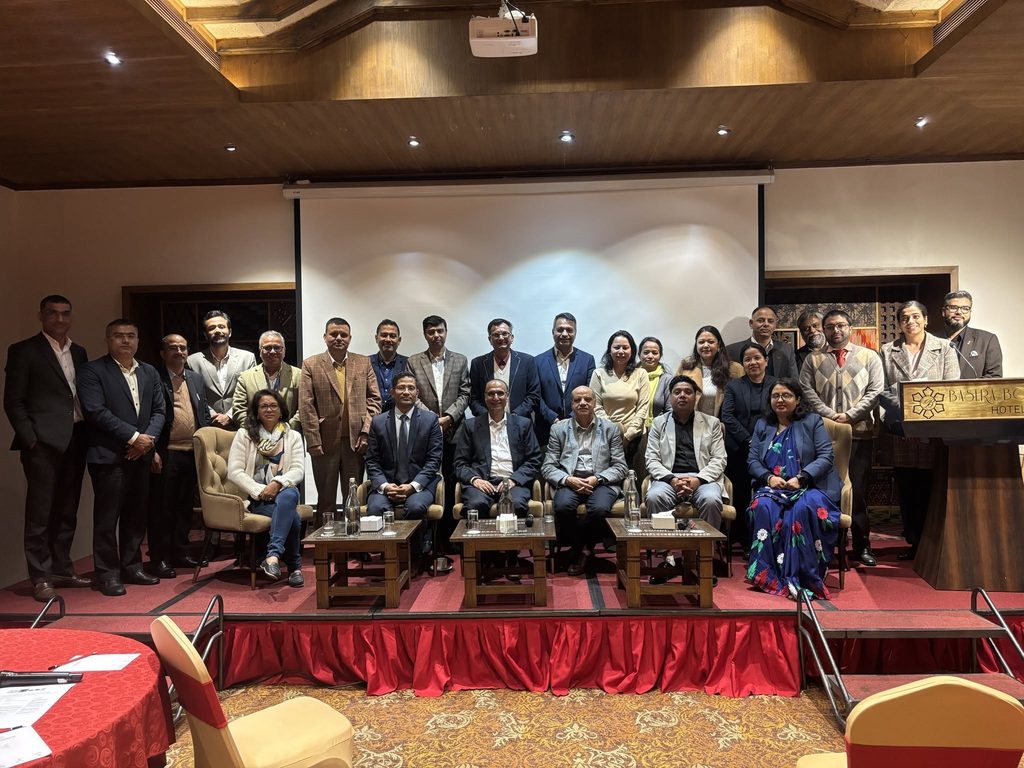
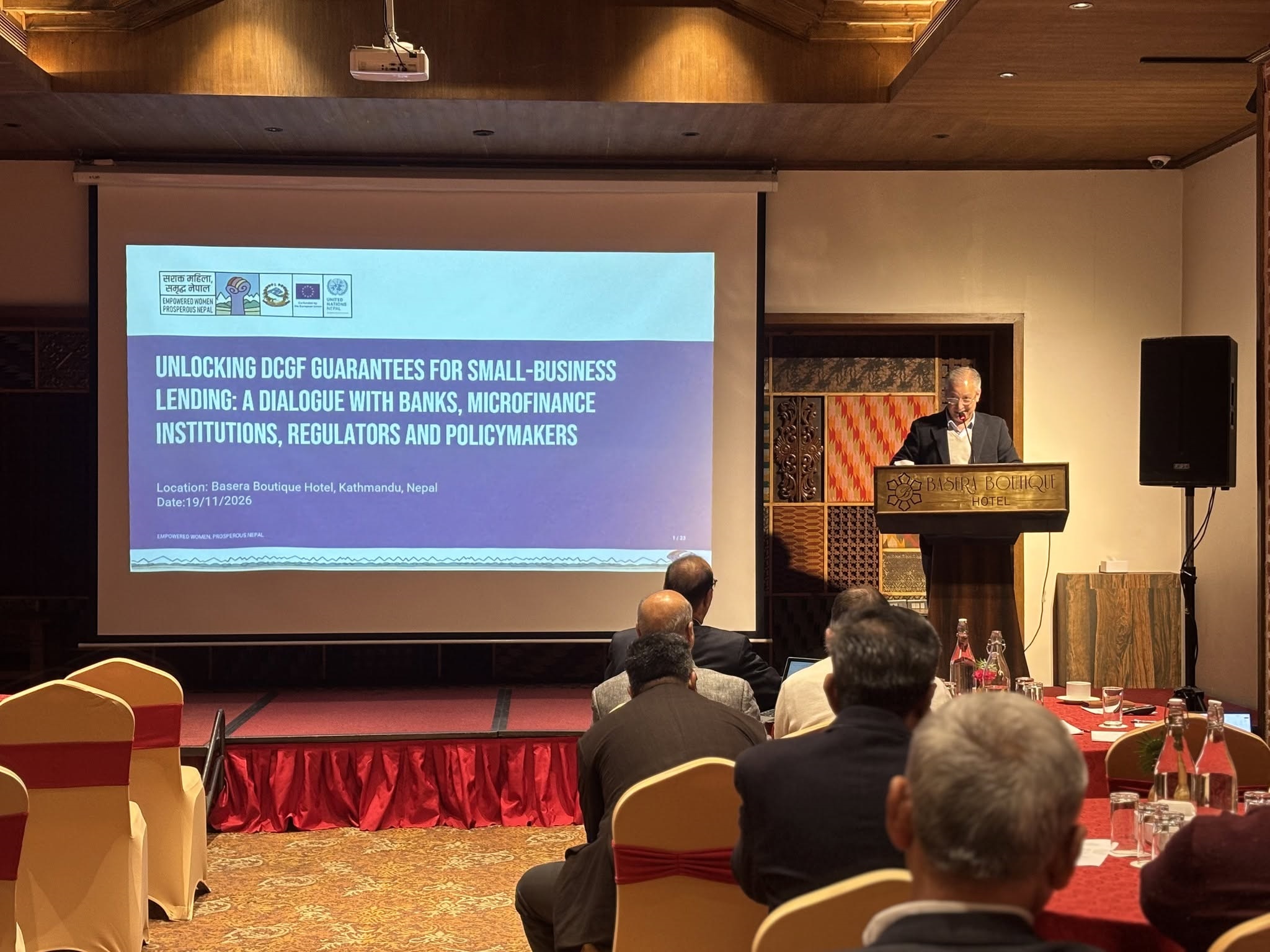
Against this backdrop, the ILO, under its Empowered Women, Prosperous Nepal (EWPN) programme, organized a dialogue in Kathmandu on November 19 to explore ways of better utilizing Deposit and Credit Guarantee Fund (DCGF) guarantees to expand lending opportunities for women-led enterprises and small businesses, the UN organization said in a social media post.
The event, titled “Unlocking DCGF Guarantees for Small-Business Lending: A Dialogue with Banks, Microfinance Institutions, Regulators and Policymakers,” brought together representatives from banks, microfinance institutions, Nepal Rastra Bank, the DCGF, policymakers and development partners.
Discussions focused on reducing collateral barriers and improving access to formal credit, particularly for women-led businesses and small enterprises in Madhesh, Karnali and Sudurpashchim provinces.
Participants explored measures to reduce reliance on land and property as collateral, simplify credit guarantee procedures, accelerate claim settlements and strengthen incentives for financial institutions to make greater use of DCGF guarantees.
The dialogue also emphasized the promotion of cash-flow-based lending and other inclusive financing approaches aimed at broadening access to credit for underserved businesses.
According to the ILO, the initiative seeks to translate existing credit guarantee mechanisms into practical solutions that enable more women entrepreneurs and small businesses to access finance, expand their operations and contribute to economic growth.