Kathmandu: The Ministry of Foreign Affairs (MoFA) has directed that the elections of the Non-Resident Nepali Association (NRNA), scheduled for March 14–16, 2026, be conducted strictly in accordance with the organization’s statute.
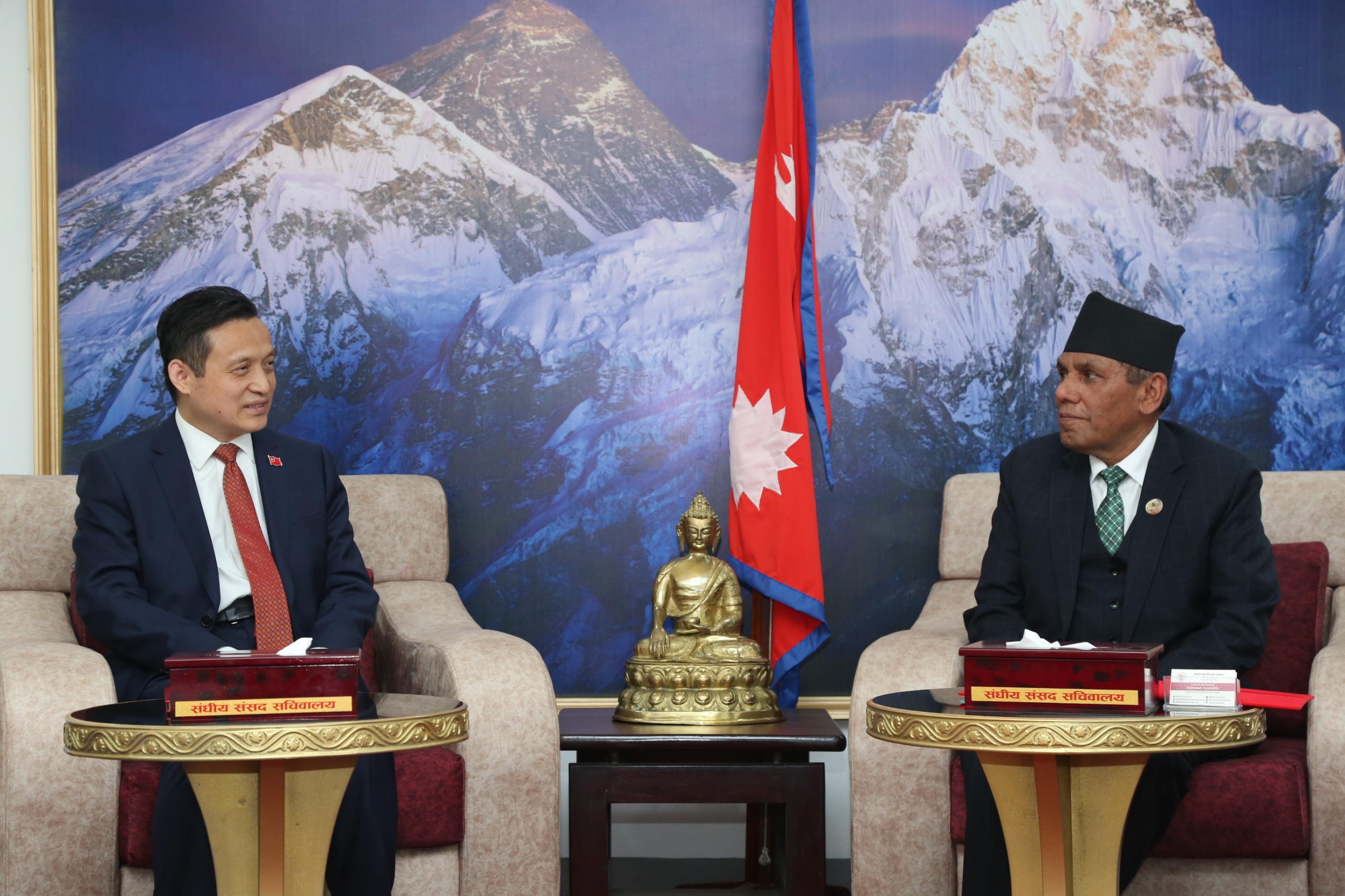
Speaking at a program organized at the Ministry on Thursday to discuss the modalities of the NRNA elections, Foreign Minister Balānanda Sharma emphasized that the statute clearly outlines how the elections should be conducted and must be followed without deviation.
“If we are going to do anything, it must be done within rules and procedures. If we play football, we follow football rules; if we play volleyball, we follow volleyball rules. Likewise, if we are running the NRNA, we must follow its statute,” Minister Sharma said. He added that even criticism should be expressed within established rules and procedures.
Minister Sharma noted that provisions for online voting and direct participation were clearly defined while drafting the statute. “If there is division while searching for unity, that too must be resolved within the rules,” he said.
He further explained that the statute allows the general convention and general assembly to be held either physically or online and provides arrangements for representatives unable to attend in person to participate and vote online. Referring to the 10-point agreement reached under the chairmanship of the Prime Minister, he said the agreement also clearly states that the elections must be conducted as per the statute. “The role of the Ministry of Foreign Affairs is only to facilitate, and we are doing exactly that,” he said.
Although he personally preferred elections to be held through physical presence, Minister Sharma acknowledged the legal provision to include Nepalis living abroad through online participation. He stressed that rejecting democratic processes amounts to demonstrating one’s own failure. “Seeking guidance where democratic processes are being practiced seems like admitting one’s own failure,” he said.
Calling on all sides to move beyond ego and rivalry, Minister Sharma urged stakeholders to think in terms of the future rather than a win–lose mindset. “We should think in the interest of the association, not in terms of ‘me’ or ‘mine’,” he said, reiterating the government’s commitment to provide necessary facilitation and support to make the 12th General Convention of the NRNA successful.
Meanwhile, Foreign Secretary Amrit Bahadur Rai said that holding a position is not essential to serve the nation, emphasizing sacrifice and dedication as the foundation of national service. He urged stakeholders to rise above personal interests for the institution’s success.
Recalling the early days of the NRNA movement, Secretary Rai said it was launched with the vision of uniting Nepalis worldwide as a non-political organization and contributing to Nepal’s development. While acknowledging its initial success, he noted that continuity had weakened in recent years.
“We cannot move forward without a culture of sacrifice and dedication,” he said, citing Mahatma Gandhi and Nelson Mandela as examples of leaders who served humanity without holding office. He added that with nearly eight million Nepalis living abroad, many still remain outside the formal framework of the NRNA.
Secretary Rai reiterated the government’s desire to see the NRNA emerge as a strong, unified umbrella organization and assured continued cooperation from the Government of Nepal. He urged the association to resolve election-related confusion by strictly following the statute, which clearly allows both online and physical participation in the general convention and elections.
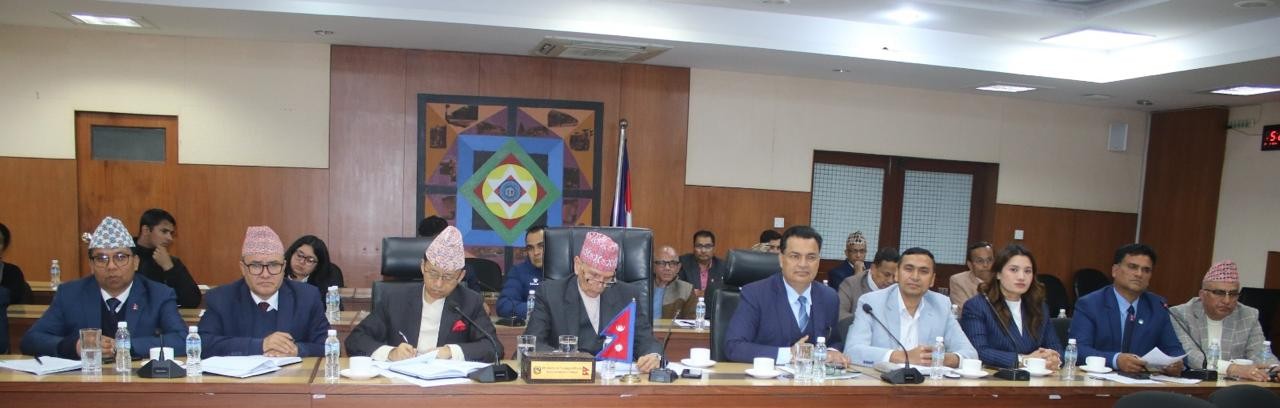
The meeting was attended by NRNA office bearers, advisors, and representatives from various countries, both in person and virtually, along with senior officials from the NRNA Secretariat and the Ministry of Foreign Affairs.