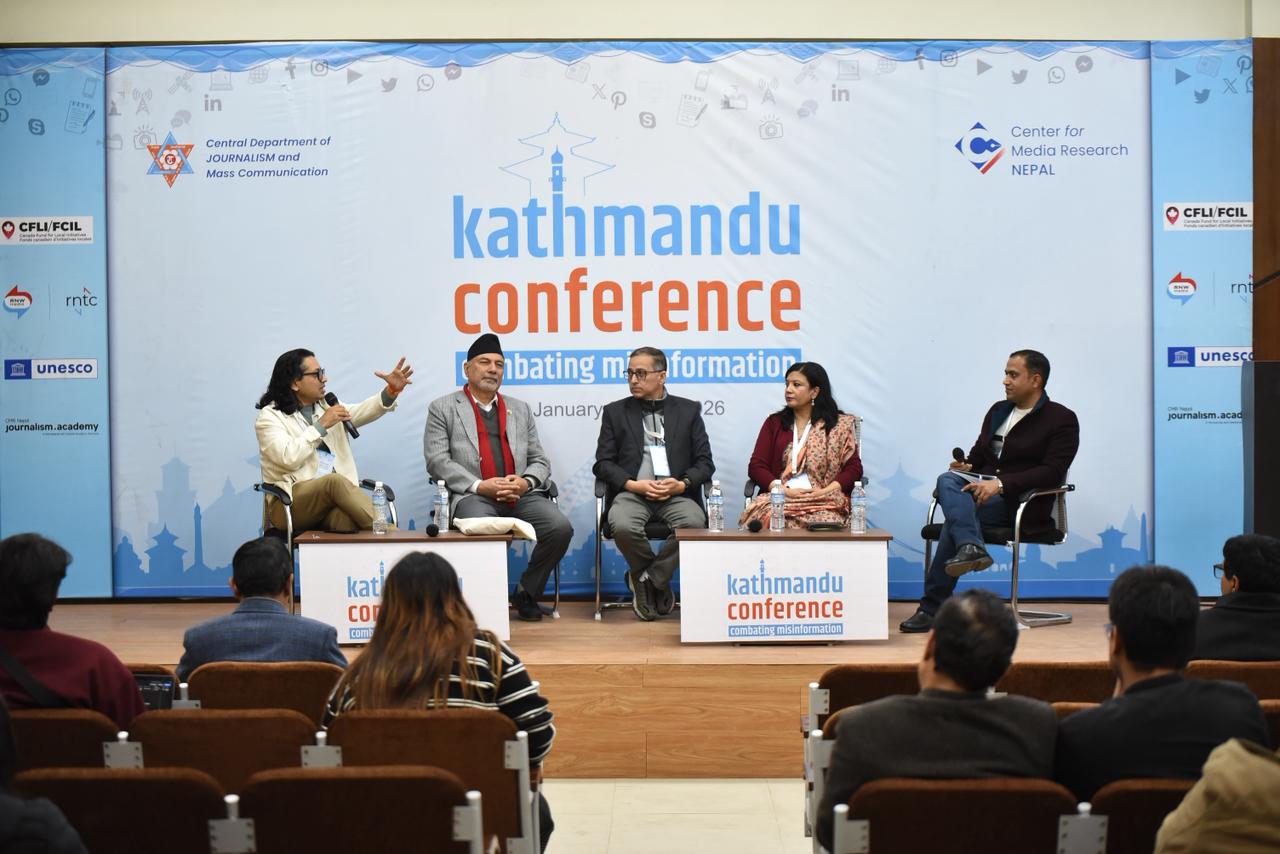
Kathmandu: The two-day Kathmandu conference against misinformation concluded on January 25, emphasizing that credible news and information must be based on facts rather than rumors.
The conference, organized by the Central Department of Journalism and Mass Communication of Tribhuvan University and the Center for Media Research Nepal (CMR-Nepal), brought together experts and scholars who stressed the need to rely selectively on verified facts amid the growing flood of misinformation driven by increased access to technology.
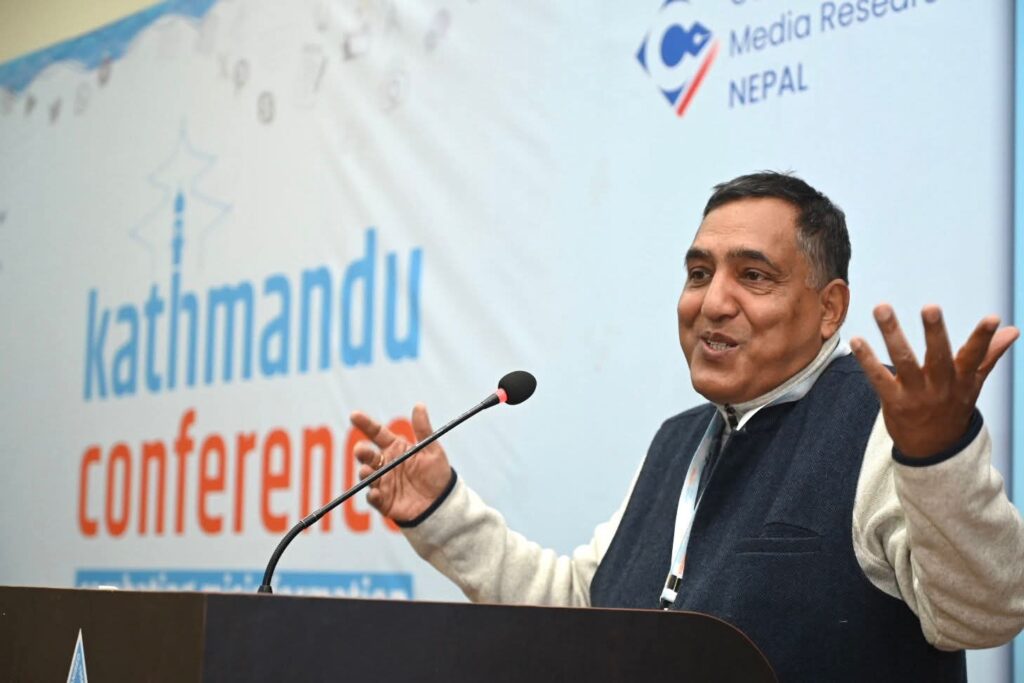
Noting that misinformation has affected all sectors of society, speakers highlighted the importance of understanding technological changes and keeping pace with the times, along with strengthening information literacy to effectively counter misinformation.
Political scientist Hari Sharma said that misinformation has permeated all sectors, including politics, and warned that even what people see with their own eyes may not always be accurate. He emphasized that democracy would weaken if critical questioning is discouraged, adding that misinformation spreads more rapidly when questions are not raised.
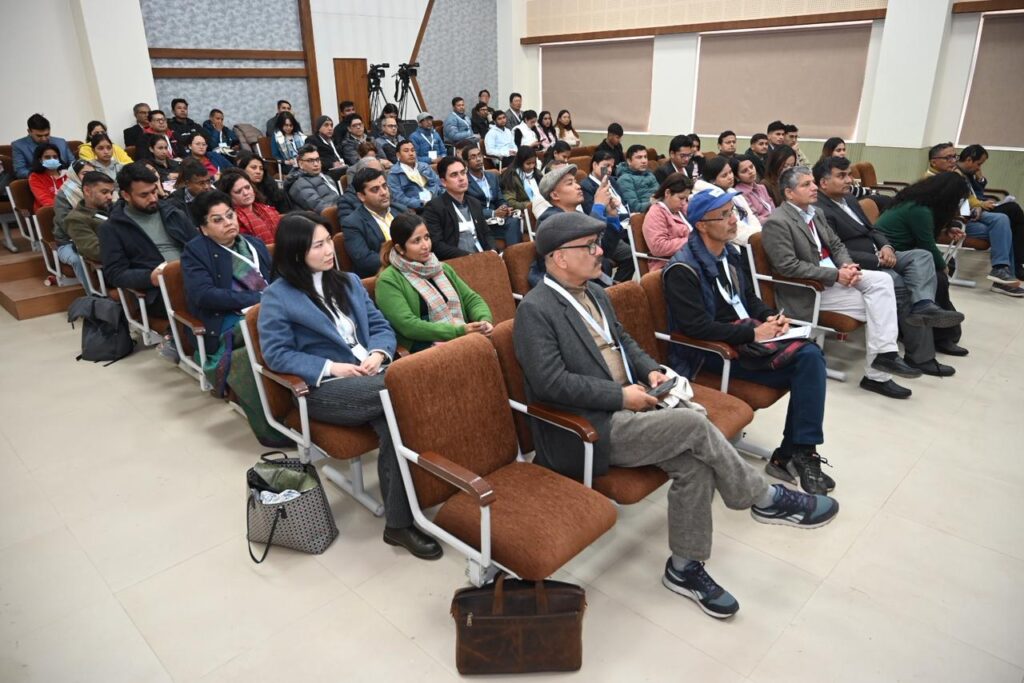
UNESCO Representative to Nepal, Jaco du Toit, said that accurate information is the foundation of democracy and that misinformation has spread rapidly due to the ease and speed of modern technology. He stressed that minimizing misinformation requires collective efforts to uphold the right to information and ensure the free flow of accurate information. He added that the government, technology sector, democratic forces, civil society, media, and the academic sector must remain transparent and accountable.
The conference held on January 25 featured three thematic sessions on journalism education, the role of the media in combating misinformation, and anti-misinformation programs, along with panel discussions on social media platform regulation and climate change.
A dozen research papers on media, social media, and media literacy were presented during the two-day conference. Thematic discussions were held among experts, policymakers, journalists, and other stakeholders. More than 200 participants attended the conference over the two days.