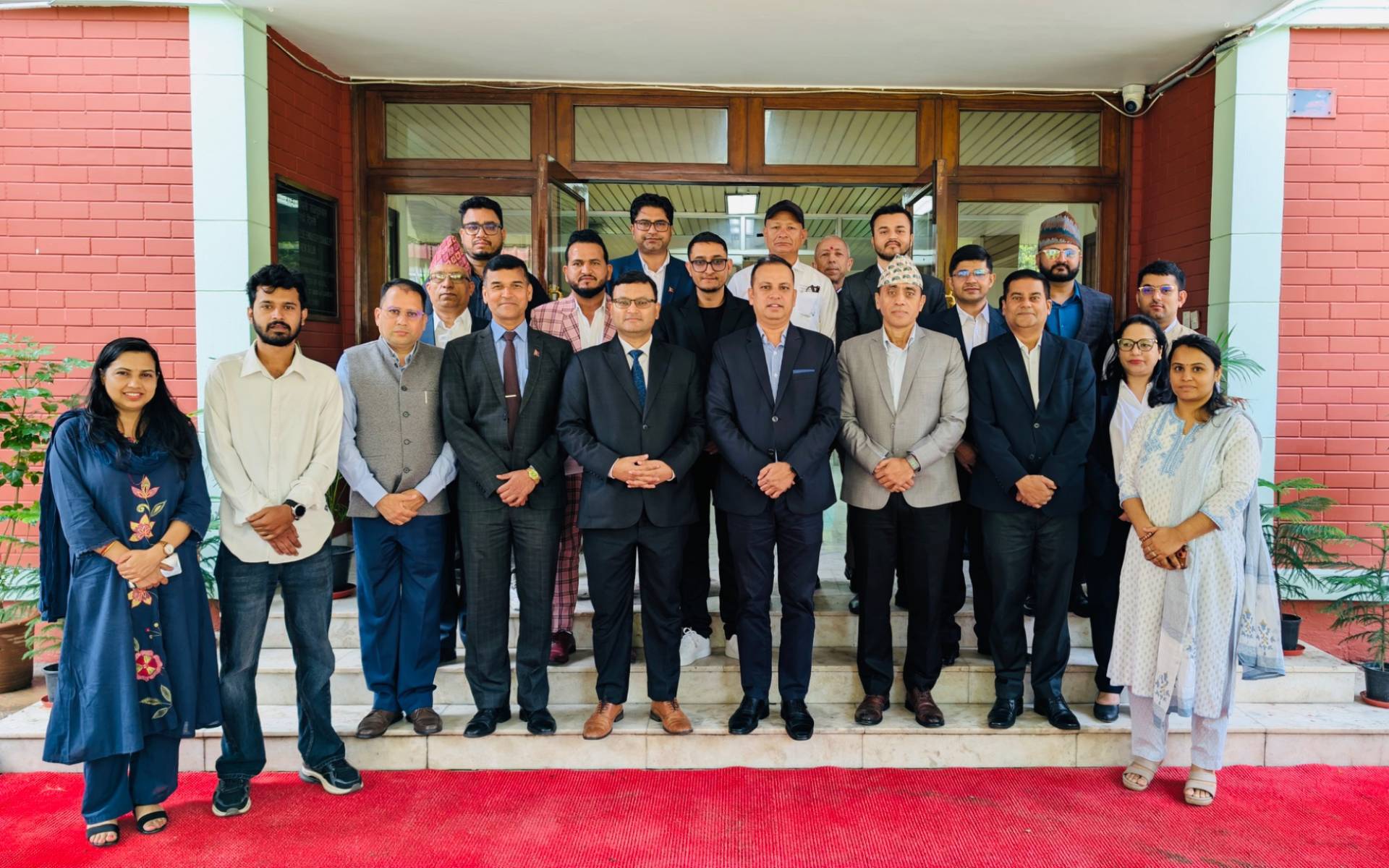
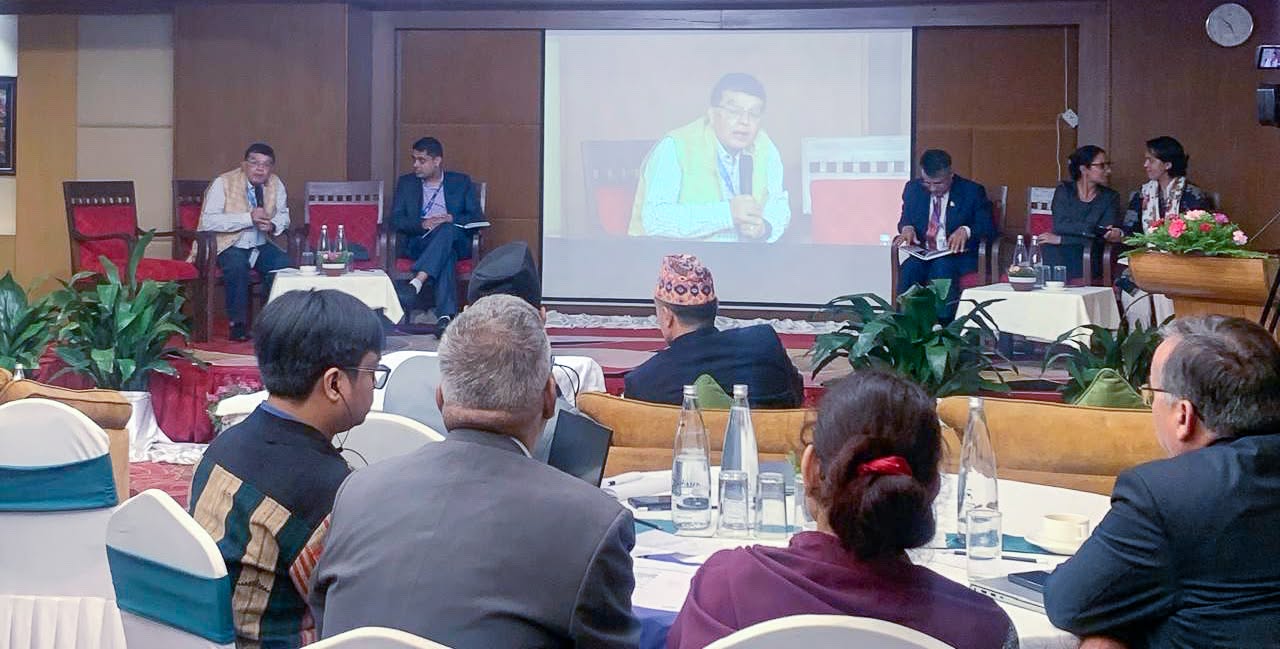
Kathmandu: UN Habitat Nepal and FAO Nepal hosted a joint session “Land Tenure Security: Governance, Policy, and Action” at the Nepal Forest Tenure Conference (NFTC) on July 6. Mahesh Badal from FAO moderated the Session and Raja Ram Chhatkuli from UN-Habitat made a presentation highlighting key global policy frameworks, including the Voluntary Guidelines on the Responsible Governance of Tenure of Land, Fisheries and Forests as well as enabling land tools developed by the Global Land Tool Network.
FAO Nepal and UN Habitat Nepal stated that the session emphasized the application of participatory and Fit-for-Purpose land tools to promote pro-poor, gender-responsive land governance and strengthen tenure security for marginalized communities. Country-level implementation experiences were also presented, demonstrating how land tenure security can be integrated with climate-smart agriculture and inclusive land-use planning to support sustainable land management. Practical examples were drawn from the UN-Habitat L4ACT Project.
The session concluded with a panel discussion featuring Joint Secretary at the Ministry of Land Management, Cooperatives, Federal Affairs, and General Administration, Ganesh Prasad Bhatta; Adjunct Professor at Tribhuvan University, Dr. Isha Gharti; and Executive Director of Nepal Mahila Ekata Samaj, Bhagvati Adhikari, followed by a lively and engaging interaction with participants.
Some of the key takeaways from the session, according to FAO Nepal and UN Habitat Nepal, were: Land and forest tenure should be considered holistically rather than in isolation; The upcoming Land Act should address existing gaps in tenure-responsive land legislation; Greater solidarity and commitment are needed to advance land tenure security for landless households and informal settlers; and Continued research and evidence generation are essential to fill knowledge gaps, strengthen policies, and secure land rights for all.